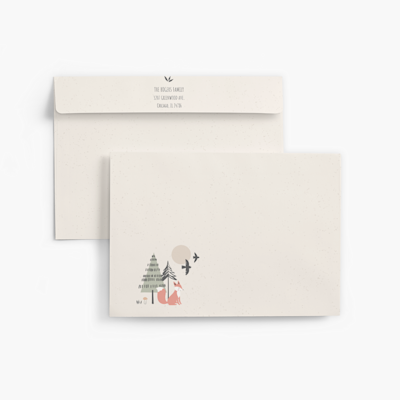
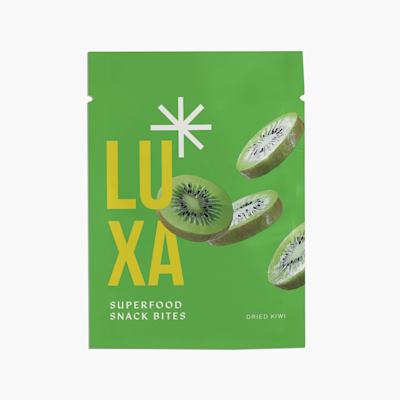
The first role of food delivery packaging is to hold your product on the way from kitchen to customer. But the right food delivery packaging also helps maintain temperature, protect freshness, improve security, support presentation and encourage repeat orders. For small businesses, customizing that packaging matters because it can be the difference between an order that looks homemade and one that appears polished, professional and ready for brand growth. The goal is to choose packaging that keeps food in great condition while making your brand more memorable at every step.

Why food delivery packaging matters
Food delivery packaging matters because it shapes a customer’s first impressions, affects how easy the food is to carry and eat, supports cleanliness and helps customers remember your brand after the meal is over. For delivery-first businesses, packaging is a part of the product experience itself.It shapes first impressions before the food is even opened
Before a customer tastes the food, they notice the packaging. A clean bag, a sturdy box, a neat label or a secure seal can instantly make a business look more established and trustworthy. That matters because packaging quality influences trust for 96% of consumers, according to VistaPrint’s packaging brand perception survey, and 69% say a poorly packed order has lowered their opinion of a brand. These details signal care because they show that you have thought through the full customer experience, not just what goes in the container. Strong presentation also helps with brand recognition. When your packaging uses consistent colors, typography and finishing touches, it becomes easier for customers to remember who the order came from. That matters whether they are opening a solo lunch at home or unpacking a family meal at the office. Small upgrades such as branded stickers, custom labels or coordinated paper bags can make food delivery packaging feel much more intentional without requiring a huge budget. That same polish can support repeat orders and word of mouth. VistaPrint’s survey found that 52% of shoppers share unboxing or shipping experiences at least sometimes, and among Gen Z, packaging is the top reason they share.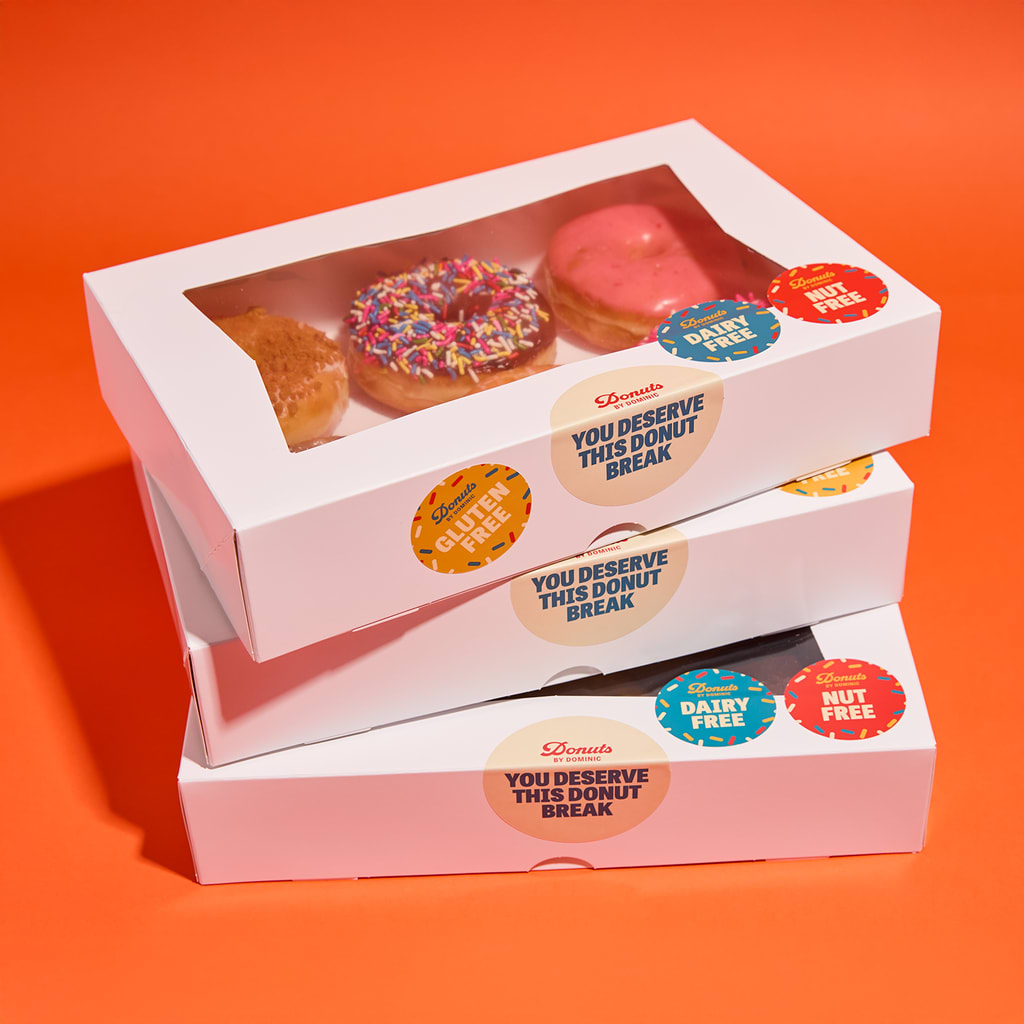
It protects food quality during transport
The practical side of food delivery packaging is just as important. Good packaging helps food arrive at the right temperature, prevents leaks, manages steam and moisture, and keeps any delicate textures from being ruined in transit. But different foods need different solutions. For example, a crisp fried item needs ventilation and a hot rice bowl needs insulation and structure, while a chilled dessert may need a secure lid that can handle condensation without turning messy. This is also where newer packaging choices can support trust and efficiency. Adding a QR code with instructions or additional information can give customers confidence in your brand. For example, you could link to ingredients, reheating advice, allergy information or brand stories. For growing businesses that are thinking ahead, Ships in Product Packaging (SIPP) can also become part of the conversation. While it is more common in broader e-commerce, the principle is useful here too: choose packaging that is efficient, protective and suitable for travel without unnecessary extra layers. That can improve your sustainability, reduce waste and help your operations feel more streamlined.How to maintain food temperature during delivery
If you want a simple rule for maintaining food temperature during delivery, match the packaging to the food, the journey time and the texture you want to preserve. Use insulating materials for heat retention, secure lidded designs for cold items and include ventilation where steam could damage crispness. For small businesses, the best approach is usually practical rather than technical, so test a few packaging combinations and see how they perform after 15, 30 and 45 minutes in transit. Rules of thumb for food temperature during delivery:- Use double-walled paperboard, corrugated cardboard or insulated liners for hot food
- Use vented packaging for fried or crisp foods so steam can escape
- Use secure lidded containers and insulated sleeves for cold items and chilled desserts
- Add grease-resistant linings or moisture barriers for foods with sauces or oil
- Test packaging in real delivery conditions based on travel time, temperature and menu item
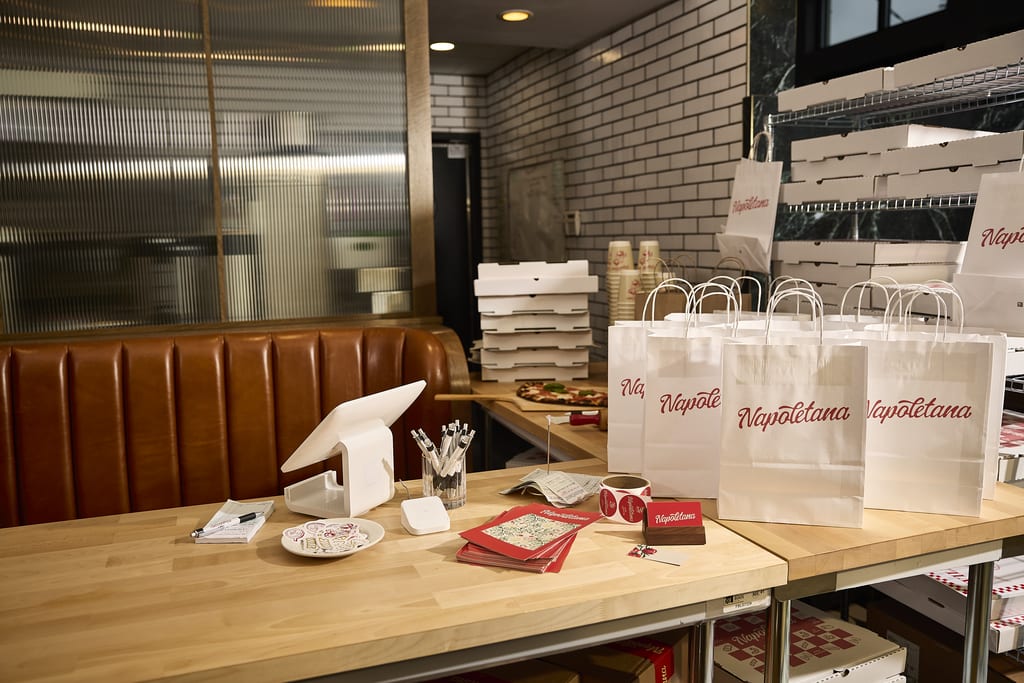
Best materials for hot food
For hot food, the best materials usually combine insulation, structure and ease of transport. Structure matters as much as material, as a container that closes securely and holds its shape will usually perform better than a weaker format made from a similar base material.- Double-walled paperboard: Helps retain heat while keeping packaging relatively lightweight
- Corrugated cardboard: A good option for boxes that need more structure and heat protection
- Insulated wraps or liners: Useful for longer journeys or meals that need extra warmth
- Structured bowls, cartons and meal boxes: Often perform better than thin single-layer formats, especially for foods with sauce, steam or multiple components
- Vented boxes or cartons: Best for fried chicken, loaded fries, roasted potatoes or pastries that need to stay warm without going soft
Best materials for cold food and chilled desserts
Cold items and chilled desserts need packaging that can manage both temperature and moisture while protecting presentation. The key is preventing condensation from damaging the product experience. Damp labels, peeling stickers and smudged printing can make even a premium item feel less polished, so it is worth choosing finishes and labels that hold up in colder conditions.- Molded fiber: Useful for sturdy, chilled formats where durability matters
- Coated paperboard: Helps provide a cleaner finish and some resistance to moisture
- Insulated sleeves: Useful for cold drinks, dairy-based desserts or products with a longer delivery window
- Secure lidded containers: Important for parfaits, fruit, puddings and layered desserts
- Clear or semi-clear lids: Helpful when product visibility matters, as long as they stay secure during transit

How to reduce sogginess, leaks and spills
Sogginess, leaks and spills are some of the most common delivery problems, and they often come down to brands choosing packaging based on appearance instead of the food texture. The best food delivery packaging is chosen for how the food behaves, not just how the pack looks in a flat mock-up. A burger box may need a breathable structure that handles grease without collapsing. A noodle dish may benefit from a deeper, more secure bowl. A pastry box may need an insert to stop movement in transit. Matching the packaging to the product usually solves more problems than adding extra materials later. Use these packaging features to reduce common delivery issues:- Grease-resistant linings for burgers, pastries and fried foods
- Moisture barriers for items with sauce, steam or oil
- Compartmentalized packaging for meals that combine crisp, soft and saucy elements
- Secure lids for noodle bowls, curries and rice dishes
- Wraps or inserts to keep items in place during transport
- Absorbent liners for foods where excess moisture could affect texture
- Separate sauce containers when dressings or toppings could make the main item soggy
Choose the right food delivery packaging for your menu
The right packaging format depends on what you sell. A useful way to narrow your options is to think about format, temperature, moisture, portability and brand presentation all at once. Boxes, bags, clamshells, cups and wraps each solve different problems, so matching the packaging to the menu is one of the easiest ways to improve your delivery performance. Quick guide to food delivery packaging by menu type:- Hot meals and meal prep: Clamshells, bowls, cartons, handled paper bags
- Baked goods and snacks: Pastry boxes, deli paper, wraps, paper bags, windowed packaging
- Drinks and chilled desserts: Cups, sleeves, lidded containers, inserts, tamper stickers
- Messy or sauce-heavy foods: Deeper bowls, secure lids, compartment formats
- Premium or giftable items: Cleaner finishes, coordinated labels, stronger branded packaging elements

For hot meals and meal prep
For hot meals and meal prep, clamshells, cartons, bowls and handled paper bags are popular because they balance being easy to use and being easy to transport.- Clamshells: Good for full meals or layered dishes that need protection
- Bowls: Useful for rice dishes, pasta, salads with warm components or grain-based meals
- Cartons: A practical choice for noodles, fried sides or more compact takeaway dishes
- Handled paper bags: Helpful for carrying multi-item orders neatly and securely
For baked goods, snacks and grab-and-go items
Baked goods, snacks and grab-and-go items often need packaging that balances freshness and visibility. Cookies, pastries and decorated bakes often benefit from being seen straight away. On the other hand, freshness may matter more than display for items that are delicate, stacked or best protected from air exposure. In those cases, a more enclosed package may be the better choice. This is also an area where presentation can do a lot of work. Custom labels, belly bands or simple printed stickers can turn a basic grab-and-go format into something that feels thoughtfully branded.- Deli paper and wraps: Good for simple bakery items and quick-serve formats
- Pastry boxes: Better for delicate or stacked baked goods
- Paper bags: A practical choice for lighter snacks and portable orders
- Windowed packaging: Useful when the visual appeal of the product helps drive sales
- More enclosed packaging: Better for items that are delicate or need more freshness protection
For more inspiration on building a polished look, explore more custom product packaging design ideas.

For drinks, desserts and specialty items
Drinks, desserts and specialty items often need a more detailed packaging approach because spills, condensation and movement can affect both their function and appearance. Condensation is another factor because if the outside of the container gets damp, the labels still need to stay readable and secure. A QR code on a dessert label or drink sleeve could link customers to a loyalty reward, seasonal menu, playlist, brand story or reorder page. Small touches like that can make packaging feel more engaging without adding too much complexity to the production process.- Cups and sleeves: Help with portability and insulation
- Tamper stickers: Add security and reassure customers during delivery
- Inserts: Help stabilize multiple items in one order
- Anti-fog lids: Useful for chilled desserts, layered drinks or toppings that should stay visible
- Durable labels: Important when containers may get damp during delivery
Functional features that matter most for delivery-first packaging
The most effective delivery-first packaging performs well in real conditions while still looking good. For small teams, the best features are often the ones that save time, reduce mistakes and improve the customer experience consistently.Tamper-evident seals and customer confidence
Tamper-evident labels, folded closures and secure stickers help reassure customers that their food has arrived safely and has not been opened in transit. That matters for trust, especially when customers are ordering through third-party delivery platforms or receiving food in shared spaces such as offices, lobbies or apartment buildings. These features can also double as branding space. A tamper seal with your logo, a thank-you message or a short brand line can make something functional feel like part of the overall design system.
Ventilation, insulation and easy-carry design
Steam release, heat retention and carry strength all need to work together. Too much insulation without ventilation can make crispy food go soft. Too much airflow can cool hot meals too quickly. Good food delivery packaging finds the right balance based on the menu item. Easy-carry design matters, too. Strong handles, secure closures and packaging that sits neatly in a delivery bag all make a difference. Even small details, such as a cup holder insert or a sturdier bag base, can help protect the order and improve the handover experience.Portion control, stacking and delivery efficiency
Portion control is not only about consistency in the kitchen. It also affects which packaging size makes sense, how much movement happens in transit and how well different items stack together. If packaging is oversized, the food may shift around, and its presentation can suffer. If it is too tight, lids may pop off, or toppings may get damaged. For small teams, delivery efficiency matters because packaging that is simple to assemble, consistent to stock and easy to stack can speed up prep during busy periods. That helps reduce stress behind the scenes while making your orders look more uniform and professional.
Design food delivery packaging that feels branded and professional
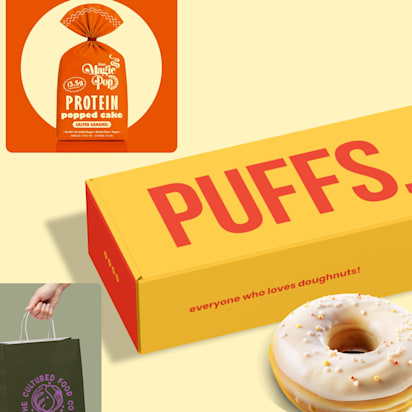
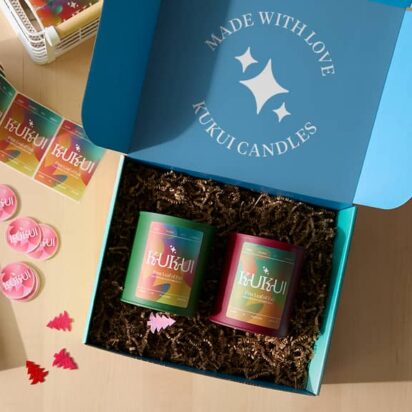
You can create good packaging design without expensive custom production runs or complicated packaging systems. The goal is to make your food delivery packaging feel consistent, memorable and appropriate for your brand. Small businesses can often get there through a few well-chosen elements rather than a full redesign.Use color, typography and packaging texture strategically
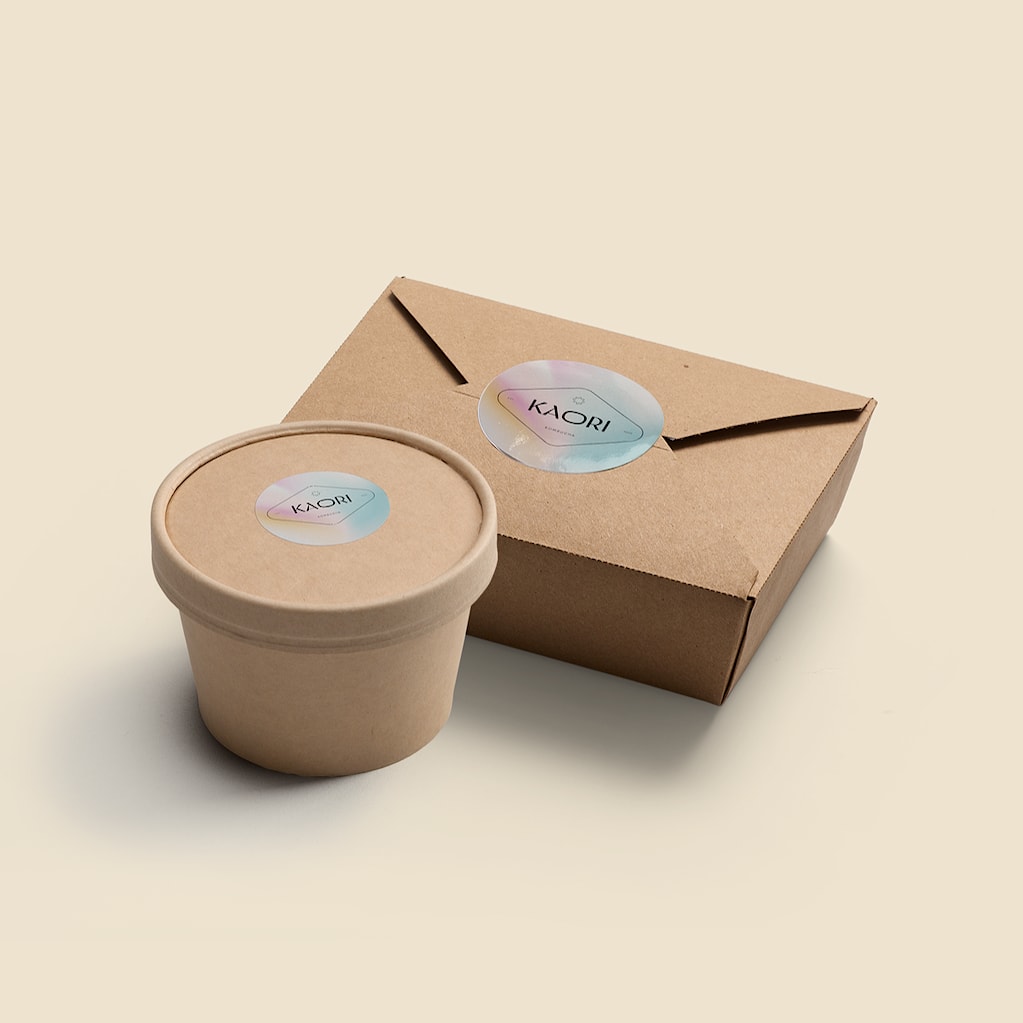
Kraft, bagasse, molded fiber and clean paper finishes all communicate something different before a customer even reads a word of your packaging design. Kraft can feel earthy and handmade, smooth white paperboard can feel modern and minimal, and molded fiber and bagasse can suggest practicality and eco-consciousness. Typography and color do the rest of the work. A bright label may feel energetic and playful, and a more muted palette with clean type can feel premium or refined. The key is consistency. When the bag, box, sticker and insert all feel like they belong to the same business, the brand experience becomes much stronger.
Add branded elements without overcomplicating production
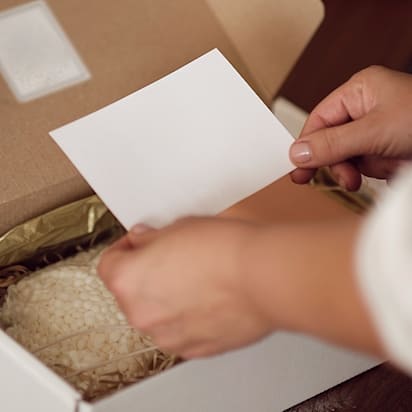
You do not need every element to be fully custom-printed. Stickers, labels, stamps, custom tissue, inserts and printed bags can all help create a branded experience in manageable steps, and for many small businesses, labels and stickers are the easiest starting point because they are flexible, affordable and easy to update. Prioritize the upgrades customers actually notice, like a sealed bag with a smart branded sticker, which may have more impact than a costly printed insert that gets ignored. The best approach is often to build gradually and focus on the touches that improve both the appearance and usability of your packaging.Is eco-friendly food delivery packaging worth it?
Eco-friendly food delivery packaging can be worth the investment when it supports both the performance of your product and your brand values. Customers increasingly notice packaging choices, but they also notice when sustainable formats do not hold up well in real-world conditions. A compostable container that leaks or a paper bag that softens too quickly is not a good customer experience.When sustainable packaging adds real value
Sustainable packaging can add real value for businesses whose customers actively care about recyclable, compostable or reduced-ink packaging. It can also reinforce a premium or values-led brand identity. If sustainability is already part of your product story, packaging is a natural place to make that visible. This can be especially effective when it is communicated clearly. For example, a short printed note, icon or QR link explaining the material choice can help customers understand the value instead of overlooking it.