
A strong marketing mix helps small businesses decide what to sell, how to price it, where to sell it and how to promote it. If you’ve ever wondered whether to raise your prices, sell through Instagram, improve your packaging, print flyers or test paid ads, you’re already thinking about your marketing mix.
In this guide, we’ll answer what a marketing mix is, break down the 4 Ps of marketing and show how small business owners like solo-preneurs, local shops and e-commerce brands can use the framework in real life. You’ll also get a practical audit checklist and small business examples so you can build a mix that feels doable, affordable and effective.
- Your marketing mix is the combination of Product, Price, Place and Promotion choices that shape how customers discover, buy and experience your business.
- The 4 Ps of marketing work together, so changing one element often affects the others.
- Small businesses don’t need huge budgets to build an effective mix; they need focus, consistency and a clear understanding of their customers.
- A good mix balances online and offline tactics, especially for brick-and-mortar shops that also sell or promote online.
- Regular audits help you spot what’s working, what feels outdated and where your next small improvement should happen.
What is a marketing mix, and why is it important?
A marketing mix is the set of choices a business makes around what it sells, what it charges, where it sells and how it promotes. For a small business, that might mean deciding whether your bakery should sell custom cakes online, whether your boutique should offer free shipping or whether your handmade jewelry brand should focus on TikTok, email or local markets.
Here’s why having a balanced marketing mix matters:
- Holistic strategy: Helps to create a cohesive and effective marketing strategy that aligns every aspect of your business – product, price, promotion and distribution.
- Targeted marketing: Enhances your ability to reach and engage your target audience, fine-tuning every element of your offerings to match exactly what your ideal customer wants.
- Competitive edge: Allows you to differentiate yourself from competitors and create a distinct market position by optimizing your business’s combination of the 4 principles of marketing.
- Effective resource allocation: Ensures resources are used where they’ll have the most impact, reduce waste, boost return on investment and achieve higher profitability.
- Adaptability: Provides the flexibility to quickly adjust your strategy in response to market changes, consumer behavior shifts or competitive pressures.
The 4 Ps of marketing
Before building your mix, you need to understand the four building blocks: Product, Price, Place and Promotion. First introduced in the 1960s, these are known as the 4 Ps of marketing. They don’t sit in separate boxes, they work like a chain reaction. Change your price and you may need to change your promotion, change where you sell and your product presentation may need a refresh.
| Principle | What it means | Small business questions to ask |
| Product | What you sell and the experience around it | Does this solve a real customer need? What makes it useful, better or more memorable? |
| Price | What you charge and how customers understand the value | Does the price cover costs and profit? Does it feel budget-friendly, premium or somewhere in between? |
| Place | Where and how customers buy from you | Should you sell in-store, online, through social platforms, at markets or through partners? |
| Promotion | How people discover and remember you | Which channels help you reach the right people without stretching your budget too thin? |
Product
The Product element of the marketing mix refers to the goods or services a business offers. It’s the cornerstone of any business strategy because, without a compelling product that meets customer needs, the other elements: Price, Place and Promotion, can’t achieve their full potential.
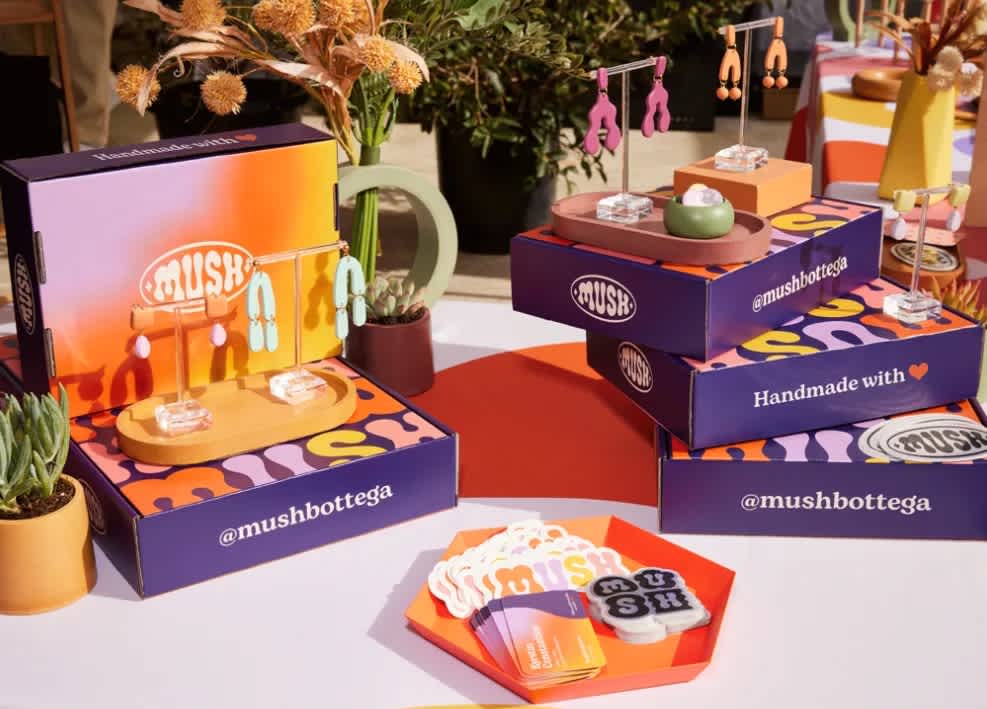
When working on the Product aspect of the marketing mix, businesses need to configure many elements, such as quality, product features, design, brand identity and packaging design.
For a small business, Product also includes the feeling customers get when they buy from you. A candle brand is not just selling wax and fragrance, it’s selling a cozy ritual, a giftable object and maybe a little moment of calm. A local bakery is not just selling bread, it’s selling freshness, comfort and the smell that makes someone walk in from the sidewalk.
Price
The Price element of the 4 Ps of marketing is all about balancing customer value with profitability.
Getting the Price right involves figuring out the following:
- Pricing strategy: The approach you take to set the price of your product or service, whether that’s based on competition, value or cost.
- Cost consideration: Ensuring the price covers production, marketing and distribution costs while allowing for profit.
- Price-based customer perception: How your pricing influences customer views of your brand and where your product sits in the market.
Price also affects your Promotion and Place. If you raise prices, customers may expect better packaging, faster service or a more premium buying experience. If you lower prices or are looking for ways to avoid price increases for customers while preserving profit, you may need more volume, which could mean selling through more channels or using promotions that drive repeat purchases.
Place
The Place element of the marketing mix refers to how and where your products are made available to customers. It’s about selecting the right distribution channels to ensure your Product reaches the right people at the right time, playing a crucial role in the success of your overall marketing strategy.
For a brick-and-mortar shop, Place is your storefront, local events, delivery apps or click-and-collect. For an e-commerce business, it’s your website, Etsy, Amazon, Instagram shop or seasonal pop-ups. The right answer depends on where your customers already like to browse and buy.

Promotion
The Promotion element of the 4 Ps is all about getting the word out and making your audience want to buy your product. It’s where you create buzz and generate excitement. Promotion is the lifeblood of your marketing strategy, shaping brand perception and driving sales.
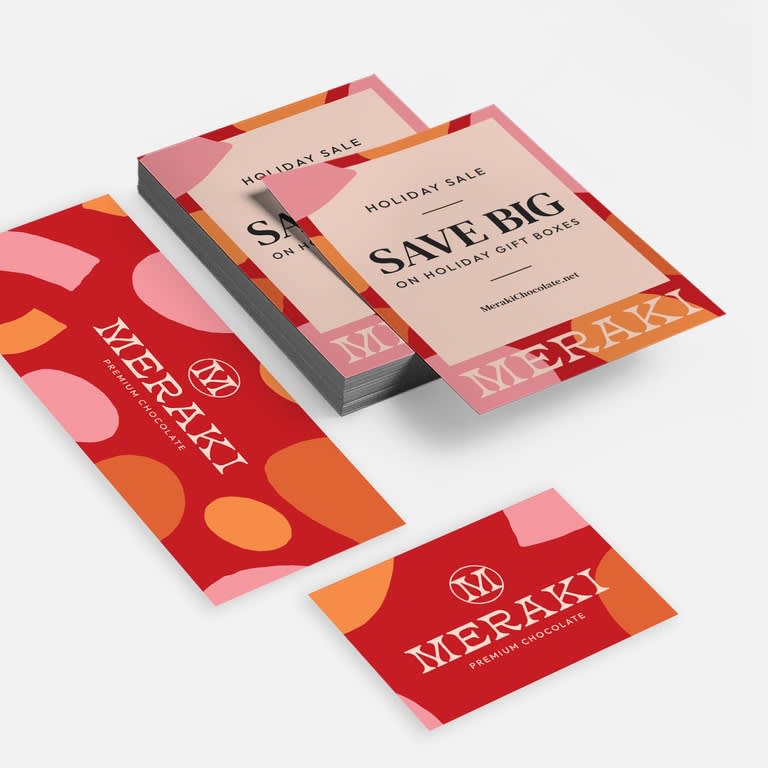
It includes ads, email, events, packaging inserts, local partnerships, direct mail, reviews and social media content. It also includes simple offline tools like window signs, postcards, loyalty cards and QR codes that connect in-person customers to online menus, booking pages or product collections.
Need some ideas? Here are 20 ways to promote your small business and 25 social media content ideas for small brands.
The 7 Ps of marketing: Service-based businesses
If your business sells a service rather than a product, the 4 Ps are expanded into the 7 Ps of marketing. The extra three Ps are especially useful for salons, consultants, restaurants, gyms, photographers and other businesses where experience matters as much as the offer itself.
- People: Your team, customer service and the human side of your brand
- Process: The behind-the-scenes systems that keep things consistent
- Physical evidence & packaging: Tangible brand details like packaging, signage, interiors, uniforms, receipts and printed materials
How to develop the perfect marketing mix?
Knowing the 4 Ps of marketing is a great start, but the real value comes from adapting them to your business size, budget and audience. A solo designer, local bakery and online boutique may all use the same framework, but their marketing mix will look very different. So, what makes a good marketing mix?
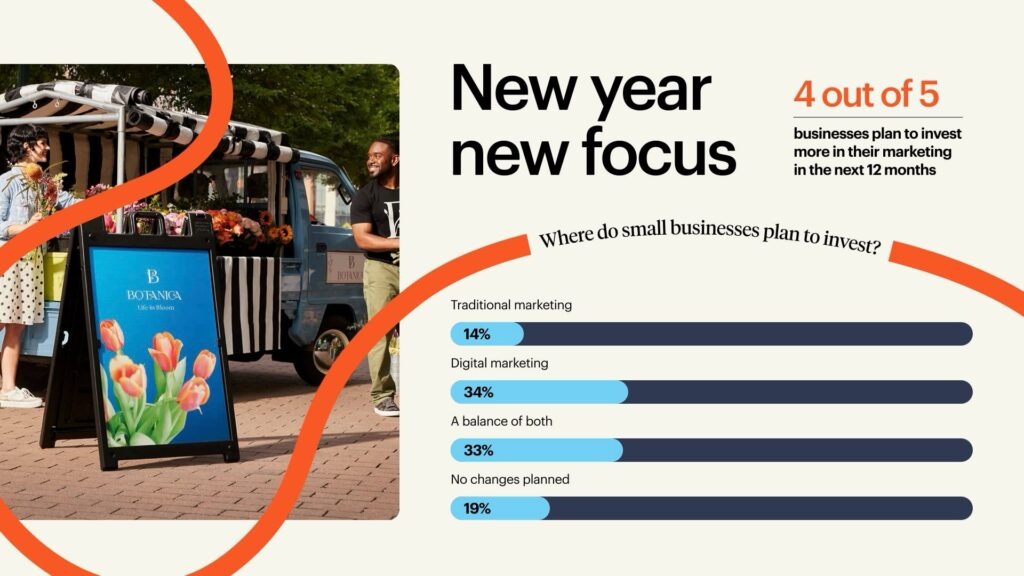
Marketing success isn’t about doing everything but rather choosing the few things that work well together for you and your business. VistaPrint’s Small Business Marketing Guide, in partnership with Wix, found that 33% of small businesses intend to use a mix of marketing methods, balancing digital and traditional marketing methods to find what works for them.
A strong small business mix is usually:
- Realistic: You can keep it going without burning out or overspending.
- Connected: Your product, pricing, sales channels and promotions support the same promise.
- Measurable: You can tell which offers, channels and messages bring in sales, leads or repeat visits.
Mini case study: Local bakery
Imagine a neighborhood bakery known for handmade pastries.
- The Product is fresh, local and giftable pastries.
- The Price is slightly higher than supermarket options because the quality and experience are better.
- The Place(s) are the storefront, weekend farmers markets and local delivery.
- Promotion includes window displays, email updates, loyalty cards and short behind-the-scenes videos.
If the bakery introduces premium custom cakes, the whole mix shifts. The Product becomes more personalized. The Price increases. The Place may include online ordering and scheduled pickups. And the Promotion could shift focus to weddings, birthdays and local event planners.
Mini case study: Online boutique
Now picture an online boutique selling small-batch accessories.
- The Product is curated and trend-led accessories.
- The Price needs to cover sourcing, shipping, returns and packaging.
- The Place(s) are the website, social shopping and occasional pop-ups.
- The Promotion may include email drops, influencer gifting, paid social tests and styling videos.
If the boutique starts selling at local markets, the Place changes. That may also change Promotion, because it now needs booth signage, printed lookbooks and local event posts. It may even affect Price, because in-person shoppers can touch the products and understand the quality faster.
Choosing the right channels for your marketing mix
You need to understand your target audience’s shopping preferences to choose the right distribution channels for your small business. Ask yourself these questions:
- Do they shop online, in-store or both?
- Do they buy on mobile, desktop or in person?
- Do they care more about fast shipping, easy returns or seeing products before buying?
- Do they prefer local businesses, convenience, price or personalization?
You can find these answers using surveys, polls, analytics platforms and social media management tools. Not just that, you also need to understand who they are and their essential demographics, as Dor Cohen, Distribution Expert for Wix.com, explains:
“Success lies in choosing the right channels where your audience is most active. Focus on the key platforms they use and ensure a seamless experience across those for the best impact.”–Dor Cohen, Distribution Expert for Wix.com
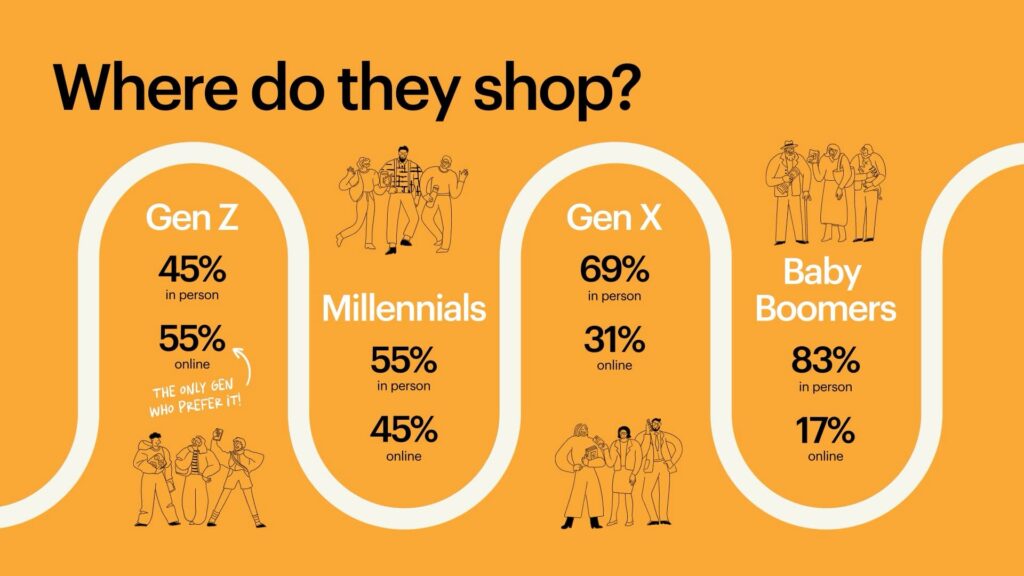
According to VistaPrint’s Small Business Marketing Guide, 55% of Gen Z shop online, compared to 31% of Gen X. However, that’s not to say Gen Z doesn’t value offline experiences. In fact, 45% shop offline as well. So, for businesses appealing to this demographic, a marketing mix of social media channels, e-commerce and events is the winning combination.
Balance online and offline channels
If customers move between online and offline shopping, your experience should feel connected. A customer might discover you on TikTok, scan a flyer, visit your website, pick up in-store and then join your email list. Keep the journey simple and focus on the few channels your audience actually uses.
Optimize for local and mobile discovery
Decide whether your product should be available locally, regionally, nationally or globally. Many small businesses are strongest when they start local, build recognition and expand from there.
Also make sure your website, online shop or booking page works well on mobile. If you sell through social platforms, explore features like Instagram or TikTok shops, especially for younger customers.
How to promote your products or services
The most successful product marketing strategies are those that tailor promotional efforts to the target demographic. For example, the Small Business Marketing Guide showed that social media is now the most effective way for businesses to promote their offerings to 18 to 54-year-olds.
With 66% of consumers saying they like finding new local businesses through social media, make sure you’re active on platforms like Instagram, Facebook and TikTok. Create engaging content and run targeted ads to reach your audience where they spend most of their time.
Think about different types of digital marketing. Here are 10 main types to consider:
- Content marketing
- Search engine marketing
- Display advertising
- Mobile marketing
- Social media marketing
- Email marketing
- Influencer marketing
- Affiliate marketing
- Video marketing
- Audio marketing
Just remember, you don’t need all of them. You need the right combination for your audience.
Invest in content marketing
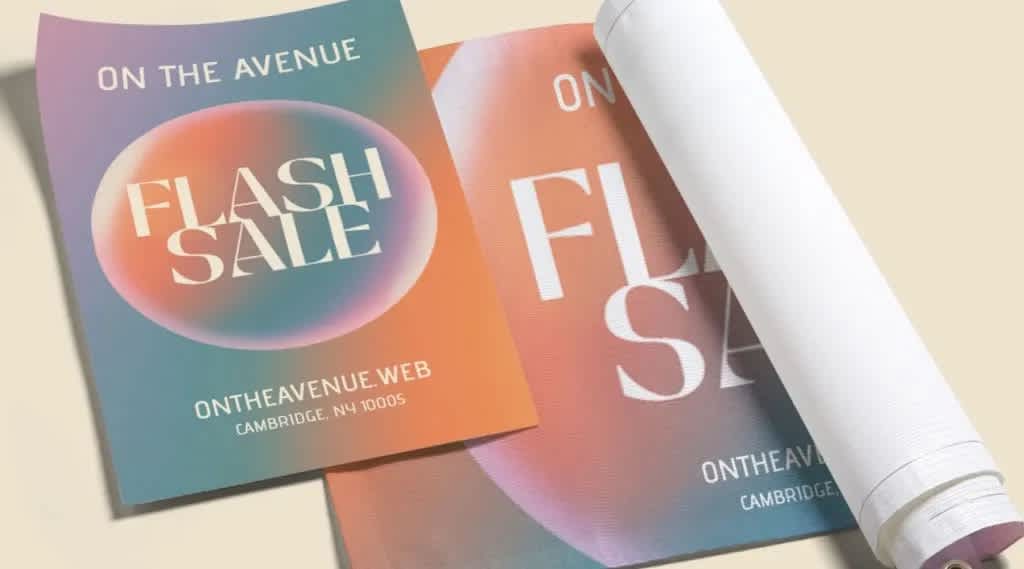
Content marketing helps build trust and gives customers a reason to come back. Create blog posts, videos, guides or product stories that match your audience’s questions and search behavior. This supports SEO too, which matters because search engines remain a key way people discover local businesses.
Diversify your channels
Use a focused multi-channel strategy that might include social media, SEO, email, events and print advertising. Younger audiences may respond well to social and search, while older demographics may prefer direct mail or print ads. The goal is not to be everywhere – it’s to show up in the right places consistently.
Offer promotions and loyalty rewards
According to the Small Business Marketing Guide, promotional discounts are the number one tactic that drives consumers to shop at small businesses. Limited-time offers can encourage action, especially when promoted across more than one channel.
Loyalty programs can also help encourage repeat purchases and referrals. Simple tools like stamp cards, referral codes, birthday offers or email-only discounts can make customers feel appreciated without requiring a huge budget.
Using AI and LLMs
As AI search tools become more established, small businesses should make their brand easy to understand, summarize and recommend. Keep your website, product pages and business listings clear and up to date, with simple details about what you sell, who it’s for, where you’re based and what makes you different.
You can also use AI to brainstorm campaign ideas, draft email subject lines, repurpose social posts or outline blog topics. Just make sure anything AI-assisted still sounds like your brand, stays accurate and feels genuinely useful.
What product features to focus on?
To strengthen the product element of your marketing mix, focus on features that resonate with customers and set you apart. Use surveys, social media polls, reviews and customer service questions to find out what people love, what they want improved and what makes them hesitate.
For 45% of consumers, product quality is why small businesses are chosen over big ones. So, design and market your product with quality and durability in mind, making your brand more appealing to customers.
Here’s how small businesses can create exceptional products that effectively capture consumers’ attention:
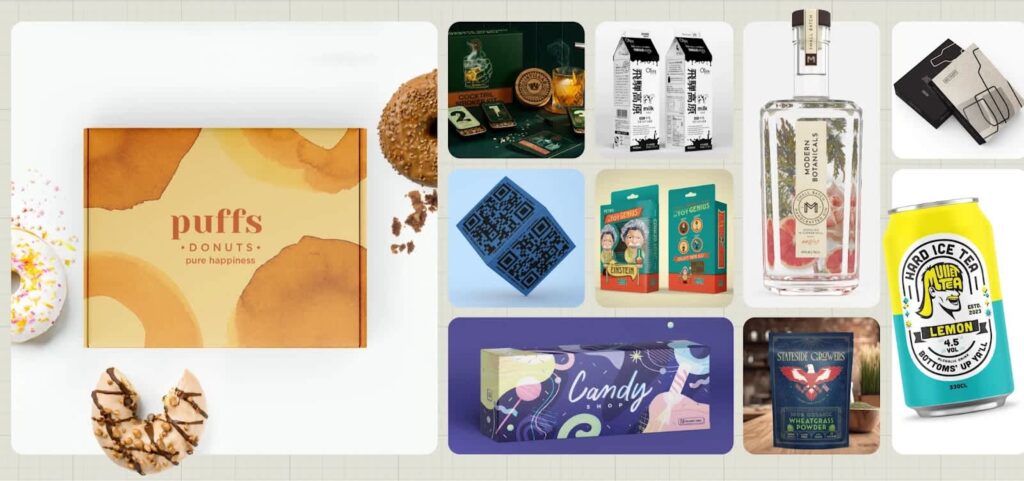
- Design: Use strong visuals, packaging and branding to make your product feel more polished.
- Trends: Stay aware of design, packaging, color, shopping and marketing trends that fit your audience.
- Customization: Offer personalization options like colors, names, bundles or design choices. Customization is particularly important when marketing to Gen Z.
- Innovation: Encourage small improvements based on customer feedback, even if they’re simple.
How to set a price?
When giving reasons for shopping small, 54% of consumers say they want to support the local economy. Setting competitive and transparent prices can attract customers while maintaining your brand’s value and profitability.
Start by calculating all costs, including materials, labor, marketing, shipping, packaging, platform fees and overhead. Then compare your pricing with your market position. If you’re premium, your price, visuals and experience should support that. If you’re value-focused, your pricing should feel accessible while still leaving room for profit.
Regularly review competitor pricing, but don’t race to the bottom. Instead, look for a balance where your product feels worth the price. Tiered pricing, bundles, seasonal offers and limited-time discounts can help you serve different customer segments without weakening your brand.
Most importantly, be clear about pricing. Hidden fees, unclear shipping costs or surprise add-ons can damage trust fast.
Here is a no-nonsense formula to help guide you.
Item price = (Costs x Desired Markup as a %) / Item or Service quantity

Marketing mix audit checklist for small businesses
Use this quick workflow to check whether your current mix is working or needs a refresh. If you’re just getting started, check out our full small business marketing checklist.
1. Review your product
Is this still what customers want most? Review bestsellers, slow sellers, reviews, refund reasons and customer questions.
2. Check your price
Does your pricing cover costs, support profit and match customer expectations? Check whether discounts are helping or training people to wait for sales.
3. Evaluate your place
Are you selling where your customers actually want to buy? A local shop may need stronger Google Business Profile visibility. An online seller may need a smoother mobile checkout.
4. Assess your promotion
Are your marketing channels bringing in the right people? Review email performance, website traffic, search visibility, social engagement, event results and printed materials.
5. Connect the dots
Do all four Ps support the same promise? If you sell premium products, your packaging, photography, customer service and pricing should feel premium too. If you compete on convenience, your checkout, delivery, booking or pickup process needs to be simple.
Ready to develop a balanced marketing mix for your business?
Creating a balanced marketing mix tailored to your specific business and market is essential for success. We’ve covered how to develop the perfect marketing mix by focusing on the 4 Ps: Product, Price, Place and Promotion. Remember, it’s not just about knowing these elements but fine-tuning each to fit your strategy and audience.
The best mix is not the biggest or flashiest. It’s the one that helps the right customers understand what you offer, trust your value and buy from you with as little friction as possible. Start with one small audit, make one useful improvement and keep testing from there.
Marketing mix FAQs
Why is the marketing mix important for small businesses?
The marketing mix helps small businesses make focused decisions instead of chasing every new idea. It keeps your offer, pricing, sales channels and promotions working together so your marketing feels clearer and more consistent.
How do I know if my marketing mix is working well?
Your marketing mix is working well if customers can quickly understand what you offer, why it’s worth the price and how to buy from you. Look for signs like steady sales, repeat customers, positive reviews, strong engagement across your main channels and fewer questions or drop-offs during the buying process.
How often should you review your marketing mix?
You should review your marketing mix at least once or twice a year, or whenever something major changes, like your prices, products, audience, costs or sales channels. A quick check-in helps you spot what’s working, what feels outdated and where a small adjustment could make a big difference.
Can a small business have more than one marketing mix?
Yes. A small business may need different marketing mixes for different products, audiences or locations. For example, a boutique might use one mix for everyday online shoppers and another for in-person pop-up events, where pricing, displays and promotions may work differently.
What is the biggest mistake small businesses make with their marketing mix?
One common mistake is changing one part of the mix without thinking about the others. For example, raising prices without improving packaging, service or messaging can confuse customers. A strong marketing mix works best when Product, Price, Place and Promotion all support the same promise.


