Brand marketing. You’ve probably heard the term thrown around by entrepreneurs and marketers alike. But what is brand marketing, really? It’s more than just advertising a product or service—it’s about shaping how people perceive your business as a whole.
When you define brand marketing, you’re talking about a strategy that builds recognition, trust and emotional connection with customers. Instead of focusing on a single product, brand marketing techniques create a bigger picture—your story, values and identity—so customers remember and choose you over competitors.
In this article, we’ll explore top global brands that have mastered brand marketing, break down key brand marketing techniques and share actionable insights to help you craft a strategy that works for your business. Plus, we’ll cover the role of social media and AI in shaping brand marketing, share helpful tools and discuss common mistakes to avoid for long-term success.
- Brand marketing builds recognition, trust and emotional connection by promoting your business as a whole rather than just individual products.
- Branding defines your identity and values, while marketing promotes your offerings through various channels.
- Brand marketing works best when it fosters long-term relationships, builds recognition and stays consistent across all platforms.
- To build a strong brand marketing strategy: define your purpose, research your audience, craft a compelling story, analyze competitors, establish brand guidelines, protect your brand legally and measure the ROI.
- Avoid inconsistency, neglecting competitor research and short-term thinking to create a lasting, successful brand.
What is brand marketing?
Brand marketing is the practice of promoting a business by building and maintaining a strong, recognizable brand identity. It focuses on creating an emotional connection with customers, increasing brand recognition and fostering long-term loyalty.
Unlike product marketing, which highlights specific offerings, brand marketing emphasizes the overall perception, values and mission of a company.
Brand marketing entails several key elements, including:
- Brand identity: Your brand’s visual and verbal elements of branding—including logo, typography and messaging—that create recognition.
- Brand story: The narrative that communicates your brand’s mission, values and journey.
- Consistency: Maintaining a uniform presence across all marketing channels, including digital and print.
- Emotional connection: Engaging customers in a way that builds trust and loyalty.
- Differentiation: Positioning your brand uniquely in the market to stand out from competitors.
B2B brand marketing vs. B2C brand marketing
While the core purpose of brand marketing is the same across industries—to build recognition, trust and loyalty—the way a brand expresses itself can look different depending on whether you’re speaking to businesses (B2B) or individual consumers (B2C). The biggest differences show up in messaging tone, decision-making timelines and what motivates your audience to choose one brand over another.
Here’s a quick overview of how the two compare:
| Aspect | B2B brand marketing | B2C brand marketing |
| Audience motivation | Driven by logic, ROI and operational efficiency. Purchases typically support business performance. | Driven by personal needs, identity, lifestyle and emotional benefit. Purchases support daily life, enjoyment or self-expression. |
| Decision-making process | Often longer, involving multiple stakeholders, approvals and research. Relationship-building matters. | Typically faster, personal and emotionally influenced. Brand recognition can directly impact impulse purchases. |
| Messaging tone | Educational, expertise-driven and focused on value, outcomes and long-term benefit | Relatable, memorable and emotionally engaging. Focused on how the product or brand makes someone feel. |
| Content formats | Case studies, white papers, comparison guides, webinars and thought leadership | Social content, influencer marketing, short-form video, lifestyle visuals and brand storytelling |
| Drivers of brand loyalty | Reliability, service quality and proven results over time | Positive brand meaning, community, visual identity and emotional alignment |
| Examples | A software company highlights productivity gains through testimonials and demos. | A fashion brand builds community and identity through creative campaigns and social engagement. |
What’s the difference between branding and marketing, and which comes first?
Good question. It’s important you understand the difference between marketing and branding, so you can efficiently use them together. In essence, marketing is how you build awareness of your brand and its products to generate sales. What is branding, then? It’s how you express who your business is for and what it’s all about.
Think of marketing as your business-generating toolkit and branding as your overall approach to reaching your target audience. Branding is one of the primary building blocks of your marketing strategy, so it will always come first. If your brand was KFC, your branding would be the “secret herbs and spices,” and your marketing would be everything you do to get your customers excited to try your chicken, like your TV and radio ads, billboards and social media ads.
No matter what industry you’re in or how large you aim to grow, it’s important to work out who your business is as a brand before you create a marketing plan.

Source: Brand guide design by Ludibes via 99designs by Vista
The first step is clearly identifying your company’s personality. In other words, defining your brand. This means carefully choosing your illustrations, logo, typography and business colors to embody your brand’s values. For example, if you’re a bold brand, you’d likely choose a bright color palette and a punchy copy voice. If you’re a timeless, traditional brand, you’d probably go with more muted colors and a sophisticated font for your website and email template. These design choices are the foundation for your marketing strategy.
When is brand marketing most successful?
You’re in it for the long haul with brand marketing. It works best when your goal is to create repeat buyers or to connect with buyers making long-term, expensive purchases like vehicles. This is because a clear brand creates recognition and ignites a distinct feeling about it that will stay with your audience forever.

Source: Flyer design by L.W Dezigns via 99designs by Vista
Let’s take a global brand like Colgate, for example. A tourist will know they can trust Colgate toothpaste to keep their teeth clean wherever they are in the world. Colgate has taken a unique approach to its brand marketing over the years, deciding to educate its audience rather than just push products to them. For example, the brand started the Oral Care Center YouTube playlist, which hosts a series of videos about oral hygiene. On its website, the brand also posts articles about oral hygiene, and it shares important facts about how to care for your teeth in advertisements, particularly across its social media platforms. This brand marketing strategy has helped Colgate not only sell toothpaste, but also become one of the most trusted oral care brands around the globe.
The more thorough you are in your brand marketing strategy, the greater your likelihood of thriving when you execute those strategies. Investing in a solid brand marketing strategy now will make your future marketing campaigns easier to execute because you’ll have guidelines to follow and past successes to build upon.
Here are three questions every business should answer when putting together their brand marketing strategy:
- Who is your target audience?
- What is your brand’s primary goal?
- How does your brand define success?
Understanding the answers to these simple questions will help define what your objectives should be, how you should talk to your audience and how you’ll measure your success.

Source: Logo and brand identity design by Ševarika™ via 99designs by Vista
How to create your brand marketing strategy
Brand marketing isn’t reserved for industry giants. Any brand, at any size, can pull it off with carefully chosen brand marketing techniques. Learn how to build your brand by following these seven steps:
1. Understand your brand purpose
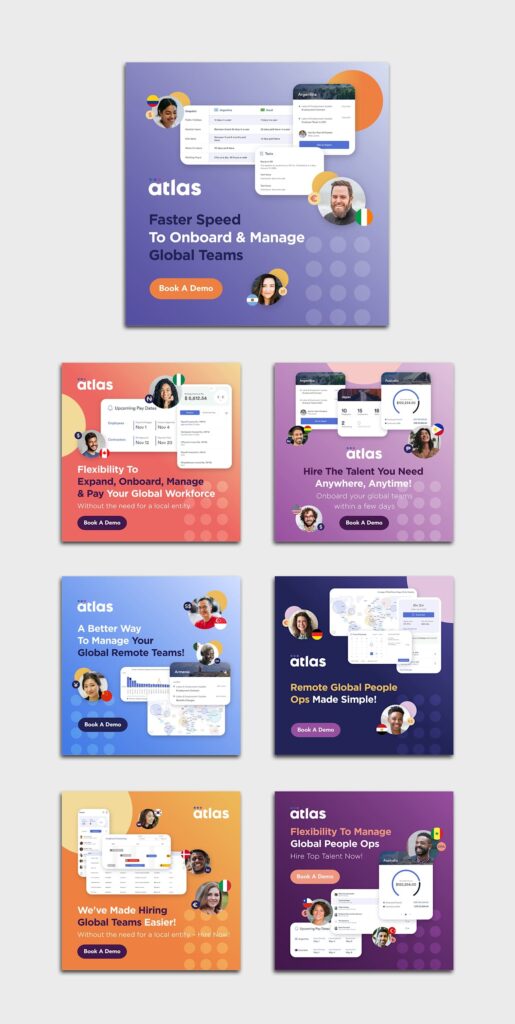
Source: Social media ad designs by velvetmade via 99designs by Vista
Understanding why your brand exists is core to your brand marketing strategy. Ask yourself these questions to help you nail your brand purpose.
- Who is your target audience?
- Why would they trust you?
- What does your brand make them feel?
- What challenge does your brand solve?
- Who are your competitors?
- What is your brand’s background story? Why was it created in the first place?
- If your brand was a person, who would they be and why?
This first step is where you’ll start defining how your brand will look and feel. This means choosing your brand color palette, typography and imagery. If you’re not already familiar with how to represent your brand persona through visual design choices, take a look at our resources on how to design a logo, logo color meanings, font choices, visual design styles and logo shapes.
2. Research your target market
Understand who your customers are by creating customer personas. A customer persona is a comprehensive picture of your perfect purchaser. It will help you create an emotional connection with your target audience. For example, if you’re selling small budget vehicles, your customer persona might be an 18-25-year-old female university student who’s looking for her first car. When crafting your customer persona, ask yourself questions such as:
- How old is this person?
- Are they married?
- Where do they live?
- What is your job?
- What do they do every day?
- What’s their educational background?
- What was their most recent purchase and where do they like to shop?
- What do they care about?
- What do they need from my product or service?

A clear vision of your ideal customer persona will guide everything from your business name to the art style you choose for your logo. Logo design by Desana via 99designs by Vista

This billboard tells the story of a city slicker being briefly transported to a tropical paradise by enjoying fruity, delicious wine.
Billboard design by MindArt89 via 99designs by Vista
3. Define and sell your story
You should tell your brand’s story with the right message. The story you craft and sell will connect your brand with your target audience, encourage loyalty and help with brand recall. Take time to really develop an engaging story that has all the same elements as your favorite novel or movie: characters, a conflict and a resolution. After all, brand storytelling is one of the most effective budget-friendly brand strategies for small businesses!
There are different ways to shape this story depending on what feels true to your business.
1. The Origin Story framework
Framework formula: Where the idea started → What sparked action → Where the business is now
This story explains the personal or practical beginnings of your business and the intention behind it. Use this when the reason your business exists adds emotional value or makes your offering more meaningful.
For example: Your grandparents opened a bakery decades ago, passed down their recipe and you now continue the tradition using organic ingredients for your community.
2. The Problem-Solution Story framework
Framework formula: The customer’s problem → Your insight → How your business solves it
This story focuses on the challenge your audience faces and how your brand steps in to offer an answer. Use this when your product or service fills a clear need or gap. It helps customers immediately understand the purpose of your brand.
For example: A skincare brand created after years of irritation and trial-and-error, now offers formulas designed for sensitive skin.
3. The Before-After Story framework
Framework formula: What life feels like before → What changes after choosing your brand
This story highlights the transformation you help create—emotional, practical or both. Use this when your offering leads to a noticeable improvement in how your customer feels or functions.
For example: A financial planner helps freelancers move from overwhelmed and uncertain to confident and in control.
4. The Customer-as-Hero Story framework
Framework formula: Customer’s goal → Their challenge → How your brand supports their success
This story puts your customer at the center, with your brand as the guide. Use this when your brand identity is rooted in empowerment and shared achievement—not self-promotion.
For example: A bike shop focuses on how riders gain confidence, freedom and joy through cycling, with the shop simply helping them get there.
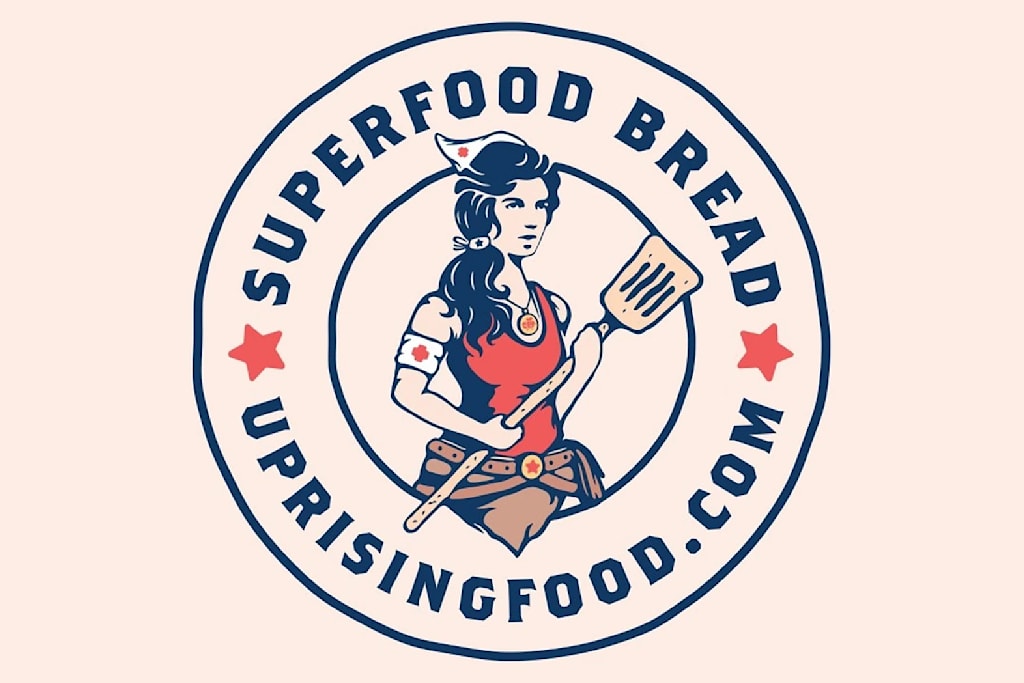
Sometimes, the story is more subtle—like in this logo for a keto bakery. Logo design by Asaad™ via 99designs by Vista.

If your brand’s weirdness is what sets you apart, don’t be afraid to get weird in your branding. Logo design by olimpio via 99designs by Vista
Whichever structure you choose, your story should answer three guiding questions:
- What motivated you to start this business?
- What do you want customers to feel when they interact with you?
- What positive change do you help create?
Once defined, carry your story throughout your brand marketing strategy—your website, packaging, social content and everyday communication. Consistency is what turns a story into recognition.
4. Get to know your competitors
Knowing your competitors is just as important as knowing your customers. Understanding what others in your space do—and how they do it—helps you define your edge and communicate it clearly. The goal isn’t to follow their playbook, but rather to see where you can stand apart.
Start with a simple audit. List three to five direct competitors and study their websites, social media, customer reviews and advertising. Pay attention to what they promise, how they position themselves and how people respond. Notice their tone, design style and customer experience.
Then ask yourself:
- What are they doing better than you—and why?
- What gaps are they leaving open?
- How do their visuals and language make customers feel?
- What do their customers consistently praise or complain about?
Once you gather this information, look for the gaps—the opportunities they’re missing that your business can own. For example, if your competitor focuses on being the cheapest, you could position your brand around reliability or craftsmanship. If they emphasize speed, you might lean into personal service or long-term value.
5. Create brand guidelines
Once you understand your brand and audience, think about how to connect them in your marketing. To do this, you need to create a brand style guide.
Brand guidelines act as the reference point for everything your business puts into the world—from social posts to product packaging. These guidelines keep your message on the right path—recognizable, even when multiple people are involved in creating your marketing materials.

Brand guidelines are an important part of brand marketing. Brand guide design by Terry Bogard via 99designs by Vista
A strong brand guide doesn’t need to be long or complicated; it just needs to be clear and specific. Here are the core elements to include:
- Logo usage: When to use each version of your logo design (full color, black, white), how much space should surround it and where it should never appear.
- Color palette: Your primary brand colors and any supporting or accent colors, along with their exact values (HEX, RGB, CMYK) for print and digital use.
- Typography: Which fonts to use for headings, body copy and captions—and guidance for when and how to pair them. Be sure to also include sizing guidelines!
- Tone of voice: A short description of how your brand sounds when it speaks. Include examples of sentences written correctly and sentences that don’t fit the brand.
- Imagery style: The types of photos, textures or illustrations that represent your brand. Specify what fits and what feels off-brand.
To help visualize what this looks like, here’s what a simple brand guide for a small business might include:
- Main logo + alternate logo variation
- Three primary brand colors + two accent colors
- One headline font + one body font with usage examples
- Short tone-of-voice description (e.g., warm, straightforward, helpful)
- A few sample images showing the “right” visual feel
You need to remember that instead of locking you in creatively, brand guidelines simply act as the guardrails that keep your identity recognizable as you grow. When your brand looks and sounds consistent, your audience learns to recognize you faster and trust you sooner.
6. Protect your brand identity and assets
Creating brand guidelines helps you present your brand clearly and consistently, but guidelines alone don’t prevent misuse. To protect the identity you’ve built, you also need to secure your core brand elements legally and monitor how they’re used in the world.
Start by trademarking the key parts of your brand: your business name, logo and any signature taglines. This ensures other businesses can’t use them in a way that causes confusion or weakens your distinctiveness. Registration requirements differ by region, so it’s worth reviewing your local trademark process or speaking with a legal professional to confirm what applies to your business.
It’s also worth keeping an eye on where your brand appears online. This includes checking for:
- Unauthorized social media accounts using your name or logo
- Domain name lookalikes designed to mislead customers
- Unapproved use of your imagery or messaging
Many small businesses set up simple alerts or use basic brand monitoring tools to track mentions and flag anything suspicious.
If you work with freelancers, agencies or partners, include clear usage terms when sharing brand assets. This can be as straightforward as a one-page brand asset release explaining how your logo, photography, tone of voice and templates should be used. It keeps everyone aligned and avoids inconsistencies later.
7. Measure the ROI of your brand marketing strategy
While brand marketing builds value over time and may seem rather abstract, it can still be measured. Once your identity and messaging are in place, track how people respond to see whether your strategy is working.
Focus on the following core indicators to judge performance:
- Brand awareness: Keep an eye on how familiar people are with your brand based on social impressions, branded search volume and online mentions that signal recognition and recall.
- Engagement: Follow how well your content resonates with people by tracking comments, shares, saves, profile visits and time spent on site that show interest and connection.
- Loyalty: Monitor how strongly customers feel about your offerings by looking at repeat purchases, referrals and reviews that demonstrate trust and ongoing satisfaction.
- Conversion: Check for changes in sign-ups, inquiries or orders especially those influenced by familiarity with your brand, like from branded search and organic channels.
To calculate overall return, use a simple formula:
ROI = (Brand-driven revenue – Brand marketing cost) / Brand marketing cost × 100
The goal is steady strength and recognition, not overnight results. Tracking these signals over time shows how your brand is growing and where your strategy is contributing most.
Get inspired with these budget-friendly brand strategy ideas for your small business.
The role of social media in your brand marketing strategy
Social media has become one of the most important spaces for building and maintaining brand perception. It’s where brands shape how they’re seen, share their voice and stay part of everyday conversations. Even global companies use social platforms to strengthen recognition and relationships with their audiences.
For small businesses, social media serves the same purpose, only at a lower cost and with a more direct connection to customers. According to the 2025 Small Business Marketing Guide by VistaPrint, social media is one of the top three tactics small business owners say is driving results today. It gives brands a place to express personality, clarify values and build familiarity in a way customers can easily recognize.
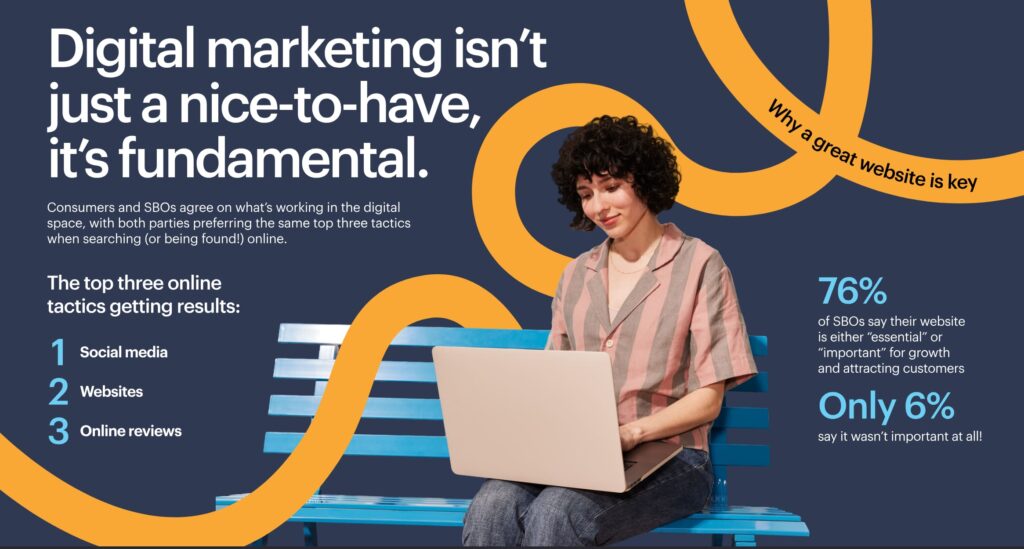
Generational behavior highlights its importance. 49% of Gen Z discover new brands through social media, which makes it a key environment for reaching younger audiences.
Social platforms also give you something traditional advertising rarely could—direct interaction. You can answer questions, respond to comments, share customer stories and have real conversations that build trust and familiarity. Over time, this sense of connection is what strengthens loyalty and encourages repeat purchases. In fact, 38% of consumers say that interacting with a business on social platforms is what keeps them returning.
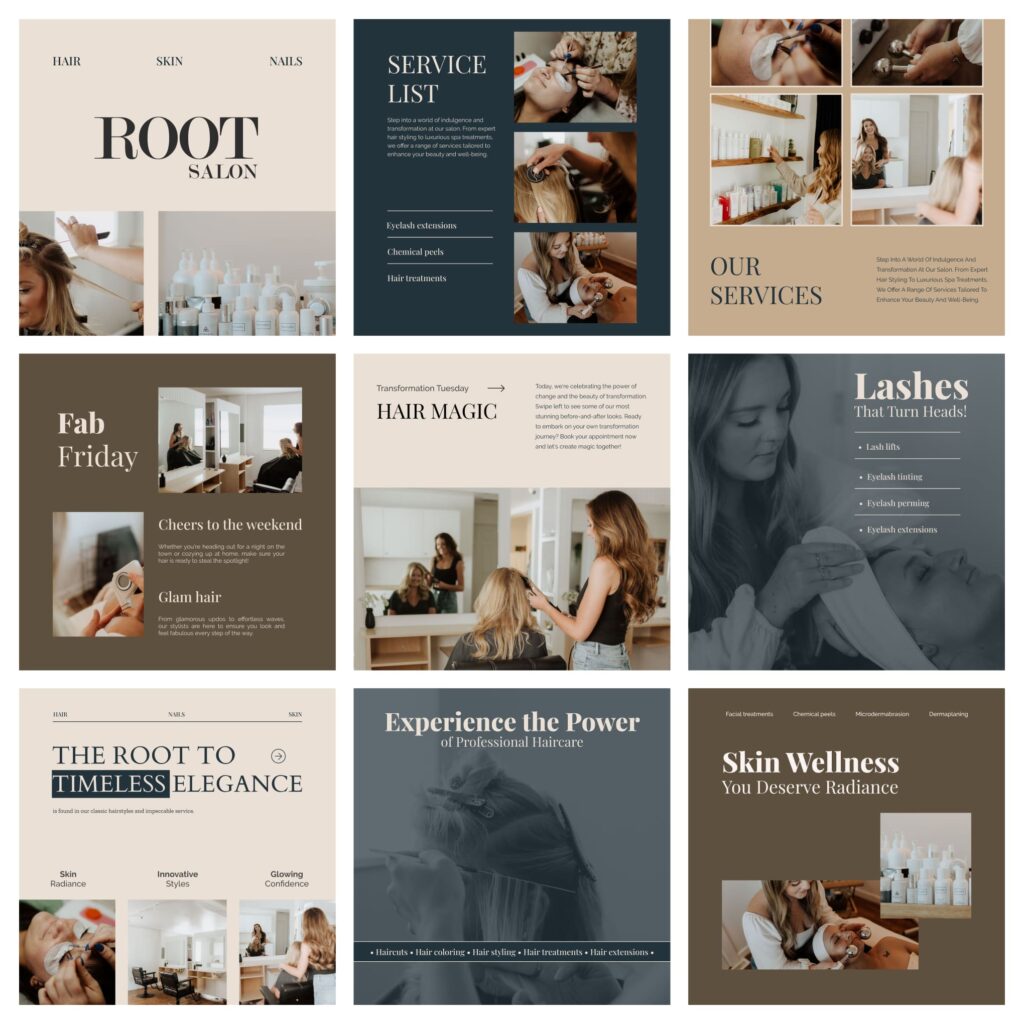
Source: Social media post designs by mightycreative via 99designs by Vista
Below are platform-specific brand marketing techniques to help you build a strong, cohesive brand presence on social media:
| Platform | Best for | Brand marketing techniques | Content ideas |
| Visual storytelling and lifestyle branding | Use consistent colors, fonts and layout templates. Focus on telling one clear story across Reels, Stories and posts. | Behind-the-scenes photos, product styling posts, how-it-started vs. how-it’s-going moments, Reels showing your process | |
| Community building and long-form conversations | Create Groups for customer discussion. Share longer captions that explain your values and origin story. | Customer spotlights, local event updates, community challenges, long-form announcements | |
| TikTok | Relatable, personality-driven, short-form video | Use humor or real-life storytelling. Be less polished—show the human side of your business. | Day-in-the-life clips, quick brand story intros, product hacks, reactions to trending audio |
| B2B brand credibility and thought leadership | Share your mission, expertise and lessons learned. Use a professional tone with a personal touch. | Founder insights, industry takes, customer case studies, hiring announcements | |
| Inspiration and brand mood setting | Create board themes that reflect your brand identity. Use searchable keywords in titles and descriptions. | Style boards, color palette inspiration, product mood boards, seasonal idea boards | |
| YouTube | Educational and long-form storytelling | Tutorials, how-tos and story-driven content build trust and connection over time. | Tips from your industry, documentary-style “origin” stories, demonstrations or behind-the-scenes edits |
Need inspiration for your social media publications? Check out our list of the best social media content ideas for small businesses.
What to avoid when you’re developing a brand marketing strategy
When you’re creating a brand marketing strategy, make sure you avoid these pitfalls:
1. Not checking out your competitors
Imagine creating a brand marketing strategy and rolling out your messaging through marketing materials, only to realize that your competitor has already branded or created a very similar approach. The best and only way to avoid it is to thoroughly research what everyone else in your industry is doing before you get started.
2. Being inconsistent with creatives
Having different creative executions each time you speak to your market might seem fun, but it’s actually confusing for your audience and damaging to your brand. For example, if you own a burger chain, you wouldn’t want to push a celebrity endorsement video at the same time as an animated ad about your ingredients. It would confuse your audience as they’re trying to recognize your brand. Not to mention, it’s more expensive to produce two creative assets than one.
The same goes for voice consistency across channels. Whether you’re talking to your audience on social media, via a print ad or in a video, you want to make sure your voice always sounds like your brand. Remember, even if you’ve seen your communications and messaging hundreds of times, your audience hasn’t.
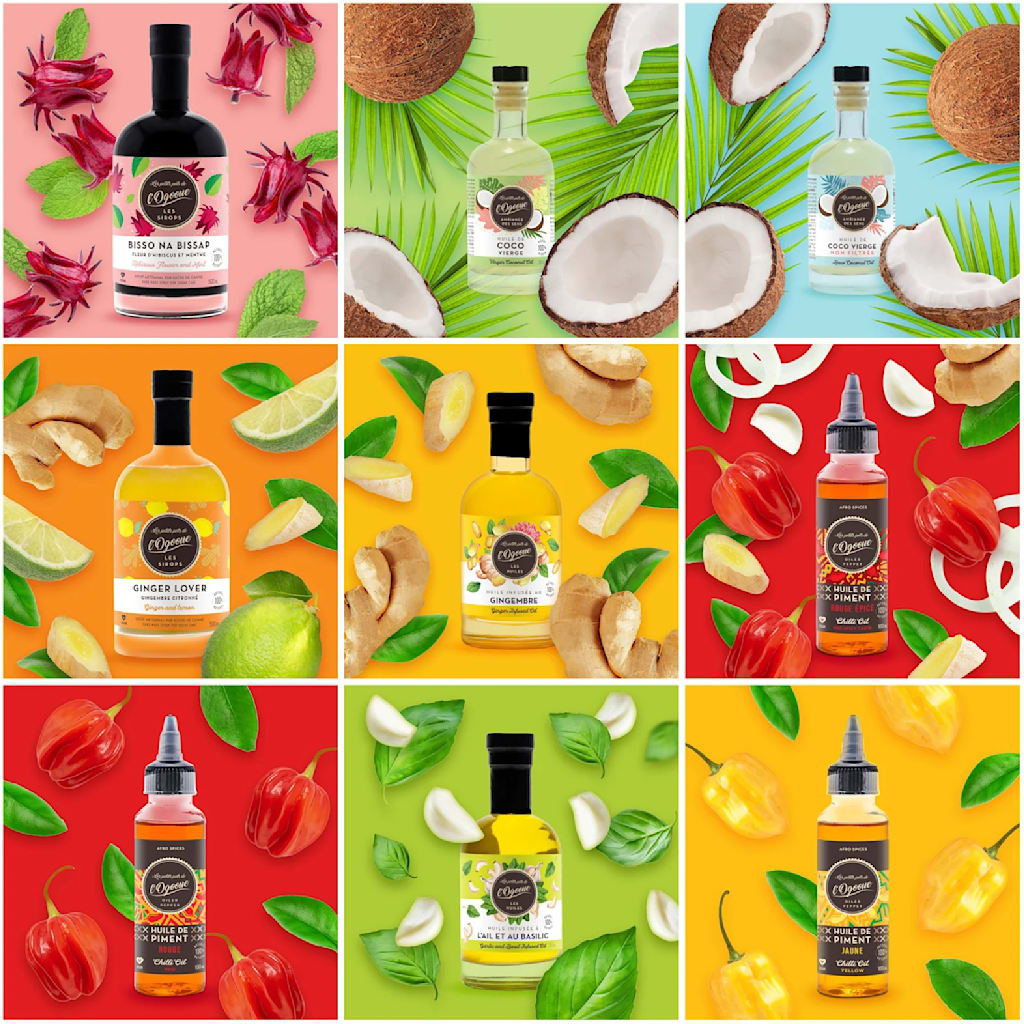
Consistent creative output is key to creating a strong brand marketing strategy. Instagram post design by Pepper Pack Design via 99designs by Vista
3. Lacking a long-term vision
Without goals and a brand mission, your branding strategy may lack direction. It’s important to know what you want to achieve in the long term rather than just having short-term goals. An example of a long-term goal might be expanding internationally, bringing new products to market or creating a large social media presence.

Cover everything in the brand guide, even branding needs you don’t yet have.
Brand guide design by Terry Bogard via 99designs by Vista
Brand marketing tools: free and paid
Consistently implementing your brand strategy, story and guidelines can be challenging without the right tools. The good news is, you don’t need an expensive tech stack to keep your brand organized and recognizable—there are plenty of free and paid options designed for small business needs.
The tools below support different parts of your brand marketing workflow, from visual design to scheduling to customer insight.
| Tool type | What it helps with | Paid options | Free options |
| Design and brand asset creation | Creating social graphics, marketing materials, ads and branded visuals | VistaCreate Pro, Adobe Illustrator, Adobe Photoshop | VistaCreate (Free), Figma |
| Social media scheduling | Planning and publishing posts consistently across platforms | Later, Hootsuite | VistaCreate (Free), Meta Business Suite, Buffer (Free) |
| Email marketing | Sending newsletters, nurturing relationships and sharing updates | Mailchimp (Paid), Klaviyo | Mailchimp (Free) |
| Website and landing page builders | Presenting your brand online in a clear, trustworthy way | Wix Premium, Squarespace | Vista x Wix (Free), Silex |
| Analytics and measurement | Tracking brand awareness, engagement and conversions | Google Analytics 360 | Google Analytics, Instagram Insights, TikTok Analytics |
| Brand monitoring | Keeping an eye on mentions and unauthorized use | Mention, BrandWatch | Google Alerts |
You can mix and match these tools based on your needs. Many small businesses start with free versions and upgrade only when the volume of content or customer demand makes it worthwhile. The key is choosing tools that support consistent execution—not more tools than you can manage.
If you prefer to streamline your workflows, there are also all-in-one platforms that combine multiple capabilities in one place. For example, you can access design, templates, resizing, content planning and scheduling in VistaCreate. This can be especially helpful if you have a small team or if you’re managing everything yourself.
Brand marketing examples: Learning from the best
Apple, McDonald’s and Nike are three brands that almost anybody in the world will recognize. How did they reach this point? Effective brand marketing with thoughtful brand marketing techniques.
Apple’s brand marketing strategy
Apple’s brand marketing strategy is simple. Don’t just create a brand, create a movement. In all of Apple’s marketing efforts, the company doesn’t just sell its newest phone or tablet, it sells a lifestyle. From the crisp white packaging and provocative taglines (“Think Different.” being one of the brand’s most famous) to the event-like product launches, Apple’s brand marketing makes people feel like they need Apple products to improve their lives.

Apple’s packaging is more than a brand, it’s part of a movement.
(via Swedbrandgroup)
This brand marketing strategy has created a dedicated fandom. Apple recognizes its fan base’s staying power and, with that in mind, never strays away from its comprehensive brand. Even when its marketing executions change, its clear, modern and innovative brand marketing strategy remains the same.

Apple’s product launches are events that excite the whole world. (via Financial Times)
Nike’s brand marketing strategy
Nike’s brand marketing strategy involves not just selling a product but selling a story. From its website and product descriptions to its social media, Nike takes every opportunity to tell a story about the brand’s products, beginning or ideas.
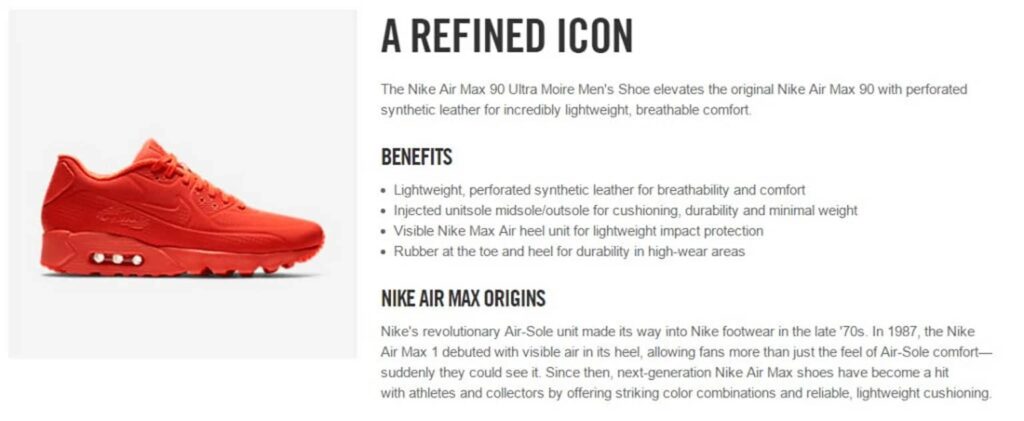
Nike is an expert at telling stories, from their social presence to their product descriptions. (via Entrepreneur)
Adding a storytelling element to your brand or giving your customers the background of your business story adds a human element to your business and may be a great marketing strategy for you. Remember, your story doesn’t have to be groundbreaking. Simply explaining where you came from and giving your customers something to relate to is far more influential than just selling a product.
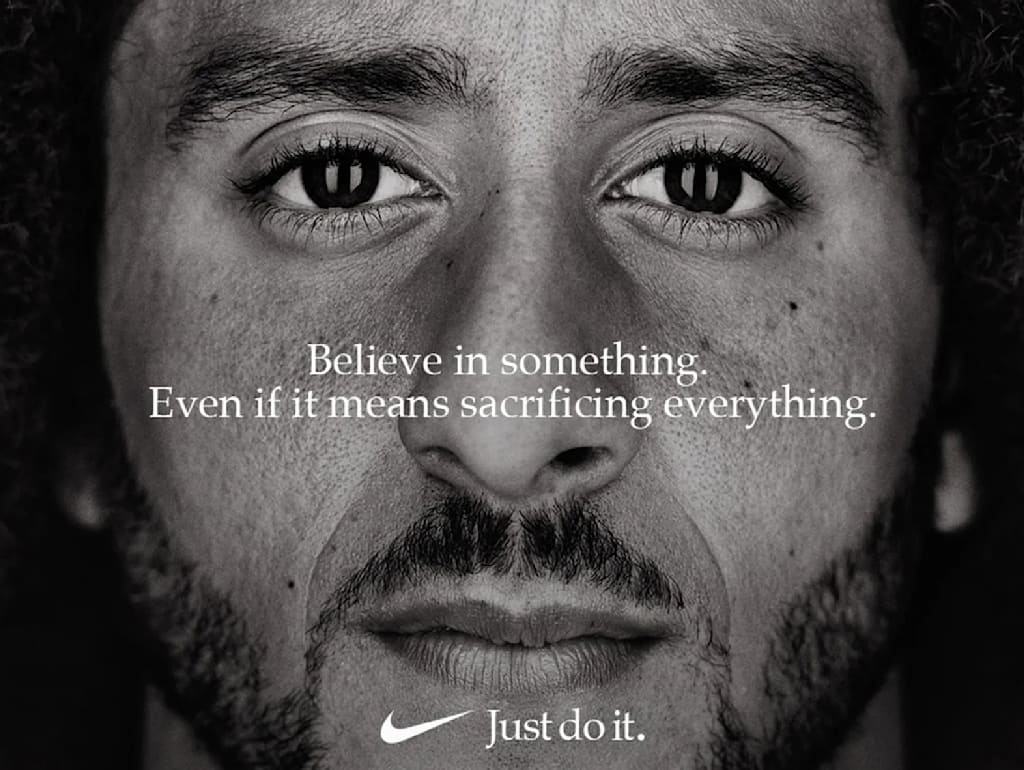
Nike’s print ads always do more than sell a product, they tell a story. (via Business Insider)
McDonald’s brand marketing strategy
According to numerous studies, McDonald’s is one of the most recognized brands worldwide. So, it’s no surprise that its brand marketing strategy relies heavily on brand consistency. Its golden arches are instantly recognized everywhere, all over the world, and evokes happiness for many.

When a brand is as big as McDonald’s, even merchandise without the company’s name is instantly recognizable. (via Hype Beast)
How has McDonald’s created such a distinguishable brand? Well, it’s kept its brand identity and product consistent for over 60 years while making thoughtful and on-brand improvements. The logo has remained relatively the same, and the marketing taglines have unrelentingly endorsed the same message: “McDonald’s makes you happy.” Here are a few ways the company has said it over the years:
- You deserve a break today (1971-1975)
- That’s my McDonald’s (1981)
- Have you had your break today? (1995-1997)
- Smile (2001-2003)
- I’m lovin’ it (present)
When you’re creating a brand marketing strategy, invest in something that has longevity. You don’t need to reinvent the wheel every time you create a new marketing campaign or make a logo. In fact, doing so could create more harm than good because inconsistency and extreme changes will likely confuse and even alienate your audience.
Want to learn how to brand a restaurant? Check out our guide to replicate the success of the best brands out there.
The future of brand marketing with AI
Yes, smaller brands usually don’t have the same budgets, in-house creative teams or data resources as global enterprises.
AI, however, is beginning to change that. It gives small businesses access to tools that streamline research, speed up content creation and uncover insights that were once locked behind agency retainers and enterprise platforms.
Here are some of the most practical ways it’s already supporting brand marketing:
- Content creation and variation: AI can help you generate headlines, captions and platform-specific versions of your content quickly, keeping campaigns consistent and on schedule. The trick is to refine and humanize the output so it stays true to your brand voice.
- Visual generation: Design tools powered by AI can create quick layout options, mood boards or imagery ideas when you need to test a new direction or meet tight deadlines. Though always measure results against your brand guidelines before going live.
- Audience listening: AI monitoring tools scan reviews, comments and conversations to highlight how people perceive your brand in real time. Those insights reveal trends and sentiment shifts before they show up in your metrics.
- Predictive insights: By analysing past engagement data, AI can indicate what type of messaging or creative is likely to perform best next time—helping you make decisions based on patterns, not assumptions.
While AI can accelerate workflows, the human element remains essential. Your brand’s personality, tone, choices and values are what make you recognizable and trusted. AI can help you scale and refine those elements, but it cannot define them for you. The most effective brand marketing strategies in the future will be the ones that combine efficiency and insight with authenticity and consistency!
Good brand marketing is key to a successful business
Remember, whether you try to create a movement like Apple, tell a story like Nike or have great brand recognition like McDonald’s, the more thorough you are in your brand marketing, the simpler it will be to create, launch and grow with each of your marketing campaigns.
FAQ about brand marketing
What is brand marketing?
Brand marketing is about building recognition and trust for your business by promoting your brand’s identity, values and story—not just individual products or services. It’s what makes people connect with your business beyond the sale.
Why is brand marketing important for small businesses?
It helps small businesses stand out, build customer loyalty and create a lasting reputation. A strong brand makes marketing easier and more effective—people are more likely to buy from a business they recognize and trust.
How do you create a brand marketing strategy?
Start by defining your brand’s purpose, values and target audience. Then, craft a consistent brand identity (logo, colors, messaging) and use marketing channels like social media, content and advertising to share your brand story.
What are some effective brand marketing tactics?
- Storytelling: Make your brand relatable with an authentic narrative.
- Consistent visuals and messaging: Keep branding uniform across platforms.
- Social media engagement: Interact with your audience and build relationships.
- Content marketing: Share valuable blogs, videos and guides.
- Influencer partnerships: Leverage trusted voices in your industry.
How can small businesses measure the success of brand marketing?
Track brand awareness (social media mentions, website traffic), customer engagement (comments, shares, reviews), loyalty (repeat purchases, referrals) and brand equity. Surveys and direct feedback also help gauge brand perception.