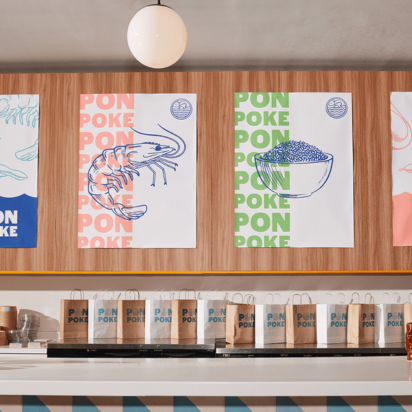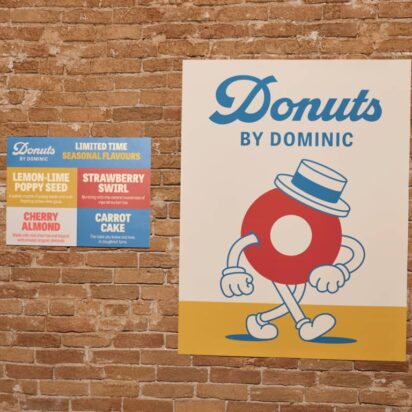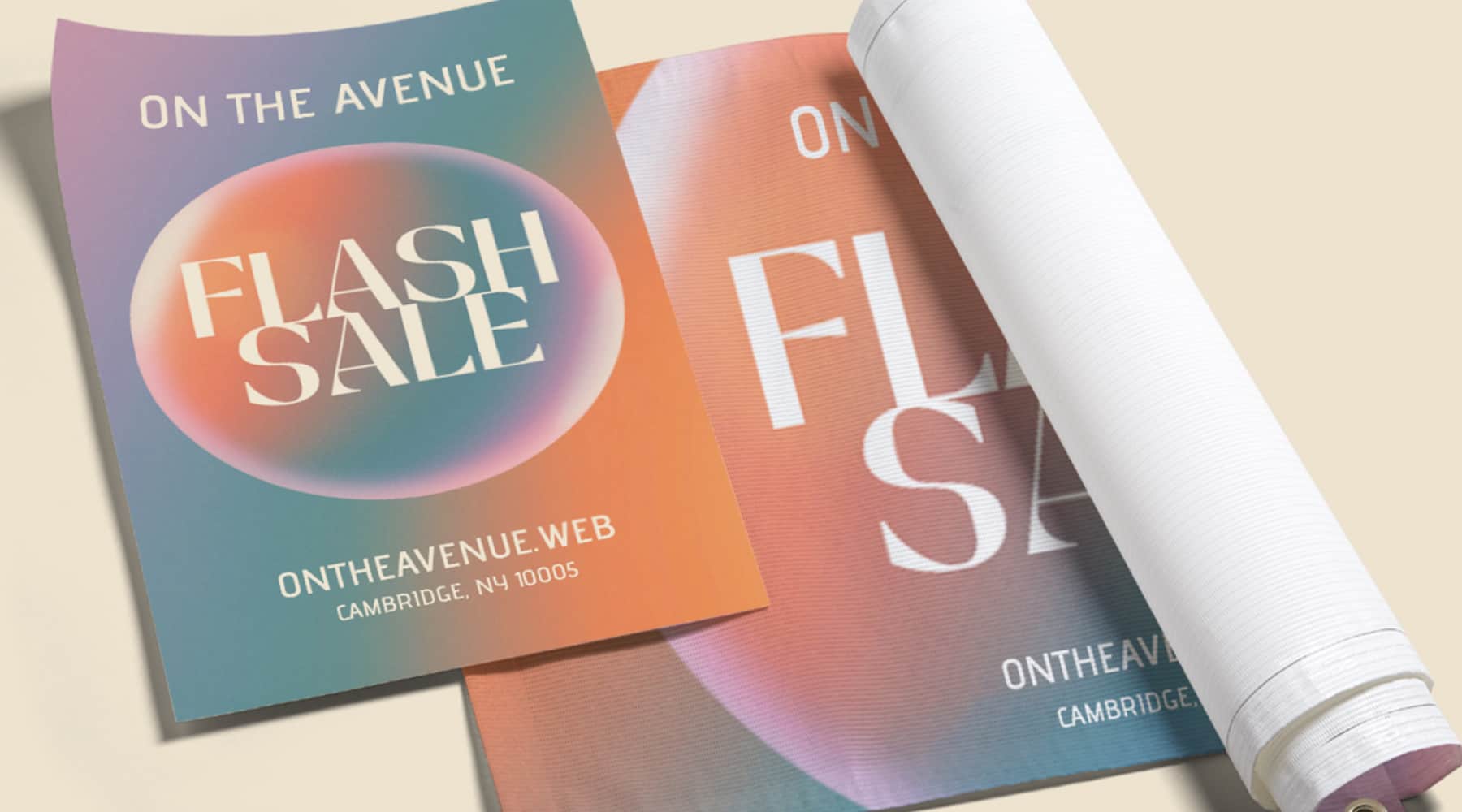
Nearly eight in 10 Americans (79%) say they’ve noticed a business poster in the past six months. That’s a clear reminder that posters haven’t lost their power, even in a world where digital ads seem to be taking the lead. In September 2025, VistaPrint surveyed 1,000 people across the U.S. to learn what actually makes a poster catch someone’s eye, hold their attention and drive them to act. The results show that smart design, clear messaging and professional printing can make all the difference. Here’s what today’s consumers told us, from where posters get the most visibility to what designs inspire people to engage with them.
- 79% of people notice business posters, and they’re still seen as one of the most effective local marketing tools.
- Clear design is the key to creating eye-catching visuals and layouts, and these posters outperform cluttered designs every time.
- Discounts, deals and job opportunities are top attention-grabbers for business posters.
- Quality builds trust, and nearly seven in 10 survey respondents say that professional printing matters for brand credibility.
- QR codes work. Most consumers scan them when they know there’s something valuable behind the link.

Posters work, and people really notice them
Our survey found that 79% of people have noticed a business poster in the past six months. That means posters are still one of the most visible and trusted forms of local marketing, especially when compared to crowded digital channels.
When asked how posters stack up against other types of promotions, 34% said they’re somewhat more effective and 19% said they’re much more effective. For small businesses, that’s proof that posters still stand out, build awareness and drive real action.
Learn more about the different kinds of posters and what will work best for your business in our guide to types of posters.
Where and what people notice most in business posters
Visibility and message go hand in hand. According to the survey, people most often spot posters outside storefronts (64%), in community spaces like gyms or libraries (48%), and inside malls or shopping centers (44%). Sidewalk boards and transit areas also score high at 43% each. The takeaway here is that the more foot traffic there is in an area, the more likely people are to notice your business.
But where you place your poster is only half the story. What you say on it matters just as much. Discounts (55%), hiring notices (54%) and restaurant or cafe promotions (50%) were the most noticed types of business posters. This shows that “value-first” messages–offers, opportunities and useful information–are what make people stop and look.
Generational differences play a role, too. Gen Z is especially drawn to hiring and seasonal promotions, while Millennials and Gen X tend to focus on discounts and restaurant deals. The key is to consider the best placement for your posters to reach your audience. For example, you could place a “We’re hiring” poster near a campus board, while a discount poster will likely perform better near a store entrance, and a restaurant special displayed on a sidewalk board is likely to attract customers.

Tailor posters to your business type
How your poster looks and what it promotes should depend on the type of business you’re running. When you show people value upfront, whether that’s a discount, experience or reason to visit, they’re more likely to remember your brand.
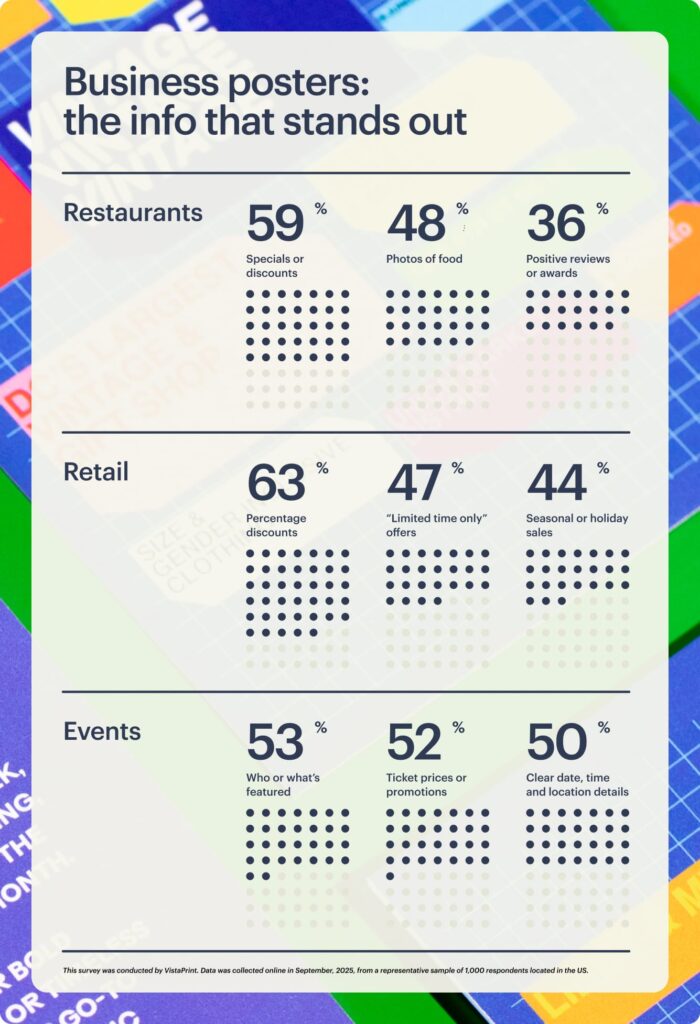
- Restaurants: People are most motivated by specials or discounts (59%), photos of food (48%) and positive reviews or awards (36%).
- Retail: Shoppers respond best to percentage discounts (63%), “limited time only” offers (47%) and seasonal or holiday sales (44%).
- Events: People look for who or what’s featured (53%), ticket prices or promotions (52%) and clear date, time and location details (50%).
Match your message to your audience
Younger audiences like Gen Z and Millennials are drawn to digital touchpoints such as QR codes and bold visuals, while older generations, especially Boomers, care more about legibility and print quality. Understanding these nuances helps you design posters that feel relevant to everyone who passes by.
Want to explore sizing options that suit your space? Check out our poster size guide.

Design matters more than you think
When it comes to design, simplicity wins. The survey revealed that 59% of people are drawn to eye-catching images or graphics, 46% to large, easy-to-read text and 41% to bright or contrasting colors.
When people glance at a poster, they usually notice the image first (30%), followed by the main headline (25%) and then the business name or logo (14%). That means your visuals and text should work together to deliver a clear, immediate message.
Visual clarity over visual clutter
Too much text (43%), hard-to-read fonts (37%) and an unprofessional look (32%) are the top reasons people ignore posters. The fix is simple: keep your design clean, choose high-contrast colors and focus on one core message.
Use a clear visual hierarchy–image first, headline second, details last–and resist the urge to overfill your space. A well-designed layout looks confident and draws attention without shouting. Create eye-level designs for pedestrians and larger prints for passing traffic, as the size of your posters makes a big difference.
Get step-by-step design tips in our guide on how to make a poster.

How do people act after seeing your poster?
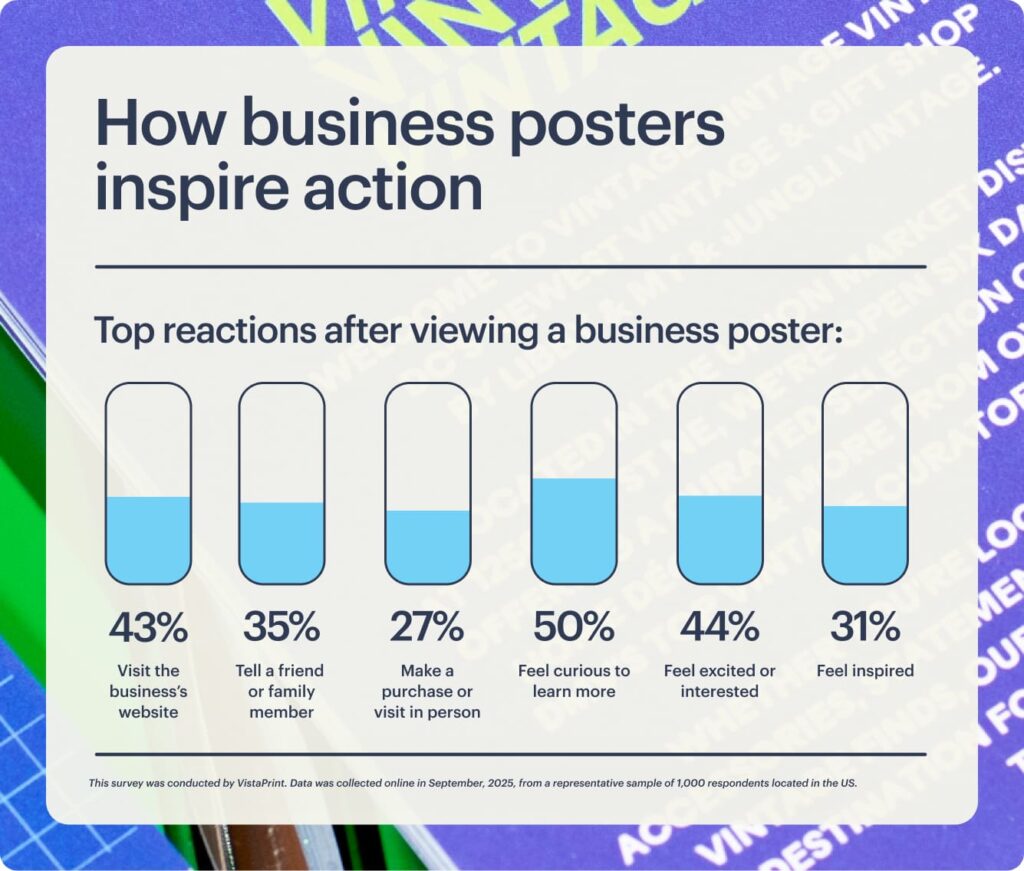
Business posters inspire action. After seeing a poster, 43% of people said they visited the business’s website, 35% told a friend or family member and 27% made a purchase or visited in person.
Beyond measurable actions, posters also create emotional responses. Half of the respondents (50%) felt curious to learn more, 44% felt excited or interested and 31% felt inspired. These emotions all translate into engagement, loyalty and word-of-mouth marketing.
Professionalism builds trust
A poorly designed or low-quality poster can do more harm than good. Our data shows that 39% of people view poorly made posters as a sign of a low-quality or untrustworthy business, and 38% see them as unprofessional.
On the flip side, 68% said professional print quality is important; 38% rated it “very important” and 30% said “extremely important.” Glossy finishes were most commonly associated with professionalism (28%), but what matters most is sharp printing, clear colors and durable materials.
You can explore polished, professional posters in our poster design collection and discover templates for your own posters in our poster gallery.
QR codes bridge the gap between print and digital
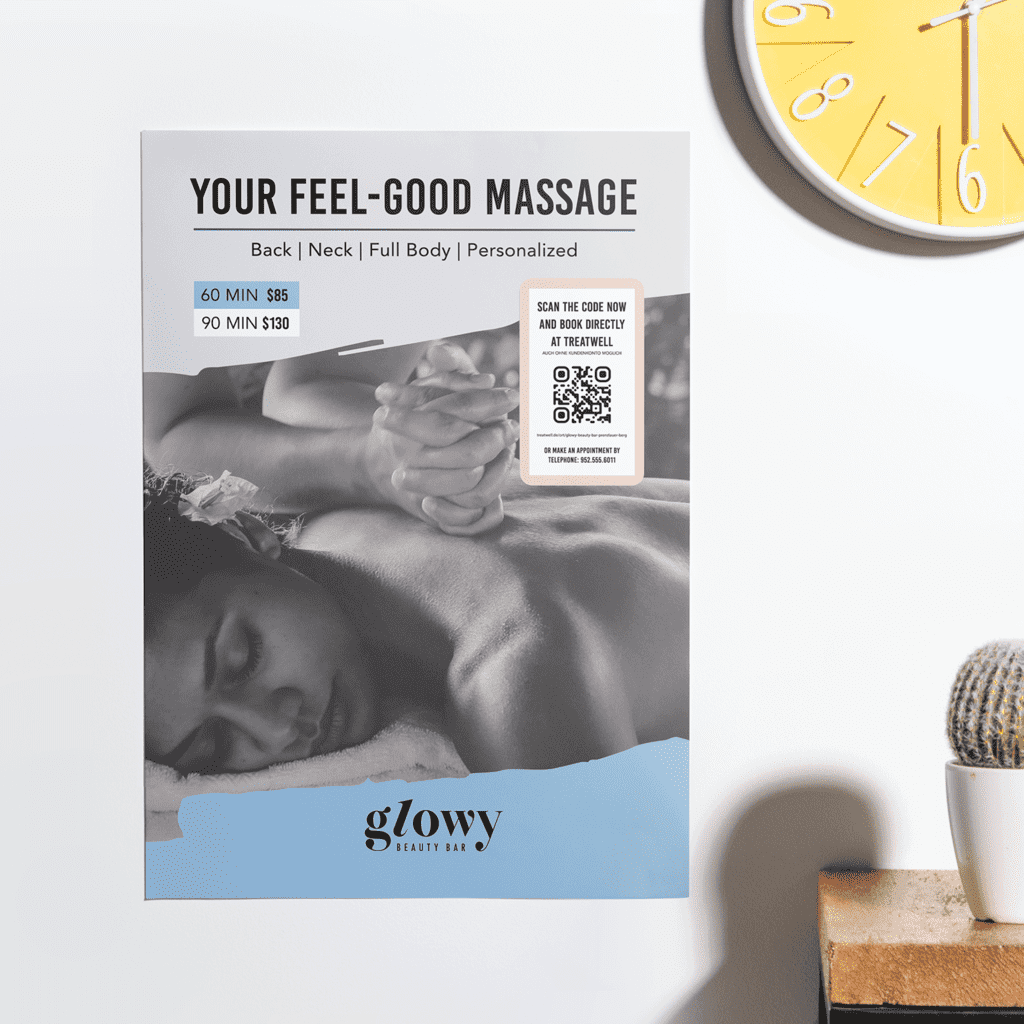
Two-thirds of respondents have scanned a QR code from a poster at least once, and 75% said they’re likely to do it again in the future. It’s a clear sign that QR codes are now part of how people interact with local advertising. The biggest motivators to scan are exclusive discounts (61%), menus or product information (48%), and easy RSVPs or event registration (29%).
That means if your QR code leads to something useful, people will take the time to scan it. So offer something tangible, like a discount code, a digital menu or an RSVP link. Millennials and Gen Z are most likely to scan, so keep QR codes large, accessible and linked to a short, mobile-friendly URL. And always test your QR before printing to make sure it works flawlessly.
Generational insights
When you know who you’re talking to, you can fine-tune both the design and tone of your business posters, whether that’s vibrant and playful for a younger crowd or clean and professional for an older audience.
Here are some generational insights to consider when designing your business poster:
- Gen Z responds to hiring posters, seasonal promotions and QR-driven designs.
- Millennials engage with digital crossovers and creative, design-led posters.
- Gen X prefers clear messaging, restaurant promotions and readable text.
- Boomers prioritize print quality, fonts and professional finishes.
Business posters still matter
Posters are one of the most visible, cost-effective ways to promote your business. They’re accessible, visual and memorable, especially when designed with purpose and printed professionally. In an omnichannel world, posters still bridge the gap between physical and digital. They can carry QR codes, use sustainable materials and showcase creative finishes that make your brand impossible to ignore.