Corporate event planning can be overwhelming when you are balancing budgets, deadlines, vendors and expectations. Let’s make it easier and break it into clear phases, then build from the inside out.
This corporate event planning guide walks you through how to plan a corporate event from early strategy to branded materials to final rehearsal and post-event follow-up, so you can create something polished, practical and worth the effort.
- Corporate event planning gets easier when you break it into phases: define audience and goals first, lock in budget and logistics next, then build branded materials, rehearse thoroughly and measure results after the event.
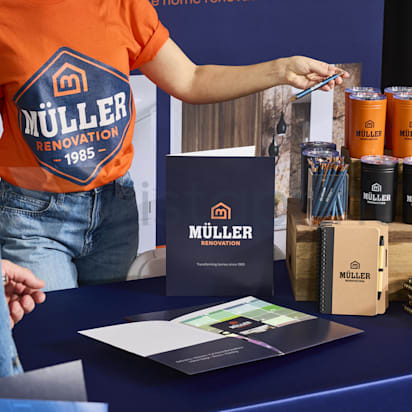
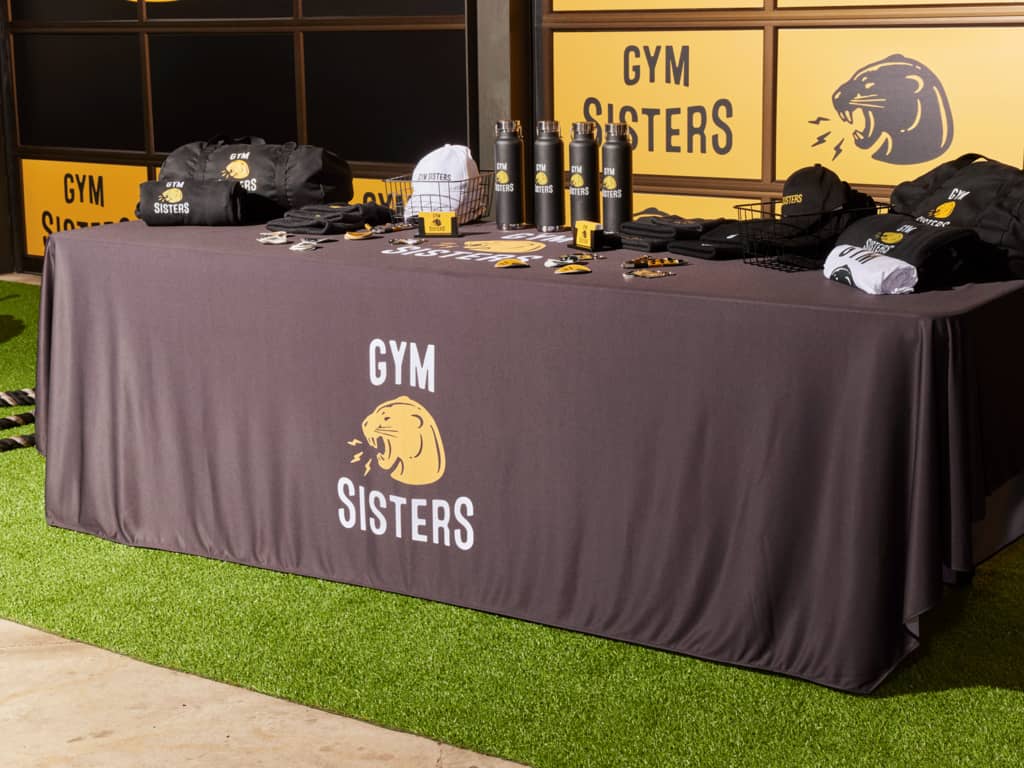
- The best corporate events feel like a natural extension of your brand, from signage and printed materials to booth design, schedules and attendee touchpoints.
- A simple contingency plan can protect your budget and attendee experience when timelines slip, vendors cancel or technology fails.
- To measure success, tie event goals to a few clear metrics early, then track outcomes like attendance, leads, engagement and revenue after the event.
- Hybrid formats, personalization and more intentional attendee experiences are shaping modern event planning, so it helps to build flexibility into your plan from the start.
What is a corporate event?
A corporate event is any event a business hosts or participates in to build relationships, promote a brand, educate an audience, support employees or drive growth. For small business owners, that might mean a networking event, workshop, product launch, trade show or hybrid event with both in-person and virtual attendees.
The format may change, but the planning process is usually the same. You need clear goals, a realistic budget, a defined audience and an experience that feels organized and on-brand from beginning to end.
Which type of corporate event are you planning?
The easiest way to choose the right format is to start with the outcome you want.
- If your goal is lead generation, try a trade show, open house or demo event.
- For relationship-building, go for a smaller client event or networking session.
- If your priority is education, host a workshop, webinar or panel.
- If you’re building team culture, consider internal off-sites, celebrations or training events.
- For brand visibility, try launches, pop-ups and community-facing events.
If you need inspiration before choosing your format, explore these corporate event ideas to see what fits your goals, audience and budget.
How do you structure a corporate event?
Most events follow the same core structure: objective, audience, format, agenda, venue or platform, promotion, event materials, execution and follow-up. Once those pieces are in place, the event becomes much easier to manage because every decision has a clear purpose behind it.
How to plan a corporate event
Planning a corporate event is much easier when you break it into phases. They don’t need to be rigid, but they give you a structure for moving from idea to execution.
What are the 7 stages of event planning?
The seven stages of event planning are usually:
- Setting objectives
- Building the budget
- Defining the audience and format
- Securing the venue and vendors
- Promoting the event
- Managing event-day operations
- Measuring results afterward

Initial corporate event planning: Up to a year in advance
This first phase is about building the foundation. It is where you make the decisions that shape everything else.
Identify your audience and event format
Before you commit to a venue or an agenda, decide who the event is for. A customer-facing event usually needs a different tone, location and registration flow than an internal event. A networking event requires a different pacing than a training session. The better you understand your audience, the easier it becomes to make smart decisions about its timing, format and promotion.
This is also the point where you decide whether your event should be in-person, virtual or hybrid. Hybrid can expand your reach, but only if you plan for both experiences intentionally. That means thinking about the online audience from the start instead of tacking them on later.
Define your event goals and success metrics
If you are wondering how to plan a corporate event without wasting time or money, start by deciding what success actually looks like. Your goals might include leads captured, meetings booked, registrations, partner conversations, social engagement, team morale or direct sales. The important thing is to choose a small number of meaningful outcomes instead of trying to achieve everything at once. Clear goals make it much easier to measure whether the event worked later on.
Create a simple event brief or pitch deck
A short internal brief can save a lot of confusion. A one-page document covering your goals, audience, budget range, format, timeline, theme and owners is often enough to align leadership, vendors, designers and anyone else involved in the event.
Then, when new ideas come up, you can ask whether they support the brief or distract from it.
Build a budget that matches your priorities
Your budget should reflect what matters most to the event. Common budgetary categories include venue, food and beverage, AV, speakers, staffing, printed collateral, signage, display materials, promotion, giveaways and contingency. It helps to separate must-haves from nice-to-haves early so you know where you can be flexible if costs change.
Always leave room for the unexpected. Shipping delays, technical fixes, extra rentals and last-minute print needs are much easier to handle when your budget already includes a cushion of 10-15%.
Shape the event concept around your brand
A strong event concept should support your business goals and reinforce how you want people to experience your brand. That could mean your event looks “polished and premium,” “practical and educational” or “energetic and community-focused.” When the concept is clear, it becomes easier to align your messaging, invitations, signage, displays, speaker materials and digital touchpoints. Your event should feel like a natural extension of your brand.
Source the right venue for an in-person or hybrid event
Venue choice has a huge impact on the guest experience. Consider capacity, layout, accessibility, parking, location, Wi-Fi, AV support, branding opportunities, catering rules and load-in timing. A venue that looks great online but causes bottlenecks at check-in or does not support your signage plan can create unnecessary stress later.
If you are sourcing a venue for a hybrid event, add camera sightlines, streaming support, sound quality and technical staffing to your checklist.
Finalizing the event plan: 6 to 8 months in advance
This phase turns strategy into action. Your goal now is to lock in the key moving parts, shape the attendee journey and begin building momentum around the event.
Build an agenda that supports your goal
An event agenda should guide attendees toward the outcome you want, whether that’s learning, networking, discovery or action. Build in enough structure to keep things moving, but leave enough breathing room for breaks, conversations and transitions. If the schedule is too packed, attendees can get tired and miss the moments you most want them to remember. If it is too loose, the event can feel underplanned.
Aim to build in 10-15 minutes of flex or break time for every 60-90 minutes of programmed content.
Book vendors and clarify ownership early
This is the time to secure your key vendors, whether that includes catering, AV, photography, rentals, security or staffing. Once contracts are in place, make sure each workstream has one clear owner. That reduces overlap, prevents missed tasks and gives your team a clear point of contact. Good planning is often less about doing as much as possible and more about making ownership clear and obvious.
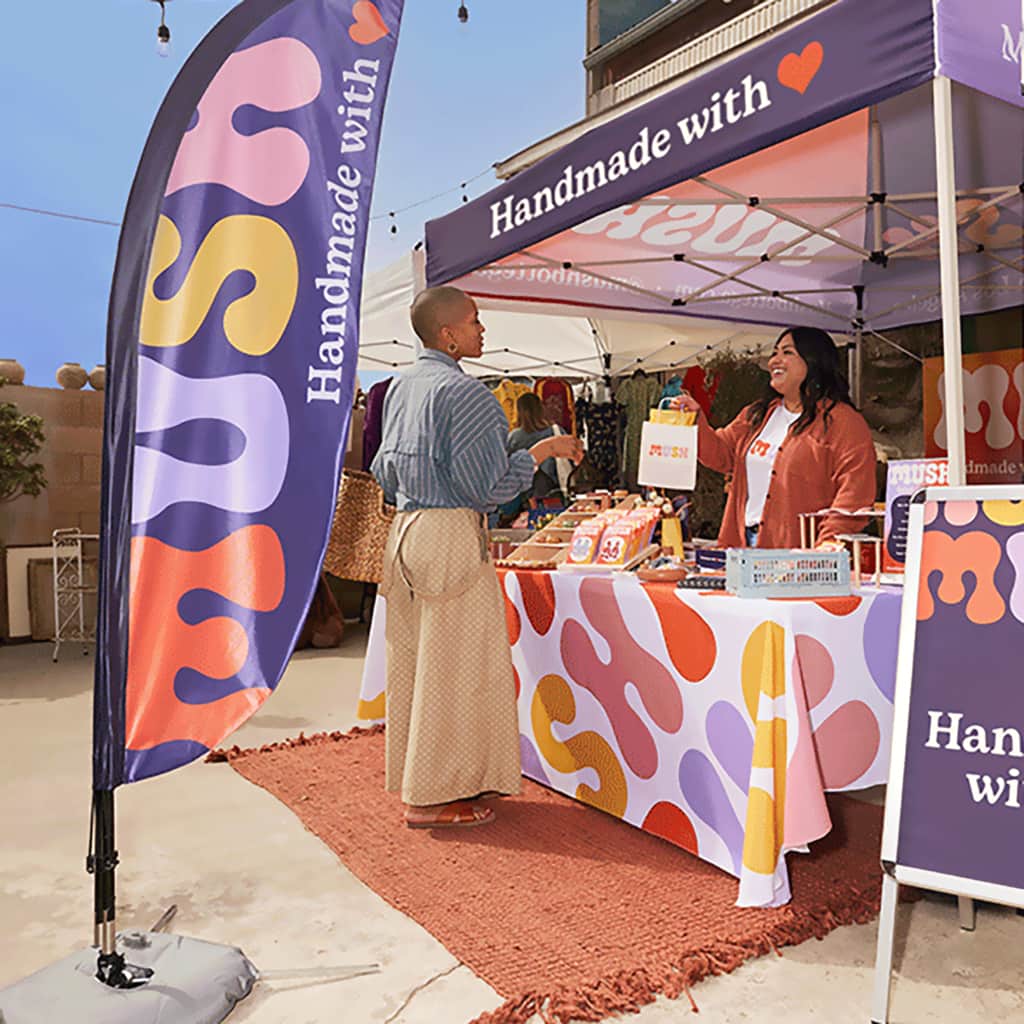
Plan attendee logistics before they become problems
Smooth events usually feel smooth because the logistics were handled well in advance. Registration, check-in, directions, access needs, parking, lodging, QR codes and communication all shape how easy the event feels to attend.
Accessibility should also stay visible throughout your planning, as it is much easier to support attendees well when those needs are built into the plan early.
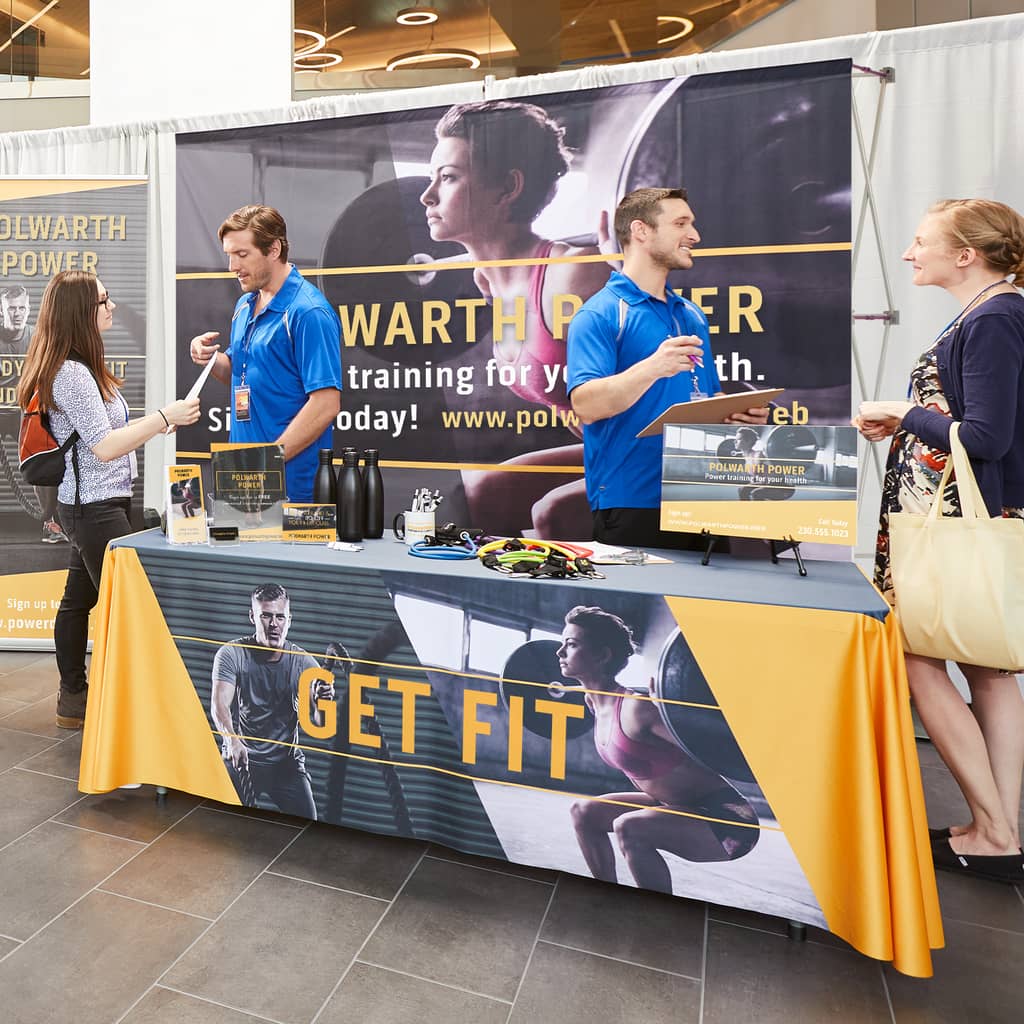
Design event marketing materials that fit your event brand
Use the brand deck or visual guide you created earlier to keep your event materials consistent across invitations, email graphics, signage, agendas, badges, handouts, and displays. Focus on choosing the right finish for each piece and making sure everything is easy to read in a busy event space.
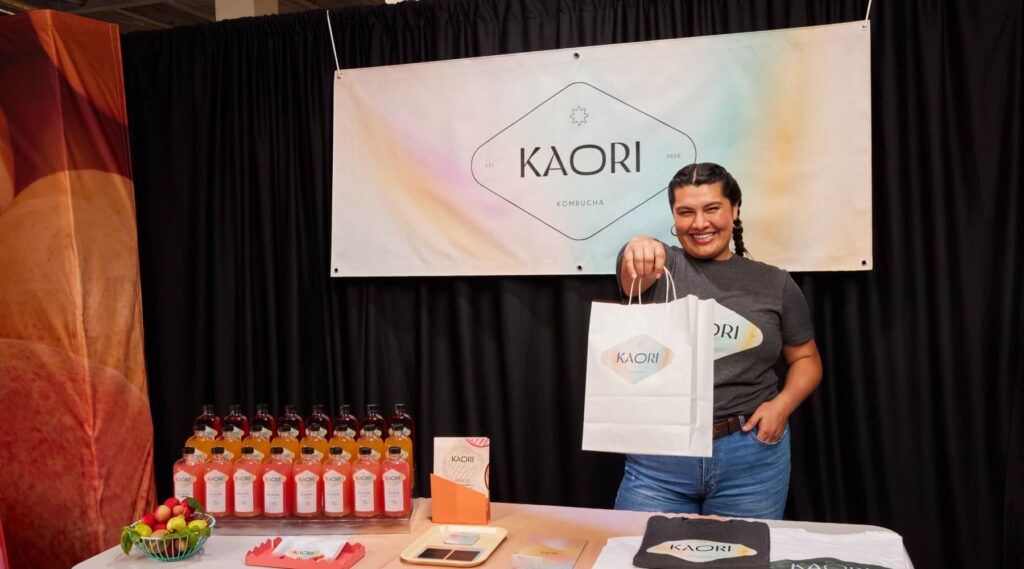
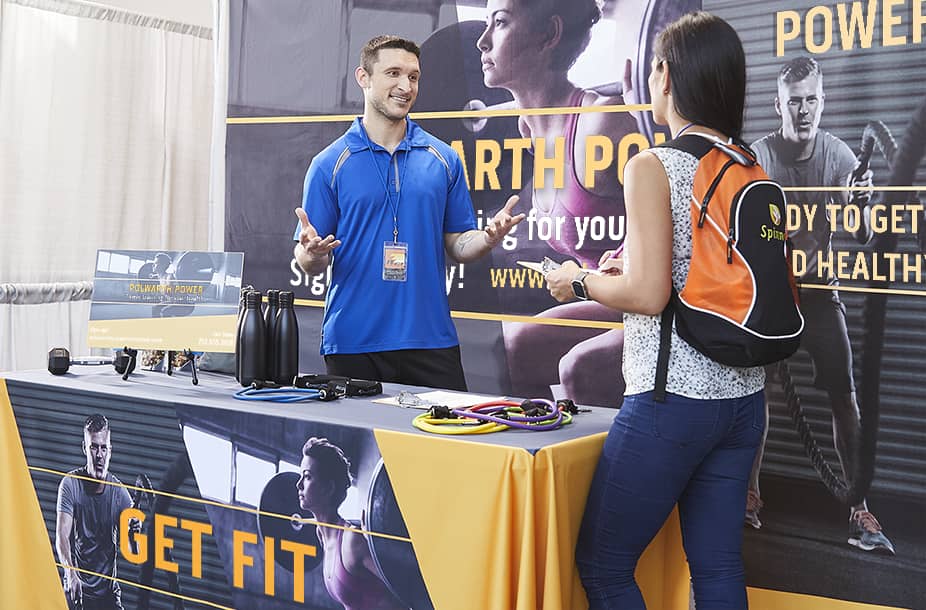
If your event includes a booth or display area, coordinated branding matters even more. Strong visual anchors, matching signage and a clear layout can make the whole setup look more polished and easier to navigate.
Below is a brand consistency checklist for event materials:
- Check logo placement and sizing across print and digital assets.
- Make sure brand colors are consistent across signage and handouts.
- Keep message hierarchy clear so the most important information stands out first.
- Test every QR code before printing and again before the event.
- Proofread names, dates, room labels and directional signs carefully.
- Review wayfinding from the perspective of a first-time attendee.
For more ideas on creating a set-up that works hard for your business, read our guide to trade show booth design.
Start promoting the event
Promotion should start long before event day. Save-the-dates, landing pages, email campaigns, social posts, partner promotion and reminder messages all help build awareness and attendance over time.
If you want a better sense of how events fit into a broader marketing strategy, this guide explains what event marketing is and how businesses use it to engage the right audience. You can also learn more about how to connect with customers to get the most from small business events when planning your outreach and follow-up.

Getting ready for event day
As the event gets closer, the focus shifts to production, guest materials, rehearsal and operations.
Prepare guest-facing materials
Using the visual approach you set earlier, create clear, useful materials such as name badges, schedules, maps, QR codes, directional signage, table signs and handouts that help attendees move through the event easily. Your branded displays should reinforce your brand without needing extra explanation.
Create a simple event-day command center
You do not need to set up a complicated control room, but you do need one place where the key information lives. That could be a shared document, a printed binder or both. Include your timeline, vendor contacts, floor plan, staffing roles, escalation path, back-up files and emergency supplies. If and when something changes, that command center will become the quickest way for your team to stay coordinated.
An example of a last-minute problem toolkit:
- Extra chargers
- Printed schedules
- Tape
- Markers
- Extension cords
- Spare signage
- Back-up QR links
- Hard copies of your run-of-show documents

Plan for how to handle the unexpected at your event
Even the best corporate event planning guide cannot prevent every problem. But it can help you respond without panic.
- Build a contingency plan: Think through the most likely issues before event day, from weather changes to tech failures and delayed shipments.
- Prepare backups: Have backup contacts, alternate speakers, spare materials and digital copies of important files ready to go.
- Decide what can flex: Work out which parts of the event are essential and which can be shortened, simplified or removed if plans change.
- Set clear ownership: Make sure one person is responsible for decisions and that the team knows who communicates updates.
- Keep communication simple: If something changes, tell attendees what is happening, what they need to do next and where to go for help.

Run a full rehearsal and technical check
A rehearsal helps you catch the awkward parts before your guests arrive. Walk through the speaker timing, registration flow, AV checks, signage placement, room transitions and any streaming elements. Test your QR codes, presentations, microphones and back-up files.
Corporate Event follow-up: Days and weeks after the event
A lot of the value of an event is created after it ends. Follow-up helps you turn your attendance data into action, understand what worked and make the next event easier to plan.
Send thank-yous while the event is still fresh
Follow up with your attendees, speakers, vendors, partners and staff while the experience is still recent. Prompt thank-you messages keep the momentum going and help the event feel thoughtful and attendee-focused rather than transactional. Depending on the event, that message could also include next steps, a recap, key resources or a future invitation.
Calculate event ROI and measure what mattered
If you want to know whether your event worked, compare the value it created with the cost of delivering it. A simple way to calculate direct ROI:
(Event gross revenue – Event costs ) / Event costs
But not every event is designed to generate immediate revenue, so it helps to look at broader indicators too. For some events, success might mean qualified leads, meetings booked, registrations completed, customer retention or social engagement. For others, it might be internal participation, feedback quality or brand visibility. The key is to measure against the goals you defined at the start, not against a generic standard that does not fit your event.
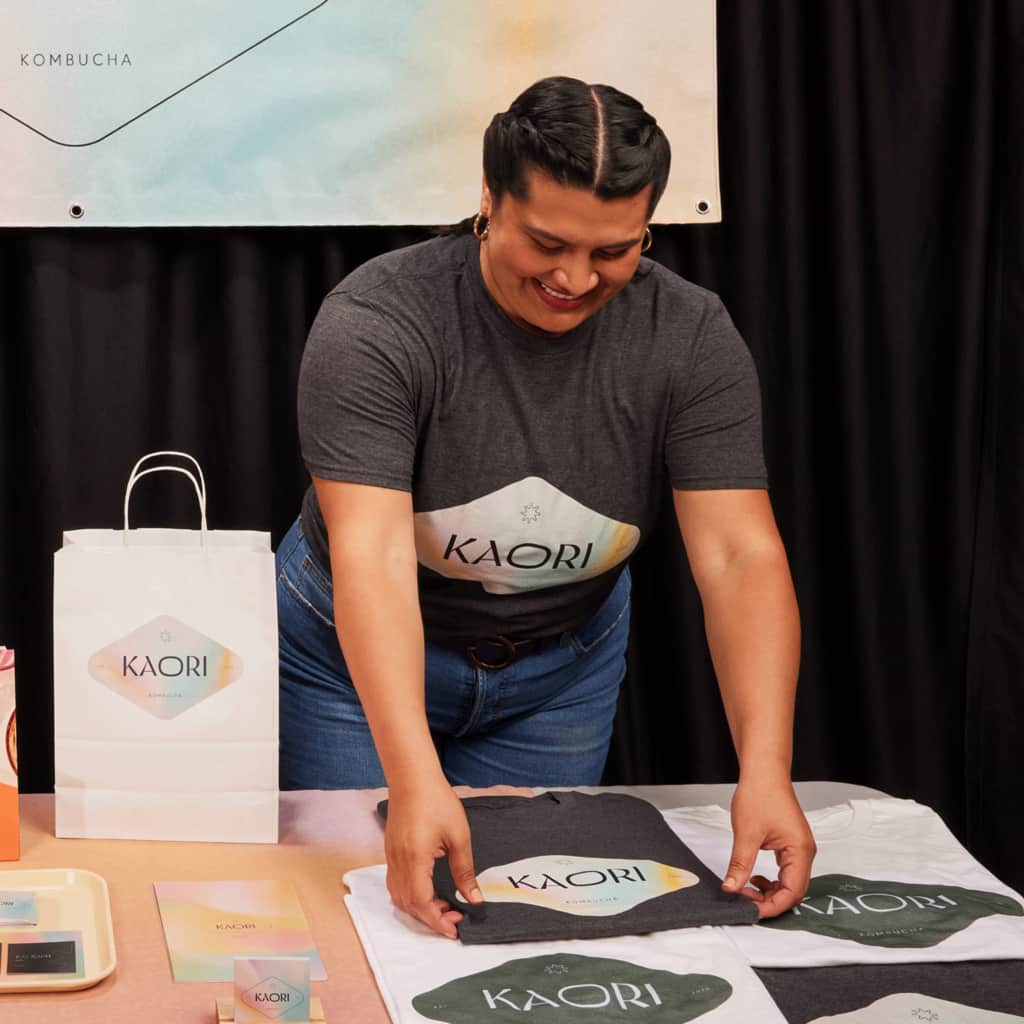
Gather feedback and document lessons learned
Do a quick debrief while details are still fresh. What worked well? What caused confusion? What should be repeated next time? What should change? Combine your internal notes with attendee feedback to build a clearer picture of how the event actually landed. Even a simple post-event review can save a lot of time on your next round of planning.
Extend the life of the event
Your event does not have to end when the room clears. Recap emails, social posts, speaker quotes, photos, downloads and follow-up offers can all extend the value of what you created. If you hosted a workshop, turn the key takeaways into content. If you launched something new, use the event momentum to support the next stage of promotion.
Corporate event planning trends and innovations to watch
You do not need to chase every trend when planning a corporate event. But it helps to know which are worth paying attention to as you refine your approach.
- Hybrid flexibility: Even in-person events may benefit from recorded or remote-friendly elements.
- More personalization: Tailored messaging, segmented invites and smarter follow-up can improve engagement.
- Experience-first planning: The strongest events are easy to navigate, comfortable, and aligned with attendees’ needs.
- More sustainable choices: Reusable displays, practical giveaways and more intentional print decisions can reduce waste.
Ready to get planning your corporate event?
Corporate event planning does not have to mean hundreds of moving parts all competing for attention at once. When you break the work into phases, stay focused on your goals and keep the attendee experience in view, planning a corporate event becomes much more manageable. A clear checklist, a realistic timeline and thoughtful branded materials can help turn a complex process into a more confident one.