You’ve probably walked into an event and thought, “Wow, this looks amazing!” That’s the impact a strong event promotion strategy can have. When all of your planning comes together, it creates an experience people remember.
The good news? You don’t need a huge budget or a big team to make it happen. With a bit of planning and the right approach, you can promote your event in a way that attracts the right audience and keeps them engaged.
In this guide, you’ll learn how to build an event promotion strategy that works, from early planning to post-event follow-up.
- A strong event promotion strategy starts early and follows a clear timeline to build awareness, engagement and conversions.
- Focusing on smaller, more targeted events can lead to stronger connections and better results than broad, high-volume promotion.
- Consistent branding across print and digital touchpoints helps your event stand out and stay memorable.
- Free tools like social media and local event listings can be powerful ways to promote your event without increasing your budget.
- Using tools like QR codes and generative AI can help you streamline your promotion and create a more personalized experience for your audience.
Core strategy at a glance
A strong event promotion strategy starts with clear goals, consistent promotion and a plan you can measure. Instead of guessing what works, focus on building awareness, engaging your audience and guiding them toward action. The most successful events don’t rely on one channel. They combine print, digital and in-person touchpoints to create a seamless experience before, during and after the event, often referred to as an omnichannel marketing approach.
What is the best timeline for event promotion?
If you’ve ever found yourself rushing to promote an event at the last minute, you’re not alone. The truth is, the earlier you start, the easier everything becomes.
A simple timeline to follow:
- 12–9 months out: Set your goals, shape your idea and plan your budget.
- 9–6 months out: Start building early awareness with your audience, including optimizing your event pages and listings with basic event SEO so people can find you more easily online.
- 6–3 months out: Turn up the volume with consistent promotion and engagement.
- 3–0 months out: Focus on reminding your audience about the event. Countdowns can be a great tool to get people excited, and are a simple way to tap into FOMO marketing by creating a sense of urgency.
- Post-event: Follow up, say thank you and keep the conversation going. It’s important to do some simple reporting to make sure you learn from your wins and losses for next time.
Starting early gives you room to test ideas, avoid rush costs and build excitement within your community.
4 pillars of high-impact promotion
If you’re not sure where to focus your energy, this simple framework can help. Every strong event promotion strategy comes back to four key pillars:
- Awareness – Let people know your event exists and why it’s worth their time.
- Engagement – Give them something to interact with, like sneak peeks, updates or conversations.
- Conversion – Make it easy to take action, whether that’s booking a ticket or RSVPing.
- Retention – Stay connected after the event so people come back next time.
Think of this as your guide. If something isn’t working, you can quickly see which part of the journey needs a little more attention.

Steps to a successful strategy
1. Define your event objectives
A successful event promotion strategy starts with a clear finish line. By defining your goals, you clarify what your event promotion and branding should achieve. You also create a yardstick to measure success, otherwise known as KPIs (key performance indicators). These are simple metrics that help you understand how well your event performed against your goals. They could include things like ticket sales, sign-ups, website visits or coupon redemptions. After your event, take time to review what worked and what didn’t by looking at these numbers, and where possible, use multi-channel attribution to understand which touchpoints had the biggest impact.
Here are a few examples of event goals and how they can be measured:
- If you’re a restaurant owner participating in a food festival, your goal might be to get new customers in for a meal. You could measure that by tracking reservations made using a unique promo code or QR link.
- If you’re a chiropractor with a booth at the local farmer’s market, your goal might be to introduce people to your practice. This could be measured by how many people engage in your complimentary five-minute sessions for the day or by how many people sign up for your newsletter.
- If you own a plumbing business and are sponsoring a local 5K race, your goal might be to raise brand awareness in your local area. You could measure that by tracking coupon redemptions, website visits or inquiries linked to the event over time.
Regardless of your business or the event, the key is to connect your goal to a measurable KPI. A bit of brainstorming can help you focus on what success really looks like and how you’ll track it.
2. Keep it cost-effective
A strong event promotion strategy doesn’t need a big budget, just a bit of thoughtful planning. When you start early, you give yourself time to make smarter decisions and avoid last-minute costs that can quickly add up.
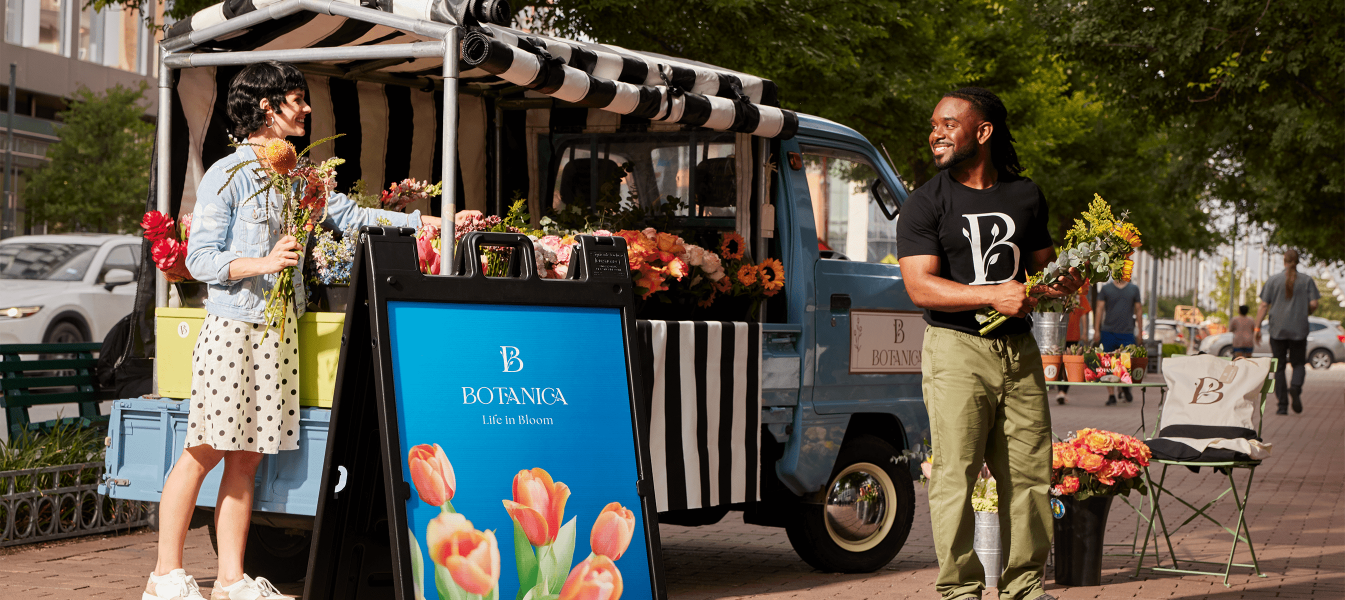
Think about what will really make an impact on your audience. That could be a bold banner that draws people in, a few well-placed flyers around your local area or simply showing up consistently on social media.
It’s also worth making the most of free tools. Social media, email newsletters and local event listings can help you build awareness and momentum without stretching your budget.
If possible, try to batch your materials and plan ahead. In most cases, a few well-designed pieces used in the right places will go further than trying to do everything at once.
3. Decide how you want to show up
An event-specific brand identity isn’t about changing your logo or brand style guide. Instead, it’s about asking a simple question: Who do we need to be at this event to achieve our goals?
Here’s an example: Say your business is sponsoring the largest local street festival of the year, and the event’s tagline is “The Hottest Art in the Hottest Month of the Year.” If you’re an electrician looking to connect with new potential customers, you could set up a booth with misters to cool off the crowd and start conversations.
For the same event, say you’re a local spa with a goal of 10 new service bookings. You could create an entire event presence around “cool deals for hot summer days,” and offer mini facials with cooling towels, promote event-only pricing on services and drum up foot traffic with complementary cucumber water.
Community as promotion
Instead of simply broadcasting your event, think about how you can build a sense of community around it.
Create a space where people can connect before the event, whether that’s a LinkedIn group, a Slack channel or even a simple email thread. Share updates, ask questions and give people a reason to engage.
You can also make things more personal by inviting key clients or local partners to small pre-event meetups or preview sessions. Another way to build momentum is by creating simple influencer or partner kits, which are essentially “ready-to-share” assets like social posts, images or printed materials that make it easy for others to promote your event on your behalf. These early touchpoints help build excitement and make people feel like they’re already part of something.
Intentional high-impact events
Bigger isn’t always better. Some of the most effective event promotion strategies focus on smaller, more targeted gatherings that create meaningful connections. Instead of trying to reach everyone, focus on the right people – the ones most likely to engage, convert and come back again.
In 2026, this shift toward smaller, more intentional events is becoming more common, as businesses look for ways to create more meaningful, high-impact experiences.
A fitness coach might host a small VIP class for loyal clients; an artist could invite a handful of customers to a private preview of a new collection; a café might run a tasting event for regulars and local influencers. These micro events are often promoted through more targeted tactics, like personal invitations, segmented email lists or exclusive, limited-space offers that create a sense of urgency.
These kinds of events feel more personal, more memorable and often lead to stronger results. In many cases, a smaller, highly engaged audience can deliver better ROI than a large, general one. When your audience feels seen and valued, they’re far more likely to show up and stick around.

4. Use marketing materials to add pizzazz
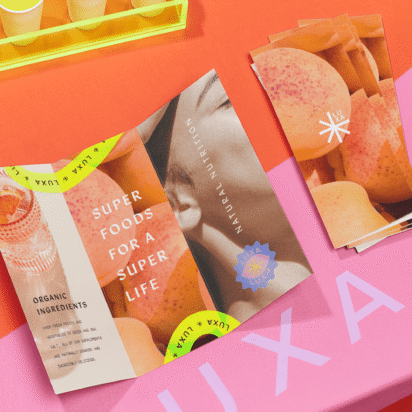
When it comes to marketing your brand at an event, keeping things simple and consistent is often the most effective approach. From postcards and flyers to email campaigns and social posts, your branding can work together across channels before, during and after the event.
Say you’re that plumber sponsoring the local 5K. You could create a unified marketing suite to promote your booth at the event using emails to existing customers, flyers given to new customers by your staff and in-booth postcards with your event-specific coupon code.
Once you have that mix of materials, focus on a simple incentive that encourages action. Even a small, well-timed offer can help drive foot traffic and support your goals.
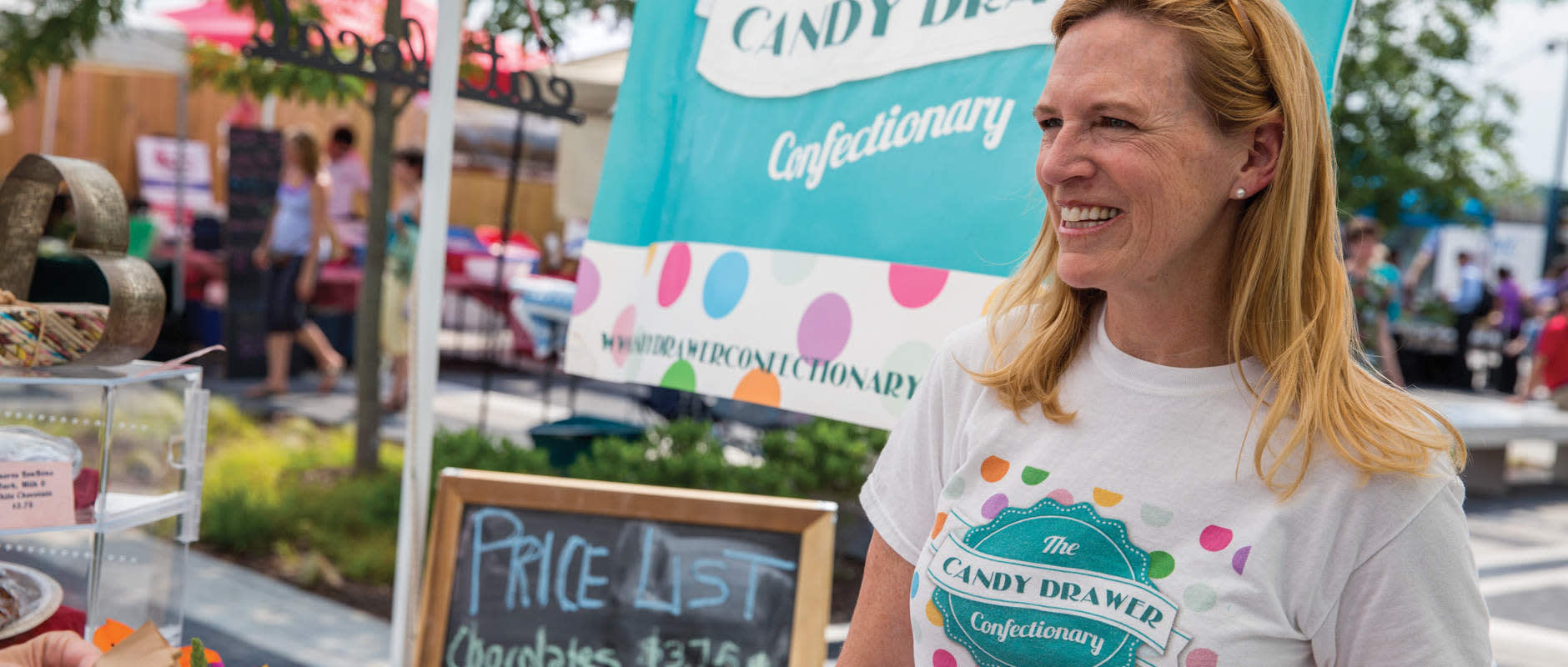
Or, if you’re a new vendor at a local farmer’s market, you could focus on a theme of “growing relationships” by promoting your presence pre-event with postcards that attendees can redeem for a free bag of seeds. When your message and materials align, your brand becomes easier to remember.
The “phygital” bridge
One of the most effective ways to elevate your event promotion is by connecting your physical and digital touchpoints. This is where QR codes come in. By adding them to flyers, postcards or signage, you can guide people straight from something they hold in their hands to a digital experience.
A QR code on a postcard could link to a booking page, a behind-the-scenes preview or even a special offer. From there, you can retarget those visitors with follow-up emails or social ads, creating a more personalized journey that continues after the first interaction.
If you’re new to using QR codes, this guide to event QR codes can help you get started and make the most of every scan.
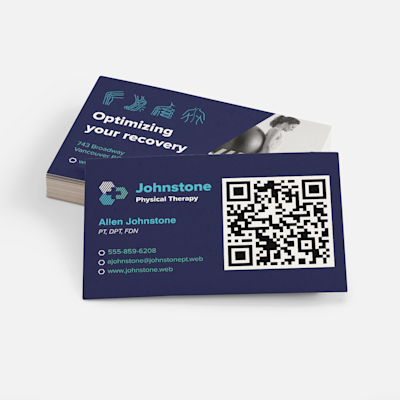
Consider using postcards or QR code business cards in pre-event promotions to encourage traffic to your booth. When attendees redeem the card, you get a conversation starter, and they get a reward like a discount or a freebie.
5. Bring it all together with swag and signage
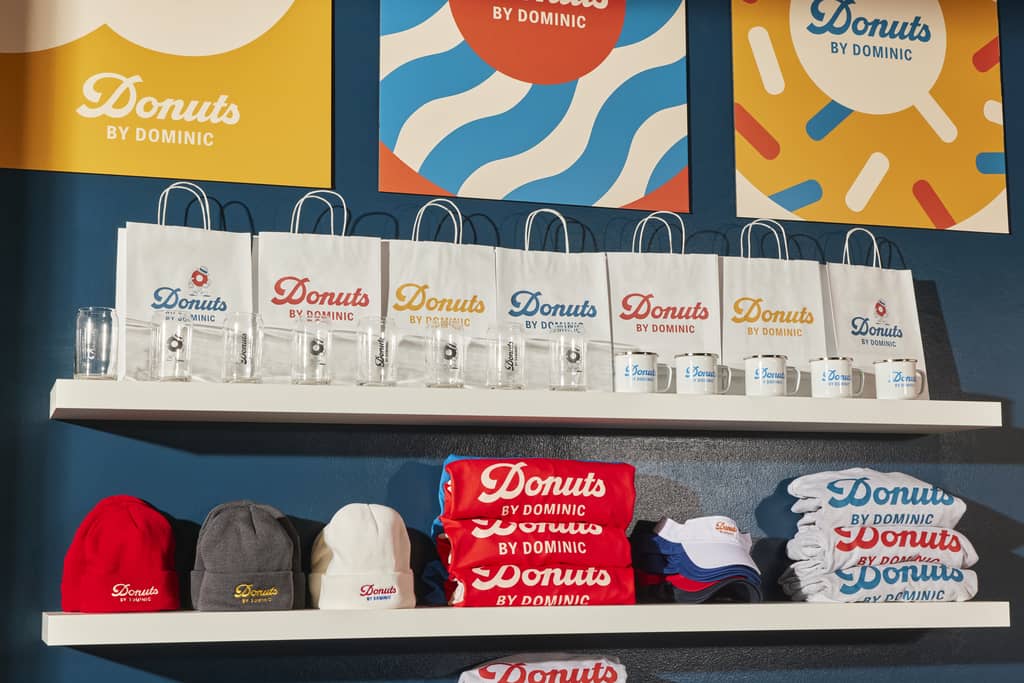
Finally, swag and signage really bring your entire event promotion and branding strategy together. For in-person events, these aspects can draw attention and engage customers, both of which you need to bring home your goals.
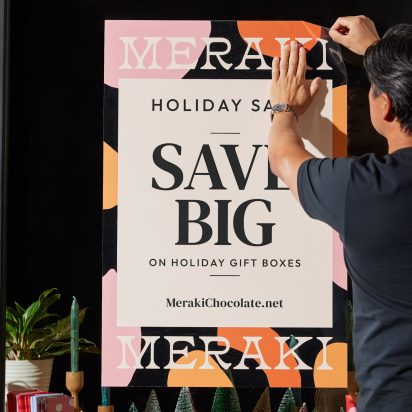
Signage can help you leverage an event’s themes, and even the time of year, to get the foot traffic you crave. Just think of how signage with “Cool off with Amazing Electric!” could drive a downright stampede during a hot July event. Then, you could send grateful attendees on their way with a cooler bag or an insulated wine tumbler emblazoned with your logo. Talk about high-value items that folks will keep for a long time.
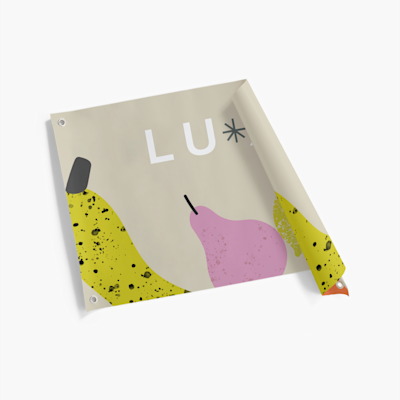
Remember those postcards and QR code business cards? You can use custom retractable banners or overhead banners by your booth that say, “Redeem your postcard here!” Attendees may go hunting for that postcard they might’ve overlooked.
6. Make the most of generative AI
Generative AI can do more than speed things up and answer random questions. AI can help you plan a smarter event promotion strategy right from the start. Think of it as a tool that helps you map out ideas, spot gaps and keep everything consistent.
You can use AI to turn one event theme into 30 days of social content, draft email campaigns or build coordinated launch sequences tailored to different audience segments. It can also help you personalize your messaging, test what resonates and anticipate common questions or friction points, so you’re better prepared before your event even launches. If you’re planning a booth or in-person setup, these ideas can also support your broader trade show marketing.
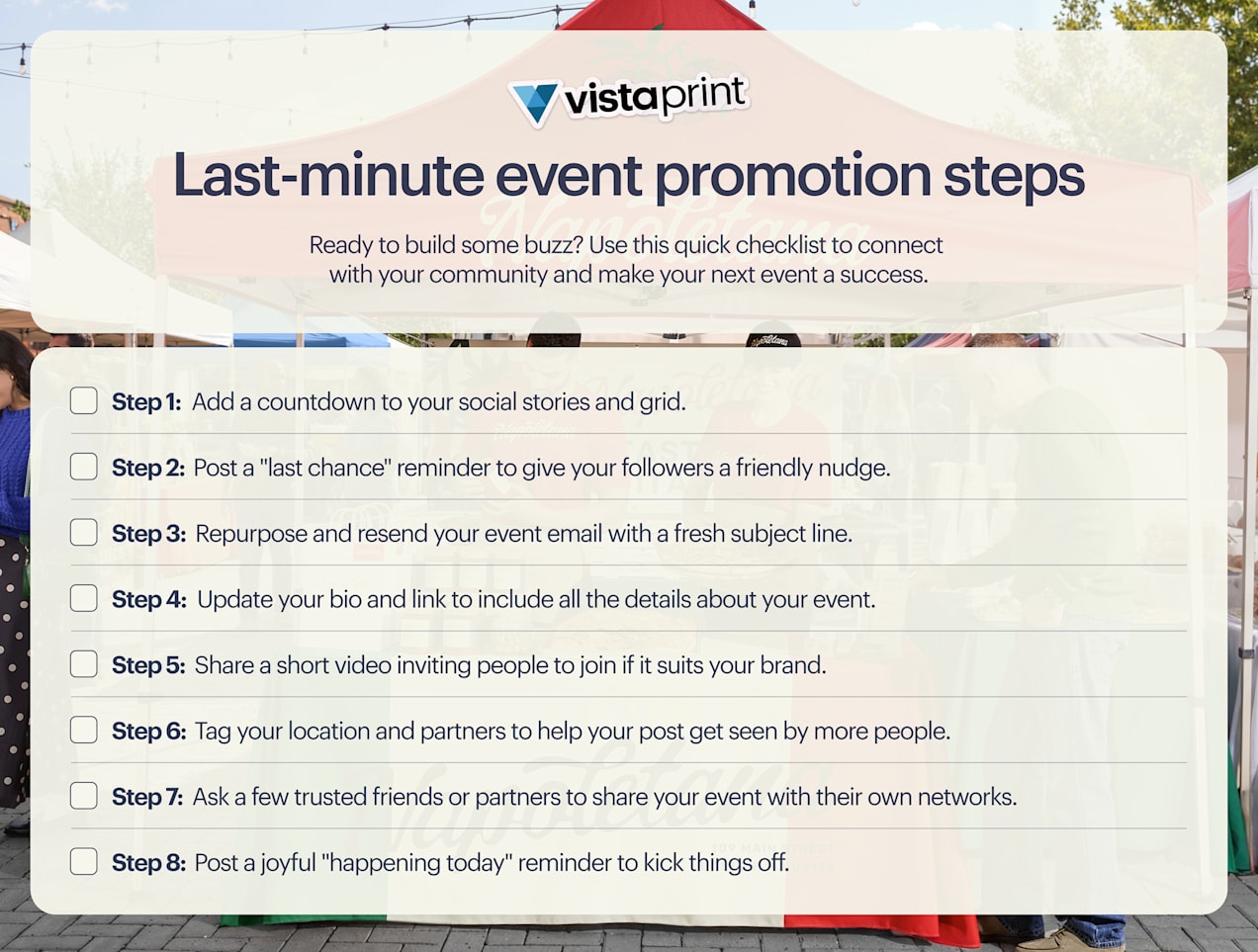
Even the best planners rush sometimes. Check out our downloadable checklist for those critical last-minute promotion steps.
FAQs
How do I promote an event on social media for free?
You can promote an event for free by posting consistently, engaging your audience and using local hashtags. Share updates, behind-the-scenes content and reminders in the lead-up to your event. Encourage followers to share your posts and create a hashtag so you can track and build momentum.
What is the best timeline for event promotion?
The best timeline for event promotion starts at least a few months in advance. Begin with planning and awareness, then build engagement as the event approaches and focus on reminders closer to the date. After the event, follow up to stay connected with your audience.
How do I use AI for event marketing?
You can use AI to plan content, write promotional copy and stay organized. It can help you generate social posts, emails and event descriptions, as well as anticipate customer questions. Used well, AI helps you save time and keep your messaging consistent.
What are the most effective event promotion channels?
The most effective event promotion channels combine digital and in-person touchpoints. Social media, email and local event listings help build awareness, while flyers, signage and word of mouth reinforce your message in the real world.