Planning a business event can feel like an overwhelming project, especially for small business teams that are juggling multiple roles and limited time. Between budgets, speakers, sponsors, branding and follow-ups, it can be easy for important details to slip through the cracks.
That’s where a handy business conference checklist becomes more important than a simple to-do list. When it’s used strategically, your checklist should connect your goals, revenue, brand presence and post-event follow-up tasks into one clear plan. Instead of reacting to last-minute issues, you can focus on the outcomes that actually matter to your business.
Planning a business conference combines logistics with setting clear goals, creating meaningful experiences for attendees and delivering a return on investment. A strong event checklist helps small teams plan step-by-step without missing key details, even when your resources are limited.
This guide walks you through timelines, ownership, swag, sponsors, giveaways and more so you can plan an event that supports your business goals from start to finish. Let’s get started.
- Successful conference planning starts with strategy. This should include your audience goals, revenue opportunities, sponsors and brand presence, as well as timelines and execution.
- Break your work into a clear conference planning timeline to make it easier for small teams to stay organized, manage priorities and reduce last-minute stress.
- Create a memorable experience and reinforce your brand long after the event ends with thoughtful branding for event displays, handouts and practical conference swag.
- Follow up after the event with retrospectives, lead reviews and sponsor reporting to help turn the time and budget invested into real business value.
- A business conference checklist helps small business organizers complete all these steps and stay organized – use ours below for your next conference!

Before you begin: What every business conference needs
Before you jump into setting the dates and booking speakers or venues, it’s important to step back and define the foundations of your event. This early planning phase sets the direction for every decision that follows and keeps your business conference focused on its outcomes, not just the execution.
An effective business conference checklist starts with your business intent. These are the core questions that every organizer should answer early, whether you’re planning your first event or refining a repeated format. This stage also mirrors what you’d expect to see in a corporate event planning checklist, but scaled appropriately for small teams.
Foundational planning
Set your conference goals
Define what success looks like for your conference. Common goals include lead generation, revenue growth, partnerships, customer education or brand awareness. Clear goals will guide everything from your content to swag choices.
Establish budget ranges and success metrics
Set realistic budget parameters and decide how you’ll measure the success of your event. This might include ticket sales, sponsor revenue, attendance numbers, leads captured or post-event conversions.
Define audience type and size
Identify who the conference is for and how many people you expect to attend. Knowing your audience helps shape the agenda, venue size, pricing and overall experience.
Clarify your revenue model
Decide how the event will generate revenue, if applicable. Options may include ticket sales, sponsorships, premium sessions or product upsells tied to the conference.
Create brand presence and positioning
Define how your brand should show up throughout the event. This includes the essentials of brand marketing: your visual identity, tone of voice and how regularly you use your branding across all touch points. Specifically, consider how your branding appears on signage, the event display, handouts and event giveaways.
Treat your event like its own brand with a clear visual identity and message used consistently across all promotions. A cohesive look strengthens your event promotion strategy and makes your conference easier to recognize and remember.
Conference planning timeline
Planning a conference works best when it’s broken into clear phases. This conference planning timeline helps small business teams focus on the right priorities at the right time, without trying to do everything at once. Whether you’re planning your first event or refining an existing event format, this approach shows how to plan a conference with strategy leading the way.
Preparation (6-9 months out)
This early phase sets the direction for the entire event. The decisions made here affect your budget, branding, sponsorship and long-term outcomes, so it’s worth slowing down and getting alignment before moving into the execution stage.
Determine objectives
Start by confirming your conference goals and key performance indicators. These might include your revenue targets, lead generation goals, partnership opportunities or customer engagement metrics. Once your goals are clear, set your overall budget and define how the event will generate revenue through ticket sales, sponsorships or upsells.
Set the venue
This is also the time to secure your venue or virtual platform. Availability, capacity, location and technical requirements can all influence the attendee experience and should align with your audience size and budget. If sponsorship is part of your strategy, start identifying potential sponsors early so you can build them into your agenda and branding plans.
Assign ownership
Finally, assign ownership across major areas. Even if one person wears multiple hats, clearly defining who owns what reduces confusion later and keeps planning moving forward.
Small business teams rarely have dedicated event departments, which makes clear ownership even more important. Assigning responsibility doesn’t need a corporate structure, just clarity. Start by mapping out simple roles, even if one person fills multiple positions.
Typical conference planning roles include a strategy lead, budget owner, logistics coordinator, marketing or communications lead, sponsor contact and on-the-day operations lead. Defining these roles early helps prevent any confusion and duplicated effort.
Shared responsibility works best when the expectations are documented. So use shared checklists, project management tools or simple timelines to keep everyone aligned. Clear ownership reduces any last-minute stress because tasks don’t fall through the cracks or get assumed by someone else.

Planning and outreach (3-6 months out)
With the foundations in place, this phase focuses on shaping the experience attendees will actually have. Start by finalizing your agenda structure and session formats, such as keynote talks, panels, workshops or networking sessions. A clear agenda makes it easier to attract speakers, sponsors and attendees.
Reach out to speakers
Begin speaker outreach and confirmations early, especially if you’re working with industry experts or business leaders with limited availability. At the same time, lock in early brand decisions, including themes, visual direction and tone of voice, so everything feels cohesive as your planning continues.
For a deeper look at building a strong event foundation, explore these event planning tips.
Plan and create your main touch points
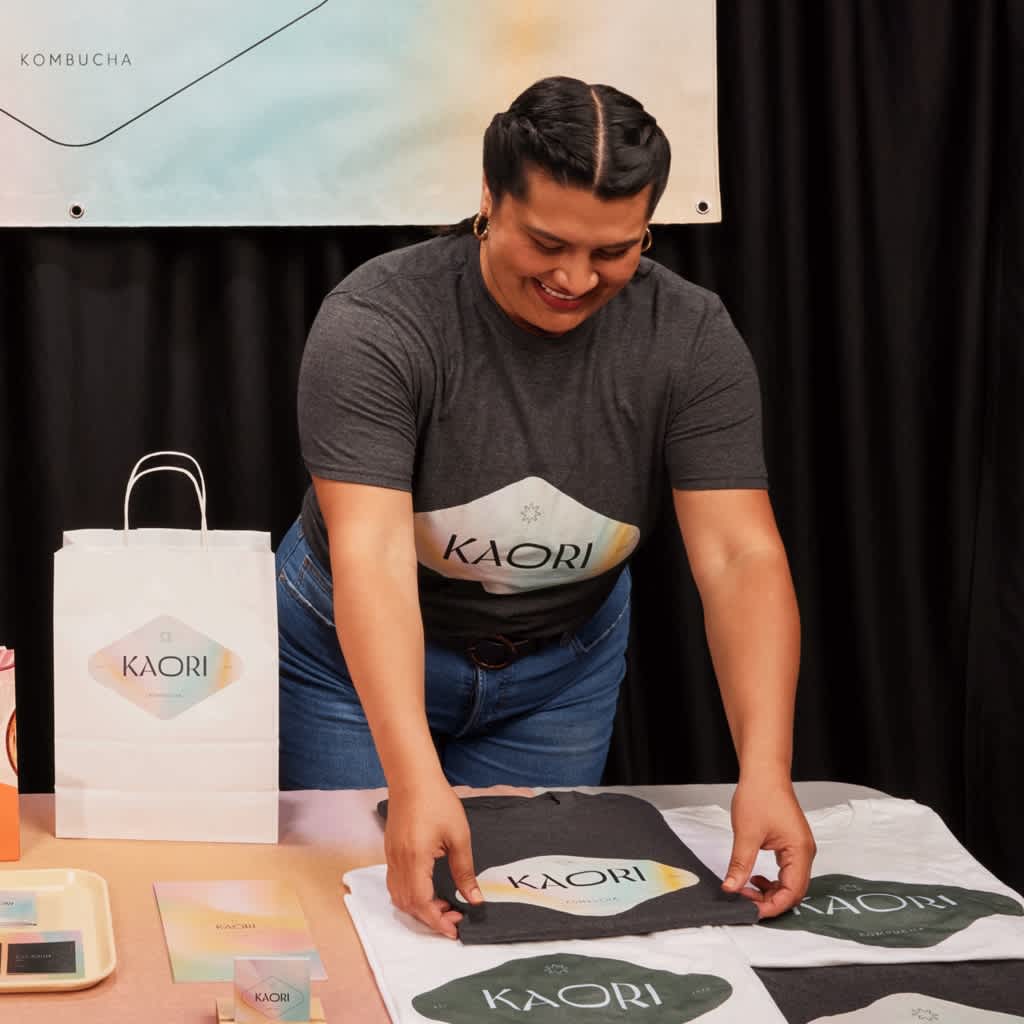
This is also when you should plan branded touch points. At this stage, you can help craft a consistent experience by mapping the places attendees will be interacting throughout your event. To stay fully aligned and create a cohesive flow, think about how your brand, the event branding and the sponsorship branding will appear across signage, badges, printed materials and swag.
Keep in mind that while you may not print or order your items until 1-3 months out, this is an ideal time to lock in the design and use case. Here are some key areas to consider:
Design attention-grabbing event displays
Event displays are often the first thing attendees notice, so use them to make a strong, immediate impression. Branded backdrops, custom signage or interactive elements give people a visual anchor and create moments worth photographing and sharing. These displays help reinforce your brand while making the space feel intentional and engaging rather than generic.
Use bold, well-placed displays – like branded backdrops or interactive elements – to draw attention and create photo-worthy moments attendees will share, extending your event promotion strategy beyond the room.
Coordinate branded attire for your team
Matching, branded clothing makes your team instantly recognizable and signals professionalism to attendees. A consistent look helps build trust and reassures guests they’re engaging with the right people. It also reinforces your brand at every interaction, from check-in to follow-up conversations.
Use different branded shirt colors or styles to distinguish roles like registration, speakers and general support, so attendees know exactly who to approach. This small detail improves the flow of the event while still reinforcing a cohesive, professional brand.
Select purposeful giveaways and swag
Event swag works best when it’s intentional. Instead of giving out items that attendees will throw away or forget, choose products that support your brand, deliver sponsor value and improve the attendee experience.
Practical items like branded notebooks, pens and tote bags are easy to carry and remain useful beyond the event. Name badges and lanyards help with organization while reinforcing branding and desk-friendly items like mouse pads and other tech are more likely to stay visible long after the conference ends.
Execution (1-3 months out)
As the event approaches, the planning shifts from strategy to execution. This phase of your event checklist is about making sure everything runs smoothly while building excitement and attendance.
Setting up the logistics
Set up your registration systems and attendee communications, including confirmation emails, reminders and event updates. Finalize your audio-visual set-ups, catering, accessibility and on-site logistics so that the experience is inclusive and professional. At the same time, map out your promotional timeline so your marketing efforts stay consistent and timely.
Print your promo and marketing materials
This is also the point where printed materials and promotional products should be ordered to avoid rush fees or other stresses on the day. Confirm your sponsors’ deliverables including logo placement, session involvement and co-branded materials, to ensure that everyone’s expectations are aligned.

Delivery (final week and event day)
The final stretch before your business conference is all about clarity and coordination. At this stage, preparation pays off by reducing stress and allowing your team to focus on the delivery.
Confirm roles and timings
Create a clear run of the show that outlines timing, responsibilities and transitions throughout the day. Confirm team roles and backups so everyone knows where to be and when, and prepare speakers and sponsors with their final instructions, schedules and contact points.
On event day, prioritize a smooth check-in, clear signage and consistent communication across your team. Staying organized here means your attendees feel welcomed and supported from their arrival to the closing remarks.

After the conference (1-6 weeks following)
A business conference doesn’t end when the last session finishes. What happens afterward often determines whether the event delivers real business value.
Follow-up and report on results
Start with timely attendee follow-ups, including thank-you messages, content recaps or next steps and keep the momentum going with posts and videos from the day on your social media channels. Provide sponsors with reporting on attendance, engagement and deliverables to reinforce long-term partnerships. Check that all leads are handed over clearly to your sales or marketing teams while the event is still fresh.
Reflect and document learnings
And finally, run an internal retrospective to review what worked, what didn’t and how the results of the event measured against your original goals. These insights will make future conferences more effective and easier to plan.

The ultimate business conference checklist
A strong business conference checklist brings every planning phase together in one place. Instead of jumping between timelines, emails and spreadsheets, this skimmable overview helps organizers track their progress, spot any gaps and stay aligned throughout the process from strategy through to follow-up.
A downloadable business conference checklist is available for teams who want a printable or shareable version to keep planning on track.
Preparation (6-9 months out)
- Define your primary business goals and KPIs
- Identify your target audience and expected attendance
- Clarify the event’s purpose and value proposition
- Align your conference goals with your broader business objectives
- Set your overall budget range
- Define your revenue targets
- Identify sponsorship opportunities and tiers
- Secure a venue or virtual platform
Planning and outreach (3-6 months out)
- Confirm the ticket pricing or access model
- Define the event theme and visual direction
- Plan the signage and marketing materials
- Coordinate team apparel and styling
- Select practical, brand-aligned swag items
- Plan any co-branded items with sponsors
- Align sponsor branding placements
Execution (1-3 months out)
- Confirm AV set-up, catering and accessibility needs
- Set the registration and check-in process
- Plan staffing and on-site support
- Print the signage and marketing materials
- Create a promotional timeline and messaging
- Confirm swag quantities and delivery timelines
Delivery (Final week and day-of)
- Finalize the run of show
- Coordinate swag distribution points
- Confirm team roles and back-ups
- Prepare speaker and sponsor briefings
- Set up signage, badges and check-in
Post-event follow-up (1-6 weeks after)
- Send attendee thank-you communications
- Deliver sponsor reports
- Hand over leads to sales or marketing teams
- Conduct an internal retrospective
- Measure your results against your goals
Bringing it all together
Planning a successful business conference doesn’t need a large team or unlimited resources. With a clear strategy, a realistic conference planning timeline and a well-structured business conference checklist, small business organizers can stay focused on their goals, deliver a strong attendee experience and create measurable business impact with their conference.
From early planning stages through the post-event follow-up, the right structure helps turn complications into clear steps and will ensure that your conference supports your brand long after the final session ends.