A package has a surprisingly short amount of time to make a good impression. Before customers see the product, they notice the oversized box, the mountain of filler and whether opening it requires scissors and patience. Small details have a habit of becoming expensive ones when they start showing up in reviews, shipping costs and return rates.
So, what is frustration-free packaging, and does your business actually need it? This guide breaks down how frustration-free packaging works, where it helps, where it creates challenges and how to implement it without turning your operations upside down. By the end, you’ll know how to choose the right packaging approach for your products, your customers and your bottom line.
- Frustration-free packaging (FFP) uses minimal materials, easy-open features and shipping-friendly designs to reduce friction and waste.
- The benefits of frustration-free packaging include lower costs, better customer experience, stronger sustainability efforts and improved operational efficiency.
- The challenges of frustration-free packaging include maintaining product protection, managing logistics and meeting marketplace requirements.
- Common types of frustration-free packaging include corrugated boxes, padded envelopes, paper inserts, biodegradable materials and reusable packaging.
- Choose the right packaging type based on your product, shipping needs and brand priorities.
What is frustration-free packaging?
Frustration-free packaging is packaging designed to make products easier to ship, easier to open and easier to dispose of without unnecessary materials or extra layers getting in the way.
The term was originally introduced by Amazon in 2008 through its Frustration-Free Packaging program. The goal was to solve a very real customer problem known as “wrap rage” – the irritation caused by wrestling with hard plastic clamshells, endless ties and layers of packaging that seemed determined to stay closed.
The idea quickly expanded beyond Amazon and became a broader packaging approach that businesses of all sizes now use.
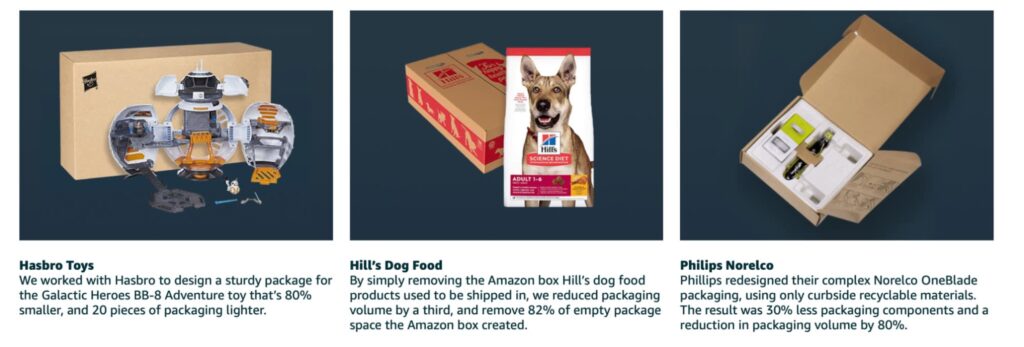
Source: Examples of frustration-free product packaging via Amazon
The core principles of frustration-free packaging are simple:
- Minimal materials: Use only the materials needed to protect the product. Replacing oversized boxes and plastic fillers with custom-sized packaging and paper cushioning reduces material waste, lowers shipping costs and supports more sustainable packaging practices.
- Easy-open design: Use packaging that customers can open quickly without tools or unnecessary effort. Features like tear strips, pull tabs and paper tape improve convenience and make packaging more accessible.
- Shipping-ready packaging: Use packaging strong enough to move through shipping without an additional outer box. Amazon refers to this as SIPP (Ships in Product Packaging), though smaller businesses can achieve the same result with durable custom mailer boxes.
For businesses selling through Amazon, certification standards also prioritize packaging that is 100% curbside recyclable where possible, openable within 120 seconds with minimal tool use and tested to withstand real shipping conditions.
One quick clarification, though: Frustration-free packaging and SIPP aren’t the same thing.
While SIPP focuses on shipping efficiency, frustration-free packaging focuses on the entire experience – efficient shipping, simple opening and less waste. SIPP can be part of frustration-free packaging, but it isn’t the whole thing.
Why frustration-free packaging matters (for customers and your bottom line)
Packaging decisions tend to get pushed into the “operational details” pile. Then the reviews start showing up. Customers complain about excessive waste, products arrive in oversized boxes and opening the package feels like a small obstacle course. Suddenly, packaging becomes a customer experience issue, a cost issue and sometimes a brand issue.
Frustration-free packaging changes several things at once, both for customers and businesses.
For customers:
- Reducing opening frustration: Removing hard plastic, excess wrapping and complicated packaging reduces the chances of “wrap rage.” Fewer annoying moments often translate into better reviews, repeat purchases and more user-generated content that doesn’t involve someone fighting a package on camera.
- Supporting more sustainable choices: Less material and less waste align with growing customer expectations around sustainability. For many buyers, especially younger consumers, packaging choices increasingly influence purchasing decisions.
- Improving accessibility: Easy-open packaging helps a wider range of customers, including older adults, people with limited dexterity and anyone who simply doesn’t want to search for scissors.
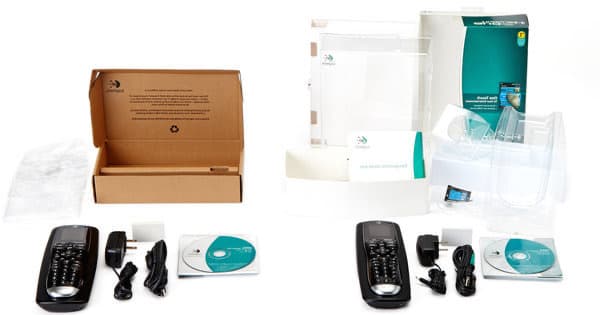
Source: Frustration-free packaging minimizes packaging waste via SellerLabs
For businesses:
- Lowering packaging costs: Using fewer materials and simpler packaging systems reduces spending on boxes, fillers and shipping weight. Small savings per order become noticeable at scale.
- Increasing operational efficiency: Standardized packaging systems are easier to pack, store and manage. For growing brands, shaving even a few seconds off fulfillment time can have a measurable impact across hundreds or thousands of orders.
The hidden challenges of frustration-free packaging
Frustration-free packaging can improve customer experience, reduce waste and make operations leaner. Still, before replacing every box and mailer in your packaging lineup, there are a few practical challenges worth understanding. Knowing where things can get messy upfront makes it easier to avoid expensive fixes later.
- Managing the branding trade-off: Using less packaging often means having less space for logos, messaging and design elements. Brands that rely heavily on printed inserts, multiple packaging layers or highly designed unboxing experiences may need to rethink how and where branding shows up.
- Preventing the damage paradox: Less material does not automatically mean better packaging. Poorly designed packaging can increase the risk of damage during shipping. Proper box sizing, paper-based cushioning and basic transit testing help protect products without adding unnecessary layers.
- Managing inventory and operational complexity: Some businesses need separate packaging for retail shelves and direct-to-consumer shipping. That can create additional storage requirements, more packaging variations and extra logistics to manage.
- Meeting compliance and marketplace requirements: Larger marketplaces may have specific expectations around shipping-ready packaging and SIPP standards. Failing to meet them can sometimes lead to additional fees or operational friction.
Standard packaging vs. frustration-free packaging
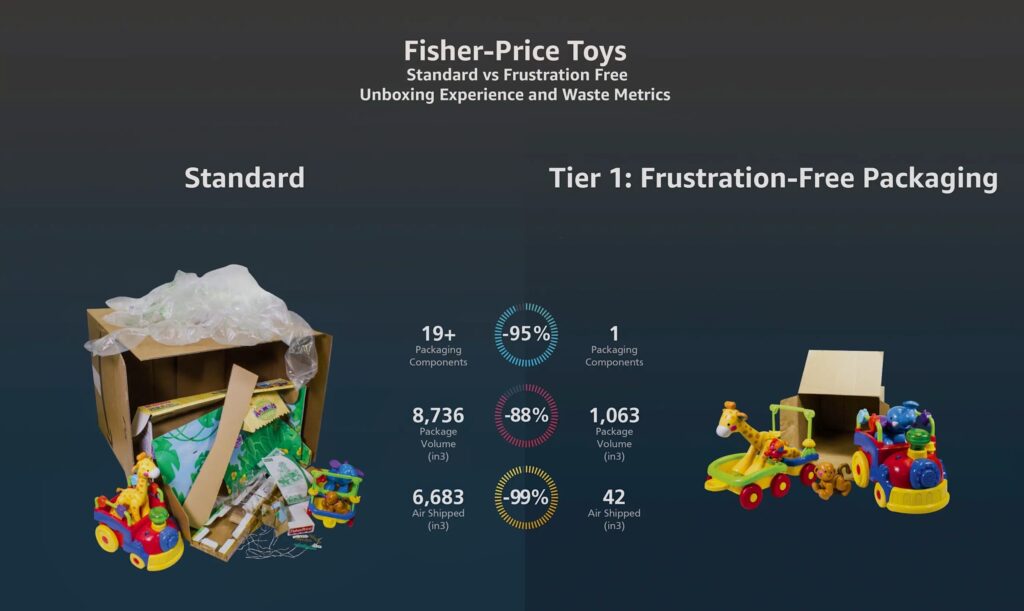
Source: Comparison of standard vs frustration-free packaging via Amazon
The benefits and challenges above lead to a practical question: How different is frustration-free packaging from the packaging most businesses already use?
While the shift may seem small on the surface, the differences become easier to spot once you look at the customer experience, shipping impact and day-to-day operations side by side:
| Feature | Traditional packaging | Frustration-free packaging |
| Unboxing time | 2–5+ minutes | <2 minutes |
| Tools required | Yes | No |
| Waste volume | High | Low |
| Shipping cost | Higher | Lower |
| Customer satisfaction | Mixed | High |
| Branding | More external | More internal |
| Damage risk | Moderate | Depends on design |
Is frustration-free packaging right for your business?
At this point, the question usually shifts from “What does frustration-free packaging mean?” to “Does it actually make sense for your products and operations?” There is no universal yes or no here. A skincare brand shipping lightweight products has different packaging needs than a company sending glass bottles or electronics across the country.
Use this quick checklist as a practical filter:
You may be a strong fit for frustration-free packaging if:
- You regularly ship products directly to customers. Direct-to-consumer brands often see the biggest impact because packaging becomes part of the customer experience rather than just a shipping requirement.
- You use oversized boxes or large amounts of filler. If products routinely arrive surrounded by excess space and packaging material, there is usually room to reduce waste and shipping costs.
- You want to lower fulfillment and shipping expenses. Smaller packages often reduce material costs, storage requirements and dimensional shipping charges.
- You receive complaints about packaging or unboxing. Comments about difficult opening, excessive waste or damaged deliveries usually point to opportunities for improvement.
- You have sustainability goals that customers can see. Reducing packaging materials gives customers a visible change instead of sustainability promises buried on a website page.
- You are preparing for growth. Simpler packaging systems are easier to scale than managing multiple box sizes, fillers and packing processes.
- You can test before rolling out changes at full scale. Packaging decisions work best with small trial runs. Reduce risk by testing different sizes, cushioning methods and shipping conditions before making a complete switch.
If several boxes are checked, frustration-free packaging is likely worth exploring further rather than treating it as another packaging trend that will disappear in six months.
Common types of frustration-free packaging
Once you decide that frustration-free packaging makes sense for your business, the next step is choosing the right type of packaging. There is no default option that works for every product. The right choice depends on what you sell, how fragile it is, where it ships and what kind of experience you want customers to have when the package lands on their doorstep.
Corrugated cardboard boxes
Corrugated cardboard boxes remain one of the most common choices for frustration-free packaging because they combine durability with shipping efficiency and convenience. The layered structure helps absorb impact while keeping package weight relatively low.
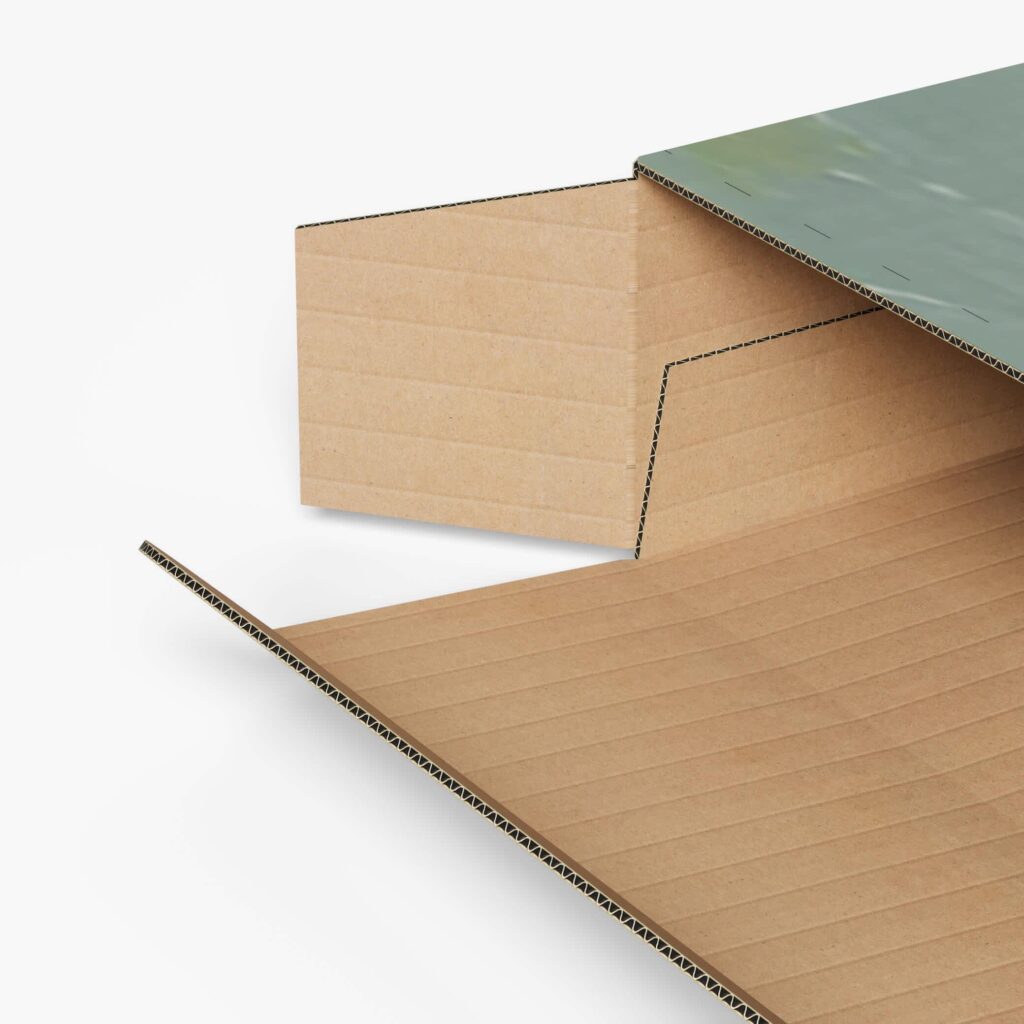
Common features include:
- Easy-open tear strips that eliminate the need for tools
- Foldable flaps that reduce tape usage
- Custom sizing that cuts down on excess filler
They are often used for subscription products, electronics, apparel and direct-to-consumer shipments.
Padded envelopes
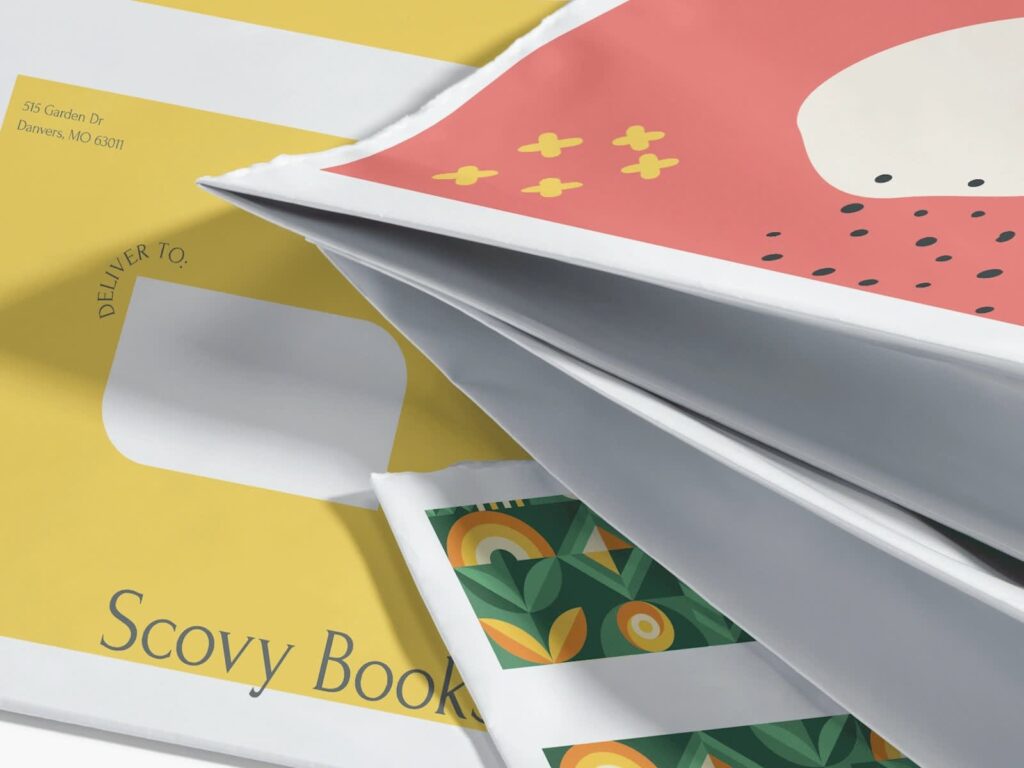
Some products don’t need the structure of a box. Books, cosmetics, accessories and lightweight electronics often fit better inside padded shipping envelopes or mailer pouches. Many include practical features such as peel-and-seal closures and built-in cushioning, helping protect products without adding extra packaging material.
Paper and cardboard inserts
Protection sometimes comes from keeping products in place rather than surrounding them with more material.
Paper and cardboard inserts reduce movement during transit and replace plastic ties or foam fillers. Molded inserts, crinkle paper and tissue paper are frequently used for candles, glassware, cosmetics and multi-item orders.
Biodegradable and recyclable packaging
Eco-friendly, biodegradable and recyclable materials are gaining traction in frustration-free packaging. Popular options include plant-based plastics, which break down naturally over time, and clear recyclable plastics featuring easy-open perforations.
Material made from mushrooms is a standout sustainable packaging trend. Grown from agricultural waste and mycelium (the root structure of mushrooms), this material is fully biodegradable and compostable. A prime example is the Mr. Bailey x adidas Originals collaboration, where a biodegradable mushroom box was created for the Ozlucent shoe.
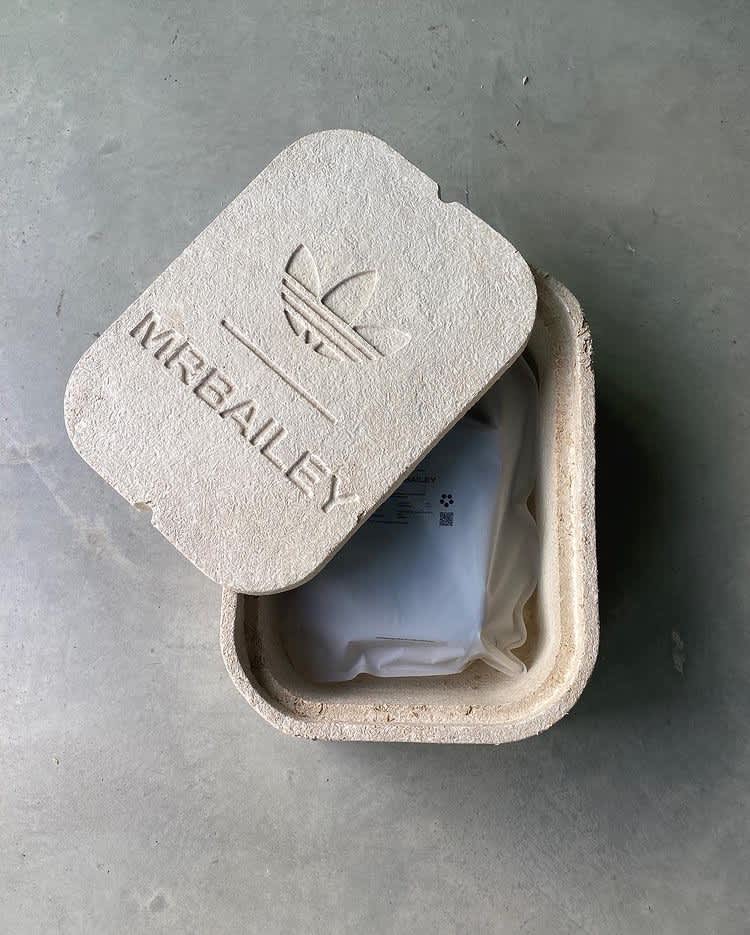
Source: Mushroom shoe box for Adidas by MRBAILEY® via Instagram
Compostable mailers are an awesome way to lower your carbon footprint while maintaining a cohesive brand identity.
Reusable packaging
Some packaging keeps working after the delivery is over. Storage boxes, reusable containers and packaging designed for return systems can extend the life of materials and add practical value.
Cat Person used this approach by creating shipping boxes that transformed into cat play structures. Customers received a package and ended up keeping it around for a different reason entirely.
How to choose the right frustration-free packaging
Now comes the practical part. We’ve covered the common packaging formats, but choosing frustration-free packaging is less about picking a box or mailer and more about matching the solution to what you actually sell.
Most businesses narrow the decision down using three filters: product type, product size and shipping needs and brand priorities.
By product type
The product itself should be your starting point.
- Soft goods → Paper mailers: Apparel, towels and fabric accessories rarely need rigid protection. Paper mailers reduce material use and shipping weight without sacrificing practicality.
- Electronics → Molded pulp inserts: Electronics need stability during transit. Molded pulp inserts hold products and components in place while replacing plastic trays and foam packaging.
- Fragile items → Paper void fill and inserts: Glassware, candles and ceramics need protection against movement and impact. A useful metric here is the box utilization score, which measures how much of the box volume the product occupies. For fragile items, keeping it above 30% helps maintain enough protective “crumple zone” while avoiding oversized packaging.
- Oversized products → SIPP-ready corrugated boxes: Larger products, typically above 18 x 14 x 8 inches, often benefit from shipping-ready packaging. SIPP can reduce extra packaging requirements and help avoid marketplace chargebacks.
To calculate your box utilization score, use the formula
(product volume ÷ box volume) × 100.
By product size and shipping needs
Packaging should also reflect shipping realities. The wrong packaging size can increase costs, create excess waste and make fulfillment more complicated than it needs to be.
- Small and lightweight → Envelopes: Products like cosmetics, accessories, books and small apparel items often work well in envelopes or mailer pouches. They reduce dimensional weight, take up less storage space and avoid unnecessary packaging materials.
- Medium-sized products → Mailer boxes: Products that need more structure or additional protection usually fit better in mailer boxes. They provide room for inserts and cushioning while maintaining a cleaner presentation and a more secure fit during shipping.
- Large products → Ship-in-own-container packaging: Bulky products often benefit from packaging designed to move directly through the shipping process. Using ship-in-own-container packaging reduces extra handling, eliminates additional outer boxes and can lower shipping costs.

By brand priorities
Packaging decisions eventually come back to what the business is trying to achieve. Two brands can sell nearly identical products and still make completely different packaging choices because their priorities are different.
- Cost-focused → Minimal materials: Reducing packaging components, filler materials and oversized boxes can lower both packaging and shipping costs. For growing businesses shipping large order volumes, even small savings per package can add up quickly.
- Eco-focused → Compostable or recyclable materials: Brands prioritizing sustainability often lean toward recyclable paper packaging, compostable mailers or other lower-impact materials. Besides reducing waste, these choices can align with customer expectations around responsible packaging.
- Experience-focused → Reusable packaging or enhanced unboxing: Some brands treat packaging as part of the product experience. Reusable packaging, thoughtful inserts and stronger presentation details can create a more memorable interaction that customers are more likely to share, keep or remember.
How to transition to frustration-free packaging without disrupting your operations
Choosing the right packaging is one part of the process. Moving from traditional packaging to frustration-free packaging is where businesses usually start worrying about cost, delays and operational headaches. The good news is that most problems appear when companies try to change everything at once.
Start with one product line
A full packaging overhaul sounds efficient on paper. In practice, it can create confusion across inventory, fulfillment and shipping processes.
Start with a smaller testing round instead:
- A best-selling SKU with stable order volume
- A high-return product where packaging may already be causing issues
This lowers risk and gives your team room to learn before applying changes across the entire product catalog.
Redesign packaging around the product
Reducing materials and redesigning packaging are not the same thing.
The goal is to create packaging that works around the product itself. When designing product packaging, focus on three areas:
- Fit: Minimize empty space without creating a tight squeeze.
- Protection: Prevent shifting and movement during transit.
- Easy opening: Remove unnecessary steps for customers.
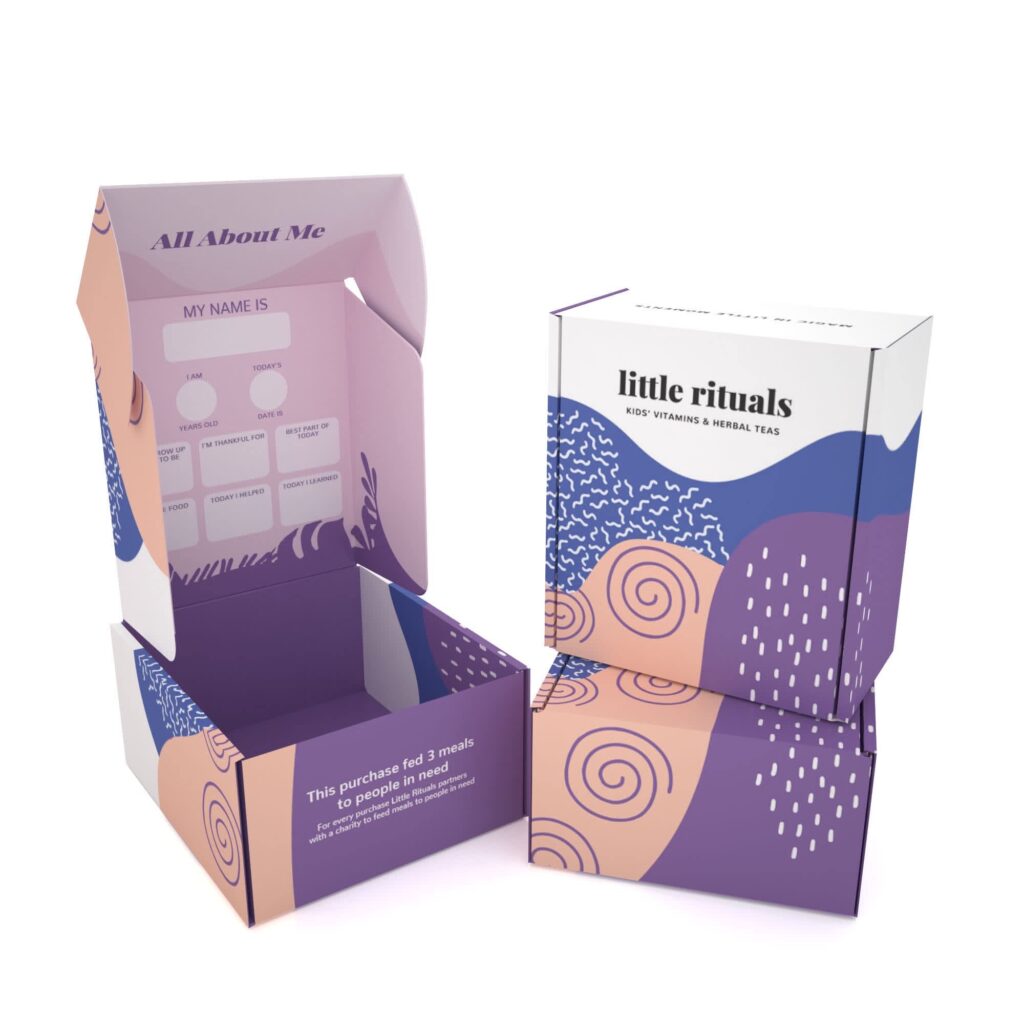
Source: Packaging design by JianBranding™ via 99designs by Vista
Earlier, we covered the risk of removing too much packaging too quickly. This is where that matters. The strongest frustration-free packaging systems are designed around product behavior during shipping, not around using fewer materials at all costs.
Find more packaging design tips and inspiration to make your packaging stand out on the shelf in our article.
Don’t just remove materials, replace them
One of the quickest ways to create shipping problems is treating frustration-free packaging as a process of subtraction. Removing foam, inserts or protective layers without replacing their function can leave products shifting around during transit.
Focus on replacing materials rather than removing them outright:
- Plastic trays and foam → Molded pulp or paper inserts to keep products secure inside the package while reducing plastic use and simplifying disposal.
- Plastic tape → Tear strips or paper tape to make packages easier to open while reducing mixed-material packaging that can be harder to recycle.
After changing materials, verify that the package still performs under real shipping conditions. ISTA-6 physical testing evaluates packaging by recreating situations products encounter during fulfillment and delivery, including drops, stacking pressure, vibration and handling. This helps confirm that material changes still provide adequate protection before packaging reaches customers.
Each material inside a package should serve a purpose. If a component disappears, its job should not disappear with it.
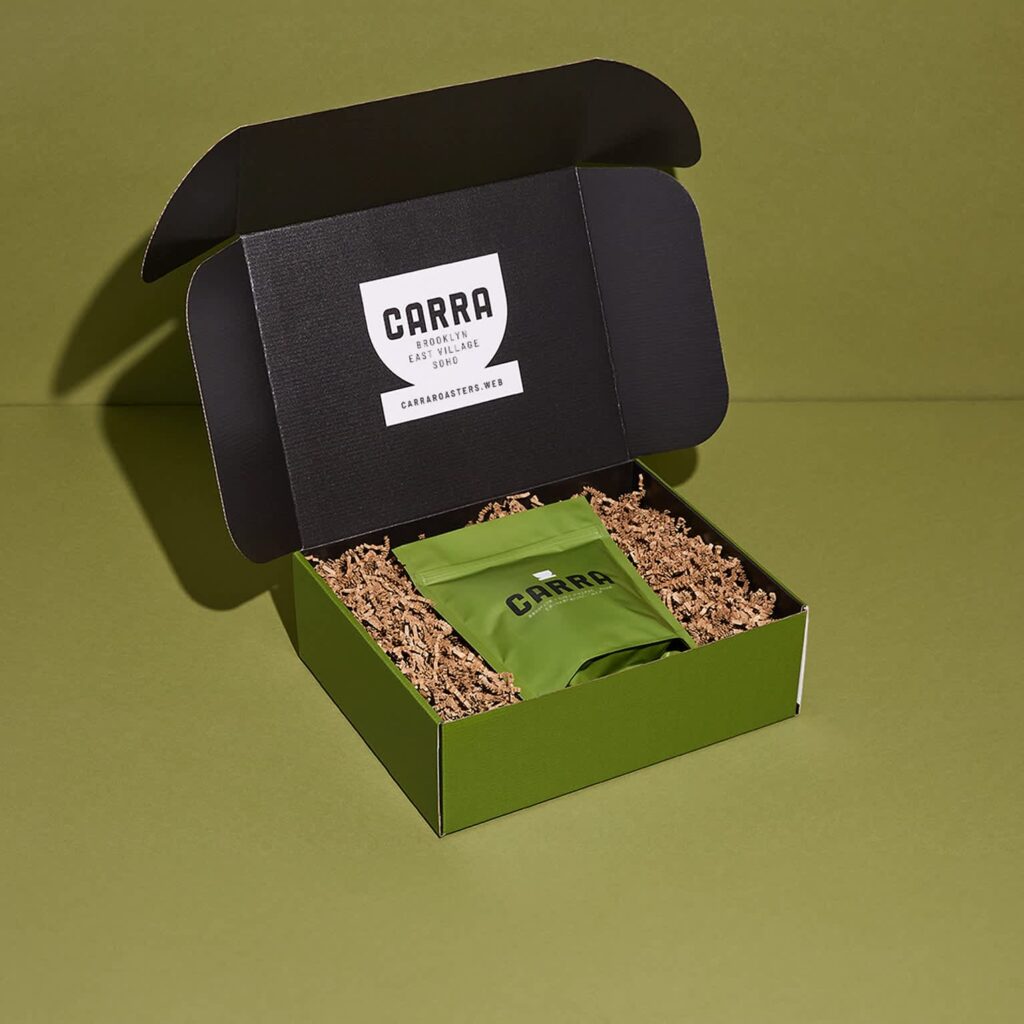
Test before scaling
Packaging rarely reveals its weak points during a meeting or while sitting on a warehouse shelf. Problems usually appear after a package gets stacked under heavier boxes, dropped during transit or opened by an actual customer.
Before rolling out changes across your product line:
- Run basic drop tests: Simulate common shipping conditions and check for movement, damage or structural issues.
- Collect customer feedback: Ask a small group of customers whether the package felt easy to open and adequately protective.
- Monitor return and damage rates: Compare early results against existing packaging performance.
Even a short test period can uncover issues that are much cheaper to fix before they affect hundreds of shipments.
Measure what actually changes
Once the new packaging is live, avoid judging success based on assumptions or first impressions. The useful answers usually sit in a few operational numbers.
Track metrics that reflect both business performance and customer experience:
- Shipping cost per unit: Shows whether smaller packaging is actually reducing costs.
- Packing time: Reveals whether fulfillment becomes faster or more complicated.
- Return and damage rates: Helps identify protection issues that may not be obvious immediately.
- Customer feedback: Highlights how customers respond to the new packaging after delivery.
Get frustration-free packaging branded perfectly for your business
Frustration-free packaging started as a solution to “wrap rage.” Today, it has become a practical way for businesses to reduce waste, lower shipping costs and create a smoother experience from delivery to unboxing. The right solution depends on what you sell, how you ship it and what matters most to your brand.
Making the switch does not require a complete operational overhaul. Start with one product line, design packaging around the product itself and test before scaling. Small changes to packaging size, inserts or opening features can quickly improve efficiency while creating a better customer experience.
Frustration-free packaging FAQs
Does frustration-free packaging cost more upfront?
It can, in some cases, especially if custom sizing or redesigned inserts are involved, but lower material use and shipping costs often offset the initial investment over time.
Can frustration-free packaging work for luxury brands?
Yes. Simpler packaging does not mean generic packaging. Premium materials, thoughtful inserts and cleaner design can create a high-end experience without excess layers.
How often should packaging be reviewed?
Review packaging when products change, shipping costs increase or return and damage rates start moving in the wrong direction.
Can frustration-free packaging help reduce product returns?
Indirectly, yes. Better fit, easier opening and stronger protection can reduce shipping damage and improve customer satisfaction, both of which can affect return rates.