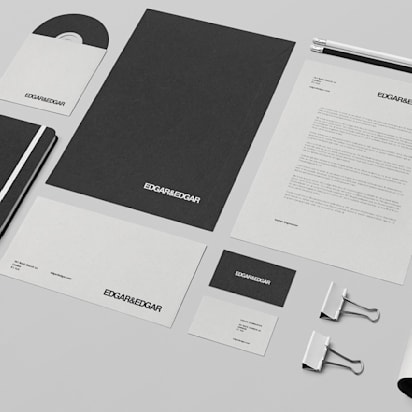
Your company logo is the face of your business. From your website to your packaging, your logo design communicates who you are and helps customers recognize and remember you. In a digital-first world, where attention spans are short and competition is high, understanding the importance of a logo has never been more important for small business owners. Whether you’re starting from scratch or refreshing your branding, this guide to logo importance will explain why your logo matters and how to design one that creates instant brand recognition.
- Understanding logo importance helps small businesses stand out from competitors and communicate their brand image clearly.
- Your business logo should be simple, memorable, timeless, versatile and appropriate.
- Use color, typography and imagery in logo design to shape how customers perceive your brand.
- A well-designed logo works across every touchpoint, from social media to packaging and signage.
- Your logo is often your customer’s first impression, building trust, recognition and long-term loyalty.
What is a logo?
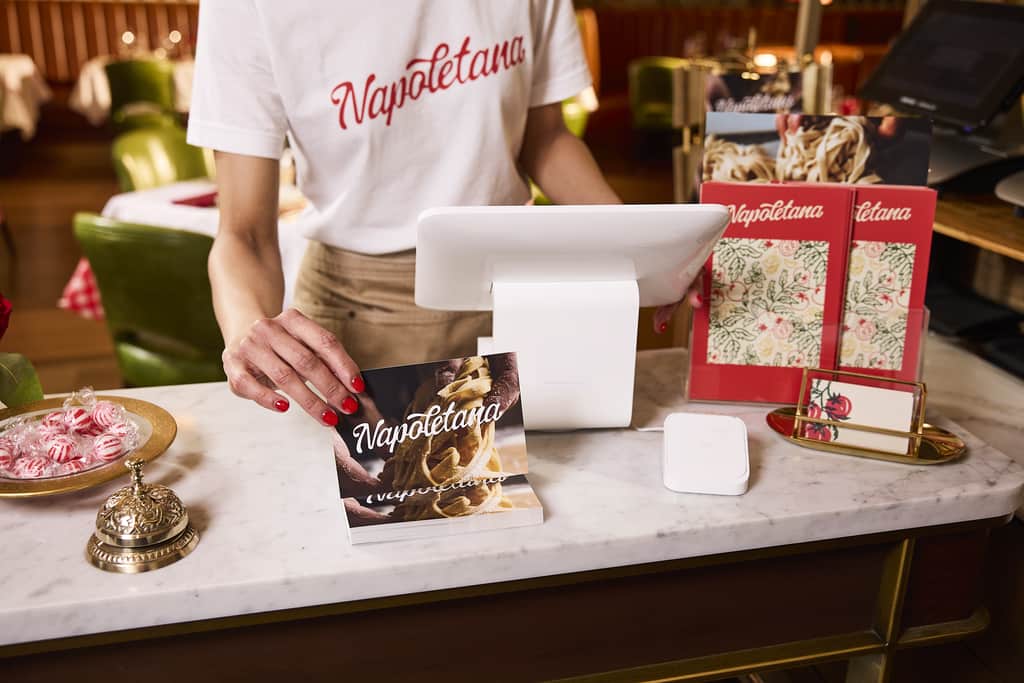
A logo is a powerful tool for branding that represents a brand’s identity. It helps customers instantly recognize and remember your business and understand its core values. Your logo is your brand’s signature, and will be used on everything from signage to business cards.
Want to design your own logo? Learn how to design a logo in our step-by-step guide.
The role of a logo in branding
Your logo is often your audience’s first interaction with your brand. It sets the tone for what customers can expect and reflects your company’s mission and values. Research shows that logos with a simple design are 34% more memorable. And since your logo is the first thing people notice on your website, packaging or storefront, it’s important that your brand logo is professional and well-designed to build customer trust.
For a deeper look at how logos fit within broader brand identity, read our guide to logos vs. branding.
Why is a logo important? Understanding the purpose of a logo
1. Communicates your brand identity
Printed on your products, your logo tells the world and your potential customers who you are, what you value, what type of product or service you sell and what benefits you offer them.
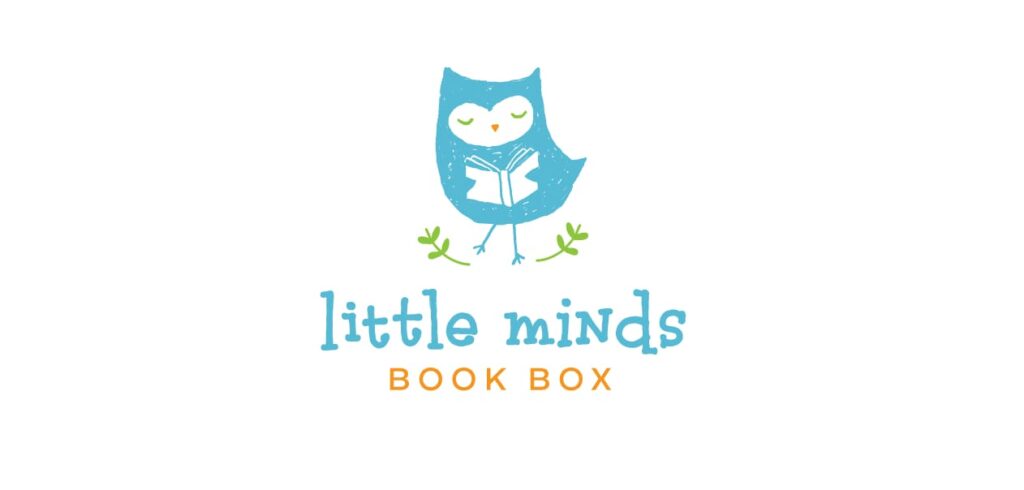
Source: Logo design by green in blue via 99designs by Vista
The owl in the Little Minds Book Box logo is a symbol of wisdom, communicating the benefit the company offers to the customer, i.e. making kids smarter, while this spa brand’s minimalist logo design conveys a premium product that values simplicity.

2. Attracts new customers
A logo that’s printed on your packaging or adorns your storefront sign should be designed to draw interest and pique the curiosity of your potential customers, encouraging them to enter your store or browse your website, and ultimately purchase your product.

3. Sets you apart from the competition
How many pizza places have you seen with a logo that features an Italian, mustachioed chef holding a ridiculously huge pizza wearing a tall white hat and a wide grin? Although certain imagery represents particular industries, a good logo should distinguish you from your competitors and encourage customers to choose you, especially in a competitive market.


4. Encourages brand recognition and loyalty
From time to time, a company will redesign its logo to update its visual identity or reflect a corporate change. While this makes sense from a marketing perspective, especially if the business’s target audience or core values have changed with an evolving market, it can be confusing for customers.
Does your logo need a redesign? Read our handy guide to logo redesign.
A recognizable and familiar logo goes a long way toward building brand loyalty. So if you’re planning to undergo a branding refresh, consider making subtle changes that create a distinctive and memorable identity but don’t affect brand recognition.

5. Versatile
Printing your logo on your marketing, packaging, signage, merchandise, social media and website, helps communicate your brand message and visual identity consistently, whether it’s in store, in your customers’ homes or online.

Learn how to make your logo design adaptable across platforms with our guide to responsive logos.
5 key characteristics of a good logo
Every strong logo shares a few essential characteristics, so whether you’re designing a new logo or adapting an existing one, keep these principles of logo design in mind.
Simplicity
Simple logos are the easiest to recognize and remember. Clean lines and shapes, and a minimal color palette translate better across digital and printed formats. Small businesses can take inspiration from iconic logos like Apple’s or the Nike swoosh, which prioritize simplicity and have minimal details for maximum impact.
Memorability
A memorable logo sticks in customers’ minds. Small businesses should use unique color pairings, clever negative space and original fonts to increase memorability, helping customers to recall your brand later.
Timelessness
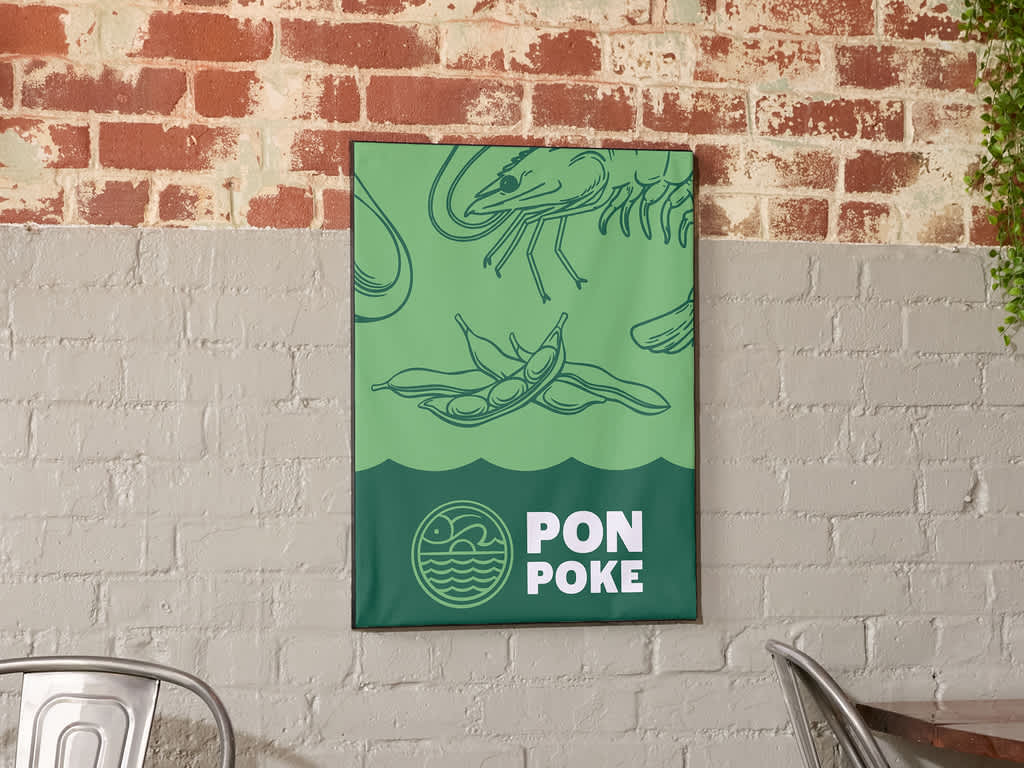
While tapping into current logo trends can help appeal to new audiences, timeless logos go the distance. Avoid overly trendy fonts or shapes that may date quickly. Instead, focus on design choices that feel authentic to your brand values and can grow with your business for years to come.
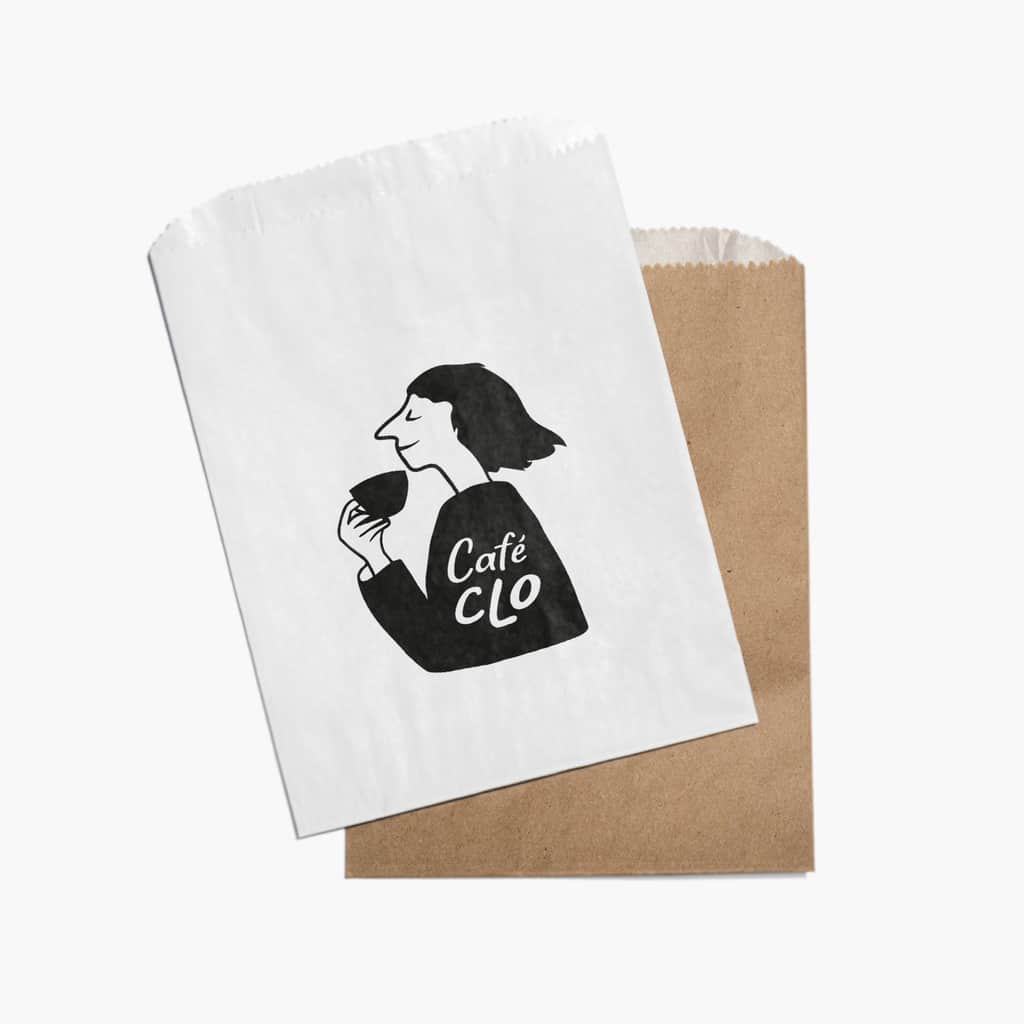
For example, if you run a local café then a friendly font with a simple coffee-cup symbol can feel authentic, without feeling overly trend-led. Or if you run a design studio, then a clean sans-serif wordmark logo is a great way to speak to your reliability and expertise.
Versatility
A good logo should look great everywhere: on social media pages, in print marketing materials, embroidered on merch or printed on signage. That means testing the scalability, color variations and background contrast.

Appropriateness
Your logo should reflect your brand’s personality and fit your audience. For example, while a law firm might choose a serif font for professionalism, a toy shop might go bold and playful with its logo design. When your logo feels appropriate to what you do and your audience, customers will instantly understand who you are.
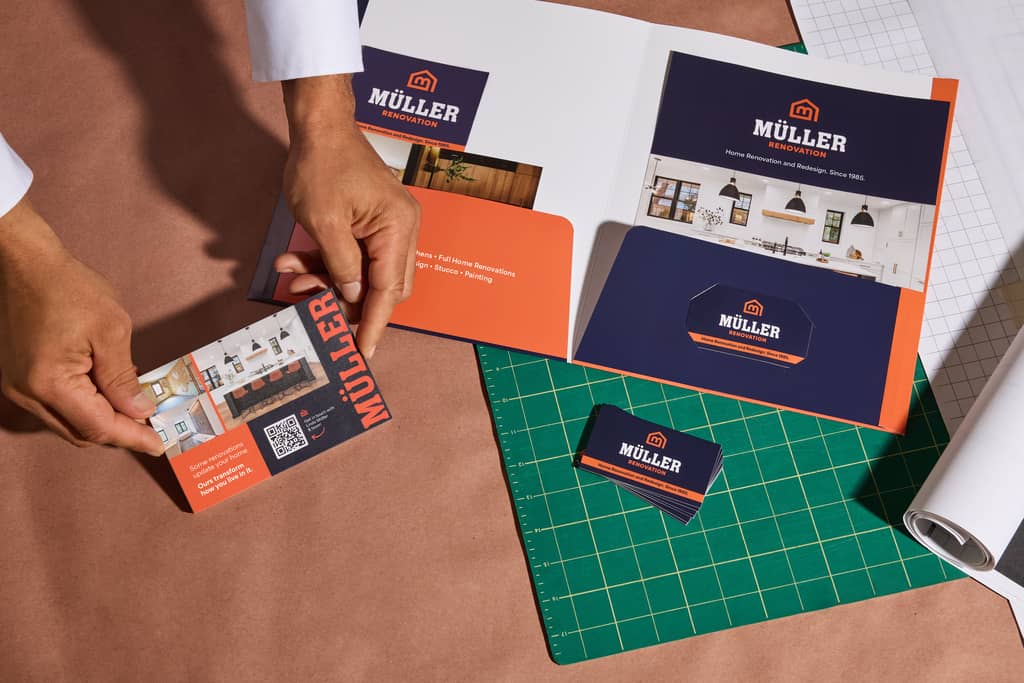
Design elements of an effective logo
Once you know what makes a good logo, it’s time to explore the design elements that bring it to life.
Colors
Colors evoke emotion, and the right color palette helps tell your brand story. Blue conveys trust, red is exciting and green feels calming, so think about how you want people to feel when they see your logo. Always test your logo across different applications in both color and black-and-white versions to ensure that it’s versatile.
Typography
Your font choice communicates your brand’s personality: a sans serif font feels modern, while a classic serif suggests tradition and expertise. Choose typography that aligns with your brand voice and target audience, avoid overly decorative fonts or tight spacing, and make sure your text, especially when designing a logo with a tagline, is legible at every size.

Imagery and symbols
Icons and symbols help make your logo visually distinctive and meaningful. Whether it’s an abstract mark or a literal image, imagery and symbols in branding should always enhance a brand’s story. Keep icons simple and scalable to maintain their impact across different applications.

A well-balanced logo combines text and imagery in a way that feels natural. Too much detail can clutter the design, while too little may limit recognition and memorability.
Explore the different types of logos like wordmarks, emblems or combination marks to find what suits your brand best.
Designing a logo
Designing a unique logo that fosters an emotional connection and leaves a lasting impression doesn’t require a massive budget or even a graphic designer. But it does need clarity, creativity and the right tools.
- Research and inspiration: Study your competitors’ logos and note what works in your industry.
- Brainstorm the concept: Sketch out different shapes, icons and ideas that reflect your brand.
- Create the design: Bring your vision to life with easy-to-use tools like the VistaPrint Logomaker.
- Get feedback and refine: Share with friends, employees and loyal customers and refine using their suggestions.
- Finalize and deploy: Apply your logo across your printed materials and digital channels.
Common mistakes to avoid
It’s easy to overcomplicate your logo design, but too many details make it hard to print at small sizes, so aim for simplicity. Make sure your logo looks great on everything from signage to social media icons, at different sizes and viewed at various distances. And finally, don’t follow trends blindly. Minimalist and geometric logos may be popular right now, but timeless logo designs always win.

Why your logo matters now more than ever
Running a business in a digital world means your logo needs to work everywhere—on social media, apps, packaging and merchandise. Consumers value authenticity and visual clarity more than ever, and a logo that scales across platforms will help you stay visible and professional. Minimalism, bold color contrast and responsive design mean that your logo is clear, recognizable and contributes to your brand’s storytelling. We’ve helped thousands of small businesses create logos that build brand recognition and customer loyalty.
Logo importance FAQs
What is the value of a logo?
A good logo builds customer trust, brand loyalty and a professional image that gives your business a competitive edge. Consider how your logo compares to that of your competitors, and choose design elements—colors, typography and imagery—that will help it stand out from the crowd.
How does a logo help build brand recognition?
A consistent logo reinforces familiarity every time your audience sees it, helping them associate visual elements with your brand. The more recognizable your logo is, the more likely customers are to remember and choose your brand over your competitors.
When should a small business consider updating its logo?
When your business evolves, your audience changes or your logo no longer reflects your brand identity, it may be worth updating your logo. Refreshing your logo can help modernize your visual identity while maintaining brand recognition.
How can small businesses ensure their logo is used consistently?
Create a brand style guide that defines how and where your logo should appear. Use the same versions of your responsive logo across all printed and digital assets, but adapt them for scale and context.