Logo printing can feel overwhelming if you’ve never done it before, especially when you’re trying to figure out how to print your logo on everything from T-shirts to packaging without wasting time or stretching your budget. You want your brand to look polished, you want customers to remember it, and you definitely don’t want to guess your way through the process.
This guide walks you through every step with clarity and zero fluff. You’ll learn how each logo print method works, how to prep your artwork properly and how to choose the right materials so your branding holds up in the real world. By the end, you’ll know exactly how to print your logo on anything with confidence.
- Logo printing is the process of applying your logo to physical materials, helping you strengthen brand recognition and extend your visibility across products customers use or see regularly.
- The main types of logo printing include screen printing, embroidery, DTG, heat transfer, sublimation, pad printing, UV printing and engraving – each suited to different surfaces and design needs.
- To print a logo effectively, you need to consider the material, the level of detail in your design, budget, print method compatibility and proper file preparation.
- Emerging logo printing trends include 3D printing, eco-friendly inks and materials, sustainable production methods, personalized products and localized on-demand printing.
What is logo printing?
Logo printing is the process of applying your brand’s logo to physical items using various print techniques so your business is easy to recognize in daily interactions. It strengthens the overall importance of a logo because each printed item reinforces what your brand represents.
Why logo printing is crucial for small businesses
Small businesses rely on logo printing for apparel, packaging, promo swag and everyday marketing materials. Uniforms create a cohesive look for staff, branded mailers elevate the unboxing experience and giveaways like pens, tote bags or stickers keep your name in circulation. Together, these items link your logo and branding in a way customers remember.
Here’s why logo printing matters:
- Constant brand visibility. Your logo shows up in customers’ daily environments, which helps them remember your business.
- Brand identity reinforcement. Consistent printing across products sharpens recognition and builds trust.
- Expanded reach. Branded items get shared, borrowed or photographed, introducing your business to new audiences at no extra cost.
- Cost-effective marketing. Once printed, products keep promoting your brand without ongoing expenses.
- Customer loyalty. Quality swag feels rewarding, encouraging customers to stay connected to your business.
- Effective at events. Giveaways draw people in, start conversations and stay with attendees long after the event.
- Social media exposure. Photogenic apparel or packaging inspires customers to post and tag your brand.
- High ROI. Useful items remain in circulation for months or years, generating more exposure than many paid ads.
Types of logo printing techniques
There are several ways to print your logo on products, and each method uses a different process, finish and level of detail. Some shine with large batches, others are built for small custom runs and a few work best for specific materials.
Every technique has advantages, limitations and ideal use cases, so understanding the basics helps you choose the right approach instead of guessing your way through the options.
Screen logo printing


Screen printing uses a mesh stencil, also called a screen, to press thick layers of ink onto fabric or other surfaces. Think of it as pushing ink through a cutout pattern. Because the ink sits on top of the material in solid layers, the colors look bold and stay vibrant for a long time. This method is popular for logo printing because it handles everyday wear well and produces consistent results across big batches.
| Pros of screen logo printing | Cons of screen logo printing |
|---|---|
| Great pricing on large orders | Setup costs make small batches less efficient |
| Colors come out bright and long-lasting | Fine details can get lost due to thicker ink |
| Works on many materials | Each color needs its own screen |
Best for: T-shirts, tote bags, hoodies and any large-batch order
Logo embroidery


Embroidery uses tightly stitched thread to sew your logo directly into the fabric. Instead of ink, you get raised stitching that feels durable and adds texture. It’s often used when you want your logo to feel professional or long-lasting, especially on heavier fabrics where printed ink wouldn’t hold up as well.
| Pros of logo embroidery | Cons of logo embroidery |
|---|---|
| Extremely durable and resistant to fading | Not suitable for gradients or small, thin lettering |
| Creates a polished, textured look | More expensive for complex designs |
| Ideal for thicker fabrics | Limited color blending |
Best for: Hats, polos, jackets and uniforms that need a more elevated or long-wearing finish
Direct-to-Garment (DTG) logo printing


DTG printing works like a high-resolution inkjet printer for clothing. The machine sprays water-based ink directly into the fabric fibers, which allows for detailed artwork that screen printing can’t handle. This method shines when your logo print includes gradients, shading or many colors. It’s also ideal for small batches because it doesn’t require screens or setup fees.
| Pros of DTG logo printing | Cons of DTG logo printing |
|---|---|
| Handles complex or highly detailed designs | Works best on 100% cotton |
| No setup cost, perfect for small orders | Ink may appear softer than screen printing |
| Accurate color output | Not the fastest option for bulk orders |
Best for: Intricate designs, small quantities and apparel that needs a soft, high-detail finish
Heat transfer logo printing


Heat transfer printing uses a printed design or logo film printing sheet that’s pressed onto fabric with heat and pressure. The design sits on top of the material, almost like a decal. This makes it practical for short runs, personalization or orders that need fast turnaround. If you’ve ever thought, I just need to print my logo on a few shirts without a complicated setup, heat transfer fits that need.
| Pros of heat transfer logo printing | Cons of heat transfer logo printing |
|---|---|
| Affordable for limited quantities | Prints can fade or crack over time |
| Easy to produce multicolor designs | Not ideal for heavy or frequent washing |
| Great for quick custom jobs | Slightly plastic feel depending on material |
Best for: Custom T-shirts, small orders, on-demand designs and items that won’t be worn daily or washed often.
Sublimation logo printing


Sublimation uses heat to turn dye into gas, which then sinks into polyester fibers or specially coated surfaces. Because the dye becomes part of the material itself, the print never cracks, peels or fades. It’s ideal when you need full-color designs that cover the entire product, including edges or curved surfaces. This method is often used for promotional items because the results are sharp and long lasting.
| Pros of dye sublimation logo printing | Cons of dye sublimation logo printing |
|---|---|
| Permanent, vibrant colors | Only works with polyester or coated surfaces |
| No peeling or cracking | Not suitable for cotton |
| Excellent for full-color all-over designs | Colors may shift depending on coating quality |
Best for: Sportswear, mugs, promotional items, nameplates and polyester-based products that need durable, high-color artwork
How to choose the right logo printing method
Choosing the best way to print your logo depends on what you’re printing, how you want it to look and how much you plan to spend. If this is your first time navigating printing methods, the considerations below will help you narrow the options quickly and avoid common mistakes. Each factor plays a different role in determining which technique will give you the most reliable, good-looking result.
Material of the item
Different printing methods only work on certain surfaces, so start by confirming what your product is made of:
- Screen printing and DTG work best on cotton or cotton-blend fabrics.
- Embroidery requires thicker materials so the stitches don’t warp.
- Heat transfer can handle most fabrics but may struggle with heavy daily wear.
- Sublimation only works on polyester or items with a special coating.
When you match the method to the material, the print lasts longer and looks cleaner.


Desired print quality
Look at your logo’s details before choosing a method. Some methods sit on top of the material while others blend into it, which affects how polished the final product looks.
If you need sharp lines, gradients or tiny text, DTG and sublimation offer the most accuracy. Embroidery adds texture but can lose fine elements. Screen printing is ideal for bold, simple logos with solid colors.
Budget considerations
Costs vary widely depending on the method and order size:
- Screen printing has upfront setup fees but becomes very affordable for larger batches.
- DTG and heat transfer are better for small runs with no setup charges.
- Embroidery tends to be more expensive per item because of the stitching time involved.
For small businesses, balancing cost with the level of quality you want helps you stay within budget without settling for a weak result.
Comparing cost-effectiveness
Once you know your material, logo style and budget, compare how far each method will take you.
If you’re printing hundreds of shirts, screen printing usually offers the best value. For detailed artwork or one-off items, DTG is efficient and accurate. Embroidery is cost-effective when durability matters. Sublimation is the strongest choice when you need full-color prints that never peel.
Preparing your logo for print
After choosing a printing method, the next step is getting your logo ready for production. Proper preparation helps avoid blurry edges, incorrect colors or sizing issues that only show up once the product is printed. A few intentional adjustments upfront make the entire printing process faster, cleaner and far less stressful.
Design considerations for printing
A logo that looks great on your website doesn’t automatically behave well on physical products. Size limits, material textures and print areas all affect how your logo appears in real life, so a little planning goes a long way.
Consider the following logo design tweaks to ensure your logo holds its shape and personality no matter where you print it:
- Simplify when necessary. Small items such as pens, keychains or embroidered patches can’t hold fine details. Thin lines or decorative elements tend to disappear when printed at small scales. If your design includes a logo with a tagline, create an alternate version that removes the tagline for tight print spaces.
- Consider surface texture. Smooth items like mugs show crisp edges, while coarse fabrics can soften lines. Adjusting line weight or spacing helps maintain clarity.
- Prepare size-friendly variations. You might need a horizontal version for wide products, a stacked version for narrow items or a simplified mark for very small prints. These variations keep your branding consistent while still fitting the product’s shape.
- Check contrast and visibility. Subtle color shifts can get lost on darker fabrics or textured materials, so reviewing how your logo appears against different backgrounds prevents surprises later.
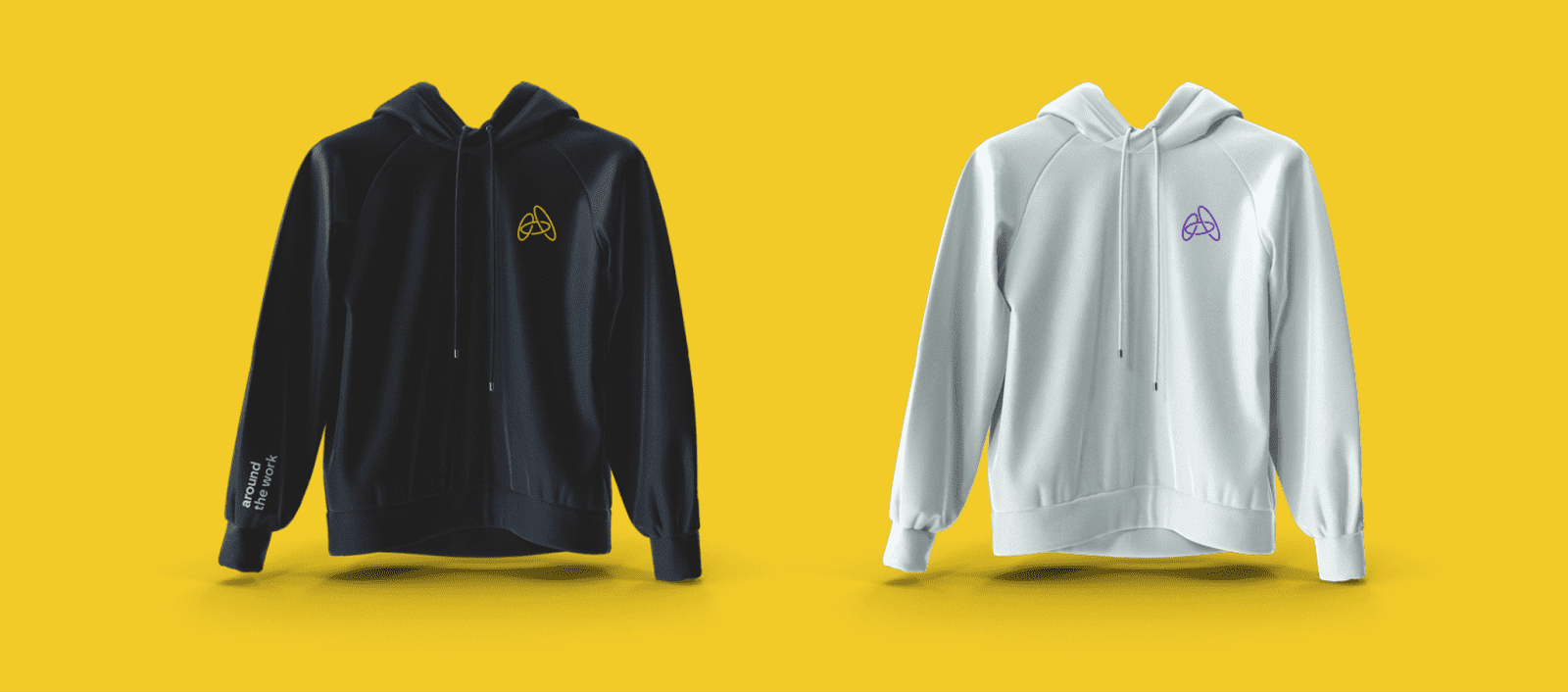
Source: Branded hoodie with a logo by goopanic via 99designs by Vista
File formats and resolution
Your file format determines how well your logo can be resized or adapted across different products. Vector files like EPS or AI are the safest choice because they keep edges crisp at any scale. They also give printers more flexibility with color adjustments, which helps when switching between techniques like screen printing, heat transfer or sublimation.
Color mode is another key piece. Use CMYK for printing and keep RGB files for digital use, since each mode handles color differently.
Finally, resolution also plays a role in clarity. High-quality prints need 300 DPI or more for raster images.
If your logo is fully vector, you won’t need to worry about DPI at all.
Working with designers
If you’re teaming up with a designer to refine or prepare your logo files, share printing details early so they can build the artwork correctly.
A few helpful steps:
- Provide the product dimensions and any size limitations.
- Explain which printing method you plan to use so they can adjust line thickness, color choices or spacing accordingly.
- Share a clear logo design brief so your designer understands how and where the logo will appear.
Strong communication makes the output more predictable and ensures your file arrives print-ready instead of needing multiple revisions later.
Logo print materials and special considerations
By now, you’ve seen how much the material influences which logo printing method works best. This is where those earlier considerations come into play. Different surfaces react to ink, heat or stitching in their own ways, so understanding how each material behaves helps you avoid smudging, fading or distorted prints.
Let’s break down the most common categories so you can print your logo confidently on anything from apparel to tech accessories.
Logo printing on soft fabrics
Common materials: cotton, polyester, cotton blends, fleece
Soft fabrics remain the most popular category for branded products, but each fabric type affects the clarity, durability and overall feel of your logo. Cotton absorbs ink well, polyester reacts differently to heat and blends sit somewhere in between. Knowing how these materials behave makes your printing method choice far easier.
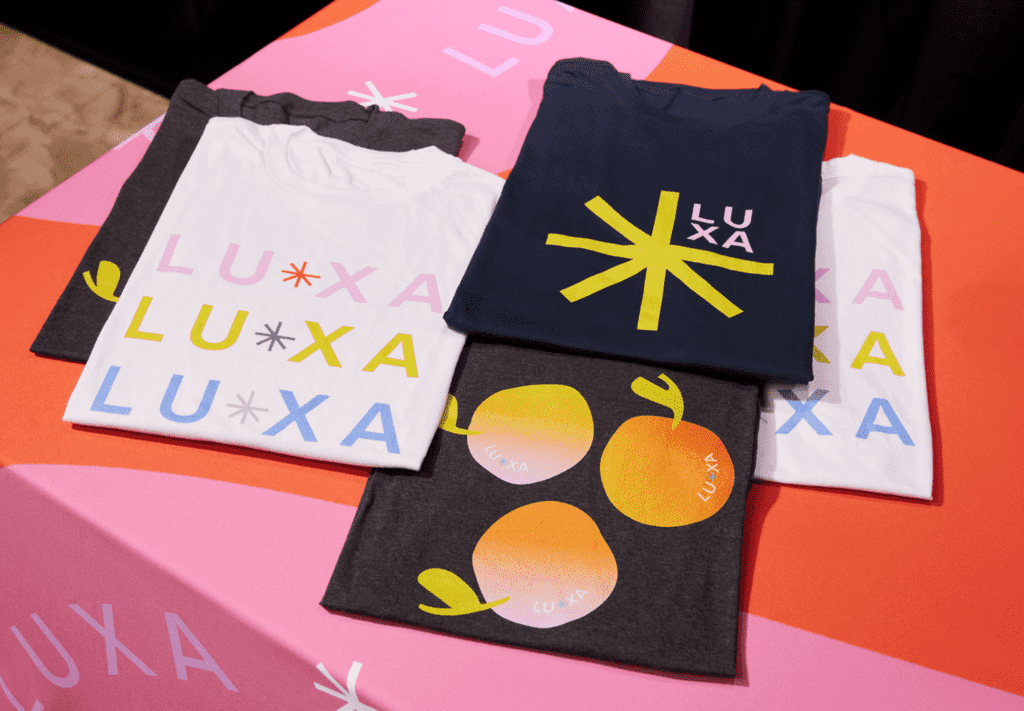


Screen printing remains one of the most reliable techniques for cotton and cotton-blend fabrics, especially when you’re ordering in bulk and want bold, long-lasting colors.
DTG shines when your logo includes gradients or intricate details, since the ink settles into the fabric fibers instead of forming a thick layer on top.
Embroidery is another strong option for soft fabrics, particularly when you want a polished, durable finish on polos, sweatshirts or jackets.
Design considerations:
- Scalability matters. Your logo should hold up whether it’s a small chest placement or a full back print. Consider revisiting the principles of logo design to ensure your logo behaves well at different sizes.
- Fabric texture affects clarity. Cotton stretches over time, which can distort printed details. Polyester can repel some inks, so DTG may not always give sharp results.
- Color contrast is key. Bold shades stand out better on heathered or textured fabrics.
Logo printing on harder surfaces
Common materials: ceramic, metal, plastic, glass
Hard surfaces offer a completely different printing landscape. Ceramic, metal, plastic and glass require methods that can attach ink or engraving cleanly to slick or curved surfaces. These items often see heavy use, so durability becomes an important part of your decision.
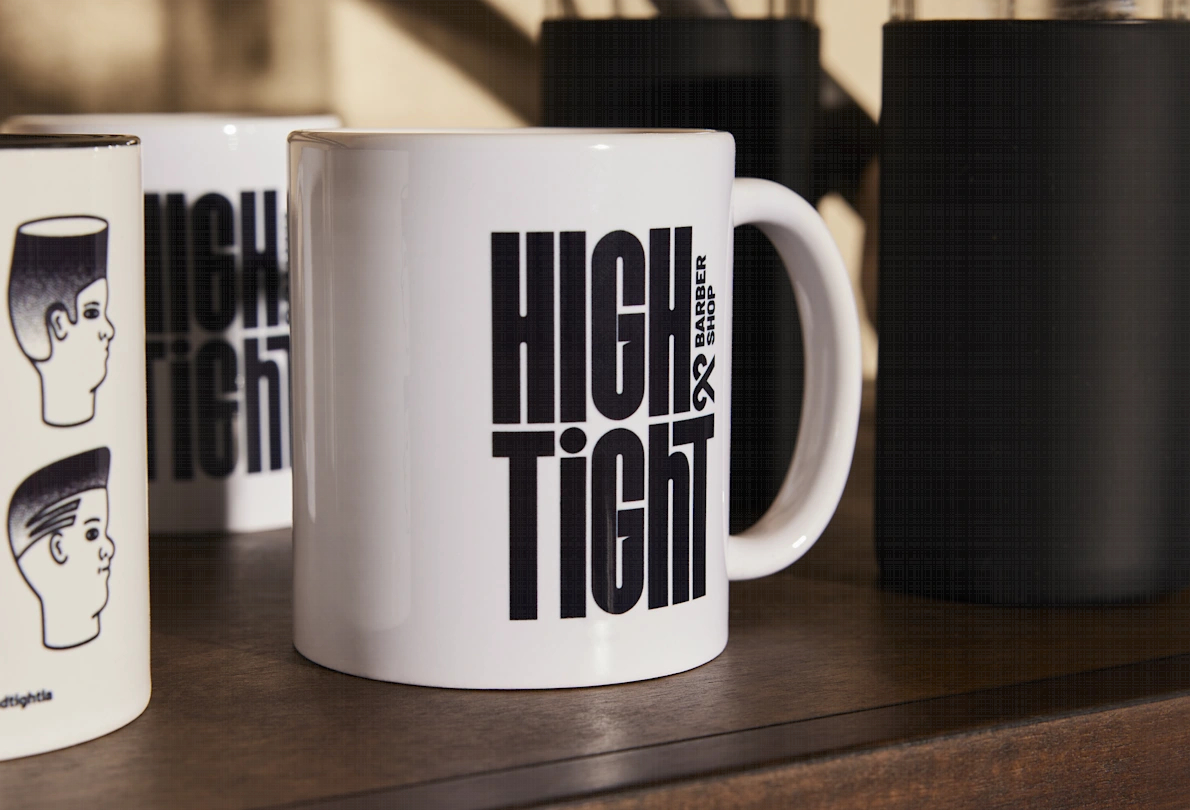


Sublimation is a strong option for mugs and other coated ceramics because the dye bonds with the surface, producing vibrant prints that hold up well over time.
For smaller items that require precise detail, such as pens or USB drives, pad printing delivers clean, accurate results.
When you’re working with metal accessories or premium promotional gifts, laser engraving offers a permanent, refined mark that doesn’t wear away. For rigid, non-porous items like water bottles or custom cases, UV litho printing provides a crisp, durable finish that stays sharp with regular use.
Design considerations:
- Curved surfaces need attention. Mugs and bottles can warp a logo if it wraps too far around the curve.
- Transparent materials distort color. Clear plastics and glass may lighten or blur parts of the design, so bold colors or dark outlines help maintain readability.
- Durability varies. Mugs require washing, metal items get tossed around and plastic can scratch. Match the method to the item’s lifespan and use.
Logo printing on paper products
Common materials: paper, cardstock, cardboard
Paper products are often the first branded materials customers interact with, whether you’re handing out business cards, brochures or product inserts. Unlike fabric or plastic, paper absorbs ink in its own way, and the finish plays a major role in how your logo looks once printed. Because paper varies so much in texture and thickness, those differences influence how colors appear and how cleanly the ink settles.


![Pink branded postcard with the brand logo on a textured background on one side and the text “Sale sneak peak” on the other side]](https://res.cloudinary.com/vistaprint/images/w_600,h_600,c_scale/f_auto,q_auto/v1765236365/ideas-and-advice-prod/blogadmin/MXP331181-WPT2-0-ProductTile-Postcards-Dew-001_EN-US-S/MXP331181-WPT2-0-ProductTile-Postcards-Dew-001_EN-US-S.png?_i=AA)

Digital printing tends to be the most versatile choice for paper, particularly when you need smaller quantities or artwork with complex color details. Screen printing becomes useful for larger runs on smooth, flat surfaces such as posters, where solid colors and consistency matter.
If you’re aiming for a more tactile or premium finish, embossing can add a raised texture, while debossing creates a recessed impression that feels refined and understated. Foil stamping offers another option by adding a metallic sheen, which works well for business cards, invitations or premium packaging.
Design considerations:
- Paper thickness and finish change the final result. Glossy paper makes colors pop, while matte softens the look for a more understated, professional style.
- Leave room around your logo. Crowded layouts make logos look cramped and hard to read.
- Think about brand perception. Finishes like foil or embossing carry emotional weight for customers. The psychology of logo design plays a role here, especially when positioning your brand as premium or professional.
Logo printing on packaging and labels
Common materials: cardboard, kraft paper, plastic bags, fabric pouches.
Packaging often plays a meaningful role in the overall product experience, which makes it important to choose a printing method that fits both the material and the impression you want to create. Since packaging can range from rigid cardboard and kraft paper to plastic bags and fabric pouches, each type calls for its own approach to ensure the logo prints cleanly and consistently.


Flexo printing is often the go-to choice for flexible materials such as plastic bags or thin cardboard because it performs well at high volumes and maintains consistent results. Litho printing works better for rigid packaging that needs crisp, detailed imagery.
For smaller batches or seasonal designs that may change frequently, digital printing provides the flexibility to update artwork without large setup costs. When a more elevated feel is needed, foil accents and embossing can add depth and refinement, making them a popular option for premium packaging.
Design considerations:
- Contrast improves recognition. Light logos on dark packaging or vice versa. Avoid mid-tones on kraft paper; they tend to disappear.
- Material finish affects color strength. Glossy surfaces boost vibrancy, while matte tones everything down for a more minimal look.
- Respect the imprint area. Packaging often has folds, seams or windows. Make sure the logo sits in a clean, unobstructed zone.
Logo printing on promotional swag
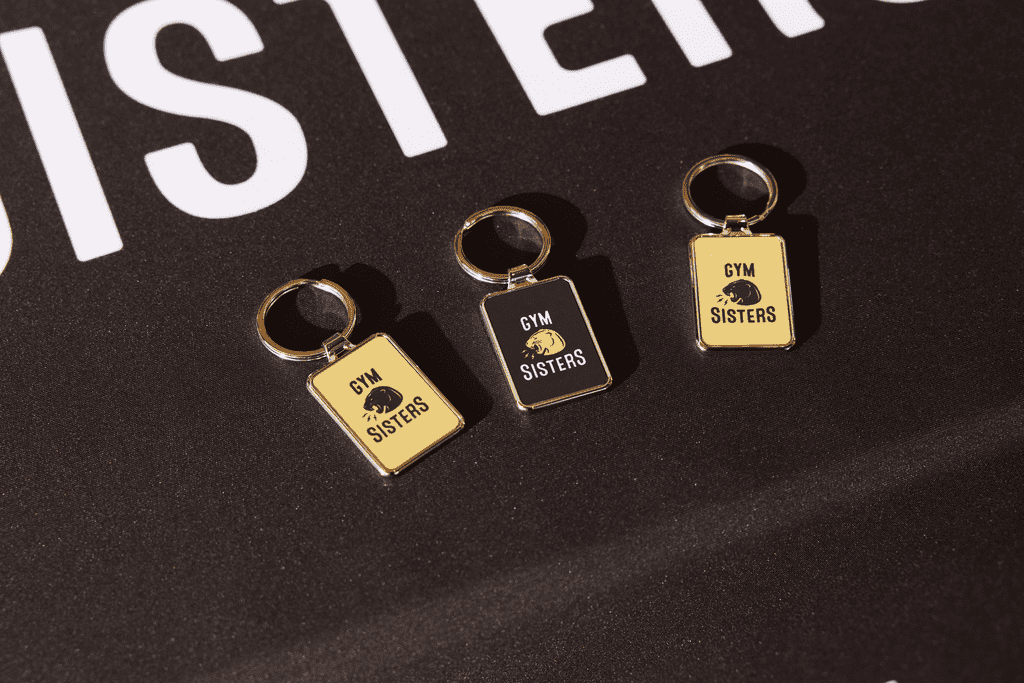
Common materials: plastic, rubber, fabric, metal
Promotional items come in countless shapes and materials, and they often end up in places far beyond your business, which makes them a strong passive marketing tool. Their variety means the logo printing approach has to match the item’s size, texture and intended use. Since each material reacts differently to ink, heat or engraving, choosing the right method ensures your logo prints clearly and holds up over time.


Design considerations:
- Consider the imprint area. Make sure your logo fits within the imprint area without being stretched or cut off, especially on smaller items like pens and keychains.
- Keep logo size adjustable. For smaller promotional items, use a simplified version of your logo or a monogram.
- Prioritize use. Consider the practicality of the item and how often it will be used – items like water bottles and reusable bags offer long-term advertising potential.
- Choose durable materials. Ensure that the logo will withstand daily wear and tear.
Logo printing on unconventional materials
Common materials: silicone, rubber, glass, wood
When you move into more unusual items like silicone cases, wooden tools or glass accessories, the printing method has to adapt to textures that aren’t always uniform. These items can make memorable marketing pieces, but they benefit from techniques designed for specialty surfaces.
The usual logo printing methods for unconventional materials include:
- Laser engraving: Ideal for wood, metal and glass items, providing a permanent mark.
- UV Printing: Can print on various materials, including glass, metal and plastic, with high color accuracy.
When putting your logo on such surfaces, consider how the material texture will impact the appearance of the logo (e.g., engraved logos on wood may not be as vibrant as those on plastic). For smaller or more intricate items, keep the design simple to ensure clarity and legibility.
Emerging trends in logo printing
Logo printing already offers plenty of established methods, but new technologies and shifts in consumer expectations continue to shape how brands print their logo on products. Staying aware of these trends helps businesses plan ahead, experiment with fresh ideas and keep their branding competitive in a market where customers expect more customization, sustainability and innovation.
Technological advancements
New production tools are expanding the possibilities of logo printing, especially for businesses looking to create standout promotional items. One of the most notable developments is the growing use of 3D printing. This technology makes it possible to create raised or sculpted logos on items like keychains, trophies or small giveaways, adding a depth and texture traditional methods can’t replicate.
While still developing, 3D options are becoming more accessible for small businesses that want a high-end finish without relying on large production runs. It’s a useful direction to watch if you’re planning to print your logo in more dimensional or tactile ways.
Eco-friendly logo printing practices
Sustainability continues to gain ground in the printing world, influencing how businesses choose materials, inks and production processes. For brands focused on responsible logo printing, a few approaches stand out:
- Eco-friendly inks. Water-based and soy-based inks are replacing petroleum-based formulas, offering safer, more environmentally responsible options with strong color performance.
- Recyclable and biodegradable materials. Paper, fabric and some plastics now come in eco-conscious versions that break down naturally or can be recycled after use.
- Sustainable printing processes. Print-on-demand services reduce overproduction and material waste by producing items only when needed.
- Waterless printing. A method that avoids water entirely, lowering environmental impact and improving production efficiency.
These options help reduce waste while appealing to customers who factor sustainability into purchasing decisions.
Customization and personalization trends
Personalization continues to influence how businesses print their logo or adapt their artwork for customers. Advancements in digital and on-demand printing now allow brands to incorporate names, short messages or individualized designs without slowing down production. This level of customization boosts engagement and encourages repeat purchases because shoppers feel more connected to the product.
On-demand and localized printing services
Faster equipment and more accessible technology have made local and on-demand printing far more common. Many businesses now rely on nearby printers or small-batch suppliers for quicker turnaround times, reduced shipping costs and more flexibility when testing new designs or seasonal products. This approach also supports more sustainable practices since materials aren’t transported long distances or produced in excessive quantities.
If you’re expanding your lineup of branded products or testing new markets, localized printing can make it easier to logo print items in smaller batches without cutting corners on quality.
Ready to print your logo on anything and everything?
You’ve now covered the full landscape of logo printing, from understanding each technique to preparing your files and selecting the right materials. At this point, you know how to pick the method that fits your product, set up your logo so it prints cleanly across different surfaces and avoid issues that tend to show up only after production begins. You also have a sense of where the industry is headed, with emerging technologies and sustainable practices shaping how businesses brand their products.
The next step is experimentation. Try different materials, test new finishes and explore methods you haven’t used before. Every product offers a chance to refine how customers see your brand, so don’t hesitate to mix approaches or watch how new printing trends evolve.
If you’re ready to bring your branding plans to life, VistaPrint offers reliable printing services that make it easy to print your logo across apparel, packaging, promotional items and more. And if you’re still perfecting your logo or need a fresh one entirely, VistaPrint’s Logomaker can help you create a custom design in minutes.
Logo printing FAQs
How durable is logo printing on different materials?
Durability depends on both the material and the printing method.
- Screen printing and embroidery hold up extremely well on fabrics, even after repeated washing.
- Direct-to-Garment is durable but performs best on 100% cotton and may fade faster with heavy use.
- Sublimation on coated ceramics or polyester is long lasting because the dye becomes part of the material.
- Pad printing on plastics is durable for everyday items but can wear down with constant friction.
- Laser engraving on metal or wood is the most durable option since the mark is etched permanently into the surface.
What should I do if my logo colors look different when printed?
Start by checking whether your file is in CMYK rather than RGB, since printers use CMYK ink and will automatically adjust colors that were designed for screens. Request a color proof or sample print before full production to confirm how your shades appear on the chosen material. If you use brand-specific colors, provide Pantone codes so the printer can match them accurately.
Keep in mind that textured surfaces, glossy coatings and different fabric types can all slightly alter color appearance.
How can I repurpose my printed logo designs for other marketing materials?
Use a vector version of your logo (AI, EPS or PDF) so it scales cleanly for any size, from business cards to signage. As part of your brand style guide, create a small library of logo variations, such as horizontal, stacked and simplified versions, to fit different layouts. Reuse the same color values, spacing rules and proportions to keep everything consistent across print and digital materials.
If you’ve already printed products, photograph them and use those images in your marketing, social posts or product pages to strengthen brand recognition.
Can I print my logo on unusual or hard-to-print items?
Yes, but the method must match the material. Silicone, rubber, wood, glass and metal often require specialized techniques like laser engraving or UV printing for clean, long lasting results. Small or oddly shaped items may need simplified logo versions to maintain readability. Before ordering, ask the printer which methods work best for your specific item and request a test print when possible to avoid clarity or durability issues.