Struggling to get eyes on your clothing line? With so many established and emerging clothing brands competing for consumers’ attention, it’s easy to feel like your fashion brand is getting lost in the crowd. The good news is that marketing clothing can be pretty simple. By focusing on strategies that are both creative and actionable, you can attract new customers and build a loyal following.
In this guide, we’ll walk you through how to market a clothing brand in seven steps, with practical insights tailored for small clothing brand marketing and growing a fashion business. Whether you’re about to launch a new fashion business or looking to grow your presence, effective marketing is the key to standing out and connecting with your target audience. From building a strong brand identity to using social media and optimizing your website, here’s how to get your clothing line in front of the right people.
- Market your clothing brand effectively by using multiple channels to connect with your target audience, showcase your products and build brand recognition.
- Social media platforms like Instagram, TikTok and Pinterest are ideal for visual storytelling and engaging your target market.
- Share engaging content like high-quality photos, styling tips and behind-the-scenes video to highlight your brand’s story and personality.
- Optimize your website for a seamless shopping experience so customers can easily browse and buy from your digital storefront, using professional images, detailed product descriptions and clear navigation.
- Collaborate with influencers, leverage user-generated content and use local and email marketing to build trust and expand your reach.
- Use offline tactics like pop-ups, local events and branded packaging to build awareness, create memorable experiences and connect physical products with your digital presence.
Things to consider when marketing clothes
Because the fashion industry is as much about emotion and identity as it is about the clothing itself, marketing clothing requires a unique approach.
- Visual storytelling: Unlike tech or household products that focus on functionality, clothing brands sell style, confidence and self-expression. This makes visual storytelling through high-quality imagery and video content central to any successful clothing marketing strategy.
- Trends and seasonality: Customers expect fresh clothing lines that align with the latest styles or seasonal demands. To market your clothing brand, communicate that you have your finger on the pulse by appealing to these fashion trends.
- Lifestyle branding: Customers want to feel connected to a brand’s ethos, whether it’s sustainability, luxury or affordability. By appealing to these emotional and lifestyle-driven factors, fashion brands can create deeper connections with their audience and set themselves apart from competitors.
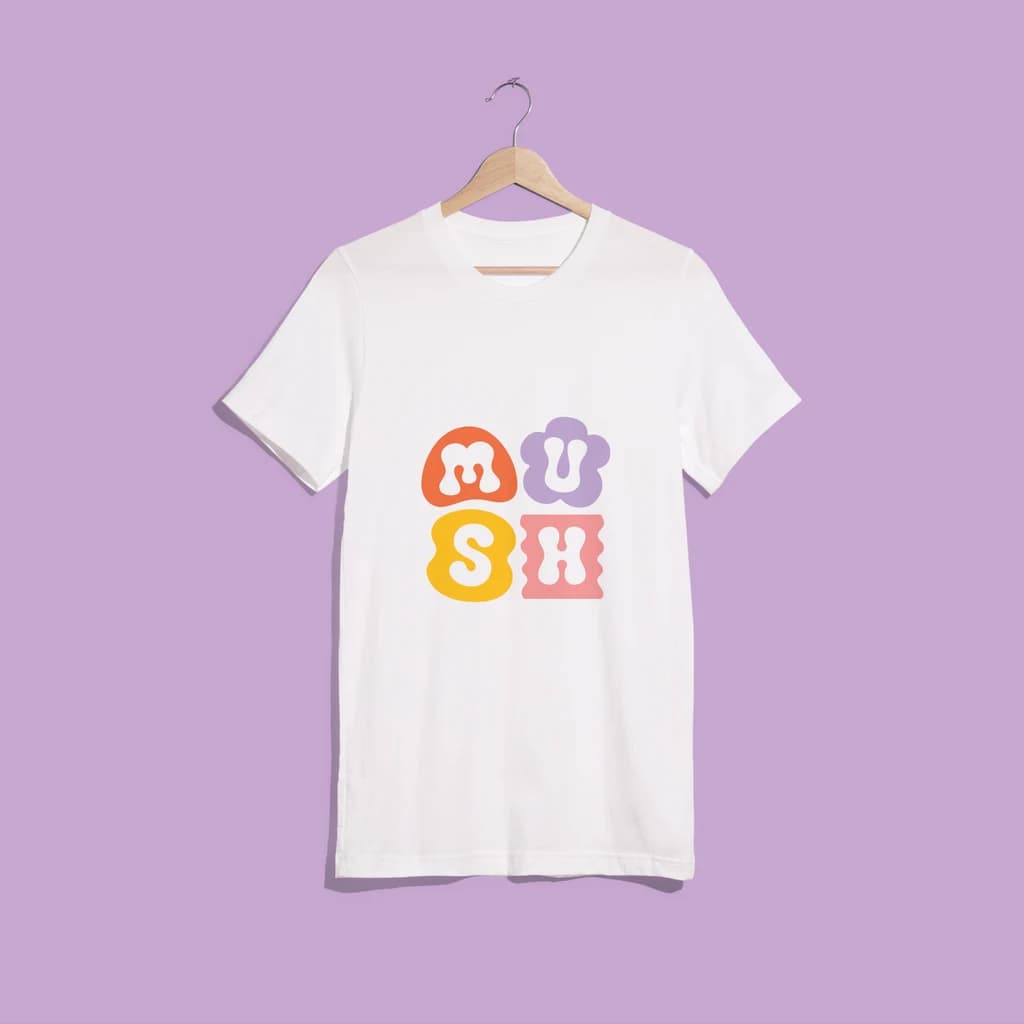
If your clothing line includes T-shirts, make sure you understand everything there is to know about how to design a T-shirt and T-shirt printing.
How to market a clothing brand in seven steps
Step 1: Understand your audience
First, you need to understand your target audience. Identify the key demographics of your target customer, such as their age, gender, lifestyle and shopping preferences. Then create a buyer persona. For example, a clothing brand targeted towards Millennials and Gen Z buyers might focus on streetwear aesthetics and be more active on social media.
If you’re still in the early stages, learning how to start a clothing line can help you build a stronger foundation before scaling your marketing efforts.
Step 2: Build a strong brand
Before you start to market a clothing brand, it’s important to establish a clear brand identity, a cohesive brand story and a reliable brand promise. Ask yourself: what makes your clothing line stand out? Is it sustainable materials, premium quality or affordability? For example, you might position your brand in the clothing market as “High-quality, minimalist clothing for professionals at an accessible price point.”
Exploring different T-shirt design ideas can also help you define your visual style and create products that resonate with your audience.
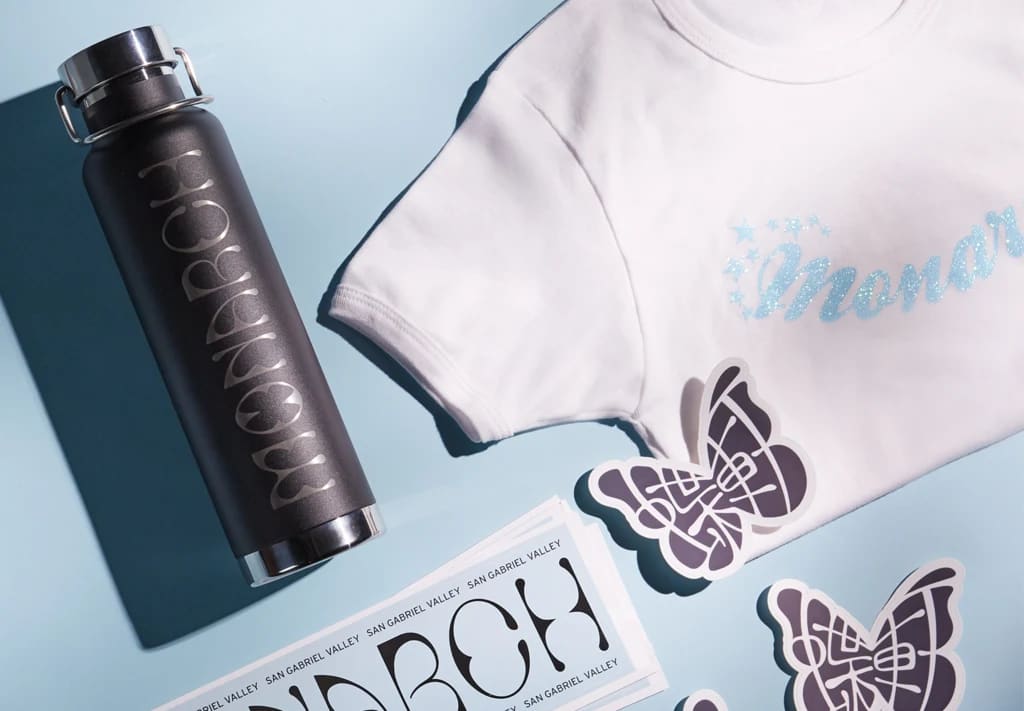
Visual identity plays a huge role in brand recognition. How you design a logo, select your brand colors, choose your brand typeface and put together your imagery, should be consistent across all your marketing channels to make your brand stick in the minds of customers.
Step 3: Identify your marketing channels
Successful clothing brands meet their target customers where they spend their time. Social media platforms like Instagram, TikTok and Pinterest are ideal for visually showcasing your products and engaging with followers. Email marketing is another effective tool, allowing you to deliver personalized promotions directly to customers’ inboxes. Don’t overlook the value of traditional marketing and ensure your marketing mix includes print ads and local events.
Step 4: Set clear goals and KPIs for measuring success
To make sure that your marketing efforts are on track, set measurable goals and key performance indicators (KPIs). For example, you might aim to increase website traffic by 20% over three months or achieve a 5% conversion rate from your email campaigns. Tracking these metrics will help you identify what’s working and where adjustments to your marketing strategy are needed.
Step 5: Choose your marketing strategies
Once you’ve established your brand identity, selected your marketing channels and set clear goals, it’s time to identify the marketing strategies that will help you achieve those objectives. Choose a mix of strategies that align with your brand and audience. For example, if your clothing line is for Gen Z, prioritize engaging TikTok content, influencer collaborations, user-generated content and video posts likely to resonate with this younger demographic.
Talk to your ideal customer where they make their buying choices and in a format they prefer.
Step 6: Write a marketing plan
Next, document your strategies in a marketing plan. Outline each tactic, assign timelines and allocate budgets. Be specific: detail the types of content you’ll create, the frequency of your campaigns and the metrics you’ll use to track success. For example, a marketing plan might include daily Instagram posts, weekly blog posts, quarterly pop-up events and annual trade shows.
Many small clothing brands begin by allocating around 10–20% of projected revenue to marketing, focusing first on organic social media, content creation and influencer collaborations before gradually scaling paid ads.
Discover how to write a small business marketing plan to keep your efforts organized and focused.
Step 7: Monitor results and adjust your strategy
Tracking the performance of your marketing efforts is an important step to guarantee growth. Use tools like Google Analytics to monitor website traffic and conversions, social media insights to measure engagement and reports to evaluate the effectiveness of email campaigns.
Pay attention to key performance indicators such as:
- Website traffic
- Conversion rate
- Engagement rate on social media
- Customer acquisition cost (CAC)
- Return on ad spend (ROAS)
Monitoring these metrics will help you identify what’s working and where adjustments to your marketing strategy are needed. By reviewing results regularly, you can refine your campaigns and focus on the tactics that bring the best return.
How to grow a clothing brand online & offline: A 30-60-90 plan
Turning your strategy into action is often the hardest part of small clothing brand marketing. A simple 30–60–90 day plan can help you stay focused while gradually building visibility and sales.
Use the first three months to test channels, grow your audience and identify what resonates with your customers.
First 30 days: Build the foundation
Focus on establishing your brand presence and preparing the core marketing assets.
- Launch or refine your website and online store.
- Set up Instagram, TikTok and Pinterest profiles (or other best-suited platforms for your audience).
- Post consistent content such as outfit reels, styling videos or behind-the-scenes clips.
- Start collecting emails through a sign-up form or launch offer.
- Reach out to a few micro-influencers or creators who align with your brand.
- Prepare basic print marketing materials such as business cards, packaging inserts or stickers to include with early orders.
Days 30–60: Grow your audience
Once your channels are active, concentrate on expanding reach and building engagement.
- Increase posting frequency on social media.
- Encourage user-generated content and customer reposts.
- Run a small giveaway or collaboration with another brand.
- Test a modest social media ad campaign.
- Share styling guides or lookbooks to showcase your collection.
- Distribute flyers or postcards in local cafés, boutiques or community spaces where your target audience spends time.
Days 60–90: Refine and scale
With early data in place, focus on the strategies that perform best.
- Analyze which posts and campaigns drive the most traffic and sales.
- Invest more in the channels delivering results.
- Launch a small paid campaign or retargeting ads.
- Host a pop-up or participate in a local event to increase visibility.
- Continue building your email list and a repeat customer base.
- Use banners or signage at events to strengthen brand visibility and recognition.
By the end of the first 90 days, you should have a clearer view of which marketing channels help market your clothing brand most effectively. From there, you can double down on the apparel brand promotion ideas and tactics that bring consistent traffic, engagement and sales.
Marketing strategies for clothing brands
Leverage social media marketing
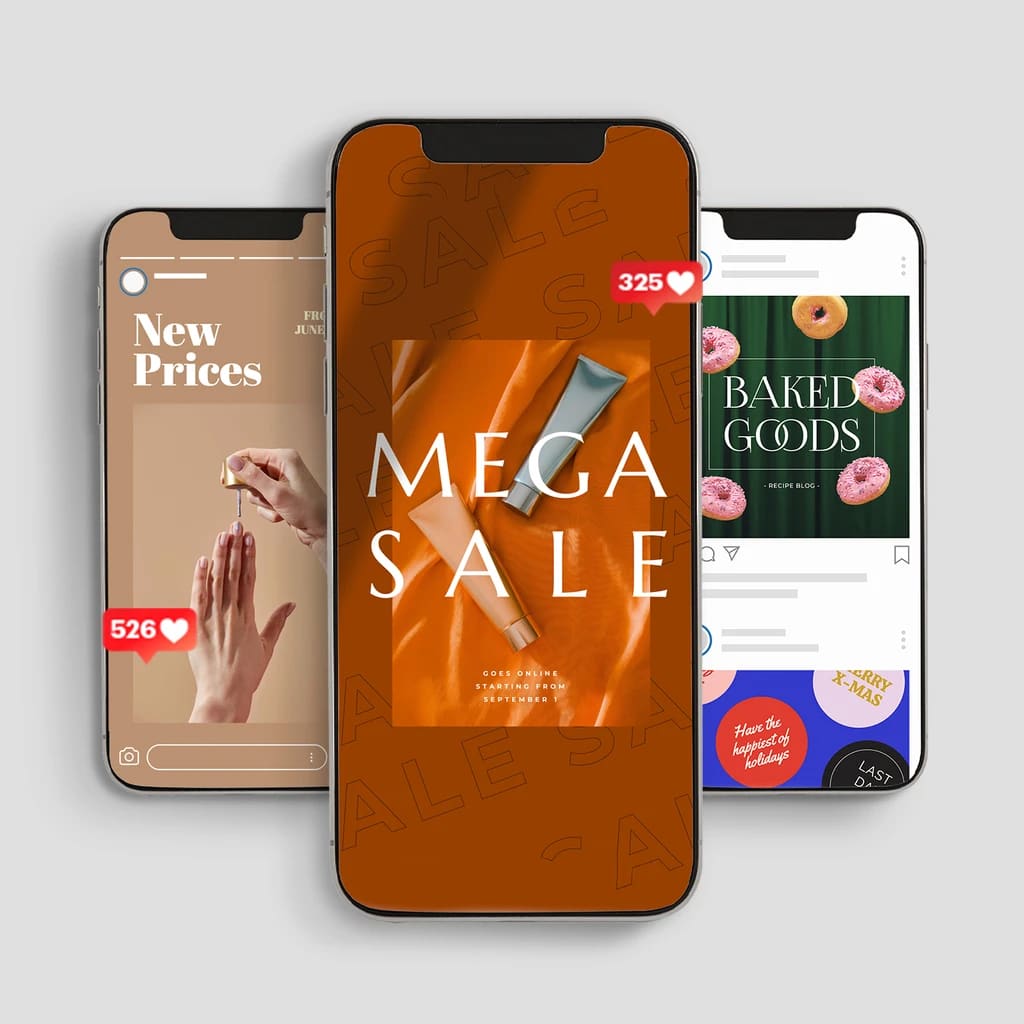
Social media is one of the most effective ways to market a clothing brand and reach new audiences. Many new founders begin by learning how to promote a clothing brand on social media, since platforms like Instagram, TikTok and Pinterest allow fashion brands to showcase products visually while building relationships with their audience.
Content that shows how clothing looks and moves in real life tends to perform best. Popular formats include:
- Outfit reels showing different ways to style a piece
- “Get ready with me” videos featuring your clothing in everyday outfits
- Quick styling tutorials demonstrating fit, layering or seasonal looks
- Customer reposts and user-generated content from real buyers
- TikTok videos using trending sounds to increase reach
Each platform supports clothing marketing in different ways:
- Instagram: Reels, product tags and visual storytelling that help market your clothing brand directly in the feed
- TikTok: Trend-driven video that helps small clothing brands reach new audiences quickly
- Pinterest: Outfit inspiration and seasonal boards that help people discover and save your products
Many platforms also include built-in shopping tools, making it easy for customers to purchase directly from posts and helping you grow a clothing brand online.
Optimize your website
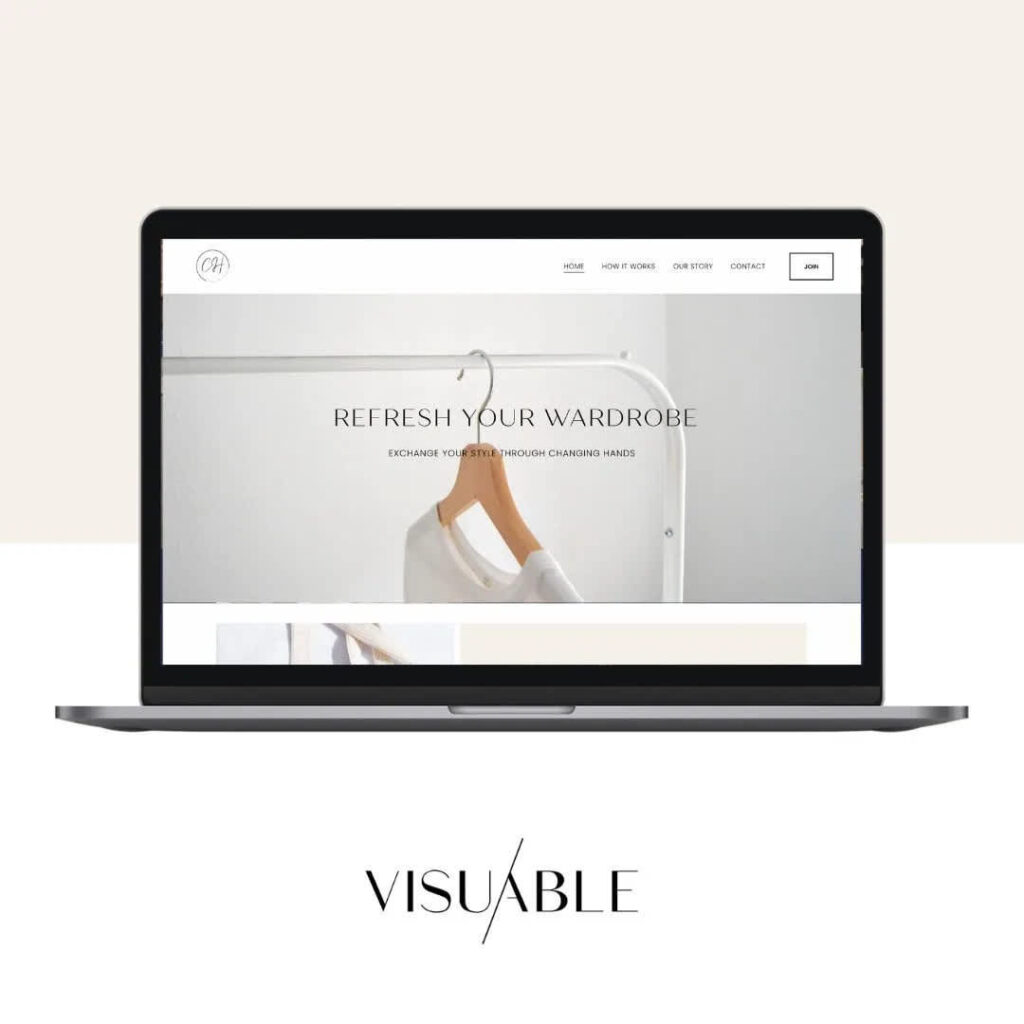
Start by designing a responsive website that provides an intuitive shopping experience with clear product categories and filters for size, color and price. Use professional images, detailed product descriptions and user-friendly navigation so customers can easily find and buy your products. Include photos that showcase your clothing from multiple angles and videos that highlight fit and movement.
Styling tips, fabric details and care instructions can further improve the customer experience. To encourage purchases, include engaging calls-to-action like “Shop Now” or “Buy Now.” Offering incentives like free shipping or discounts for first-time buyers can also drive conversions. Remember to implement SEO techniques to improve your site’s visibility in search results and drive organic traffic.
Collaborate with influencers
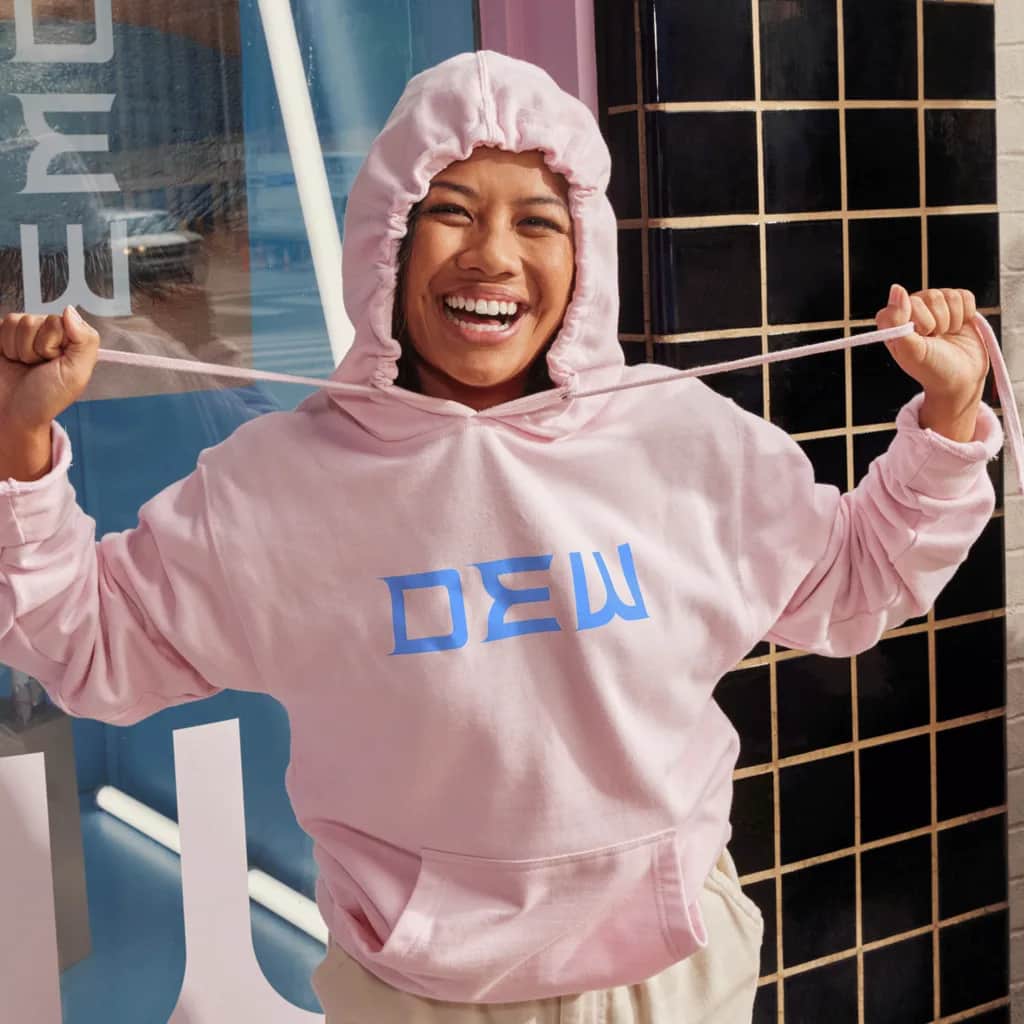
Make the most of influencer marketing by collaborating with creators whose audiences align with yours – their endorsements can help build trust, drive sales and reach new audiences. Partner with influencers by gifting free products for reviews or creating affiliate programs with custom discount codes. These collaborations will help boost visibility and lend credibility to your brand.
Run targeted email campaigns
Email marketing remains one of the most cost-effective small business marketing strategies. Start with a welcome email offering a discount for first-time buyers and follow up with personalized campaigns featuring discounts, new arrivals, seasonal sales and exclusive offers. Cart abandonment emails can also help recover lost sales by reminding customers to complete their purchases.

Encourage customer reviews and user-generated content
Customer reviews and user-generated content (UGC) are powerful tools for building trust. Highlighting genuine interactions with your brand can significantly boost credibility and attract new customers. After a purchase has been made, send a follow-up email encouraging customers to leave a review or share photos of themselves wearing your clothing. Offering incentives, such as discount codes, will make customers more likely to review or post content of your products, which you can then repost on your channels.
Add UGC widgets to your website to display real customer photos to inspire confidence in your brand.
Take full advantage of UGC by asking customers to use hashtags when posting on social media. Share this content on your website, product pages and social media to showcase authentic customer experiences. UGC turns your customers into brand ambassadors, promoting your clothing at no additional cost to you.
Explore content marketing
Content marketing allows you to tell your brand’s story and offer added value to your customers. Lookbooks, how-to guides and video tutorials can engage potential buyers while subtly promoting your clothing. Consider starting a blog to share styling tips, trend forecasts and behind-the-scenes insights.

Use packaging and hang tags to strengthen your brand
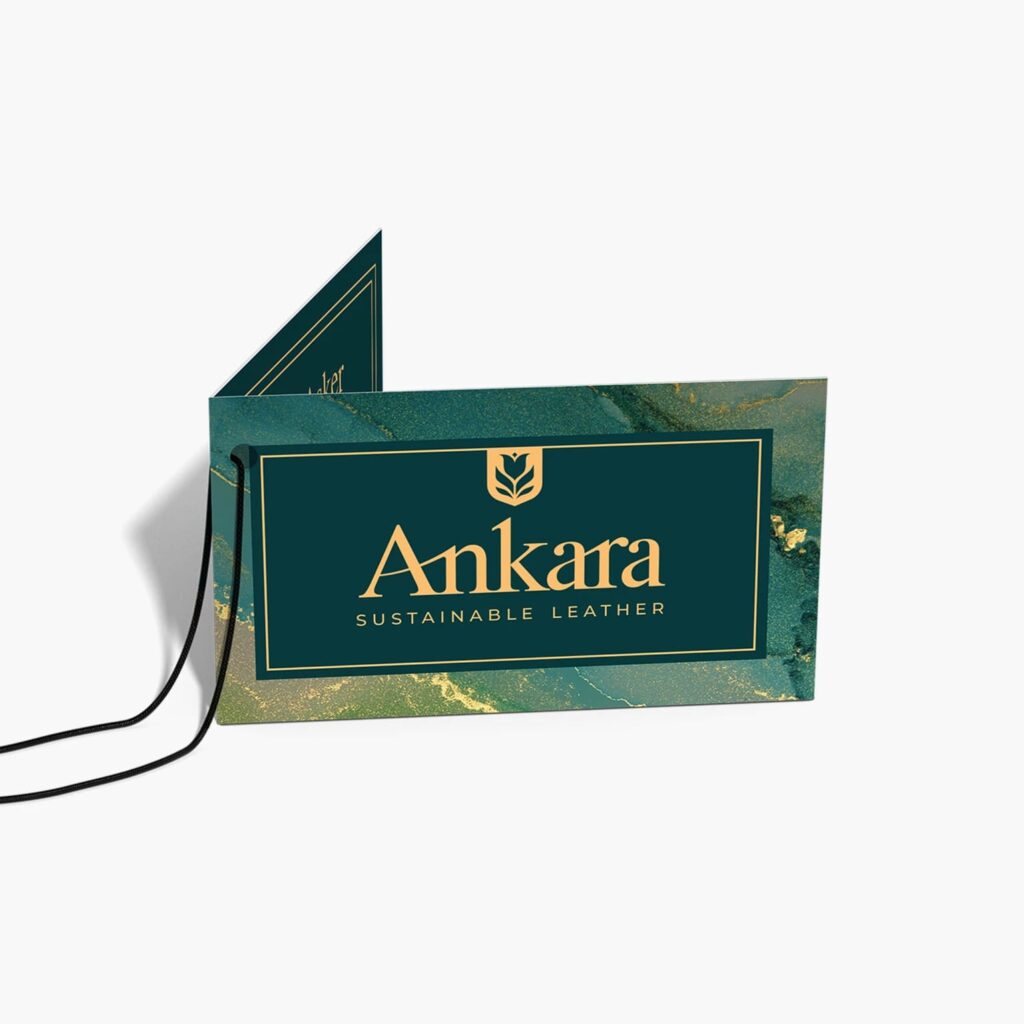
When you market a clothing brand, the experience continues after the purchase. Packaging, hang tags and small printed details can reinforce your identity and prompt customers to interact with your brand online.
For small clothing brand marketing, these elements often become simple and effective apparel brand promotion ideas. Customers frequently share new purchases on social media, and distinctive packaging can encourage that behavior.
A few small additions can turn each order into a marketing touchpoint:
- Add QR codes to hang tags linking to your Instagram page, online store or digital lookbook.
- Include a packaging insert encouraging customers to share photos using a branded hashtag.
- Add branded stickers customers can place on laptops, notebooks or water bottles.
- Offer a discount code when customers tag your brand on social media.
Consistency matters. Using the same logo, colors and typography across tags, inserts and stickers helps market your clothing brand more effectively and strengthens recognition over time.
Invest in local marketing
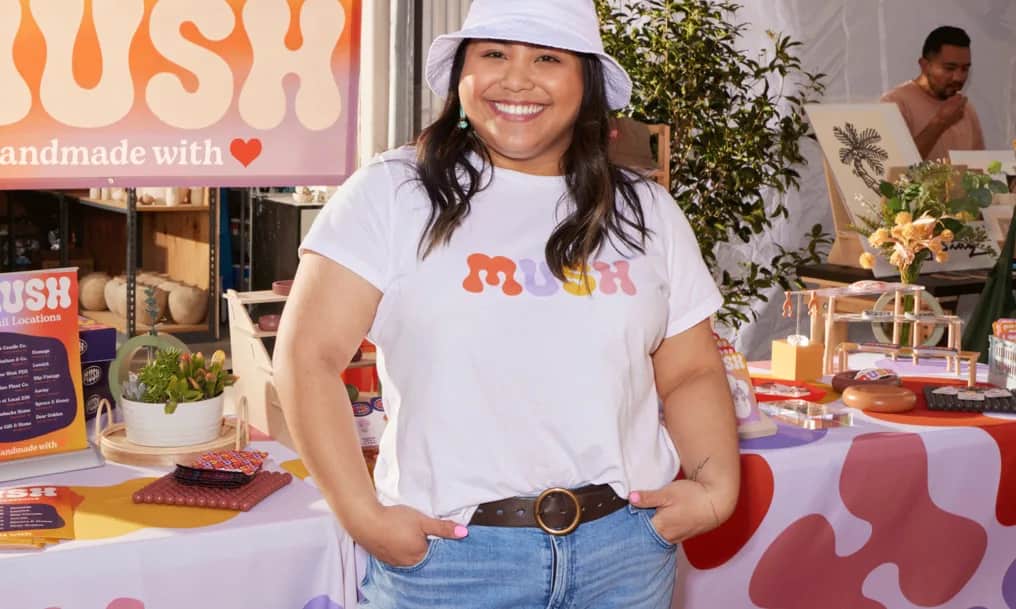
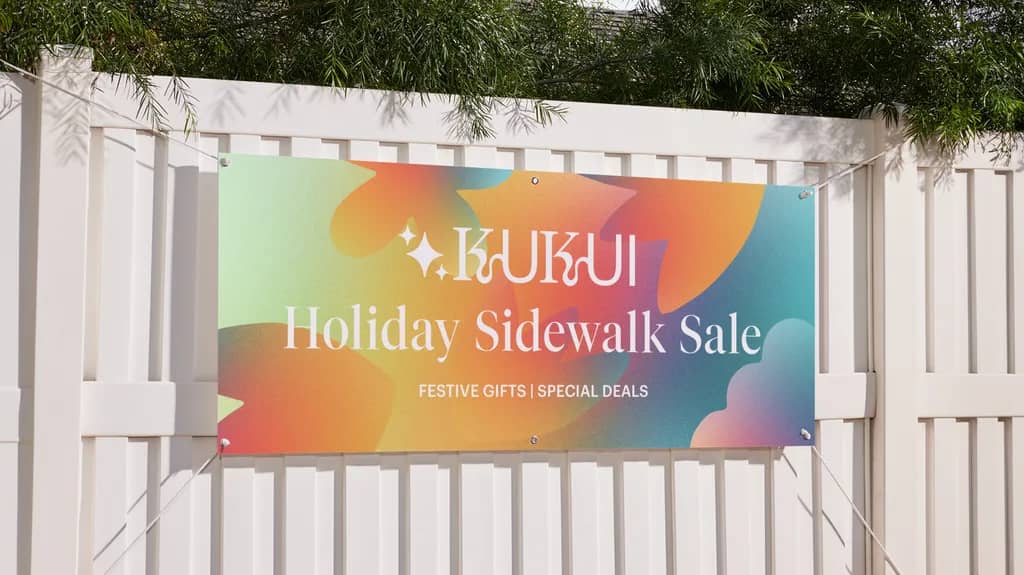
Don’t underestimate the power of local marketing. Hosting pop-ups and local events, putting up banners and posters and distributing print marketing like flyers in your community can help build a loyal local customer base. Collaborating with local businesses that align with your brand values can also amplify your reach and create meaningful connections in your area.
Combine pop-ups and local events with digital marketing
Pop-ups and local events can introduce your clothing brand to new audiences while also generating content for your online channels. When supported by social media promotion, these events can continue to market your clothing brand long after they end.
Local markets, fashion events or collaborations with nearby cafés and boutiques are great opportunities to meet customers in person while expanding your reach online.
To get the most value from an event:
- Promote the event across Instagram, TikTok or email ahead of time.
- Create a small mirror or photo area where visitors can take outfit photos and tag your brand.
- Encourage visitors to follow your social channels or join your email list for a discount or giveaway entry.
- Display QR codes linking to your website so visitors can browse your collection later.
- Share short clips or photos from the event on social media while it’s happening.
Bring simple branded materials such as stickers, postcards or mini lookbooks so visitors have an easy way to remember your brand later.
Photos from a pop-up, styling clips or customer reactions can easily be reused across social media, email campaigns or your website, helping you promote your clothing brand well beyond the event itself.
Invest in paid ads
Paid ads are a major component of many clothing marketing strategies and can deliver quick results. Targeting tools ensure your ads appear in front of the people most likely to buy your products. Platforms like Google Ads, along with social media ads on Instagram, Facebook, TikTok and Pinterest, offer advanced targeting based on demographics, interests and online behavior.
For fashion brands, social media ads are especially effective because they place products directly into visual feeds where people discover new styles. Formats that tend to perform well include:
- Short-form video ads featuring outfit styling, try-ons or behind-the-scenes clips.
- Shopping ads that allow customers to purchase directly from the post.
- Retargeting ads reminding visitors who viewed products or abandoned their cart.
Paid ads are particularly useful for new product launches, seasonal promotions and driving traffic during peak shopping periods. Even a modest budget can help expand your reach, increase brand visibility and boost sales when campaigns are carefully targeted.
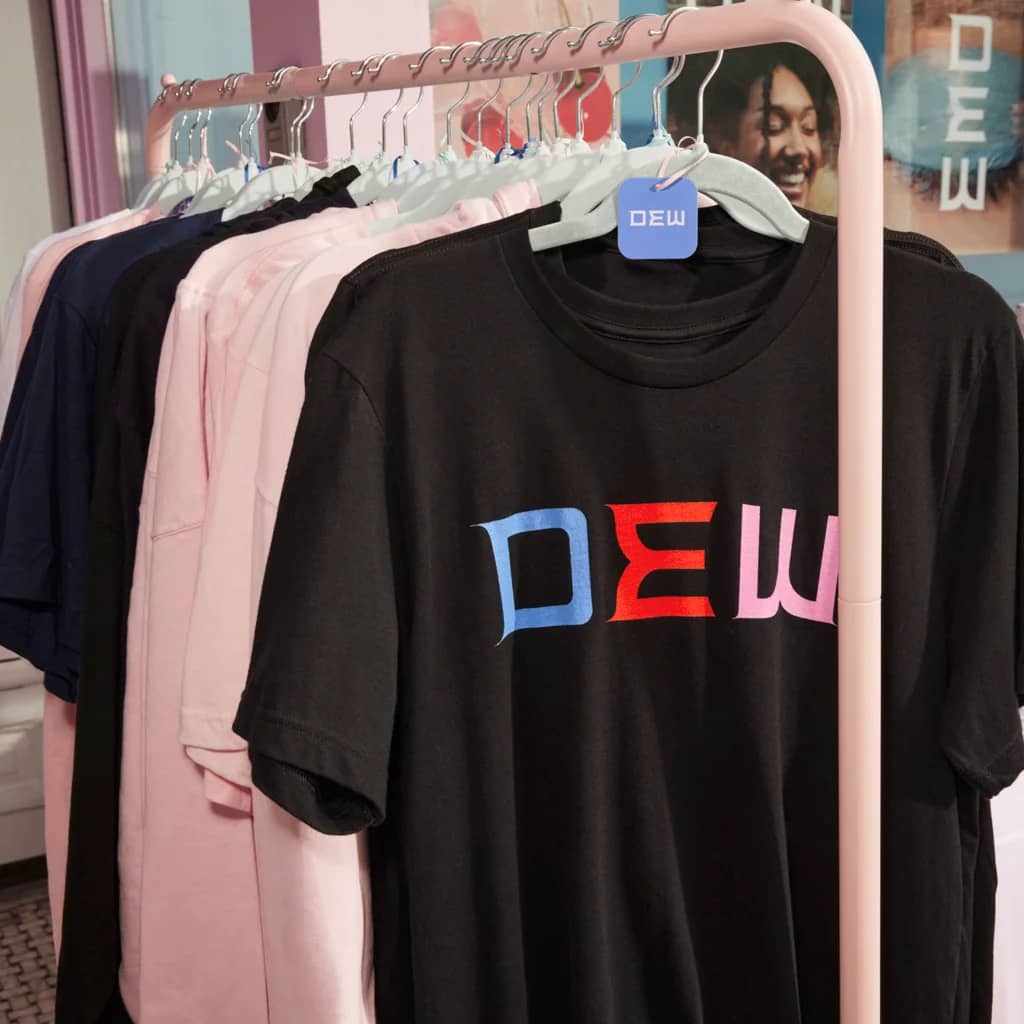
Why should clothing brands do online marketing?
- Wider reach: Online marketing allows you to showcase your brand to a global audience, helping attract customers beyond your local area.
- Cost-effective advertising: Digital marketing, like social media ads or email campaigns, can be more affordable than traditional advertising methods, delivering great returns even on a small budget.
- Targeted marketing: Advanced targeting tools on platforms like Facebook and Google Ads help to market to specific demographics, ensuring your products reach the right audience.
- Visual storytelling: Online channels like Instagram and Pinterest are ideal platforms to tell your brand story and sell your products visually through high-quality images and video content.
- Data-driven insights and performance tracking: Digital tools deliver detailed analytics so you can track campaign performance and refine your strategies for better results.
- Increased brand awareness: A consistent online presence helps build recognition, helping your brand stay top-of-mind.
- Stronger customer relationships: Communicate directly with customers via social media and email campaigns, building trust and loyalty.
- Scalability and flexibility: Online marketing campaigns can scale with your business, allowing you to start small and expand as your budget and goals grow.
- Entry into e-commerce: With tools and platforms that make it easy to build and manage online stores, launching an e-commerce business is more accessible than ever, letting small clothing brands compete in the global marketplace.
Next steps to market your clothing brand
Marketing a clothing brand takes shape over time. It starts with a clear understanding of your audience and a strong identity, then grows through consistent effort across the channels that suit your brand best.
As you put your strategy into action, focus on a few core activities you can maintain. Social content, influencer partnerships, email campaigns and occasional in-person touchpoints each play a role. Over time, patterns begin to emerge – some efforts bring attention, others drive sales – and your direction becomes easier to define.
From there, refine your approach. Give more weight to the channels that perform well and keep your messaging consistent across every touchpoint, from your website to your packaging. These details influence how your brand is experienced and remembered.
When product quality and presentation align with your brand, they support everything else you’re building. With a clear plan and steady execution, your clothing brand becomes easier to discover, recognize and return to!
How to promote a clothing brand FAQs
What are the best marketing strategies for clothing brands?
The most effective strategies for promoting a clothing brand include:
- Sharing your brand story on social media to engage customers and build awareness.
- Working with influencers to boost credibility and reach new audiences.
- Encouraging user-generated content to build trust and authenticity.
- Optimizing your website to improve conversions and the shopping experience.
- Using email marketing campaigns to drive repeat purchases and retention.
Combining these strategies into a multi-channel approach can help expand your clothing brand’s reach and support long-term growth.
How to market a clothing brand online?
Marketing a clothing brand online involves using multiple channels to connect with your target audience and showcase your products. Post engaging content on social media platforms like Instagram, Pinterest and TikTok, optimize your website for an intuitive shopping experience and implement SEO to improve your site’s visibility in search results.
What are some affordable ways to market a clothing line?
Affordable strategies to market a new line of clothing include using user-generated content showing real customers wearing your products, creating engaging posts on social media and participating in local events or pop-ups. Email marketing and collaborations with micro-influencers are also cost-effective ways to reach your target market.
How do I introduce a new clothing brand to the market?
Introducing a new clothing brand starts with defining your brand’s unique selling points and building a strong visual identity. Create buzz through social media campaigns, launch events and collaborations with influencers. You can also market clothes by offering incentives like discounts or exclusive pre-orders to attract early customers and encourage word-of-mouth promotion.