Promotional merch can become part of someone’s everyday routine, keeping your business visible in a way that feels natural. When done strategically, custom-branded products transition from another expense into a tactile brand touchpoint that extends customer retention and maximizes visibility. As digital advertising becomes more crowded, promotional merch offers zero-algorithm, real-world visibility every time it’s picked up, carried or shared.
Whether you are a small business owner just getting started or an experienced marketer refining your procurement workflow, this guide will help you create a promo framework that goes beyond brief product awareness to turn custom goods into brand advocacy.
- Choose promotional merch people will actually use. Useful, high-quality products are more likely to be kept, used and remembered than cheap giveaways.
- Design promotional merch that builds community. Fan-first apparel and thoughtful branding help create a sense of belonging and turn customers into brand advocates.
- Connect promotional merch to digital experiences. QR codes and “phygital” experiences help you measure engagement and guide customers to your website, community or offers.
- Measure the impact of promotional merch. Track metrics like cost per impression (CPI), customer lifetime value (CLV), user-generated content (UGC) and QR code scans to understand your return on investment.
- Invest in high-value, low-waste promotional merch. Durable, sustainably sourced products deliver better long-term value for your business and your customers.
What is promotional merch, and why does it work?
Promotional merchandise are products customized to represent your brand, campaign or event. They include a wide range of branded products, from custom pens to hoodies. Whatever your industry or target audience, there’s a product that can help bring your brand to life and become part of your customers’ everyday routine.
Modern small business promotional items have evolved far beyond basic novelties to include highly sophisticated, durable products across several primary categories:
- Professional & workspace supplies: Premium rollerball pens, structured journals, desk organizers and tech-friendly notebooks
- Digital & tech accessories: Power banks, custom mouse pads, braided charging cables, multi-port hubs and wireless earbud cases
- Apparel & everyday wearables: Heavyweight T-shirts, tailored baseball caps, structures tote bags and curated fleece
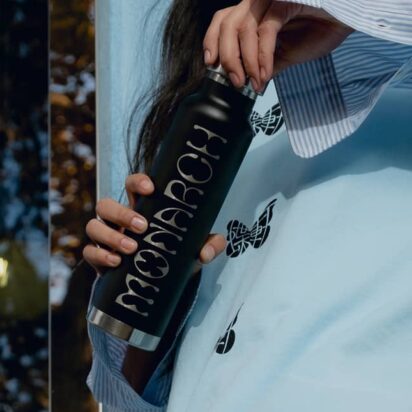
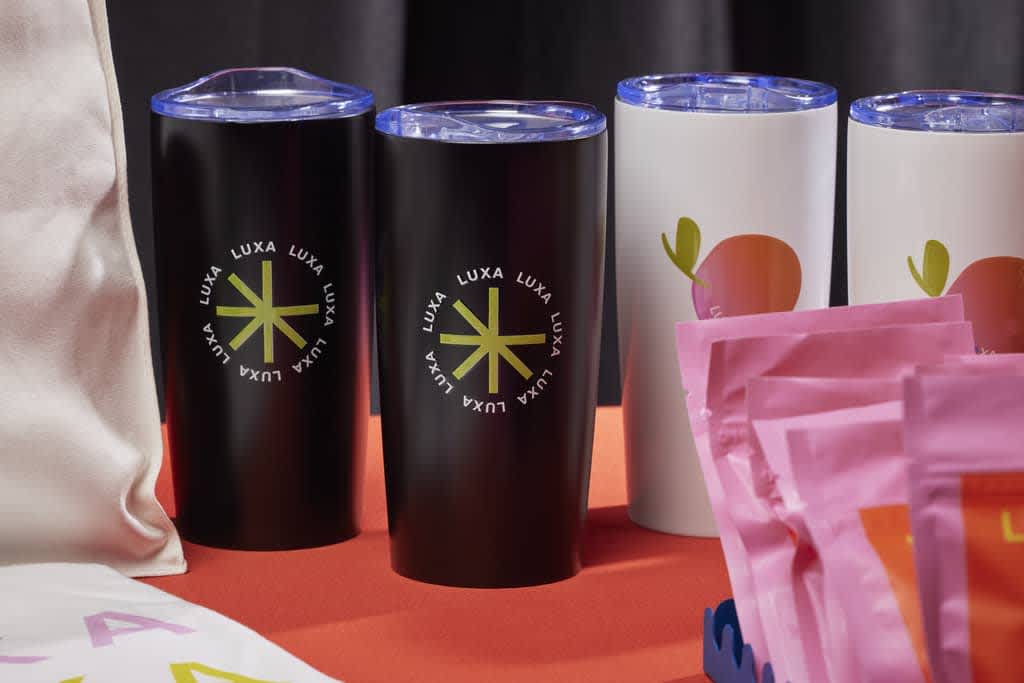
- Premium drinkware: Double-wall insulated tumblers, durable copper-lined water bottles and minimalist matte ceramic mugs
- Lifestyle & home goods: Molded magnets, durable compact flashlights, multi-tools and seasonal wellness kits
What sets promotional merch apart from brochures, flyers or business cards is how genuinely useful it is. While a flyer is often thrown away, a durable notebook or reusable water bottle can become part of someone’s everyday routine, keeping your brand visible long after it’s been given out.
Just getting started? Review our definitive guide on how to make merch so you know exactly what to expect from the production process.
Why it works: The psychology behind brand advocacy
There is behavioral science behind why high-quality, branded merchandise builds top-of-mind awareness that sticks. The first psychological pillar is called the endowment effect. Behavioral economics shows that when an individual physically receives an object, they immediately value it more and feel more positively about the person they got it from.
In other words, when a small business gives a customer a premium, highly functional item, that item quickly transitions from “company property” to “mine.” This psychological shift increases the likelihood that customers will defend, recommend and return to your business over time.
The second psychological pillar is social currency. People naturally share experiences and products that enhance their social status or project their personal values. Think of a premium tote bag that proudly supports the local farmers’ market. At a glance, people understand your shared values and community affiliation.
By wearing or using your merchandise, people aren’t just advertising for you; they’re publicly aligning their personal identity with your brand’s ethos.
Best promotional merch for each buying stage
Treat merchandise as an important part of the entire customer lifecycle. The table below outlines how to match specific customer stages to functional physical assets, clear digital actions and concrete internal metrics.
| Customer stage | Merch goal | Best item types | CTA strategy | What to track |
| New lead | Introduction and utility | Die-cut stickers, custom notebooks, lightweight totes | QR code linking to an introductory discount or email signup | QR scan rates, net-new list signups |
| First-time customer | Delight and retention | Ceramic mugs, custom pens, branded packaging inserts | Call-to-action encouraging an unboxing post | Second purchase conversion rate |
| Repeat customer | Belonging and upgrade | Heavyweight apparel, premium insulated drinkware | Loyalty program redemption or referral link sharing | Customer referral rate, loyalty retention |
| Brand advocate / Superfan | Exclusivity & status | Limited-edition custom kits, high-end technical outerwear | Invitation to join a VIP community or content creation challenge | UGC volume, attributed referral revenue, CLV improvement |
The multiplier effect: To encourage advocacy, stick to functional lifestyle items, like premium insulated water bottles or bags. According to impressions research, heavy-canvas custom tote bags boast a minimum of 5,000 lifetime visual impressions when used in public spaces. Pair these items with digital QR codes to track exact campaign ROI and Customer Lifetime Value (CLV).
Promotional merch vs. traditional promotional products and print marketing
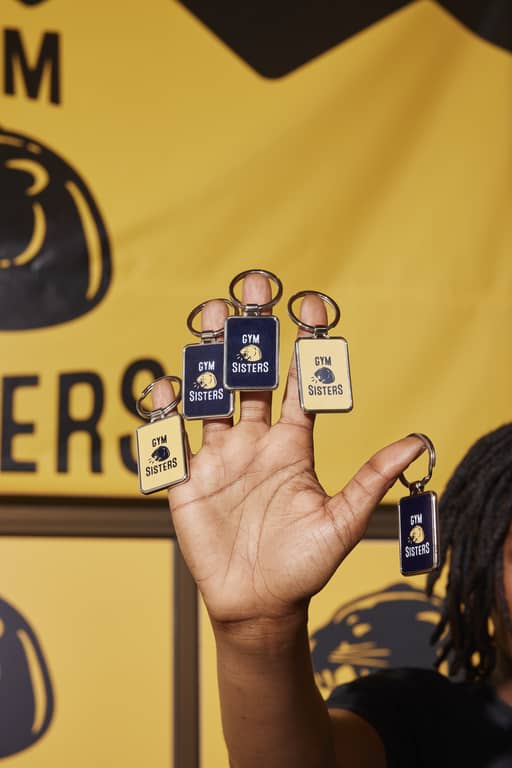
Unlike a standard flyer or a point-of-sale brochure, strategic merchandise is never just a temporary vehicle for copy and contact details – it’s a standalone product in its own right. The core principle here is simple: if the physical item is not worth keeping without your branding on it, it is not worth putting your branding on it.
The desk-test framework
Before you place a bulk order for any custom item, filter the idea through these questions. If the item fails even one of these criteria, your risk of marketing to a landfill increases significantly.
- Is it useful on a weekly basis? Does the item solve a recurring, practical problem for the recipient in their office, home or transit?
- Is it structurally durable? Will the item withstand repeated uses, washes or travels without deteriorating and reflecting poorly on your quality?
- Does it look good in public spaces? Is the aesthetic clean, modern and visually appealing enough that a consumer would gladly use it around peers?
- Is it on-brand without being shouty? Does the product seamlessly incorporate your brand guidelines?
- Is it digitally connected? Does the item include an integrated entry point (such as a custom QR code, dedicated tag or curated hashtag) to transition customers into your digital ecosystem?
- Will your customer see themselves in the product? How well does the item fit your target audience? Does it match your brand’s values as well as your customers’?
How branded merch spreads the word – online and offline
Offline visibility: Impressions you don’t have to re-buy
People are inherently social and collaborative. We naturally broadcast our routines, preferences and daily environments to our friends, family and professional networks. Premium physical merch builds off this behavior, generating real-world visibility across the entire lifespan of the product without requiring continuous ad spend.
When a customer takes an insulated flask on a weekend hike, your brand reaches their friends. When an employee brings a well-designed notebook to a client meeting or someone carries a canvas tote on their commute, your business is seen by people who might never have discovered it online. These everyday moments build local awareness in a way digital algorithms can’t block or charge you for.
Online visibility: UGC, unboxings and “seen in the wild”
People are more likely to trust recommendations from other people than traditional advertising. When a customer shares your promotional merch in an Instagram story, TikTok video or LinkedIn post, they’re introducing your brand to a wider audience in a way that feels genuine.
That’s why branded merch works so well alongside influencer partnerships, customer gifting and local collaborations. A thoughtful unboxing experience and high-quality products give people something they’re excited to share, helping your brand reach new audiences and spark curiosity organically.
The psychology of the custom unboxing experience
To fully maximize the likelihood that a recipient will share your product on social networks, treat the physical handoff as an event in its own right. This is where the psychology of the custom unboxing experience makes you stand out from competitors.
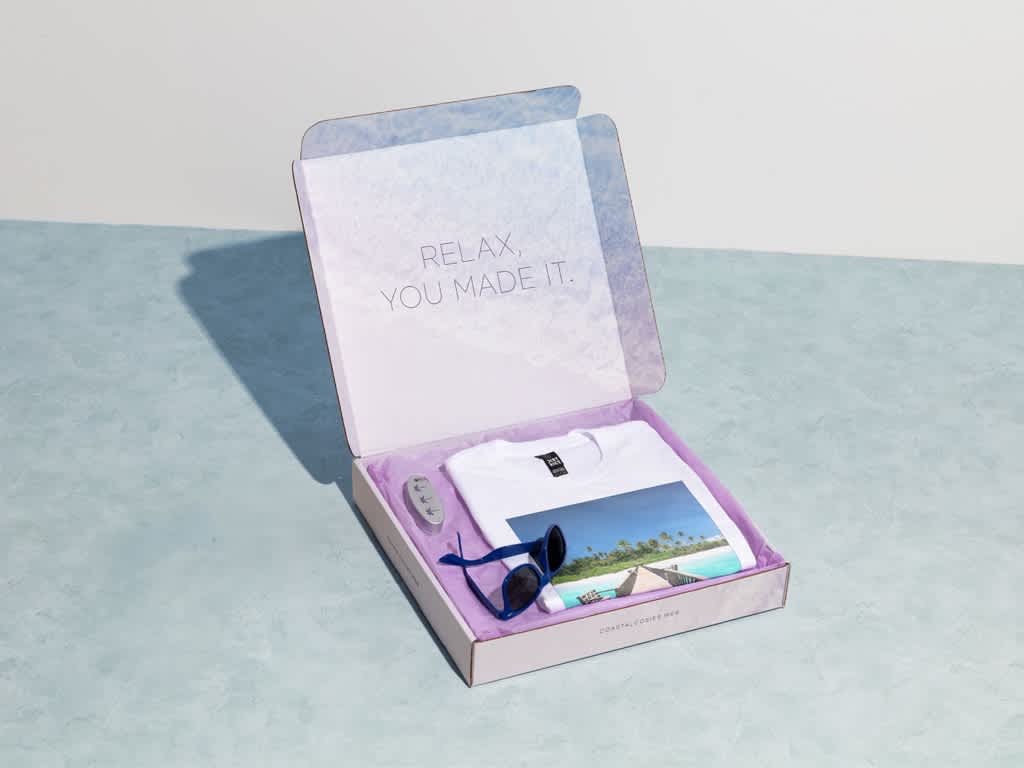
When an item is placed inside a beautifully structured, custom-printed box rather than a generic shipping mailer, the perceived value of the inner contents instantly multiplies.
When you layer this premium presentation with a personalized, handwritten thank-you note addressing the customer by name, you trigger a profound psychological phenomenon known as the reciprocity effect. When people receive an unexpected, highly personalized and aesthetically elevated gift, they experience an immediate internal drive to reciprocate the gesture. In a consumer context, this psychological reciprocity directly manifests as organic social media advocacy, detailed five-star reviews and passionate word-of-mouth recommendations.
Strategic use cases for promotional merch
Spark instant user-generated content
Here is a highly effective, low-friction framework you can implement across your fulfillment lines immediately to capture organic social proof:
Include a beautifully printed card inside every single merchandise order or event giveaway bag containing these interconnected elements:
- A clear visual prompt: Craft an engaging, explicit call-to-action (e.g., “Show us the creative spaces where you use your [Brand Name] notebook.”).
- A friction-free entry point: Place a prominent QR code directly on the card that links seamlessly to a mobile-optimized community landing page or an easy upload form.
- A recurring incentive: Offer a small, highly enticing monthly reward, such as a substantial store credit or an exclusive piece of unreleased apparel, to encourage participation.
- Frictionless tagging coordinates: Clearly display your exact social media handles and dedicated campaign hashtags so that publishing a post requires zero cognitive effort from the customer.
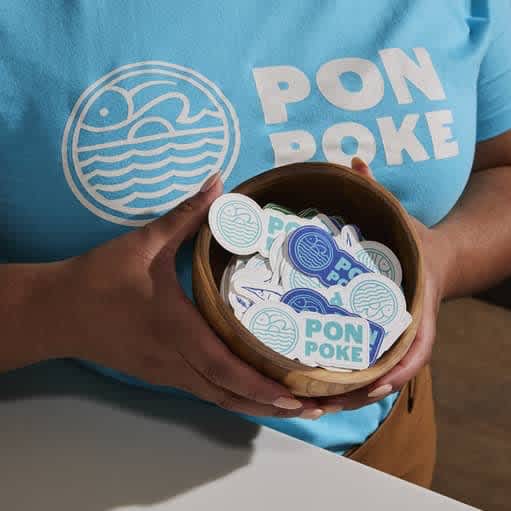
For both in-person event interactions and e-commerce fulfillment, always include a custom die-cut vinyl sticker featuring a high-personality, artistic interpretation of your brand’s ethos.
Acquisition: Attract your new leads
Useful promotional merch can be a great way to attract new customers. Stickers, tote bags, notebooks and drinkware are all practical giveaways people are likely to keep. Pair each item with a trackable QR code linking to a first-purchase discount, exclusive content, a waitlist or a free consultation to turn your giveaway into a measurable lead-generation tool.
Retention: Encourage repeat purchase and loyalty
Once someone becomes a customer, promotional merch can help turn a one-time purchase into a lasting relationship. Thank-you gifts for first-time buyers, exclusive merch for loyal customers or seasonal surprises added to orders all help people feel valued and part of your community. When choosing items for customer retention, focus on quality over quantity. One well-made, long-lasting product is far more likely to strengthen your brand than a handful of cheap giveaways.
Tips for trade shows and in-person events
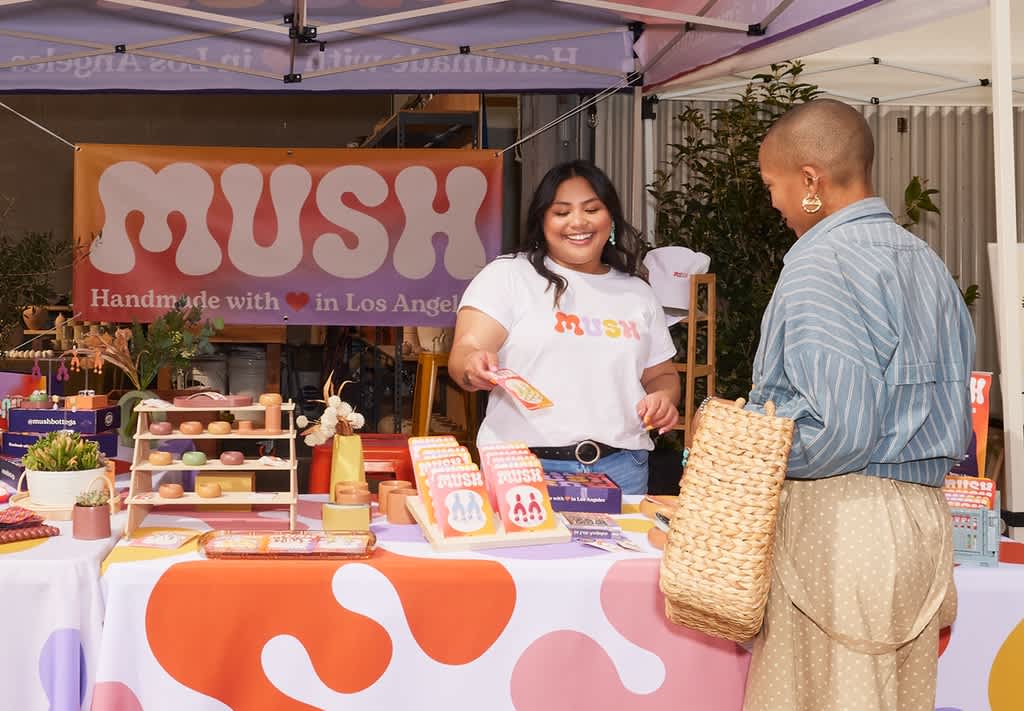
A successful event booth strategy goes beyond handing out the same item to everyone. Instead, use a simple two-tier approach to match different promotional products to different audiences.
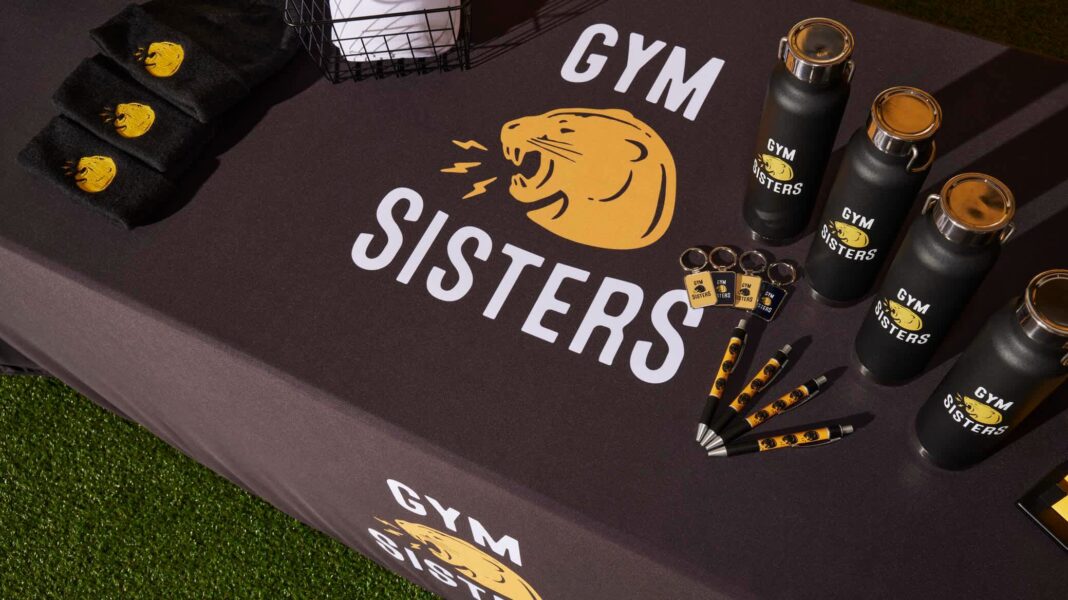
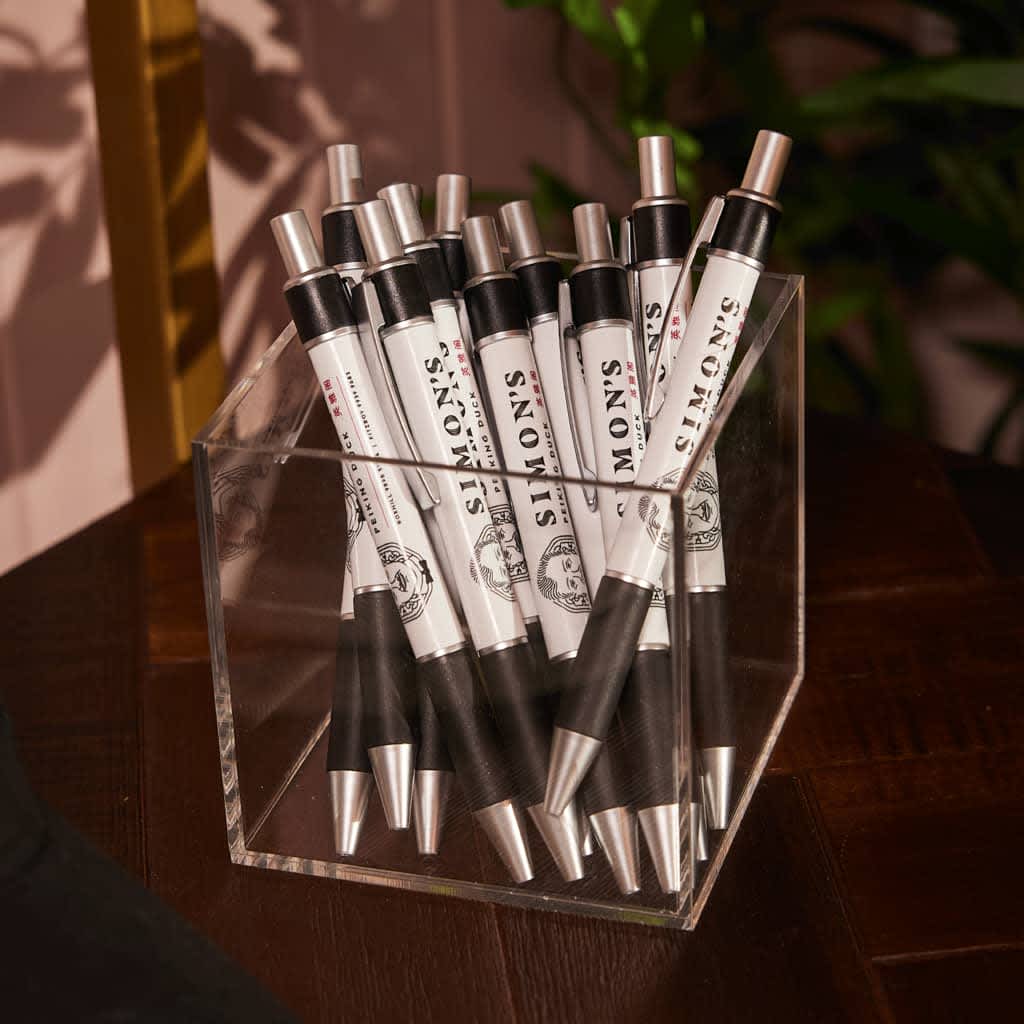
- The volume tier: Use cost-effective, high-utility items (such as custom die-cut stickers, clean minimalist pens or branded badge reels) to capture broad foot traffic and establish baseline curiosity.
- The premium tier: Reserve elite, high-perceived-value items – such as a premium insulated travel tumbler, a heavy-canvas utility tote or a beautifully bound notebook – exclusively for qualified leads, detailed consultations or high-value accounts.
Always ensure premium items feature an integrated QR code linking directly to an interactive follow-up portal, a live software demonstration booking page or an exclusive digital catalog. This structure ensures your event investments continue to actively cultivate leads long after the physical exhibition booth has been disassembled.
Branded merchandise ideas by category
Once you have clearly defined your overarching campaign goals, look through these proven company swag ideas to select the perfect vehicle for your message.
Premium drinkware
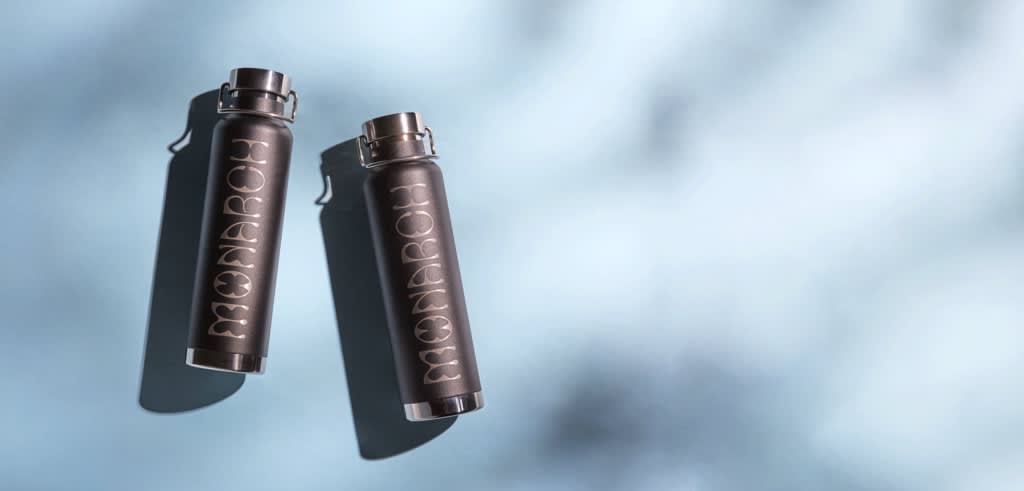
Vacuum-insulated travel tumblers, copper-lined sports bottles and minimalist ceramic mugs command exceptional perceived value and boast an unmatched daily retention rate. Check out our curated list of the best water bottle brands and discover the best designs to elevate your next campaign.
Workspace and office supplies
Premium-quality notebooks, smooth-glide rollerball pens and clean desk organizers keep your identity permanently visible in high-value professional environments.
Advanced tech accessories
Slim power banks, ergonomic mouse pads, durable braided multi-cables and minimalist tech pouches are exceptionally powerful for B2B audiences, corporate tech environments and modern remote workforces.
Elevated apparel and wearables
The biggest difference between traditional, corporate apparel and fan-first merch is the design philosophy behind it. Traditional branded clothing often puts the logo front and center. Fan-first apparel starts with a design people genuinely want to wear, then works your brand into it through original artwork, bold typography or subtle community references.
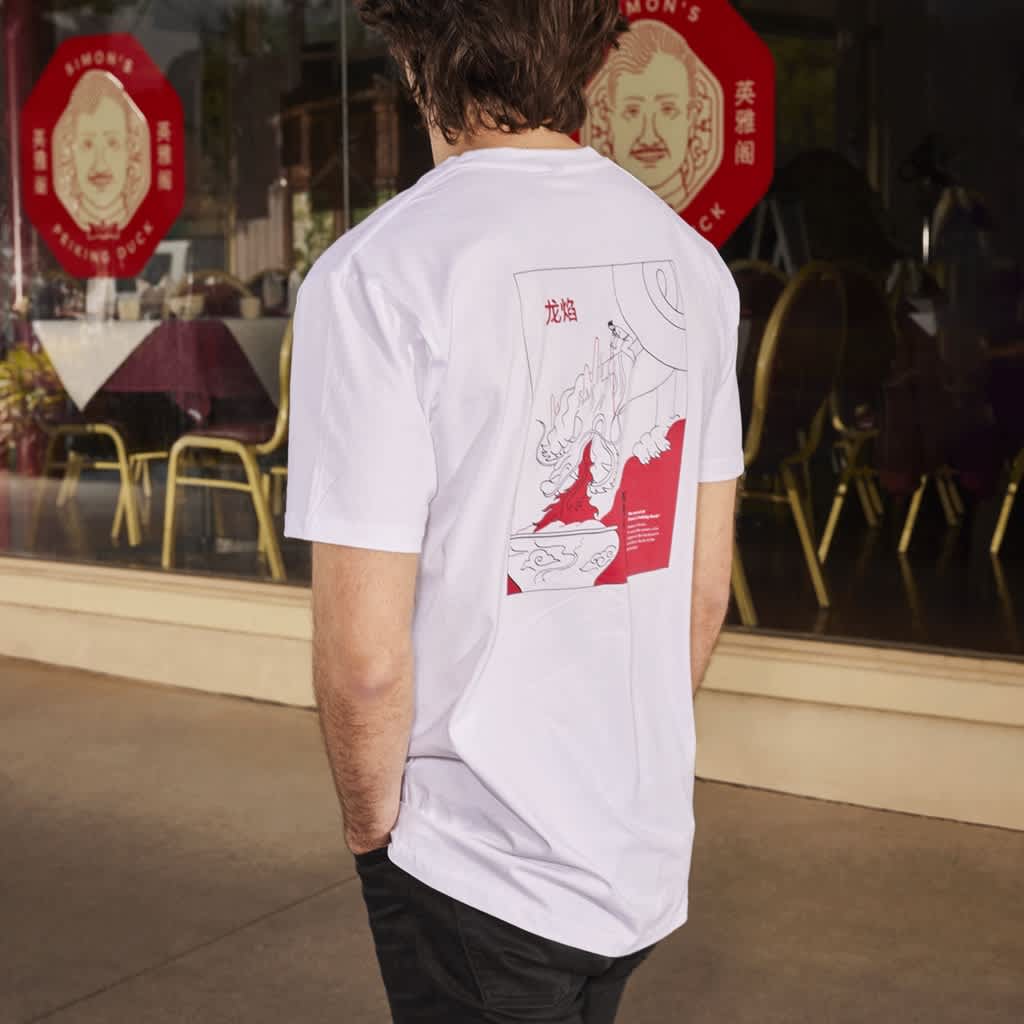
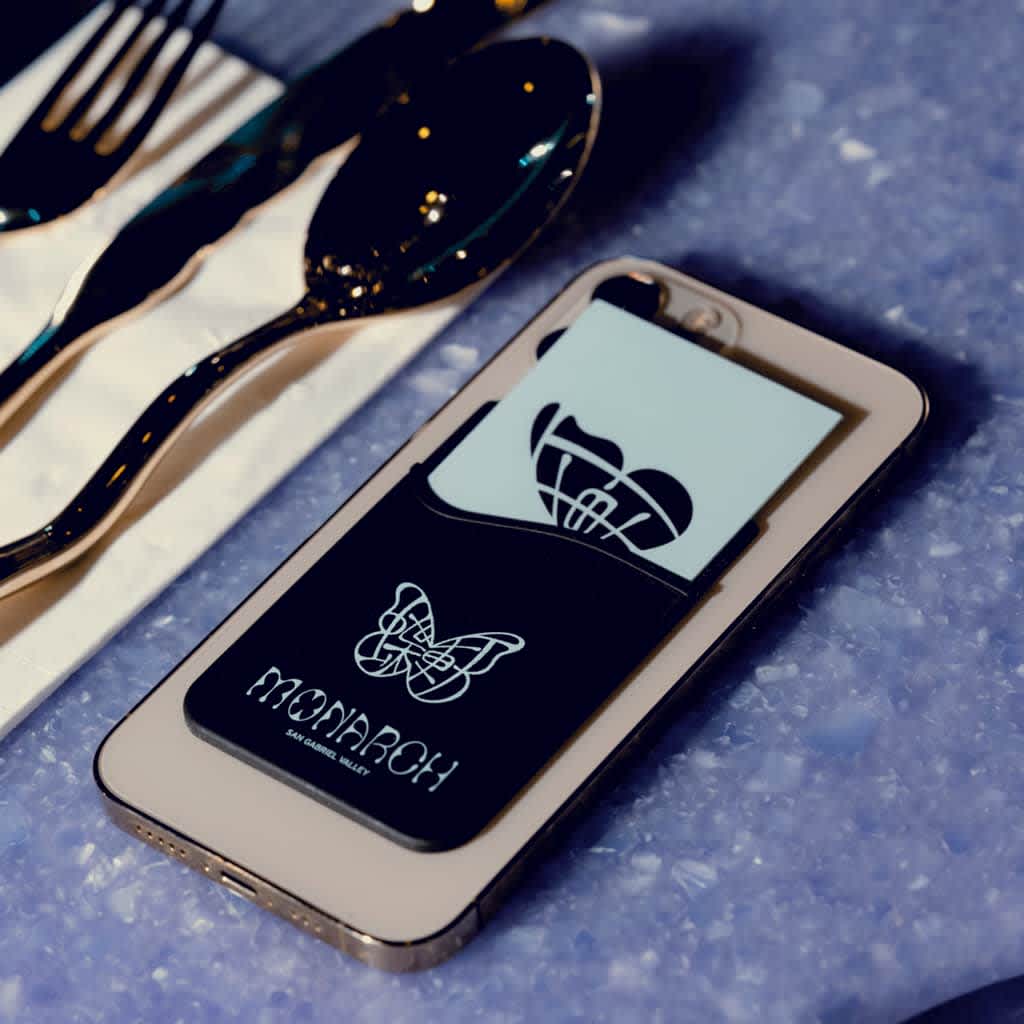
That approach keeps your merch in circulation for longer. Heavyweight custom T-shirts, comfortable hoodies, baseball caps and canvas totes are far more likely to become part of someone’s regular wardrobe when they’re made from quality fabrics, fit well and feel good to wear, giving your brand repeated visibility wherever they’re worn.
For more information on choosing quality fabrics, fit and print placement, read our guide on how to design a T-shirt.
Packaging inserts
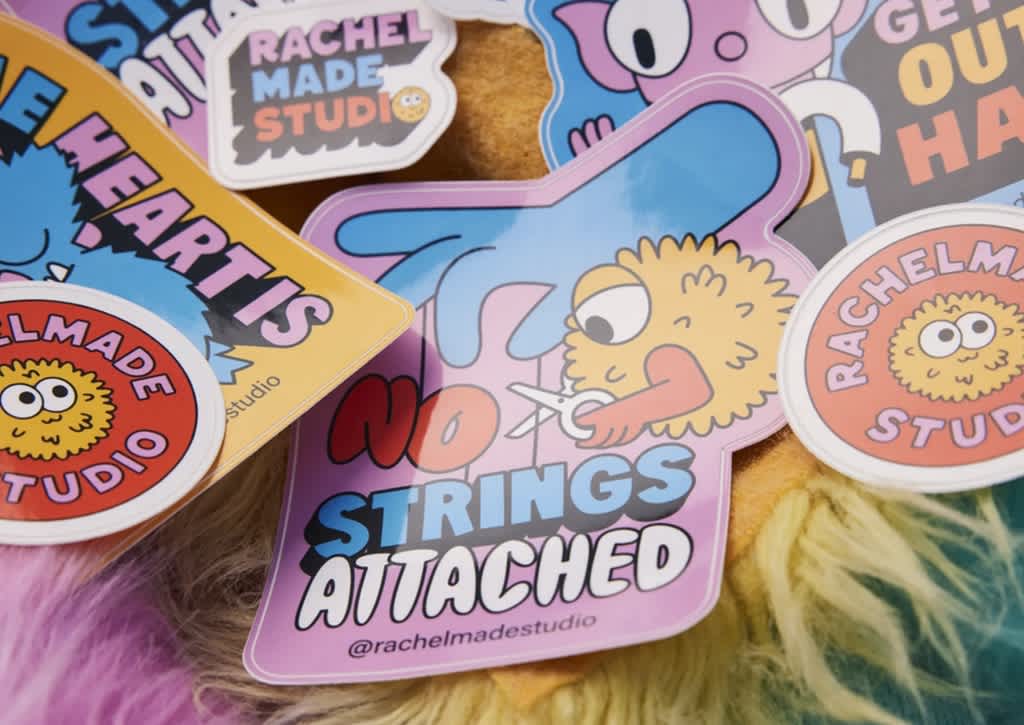
Precision die-cut vinyl stickers, thick unboxing cards and metallic foil accents drive immense customer delight and serve as frictionless prompts for user-generated content.
How to measure ROI of branded gifts (and prove it)
To understand the true impact of your promotional merch, track the metrics that matter most:
- Gross impressions: The estimated cumulative number of times an item is viewed in public over its entire operational lifecycle. While exact figures are difficult to measure, using realistic assumptions based on where and how often the product is used can help you compare campaigns.
- Cost Per Impression (CPI): Your total campaign cost divided by the estimated lifetime impressions generated by your promotional merch.
- Customer Lifetime Value (CLV): While Cost Per Impression measures how often your brand is seen, Customer Lifetime Value looks at how much a customer is worth over the course of their relationship with your business.
- QR scans and digital conversions: The volume of direct, trackable web actions executed via custom parameters embedded on the physical product.
- UGC posts and social reach: The volume of organic social media impressions, stories and video reviews generated directly by your merchandise campaigns.
- Attributed referral revenue: Financial growth traced back to custom referral codes or unique affiliate links permanently printed on VIP customer gear.
- Influenced pipeline value: The total dollar value of sales pipeline directly touched, accelerated, or secured by physical merchandise distributions at trade shows and B2B events.
Cost-per-impression (CPI) calculator walkthrough
To quickly determine whether your physical goods are delivering, use this simple formula:
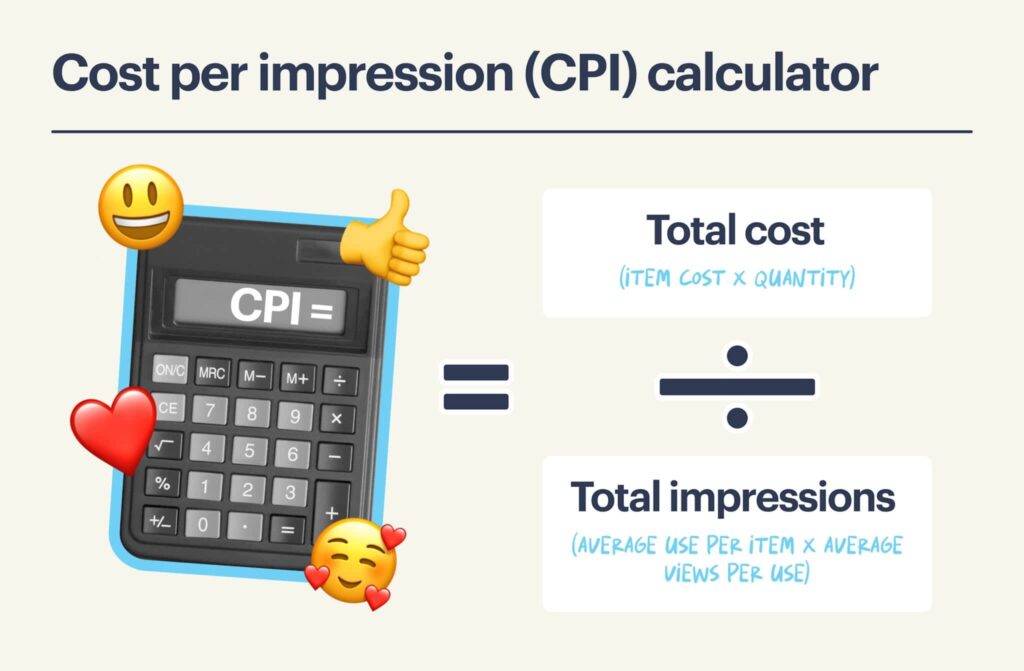
Example: Calculating CPI for a tote bag campaign
Here’s what that calculation might look like in practice. Remember that impression counts are estimates based on how often people are likely to use and see your promotional products, so adjust the numbers to fit your audience and campaign.
- Campaign cost: You order 200 premium canvas tote bags at $8 each, bringing your total campaign cost to $1,600.
- Estimated lifetime impressions: Assume each tote bag is used three times a week and seen by three people each time it’s used. That’s around nine impressions per week. Over 52 weeks, each bag generates an estimated 468 impressions, or 93,600 impressions across all 200 bags.
- Cost per impression (CPI): Divide your total campaign cost by your estimated lifetime impressions:
$1,600 ÷ 93,600 = $0.017 per impression
While the exact number will vary from one campaign to another, this type of calculation gives you a practical way to compare the long-term value of promotional merch with other marketing channels and make more informed budgeting decisions.
Make tracking easy with QR and “phygital” links
While you can’t measure every impression your promotional merch generates, you can measure what people do next.
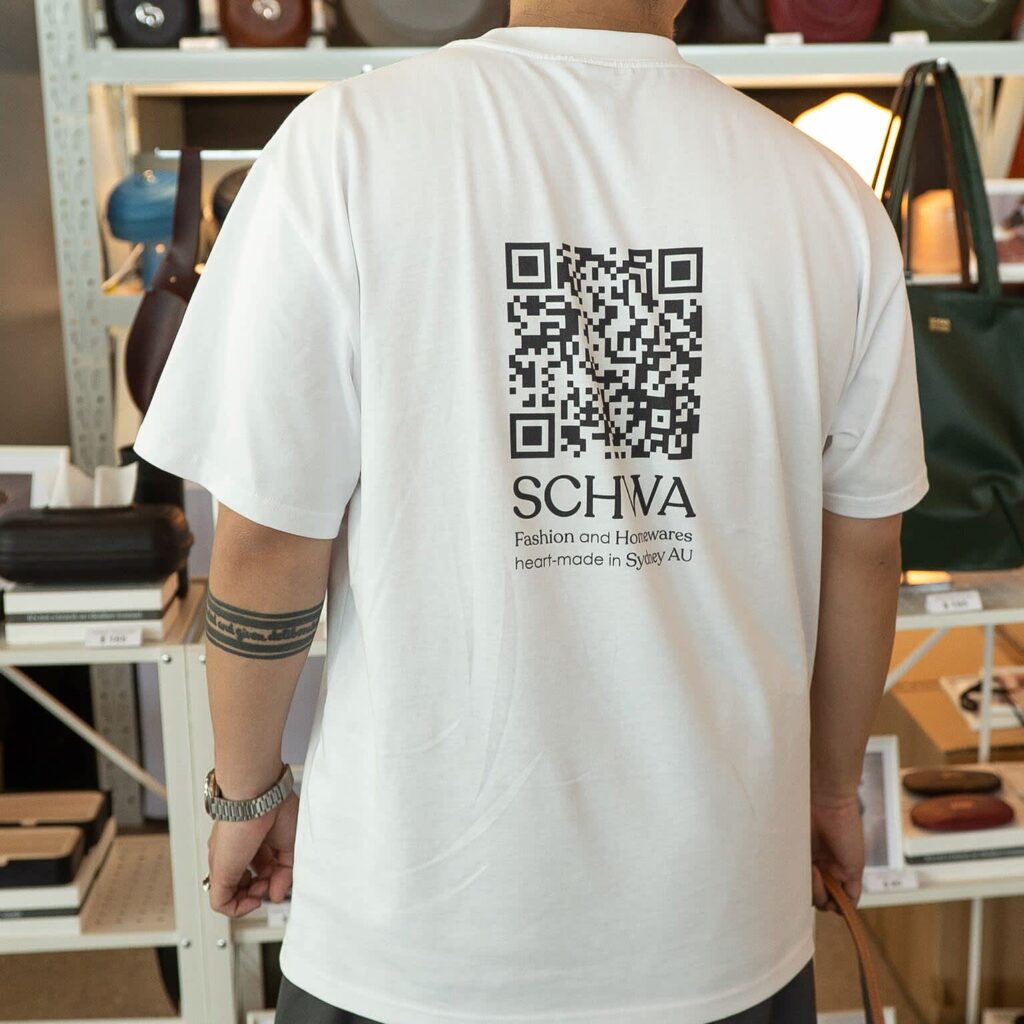
Add unique QR codes to different products or campaigns to direct customers to dedicated landing pages, exclusive offers or bonus content. Tracking scans, visits and conversions gives you a clearer picture of which products and campaigns drive the most engagement, helping you turn brand visibility into measurable results.
2026 promotional merch trends to watch
Sourcing sustainable merch
People are becoming more selective about what they keep. Cheap giveaways that break after a few uses rarely leave a good impression and often end up in the trash. On the other hand, well-made promotional merch, especially products made with recycled or responsibly sourced materials, is more likely to stick around and keep your brand in sight.
If sustainability matters to your business, consider materials such as:
- Certified organic cotton: A soft, durable fabric for custom T-shirts, hoodies and other apparel, grown without synthetic pesticides.
- Wheat straw composites: A lightweight, durable material for pens, notebooks and tech accessories, made using agricultural byproducts.
- Recycled ocean plastics (RPET): A hard-wearing material for bags, travel gear and performance fabrics, made from recovered marine plastic.
When you’re comparing suppliers, don’t stop at the price tag. Ask what materials a product is made from, how it’s manufactured and whether it’s built to last. Better yet, order a sample first. It’s the easiest way to check the quality before committing to a larger order – and to make sure you’re choosing merch people will actually keep.
“Phygital” integration (QR-enabled merch)
As more businesses connect physical products with digital experiences, promotional merch is becoming more interactive. A QR code on a T-shirt, tote bag or travel mug can unlock exclusive content, special offers or a customer community, turning an everyday product into a simple phygital brand experience that keeps people coming back.
Tips to get started on your promotional merch journey
As you start planning your promotional merch, keep these five tips in mind to make the process smoother and set your campaign up for success:
1. Decide how you’ll measure success
Before you order anything, decide what you want your merch to achieve. Depending on your campaign goals, that might be QR code scans, email signups, repeat purchases, referral traffic or user-generated content. Knowing what you’ll measure upfront will help you choose the right products and evaluate what worked once the campaign is over.
2. Order early (and test for quality first)
If you’re ordering merch for a product launch, trade show or big event, give yourself plenty of time for production and delivery. Before placing a large order, request a sample so you can check the fit, print quality, material and any QR codes before the full run goes ahead.
3. Consider season and context
Choose promotional products that fit the season and the occasion. Pens and caps work well all year round, while insulated drinkware is a great fit for summer events and beanies, fleece and outerwear are more practical during the colder months.
4. Show brand consistency (and keep it wearable/usable)
Keep your promotional products consistent with your brand. You can experiment with different product types, but using the same visual style across everything you create helps people recognise your business. Quality, well-designed products also leave a stronger impression than generic giveaways.
5. Plan your distribution and replenishment
Decide where your promotional products will be distributed, whether that’s online orders, events, welcome kits, partner gifts or influencer packages. Different channels often need different products and quantities, so keep track of stock and reorder early to avoid running out before a major campaign or seasonal push.
FAQs about promotional merch
How do you use promotional products effectively?
Shift your focus away from low-cost giveaways and prioritize high-utility lifestyle items that solve real daily problems for your target demographic. Ensure every distributed item features a premium, minimalist design and an integrated digital entry point, such as a trackable QR code, to seamlessly guide the recipient into your ongoing marketing funnels.
What is the most popular type of promotional merch?
Premium drinkware, heavyweight custom apparel and advanced tech accessories represent the most popular and effective promotional merchandise categories. These specific products consistently drive maximum engagement because they deliver high standalone utility, command exceptional long-term retention rates and generate thousands of recurring public impressions over their lifecycles.
How can promotional merch turn customers into brand advocates?
High-quality promotional merch gives people something they’ll genuinely enjoy using. When customers wear, carry or share your products, they introduce your business to new people and help spread the word in a way that feels natural and authentic.
How do you integrate physical merch with digital marketing?
Integrate physical merchandise with your digital marketing ecosystem by embedding unique, parameter-tracked QR codes directly into the physical design of the product. Route these codes to mobile-optimized landing pages, hidden discount portals, review pipelines or private community groups, allowing you to seamlessly monitor user behavior, acquisition metrics and exact campaign conversion data.