
Hosting an event is one of the most effective ways to build relationships, strengthen your brand and reach new customers. Whether you run a small business or a side hustle, knowing how to plan an event can help you hit your goals and make a lasting impression.
In this guide to business event planning, we’ll walk you through everything from setting clear objectives and managing logistics to promoting your event and measuring success. You’ll also get a few insider tips to help you stay organized, attract the right audience and make your event truly memorable.
- Event planning takes strategy, not luck. Clear goals and a solid plan keep your event focused, organized and aligned with your business objectives.
- Budget early to stay in control. Planning ahead lets you negotiate better deals, avoid last-minute costs and make every dollar count.
- Your attendees should guide your decisions. Knowing who they are helps you pick the right format, location and content to keep them engaged.
- Marketing makes or breaks your event. Combine online promotion with printed materials like banners and invitations to build buzz and boost turnout.
- Post-event analysis turns one-time wins into repeat success. Reviewing feedback and metrics helps you refine your next event for even better results.

Source: Logo design and branding for a corporate event by sergiOne Ⓢ via 99designs by Vista
What is event planning, and why is it important?
Business and corporate event planning is more than booking a venue; it’s the strategy behind creating a memorable experience that meets your goals.
While specific intent will differ from event to event and business to business, the ultimate goal is to create a successful and memorable experience, meeting objectives and delivering smooth execution from start to finish.
Why event planning matters
- Risk management: Good planning helps you prepare for the unexpected, bad weather, missing vendors or last-minute changes. It’s all about spotting those “what if” scenarios early on, from unpredictable weather to vendors pulling out last minute. Having a plan B (and maybe even a plan C) can turn potential disasters into minor hiccups.
- Resource optimization and budget control: Planning early saves money and stress by helping you stay in control of your budget. It helps you avoid panic-driven decisions and ensures efficient use of your resources. With time on your side, you can shop around, strike better deals and keep those purse strings in check.
- Goal alignment: Event planning keeps your goals front and center so every decision serves a purpose. Whether you’re focused on brand awareness, customer engagement or sales, thoughtful planning keeps everything aligned and delivers real business results.
- Timely execution: Timing is everything in event planning. A clear plan keeps things running smoothly and on schedule, from guest arrivals to the final pack-up.
Sweat the small stuff. Branded signs, name tags and table cards might seem minor, but they’re what make guests say, “Wow, they’ve thought of everything.”
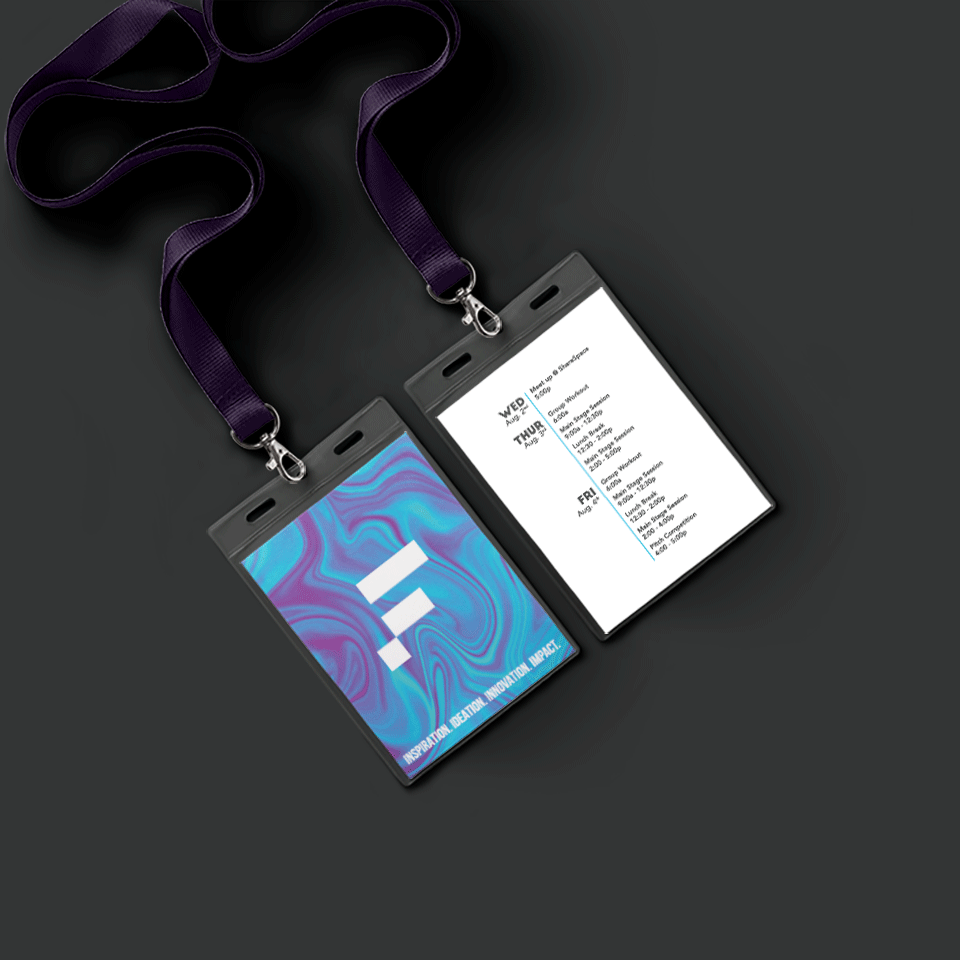
Source: Schedule lanyard and name tag design by Empierce1119 via 99designs by Vista
How to plan an event: From idea to execution
Instead of ticking boxes, think of event planning as a journey, from defining your goals to celebrating your success.
1. Set clear goals and objectives
Start by deciding what you actually want your event to achieve. Are you aiming to boost brand awareness, generate new leads or celebrate a company milestone?
Clear goals give you a compass, shaping your event’s purpose, audience and budget. Without them, you’re essentially planning in the dark. Think measurable outcomes, like increasing attendance by 20% or driving a set number of social media mentions, to make it easier to track success later on.

Source: Photo of the Dreamforce conference by Salesforce
2. Know your audience
Once you’ve nailed your goals, figure out who you actually want to show up. Understanding your attendees is key to good event planning, as it shapes your messaging, venue and overall vibe.
Consider their age, location, interests and motivation for attending. Are they there to network, learn or have fun? Use social media insights, email data or past event feedback to guide your decisions. The more you know your audience, the better your event will connect with them.
3. Choose the right date and time
Pick a date that works for both your team and your audience. Check for holidays, industry events and other scheduling clashes that could compete for attention.
If your event is outdoors, plan around seasonal weather patterns. For indoor gatherings, consider travel convenience and accessibility. Timing is everything; you want to give yourself enough lead time to organize without leaving guests waiting too long.
4. Map an event timeline
A timeline is your event’s backbone. Start with your final date and work backward to list every milestone, from booking vendors to promoting the event. Break big milestones into smaller, doable tasks and assign deadlines to each. Keep your team in sync with regular check-ins to stay on track.
5. Set your budget
Your budget is your blueprint for making smart, realistic choices. List all your expenses, from venue and catering to signage and staff, and give each one an estimated cost.
Start with must-haves, then add nice-to-haves if there’s room. Planning early helps you negotiate better rates and avoid inflated last-minute prices.
Keep 10% of your event budget aside for last-minute surprises. They always happen, and this safety net keeps you covered.
6. Find and book the perfect venue
Your venue sets the tone for the entire event. Choose one that matches your goals, fits your budget and feels right for your audience.
Consider accessibility, parking, capacity and on-site tech. A corporate seminar might shine in a sleek conference center, while a casual networking night might work better in a local café or gallery. When you’re hosting a corporate event, location and layout matter just as much as cost.

Source: Venue design for a corporate event by BenTō. via 99designs by Vista
7. Build your dream team
Behind every successful event is a strong team. Assign clear roles, like event coordinator, marketing lead, tech support and attendee liaison, so everyone knows their responsibilities.
If you’re a small business, a few people might wear multiple hats and that’s okay. The key is clear communication and accountability from start to finish.
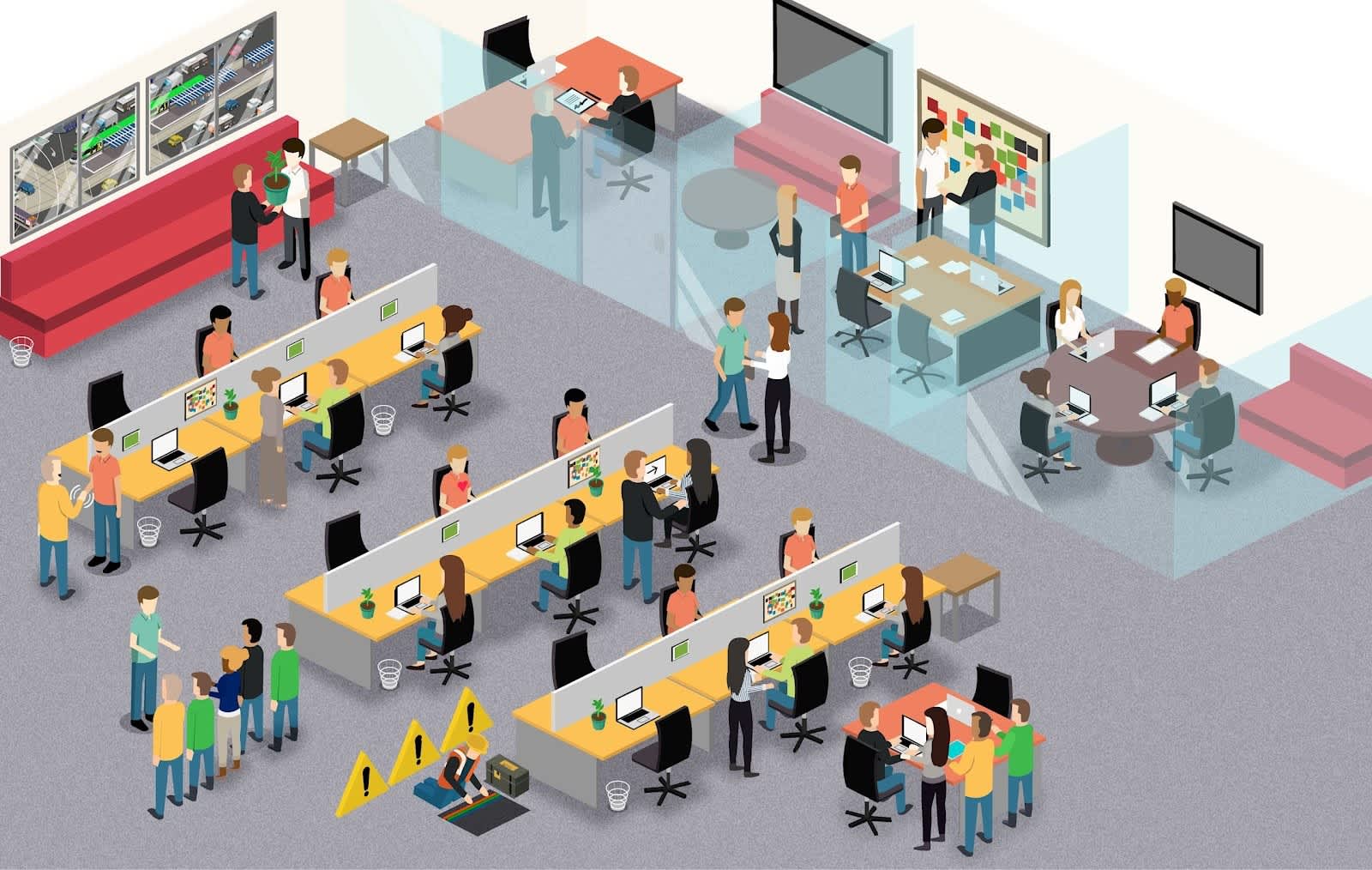
Source: Illustration of an event planning team collaborating by Andres M. via 99designs by Vista
8. Lock in vendors and suppliers
Once your team is in place, start contacting vendors early. Think catering, florists, photographers and A/V technicians.
Always get written agreements and confirm details like arrival times, setup needs and cancellation policies. If you’re planning recurring events, building long-term vendor relationships can save you money and stress down the line.
9. Plan your event content
Your agenda is the story of your event. Whether it’s a keynote speaker, a workshop or live entertainment, decide what attendees will experience, and when.
Balance educational and interactive moments so guests stay engaged. If your event involves networking or booth setups, check out how to make an impact at a trade show.
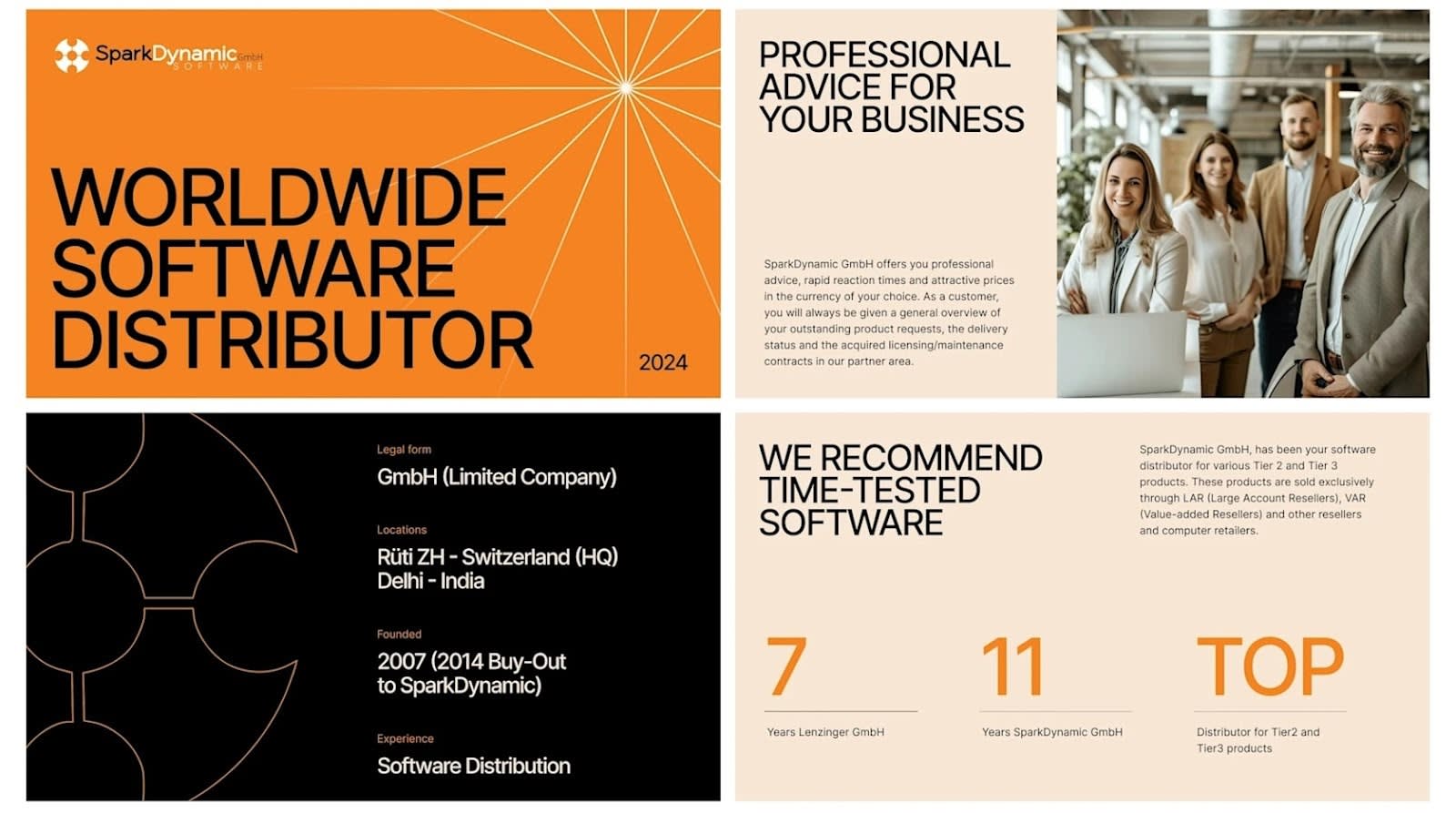
Source: Pitch deck design for an event presentation by Yevhen Genome via 99designs by Vista
10. Promote your event
Marketing makes or breaks attendance. Combine digital and traditional channels to get the word out: social media posts, email campaigns, press releases and printed flyers or banners.
Partner with influencers or local businesses to extend your reach and use targeted ads to attract the right audience.
Extend your reach offline. A quick banner outside your venue or flyers at local cafés can drive just as much buzz as a paid ad campaign.
11. Create and order promotional materials
Promotional items bring your brand to life. Design signage, programs and giveaway items like tote bags or T-shirts that tie your visuals together. They don’t just look great, they help people remember your event long after it’s over. Order early to allow for test prints and revisions.
Make your merch do the marketing. A logo on a tote or a hashtag on a mug keeps your brand in the conversation long after pack-up.
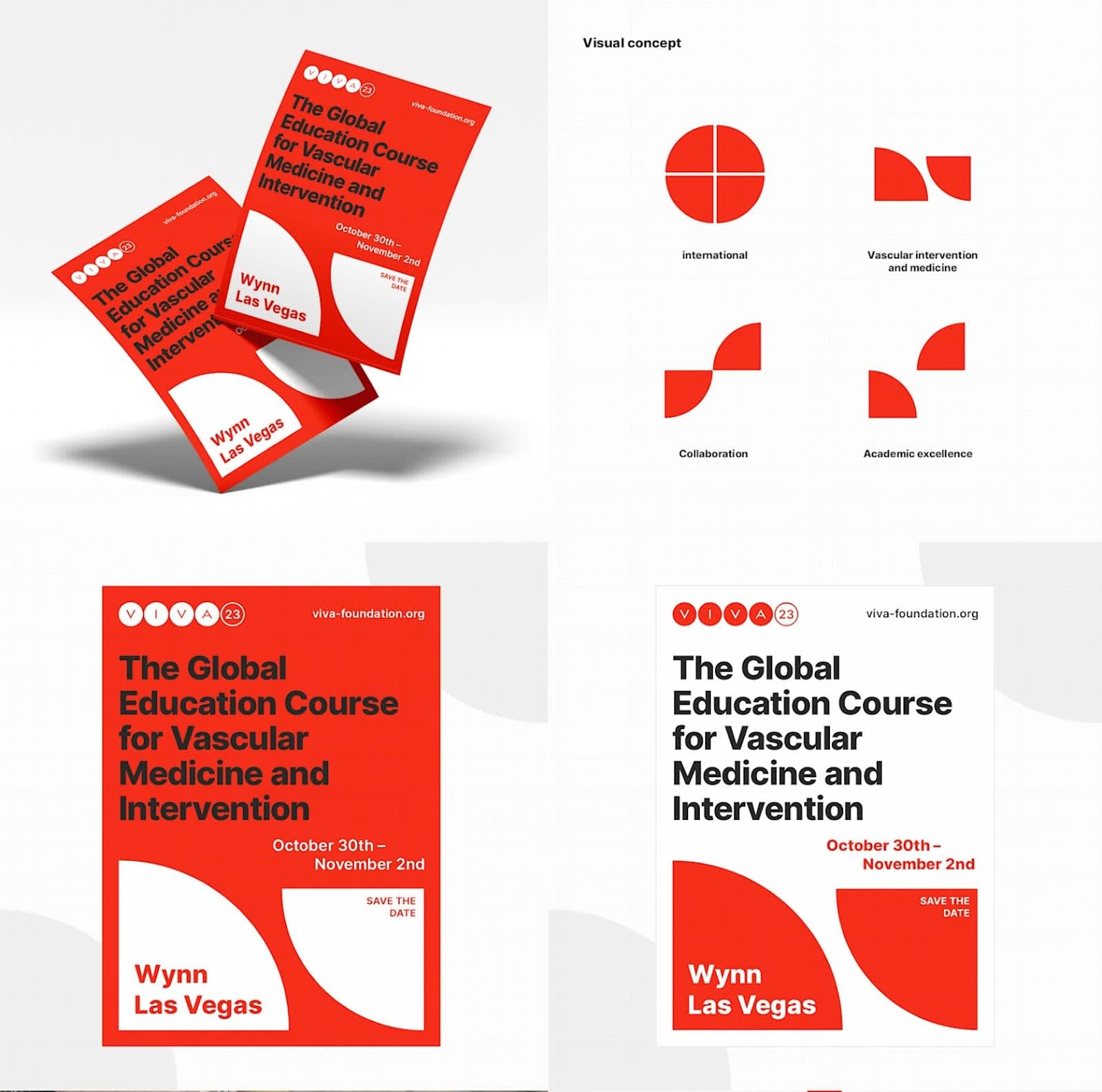
Source: Brand identity design by ms.galleya via 99designs by Vista
12. Execute, evaluate and improve
It’s showtime! Follow your plan closely, but stay flexible; things change fast on event day.
Afterward, gather feedback from guests and your team. Check what worked, what didn’t and whether you hit your goals. Tracking attendance, engagement and ROI helps you level up your next round of event planning.
Virtual vs. on-site vs. hybrid events
Each format has its perks and the right choice depends on your goals, budget and audience. Virtual events help you reach a global crowd without travel costs, while in-person gatherings build stronger relationships through real-time connection. Hybrid events combine the best of both, offering the intimacy of an in-person experience with the reach of a live stream.
For example, a boutique marketing firm might host an in-person client appreciation night complete with branded décor and custom signage to foster loyalty. Meanwhile, a tech startup could run a hybrid product demo, inviting media and investors onsite while streaming online for global customers. Both approaches use smart event planning to connect meaningfully with their audiences.
Whichever format you choose, keep your visuals consistent across physical and digital channels. Matching design elements like color palettes, fonts and logos helps create one cohesive brand experience.
Need invites that work for both? Shop VistaPrint’s digital and printed invitations.
Tools that make event planning easier
Great event planning is easier when you have the right tools. Digital platforms help you stay organized, communicate clearly and save time.
Project management tools like Asana or Trello keep your team aligned with task lists and timelines. Eventbrite handles ticketing, registration and attendee management in one place. For branding and design, Canva helps you create eye-catching graphics for event materials. And with Google Workspace, you can share documents, track budgets and collaborate in real time.
Use project management tools to keep your team aligned and deadlines on track. When everyone can see what’s due and when, nothing slips through the cracks.
Future trends in event planning
Event planning keeps evolving as technology, values and expectations change.
Sustainability is now a major focus, with planners choosing reusable décor, locally sourced catering and eco-friendly materials. Data-driven decisions are also shaping events, helping organizers understand what attendees enjoy most and refine experiences in real-time.
Finally, AI tools are transforming event planning by streamlining registration, ticketing and personalization. From automated follow-ups to smart scheduling, these innovations make planning smoother and help deliver experiences that feel uniquely tailored to every guest.

Source: Explore DDD conference T-shirt design by PANG3STU via 99designs by Vista
Ready to plan your next event?
The best events don’t just happen, they’re planned. Start early, stay flexible and enjoy the process. With the right prep (and the right partners), your next event can be your best one yet.