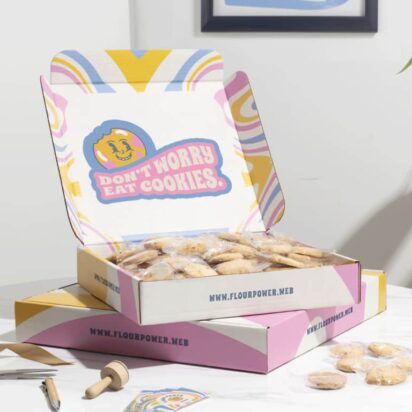
Most businesses spend far more time developing the product than building the packaging strategy behind it. Then the orders start shipping, fulfillment gets messy, campaign packaging changes every other month and suddenly the “simple box decision” turns into an operational headache with branding consequences attached.
Meanwhile, customers are forming opinions before they ever try what is inside. Packaging shapes how the product feels, how professional the business looks and whether the experience feels intentional or slapped together five minutes before launch.
That is why your packaging strategy deserves more attention than it usually gets. Good packaging connects branding, logistics and customer experience into one system that can actually grow with the business.
In this guide, we’ll break down what a packaging strategy is, why it matters, the five core elements behind it and how to build one step by step. We’ll also cover how to handle promotions, sustainability decisions and packaging growth without creating chaos every time the business evolves.
- A packaging strategy defines how products are packaged, protected, presented and delivered across the customer journey.
- Strong packaging strategy improves brand consistency, customer experience, operational efficiency and scalability.
- The five core elements of a packaging strategy are brand alignment, functionality, materials, operations and marketing flexibility.
- Building an effective packaging strategy starts with defining brand goals and packaging requirements before developing scalable systems and guidelines.
- Good packaging systems evolve through testing, operational improvements and flexible updates for campaigns and growth.
- Common mistakes include prioritizing aesthetics over function, overcomplicating packaging systems and treating sustainability as a marketing trend instead of a practical business decision.
What is a packaging strategy?
A packaging strategy is the plan behind how your product is packaged, protected, presented and delivered. It guides the decisions that shape your packaging across production, shipping, retail and customer experience.
Without a clear strategy, packaging decisions become reactive. One team pushes for premium finishes, another wants lower shipping costs, fulfillment needs faster packing times and suddenly the packaging stops making sense as a system.
The right approach depends on the business. For example:
- A candle brand may prioritize premium unboxing and gift-ready presentation because the emotional experience is part of the product itself.
- A supplements brand may focus on compliance, durability, tamper resistance and reorder efficiency since customers care about trust and convenience over decorative details.
- A seasonal gift business may need a flexible packaging system that works year-round while allowing quick swaps for holiday sleeves, promotional inserts or limited-edition campaigns without rebuilding everything from scratch every quarter.
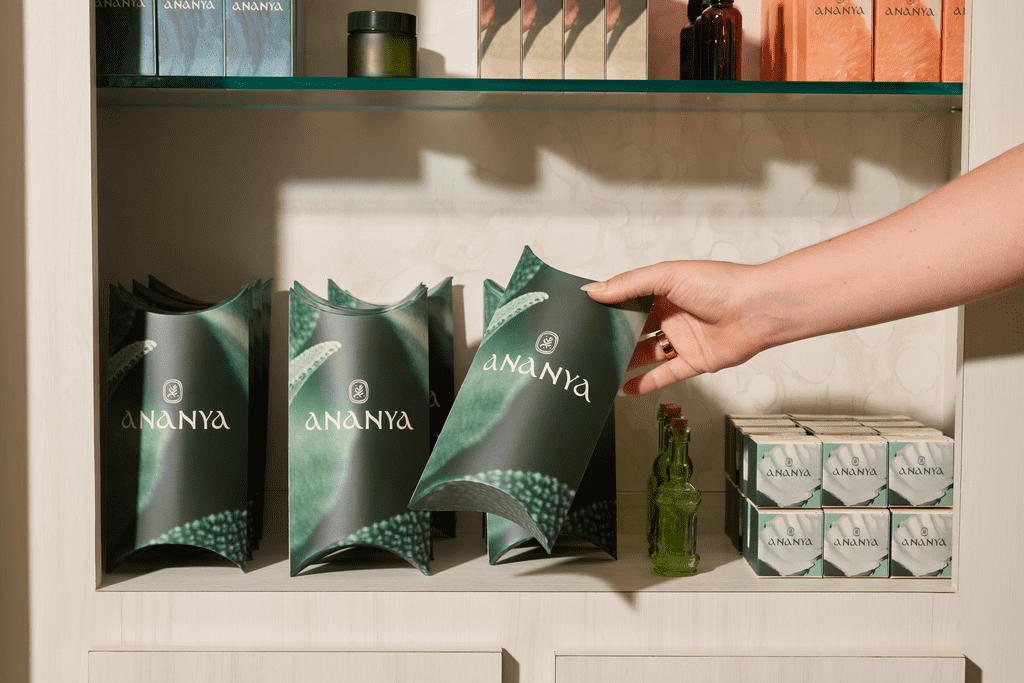
Many businesses confuse packaging strategy with packaging design. The two are connected, but they solve different problems.
Packaging design focuses on visual execution – colors, typography, layouts, finishes and overall presentation. It answers the question: “What should this packaging look like?”
Packaging strategy looks at the bigger picture and focuses on how the packaging actually performs once real-world constraints enter the picture. Shipping costs, packing speed, scalability, product protection and sustainability all matter here. A box may look premium online, but increase fulfillment costs or arrive damaged in transit. A good strategy catches those issues before they turn into expensive mistakes.
Why packaging strategy matters for brand growth
Packaging influences both how a brand is perceived and how efficiently the business operates behind the scenes. It affects everything from fulfillment workflows and shipping costs to customer expectations and long-term scalability.
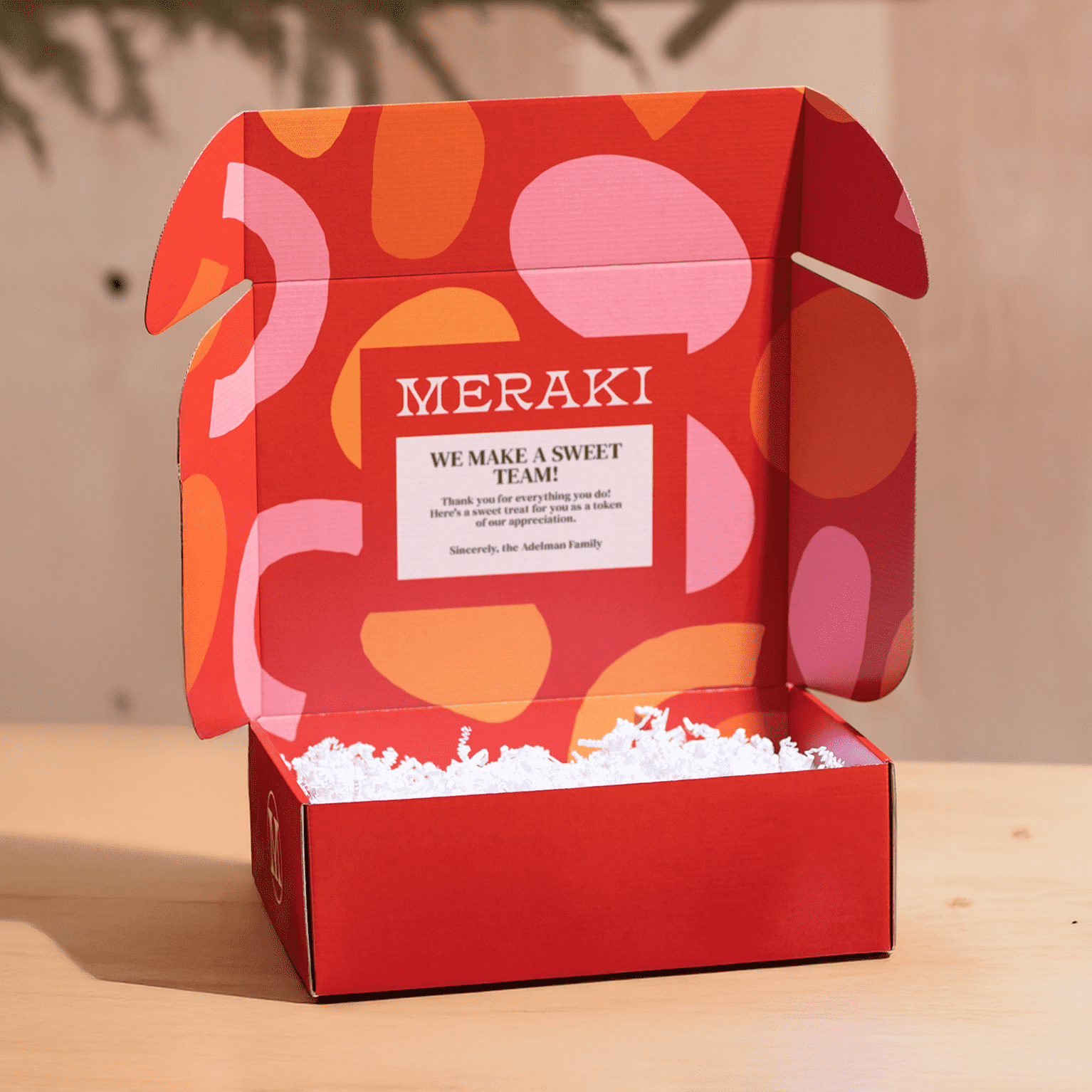
Businesses that treat packaging as an afterthought usually end up reacting to problems instead of preventing them. Damaged shipments, inconsistent branding, expensive redesigns and inefficient packing processes rarely appear all at once. They build gradually as the business grows, and the original packaging system stops holding up under real operational pressure.
Some of the biggest benefits of a solid packaging strategy include:
- Shapes first impressions and perceived value: Packaging often becomes the customer’s first physical interaction with your brand. Material quality, structure, printing and presentation all influence how valuable the product feels before it is even used.
- Makes your brand recognizable and consistent: Consistent packaging creates familiarity across retail shelves, ecommerce orders, social media content and promotional campaigns. Customers should be able to recognize your brand without needing to hunt for the logo.
- Improves customer experience and loyalty: Packaging affects convenience, usability and emotional response. Easy-open structures, practical storage, protective inserts and thoughtful presentation all contribute to a smoother experience that customers actually remember.
- Reduces operational complexity and long-term costs: Strong packaging systems reduce unnecessary variation and simplify execution. That can mean fewer packaging SKUs, easier sourcing and procurement, lower damage and return rates, faster packing workflows, simpler staff training, reduced overpackaging and fewer last-minute print emergencies before a seasonal campaign goes live.
- Communicates your brand values: Packaging signals what your business prioritizes. Material choices, waste reduction efforts, refill systems, minimalist formats and shipping efficiency all shape how customers perceive your stance on sustainability and responsible production.
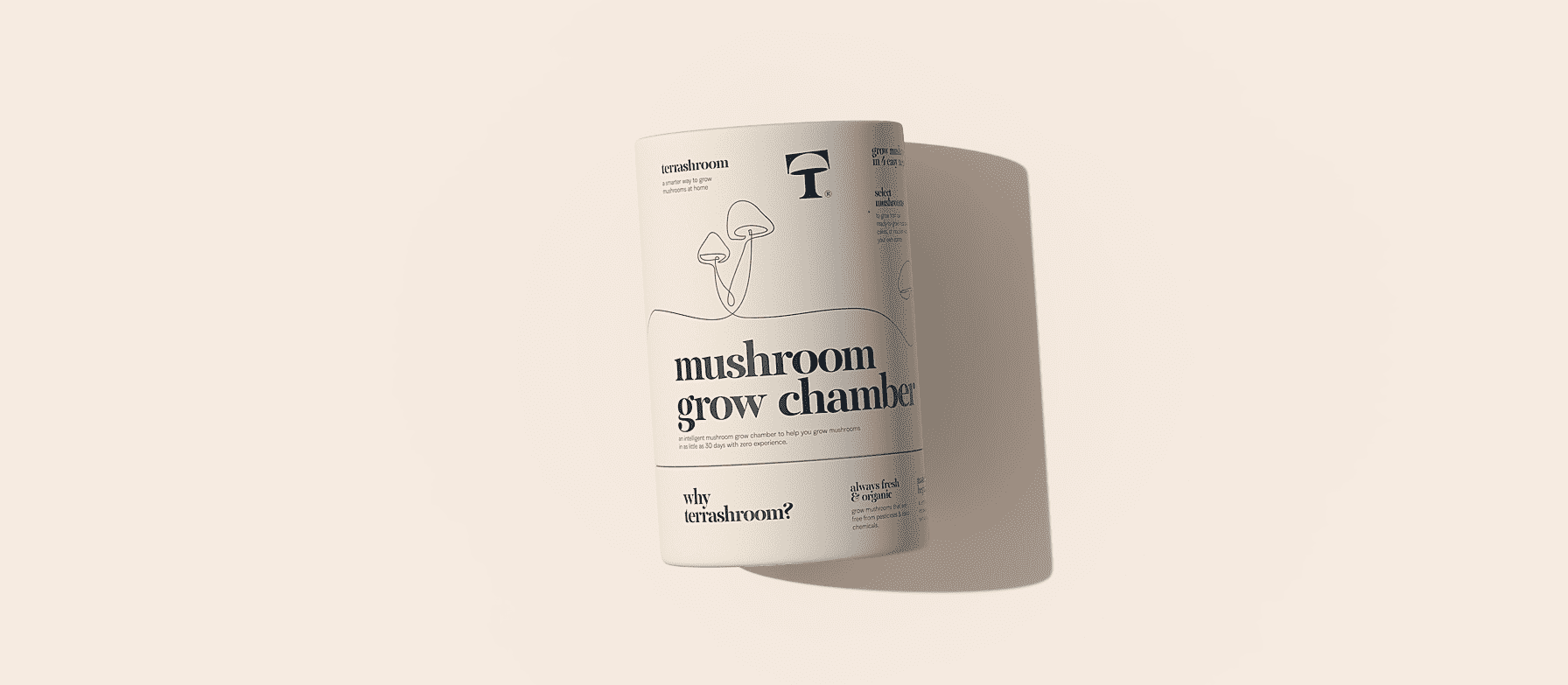
Source: Product packaging design by goopanic via 99designs by Vista
The 5 elements of a brand packaging strategy
Effective packaging systems are built through a series of connected decisions. Branding, logistics, materials, operations and marketing all influence whether packaging actually works once the product leaves the warehouse.
Here are the five elements that shape a strong packaging strategy.
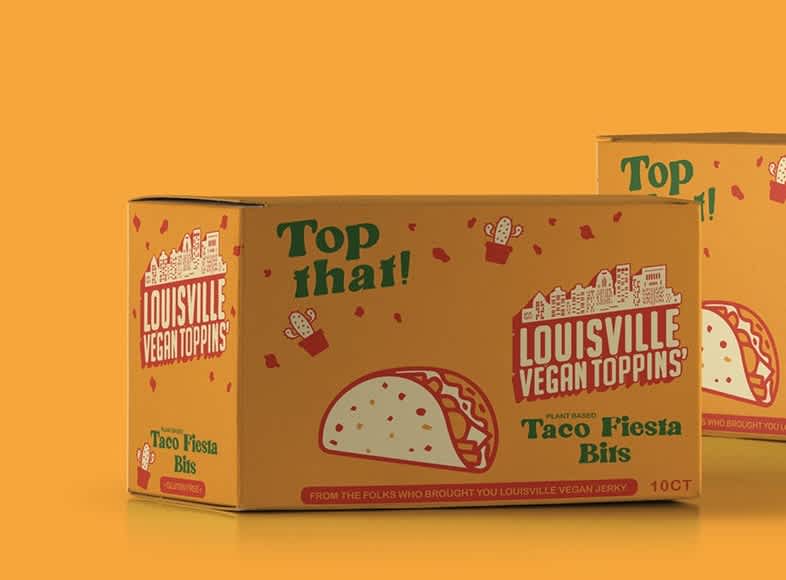
1. Brand alignment
Source: Food packaging design by Mj.vass via 99designs by Vista
Your packaging should feel like a natural extension of the brand, not a disconnected add-on.
That includes:
- Visual identity
- Tone of voice
- Structure and presentation
- Messaging consistency across channels
A premium skincare brand and a playful snack company should not package products the same way. Different audiences expect different experiences, and packaging needs to reinforce those expectations at every touchpoint, from retail shelves to TikTok unboxings.
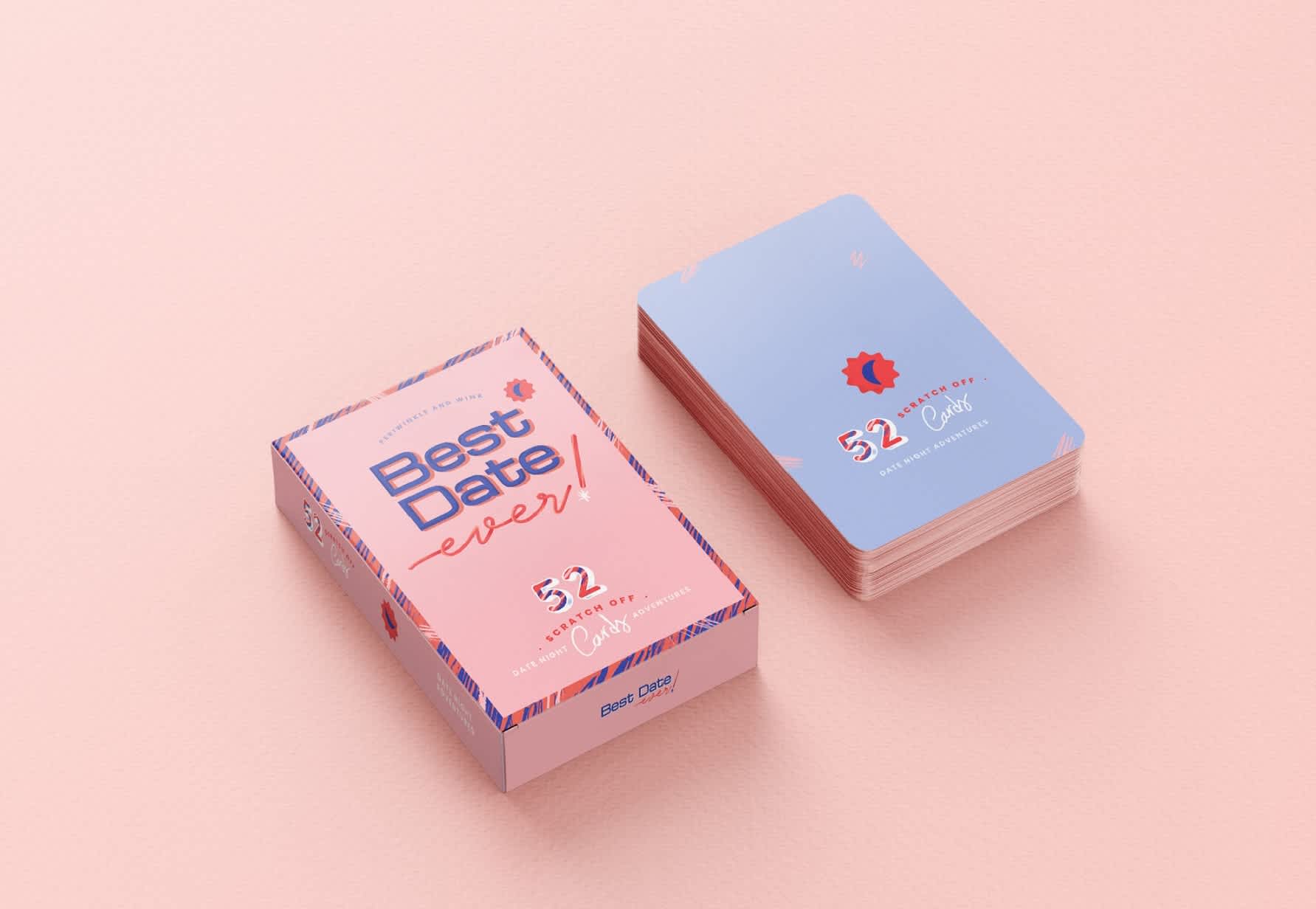
2. Functionality and protection
If the product arrives damaged, leaking, crushed or impossible to open, the branding side stops mattering pretty quickly.
Source: Packaging design by Luz Viera Studio via 99designs by Vista
This part of the strategy focuses on how packaging performs during storage, shipping, handling and everyday use. Fragile products may need protective inserts or reinforced structures. Food and supplement brands often require tamper-evident seals and moisture protection. Ecommerce packaging also has to account for dimensional weight, stacking efficiency and return shipping.
Test packaging under actual shipping conditions before approving large production runs. What survives a studio photoshoot may not survive a delivery truck in August.
Good packaging prevents problems before customers encounter them. Most people will never think twice about packaging that works properly, but they immediately notice packaging that doesn’t.
3. Materials and sustainability
Far more than appearance alone, packaging material choices influence durability, shipping weight, recyclability, production costs and how customers perceive the brand.
Sustainable packaging also tends to be more nuanced than brands expect. Using biodegradable materials may sound good in theory, but in many cases, reducing excess packaging, improving package sizing or simplifying formats creates a bigger long-term impact.
The goal is to make material decisions that support both environmental responsibility and day-to-day operational reality.
4. Cost and operations
If the system becomes too complicated to manage, packaging can create operational chaos. Too many packaging variations increase sourcing issues, storage requirements and packing inefficiencies. And as businesses grow, those small problems tend to compound fast.
Strong packaging systems usually prioritize:
- Standardized formats
- Reliable supplier relationships
- Faster packing workflows
- Lower damage and return rates
- Simpler inventory management
5. Marketing flexibility
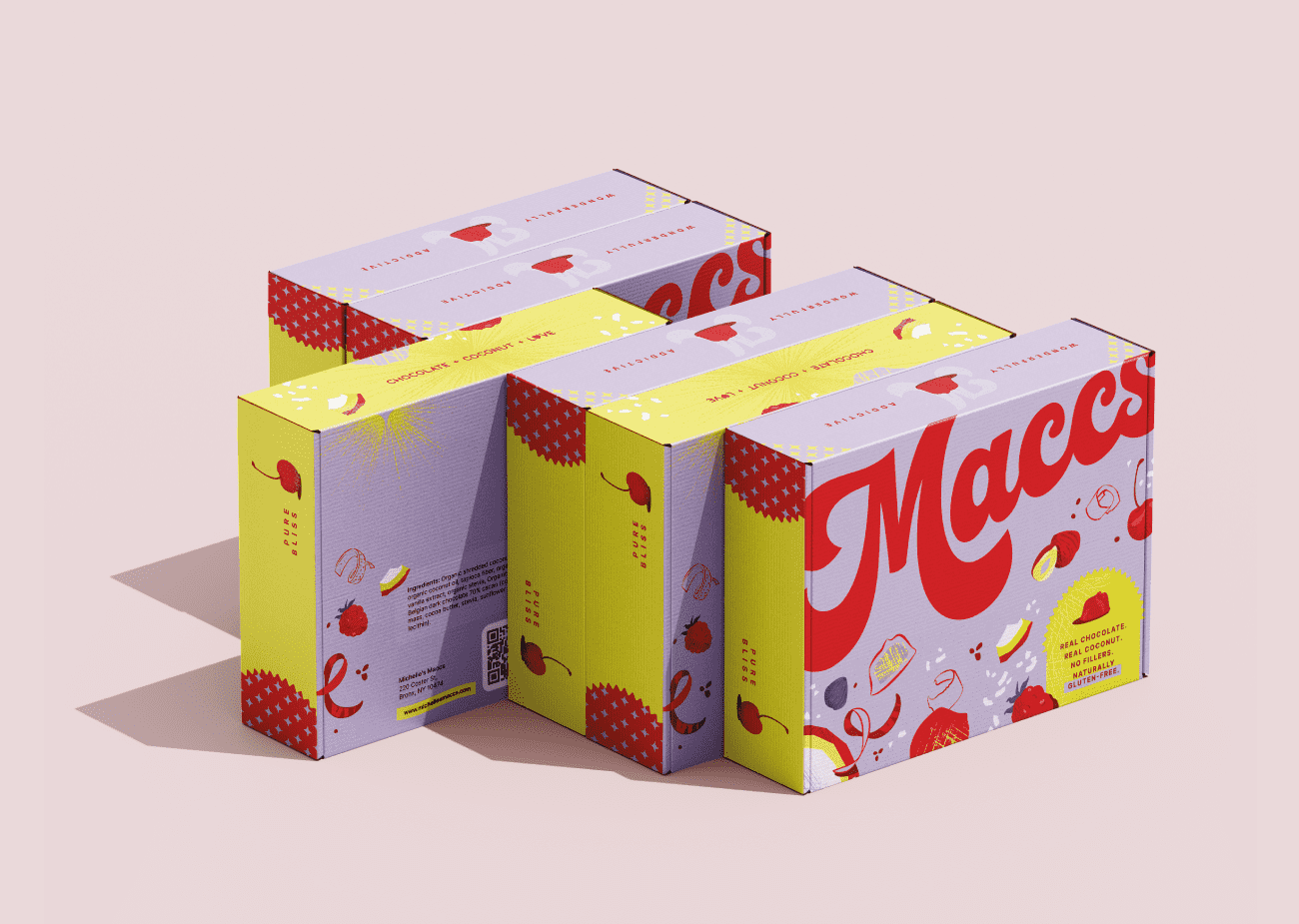
Finally, packaging should adapt easily to campaigns, product launches and seasonal promotions without forcing a full redesign every quarter.
Source: Retail packaging design by Luz Viera Studio via 99designs by Vista
Flexible systems make it easier to introduce limited-edition packaging, promotional inserts, seasonal sleeves, retail-specific messaging and collaboration campaigns.
That flexibility matters even more for ecommerce brands where packaging often becomes part of the customer’s social sharing experience.
At a high level, most packaging decisions come down to balancing three priorities:
- Protection
- Sustainability
- Brand experience
Ignore one for too long, and the cracks usually start showing somewhere else.
How to build a packaging strategy for your brand (A step-by-step framework)
Once the core elements are clear, the next step is turning them into an actual system your business can use. That means making packaging decisions in the right order, balancing brand goals with operational reality and avoiding the common trap of designing packaging before defining what it actually needs to accomplish.
Step 1: Start with your brand and customer
Most packaging problems start much earlier than businesses realize. A brand skips strategy, jumps straight into design and ends up with packaging that looks decent but is disconnected from the product or customer.
Before choosing materials, structures or finishes, define three things first:
- Who are you selling to?
- What does your brand stand for?
- What should the packaging communicate?
A luxury candle brand and a budget-friendly supplement company may both sell online, but customers expect completely different experiences from each. Packaging should reflect those expectations from the start.
So, before anyone starts choosing box styles or print finishes, you need a clear understanding of what the packaging is supposed to achieve.
If you need help narrowing that down, this guide on how to pick effective small business packaging that fits your brand breaks down the process further.
Step 2: Define what the packaging needs to do
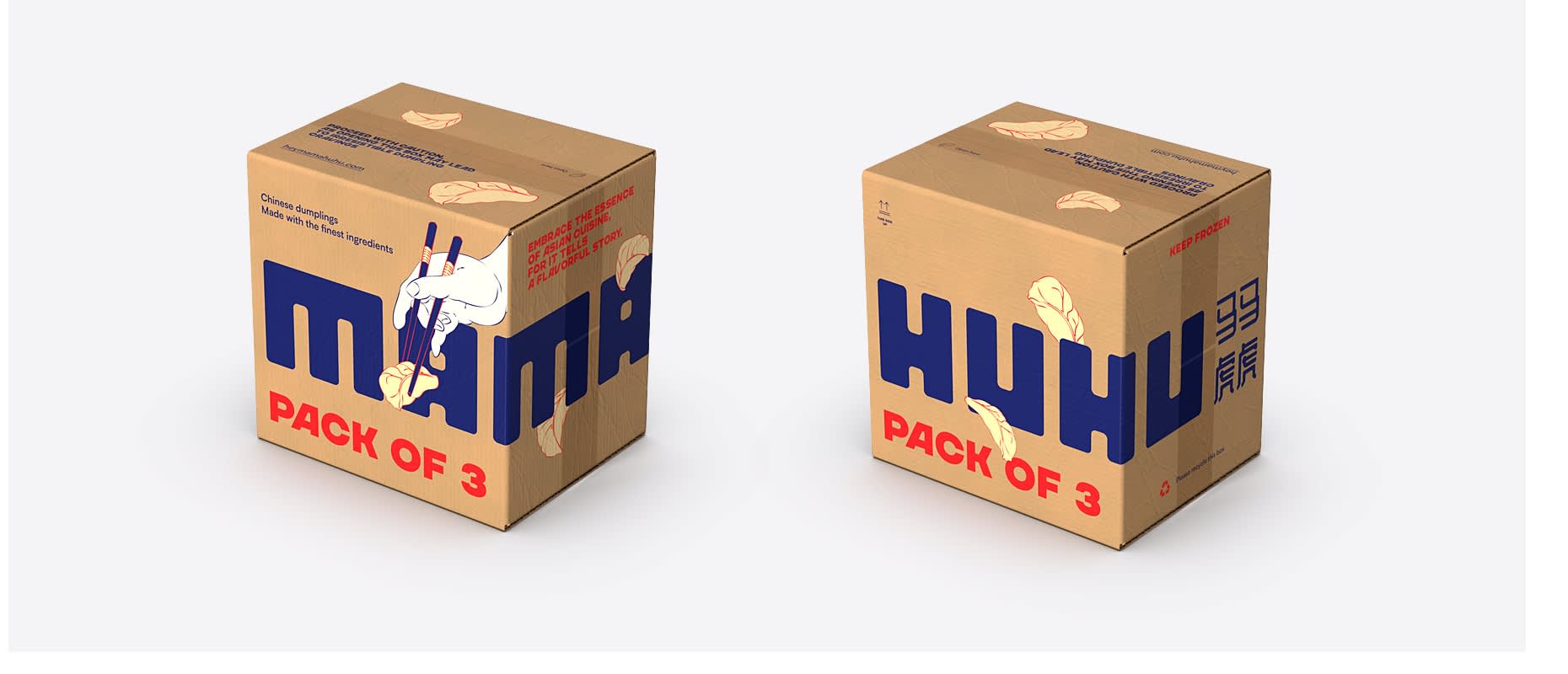
Good packaging balances presentation with performance. So now it is time to shift from brand positioning to practical requirements. Defining those early helps prevent expensive redesigns later when the packaging turns out to be difficult to ship or store.

Source: Food product packaging by goopanic via 99designs by Vista

Source: Food product packaging by goopanic via 99designs by Vista
Source: Food product packaging by goopanic via 99designs by Vista
Start by mapping out the functional jobs your packaging needs to handle:
- Protection: Prevent damage, leaks, crushing or contamination during transit and storage.
- Shipping: Account for dimensional weight, carrier requirements and fulfillment workflows.
- Display: Consider shelf visibility, stacking and retail presentation if the product will appear in stores.
- Storage: Make packaging easy to warehouse, organize and restock efficiently.
- Compliance: Ensure packaging meets industry regulations, labeling requirements and safety standards.
- Usability: Think about opening experience, resealing, portability and customer convenience.
- Disposal: Plan for recyclability, waste reduction and realistic end-of-life handling.
- Customer experience: Consider how packaging contributes to perceived quality, gifting potential or brand memorability.
This step tends to reveal tradeoffs quickly. Premium structures may improve presentation while increasing shipping costs. On the other hand, lightweight materials may reduce costs but weaken protection. It’s better to identify those tensions now instead of discovering them halfway through production.
Step 3: Choose the right level of packaging investment
Packaging isn’t something most businesses perfect upfront. Usually, it evolves alongside the business itself.
A startup validating product-market fit does not need the same packaging system as an established ecommerce brand shipping thousands of orders a month. The smartest approach is usually building in stages.
| Stage | Approach | Best for |
|---|---|---|
| Crawl | Use stock packaging with branded stickers, stamps, tape or inserts to build recognition without major upfront costs. | Early-stage businesses, tight margins, product testing |
| Walk | Introduce partially customized packaging, such as branded mailers or custom boxes, alongside simpler secondary packaging. | Growing brands that need stronger consistency |
| Run | Invest in fully custom packaging systems designed around scalability, operations and brand experience. | Established brands with stable demand and higher order volume |
The right level depends on several factors, like profit margins, order volume, sales channels, product type and customer expectations.
As a general rule:
- Stay in “Crawl” while validating your product or protecting cash flow
- Move into “Walk” when consistency starts affecting customer perception
- Invest in “Run” once packaging becomes a meaningful part of growth, retention or operational efficiency
Many businesses overspend on custom packaging too early, then struggle to maintain margins. Others wait too long and end up looking inconsistent as competitors scale around them. The goal is to find the level that matches where the business actually is right now.
Step 4: Build your packaging system
Once the strategic direction is clear, start defining the packaging components themselves.
One principle matters more than anything else here:
Standardize where possible, customize where it matters.
Too much variation creates operational complexity fast, but too little customization makes the brand forgettable. The balance usually sits somewhere in the middle.

Source: Packaging design by goopanic via 99designs by Vista

Source: Packaging design by goopanic via 99designs by Vista

Source: Packaging design by goopanic via 99designs by Vista
Most packaging systems include:
- Primary packaging: The packaging directly attached to the product itself, such as bottles, jars, wrappers or product boxes.
- Secondary packaging: Additional branded packaging that groups or presents products together, often used for retail or ecommerce presentation.
- Shipping packaging: Outer mailers, corrugated boxes or transit packaging designed for transportation and fulfillment.
- Protective materials: Inserts, padding, tissue paper or cushioning that reduce movement and damage during shipping.
- Inserts: Promotional cards, instructions, thank-you notes or campaign materials added inside the package.
- Labels: Product information, compliance details, shipping labels or barcode systems.
If you want inspiration for how different brands structure these components, these brand packaging examples offer useful reference points.
Step 5: Define your packaging guidelines
At some point, packaging decisions need to stop living inside random Slack threads and last-minute printer notes. Without clear guidelines, even good packaging systems tend to drift over time.
Documenting guidelines creates consistency across products, campaigns, vendors and future team members. It also makes packaging updates significantly easier to manage as the business grows.
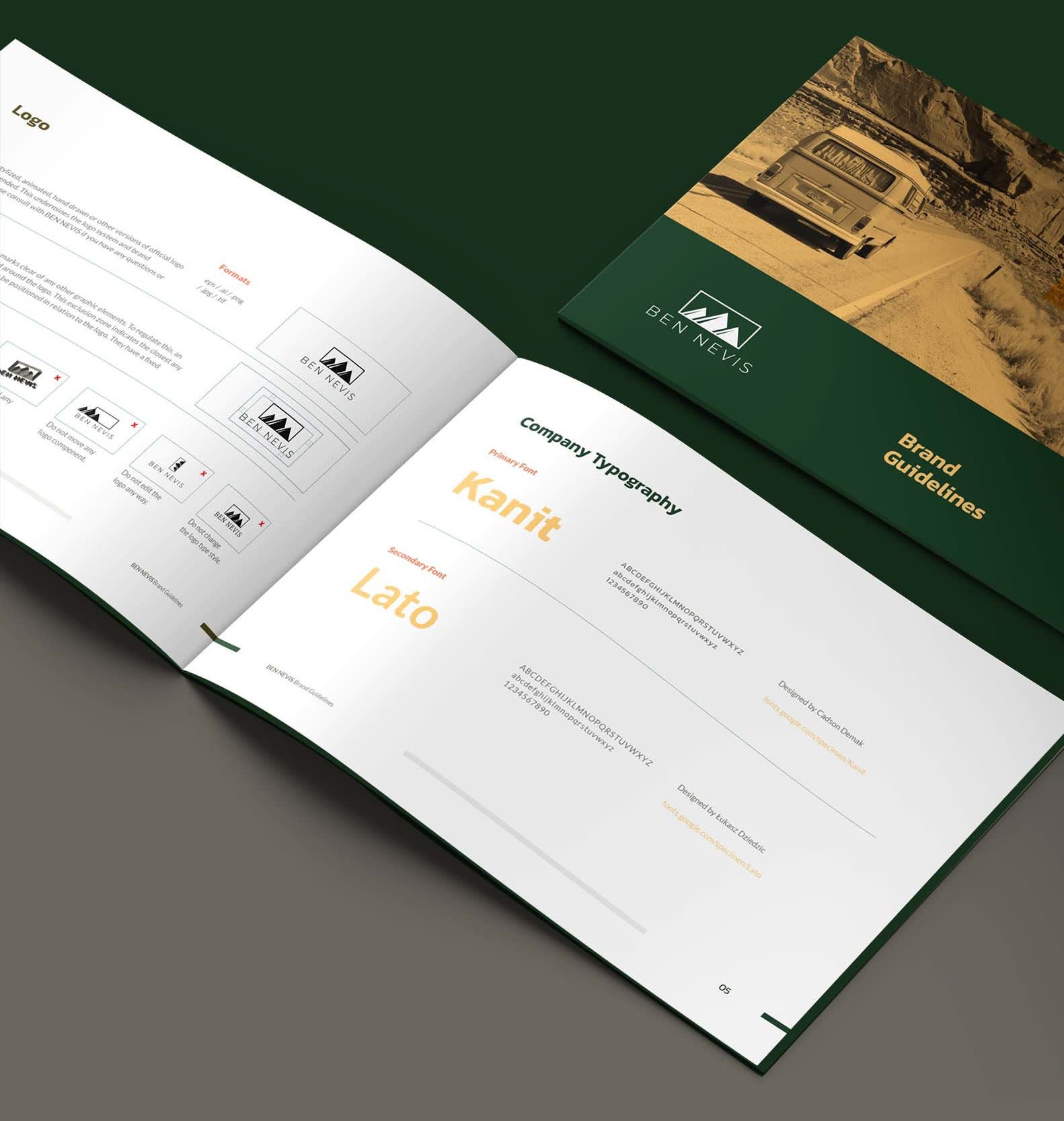
Source: Brand guidelines by Terry Bogard via 99designs by Vista
Your guidelines should define:
- Logo placement
- Color usage
- Typography
- Tone of voice
- Messaging hierarchy
- Approved materials
- Rules for promotional changes or seasonal adaptations
Keep packaging rules in one centralized document alongside approved templates, print specs and vendor requirements. Future-you will be extremely grateful during the holiday campaign season.
Step 6: Make material and sustainability choices strategically
When selecting packaging materials, focus on performance first. A material may look great in mockups and still create problems once it enters production, warehousing or shipping.
Different products place completely different demands on packaging. Lightweight skincare products, frozen foods, fragile glass containers and subscription boxes all require different levels of durability, barrier protection and shipping efficiency. Material choices need to reflect those realities early, before the packaging system becomes expensive to fix.
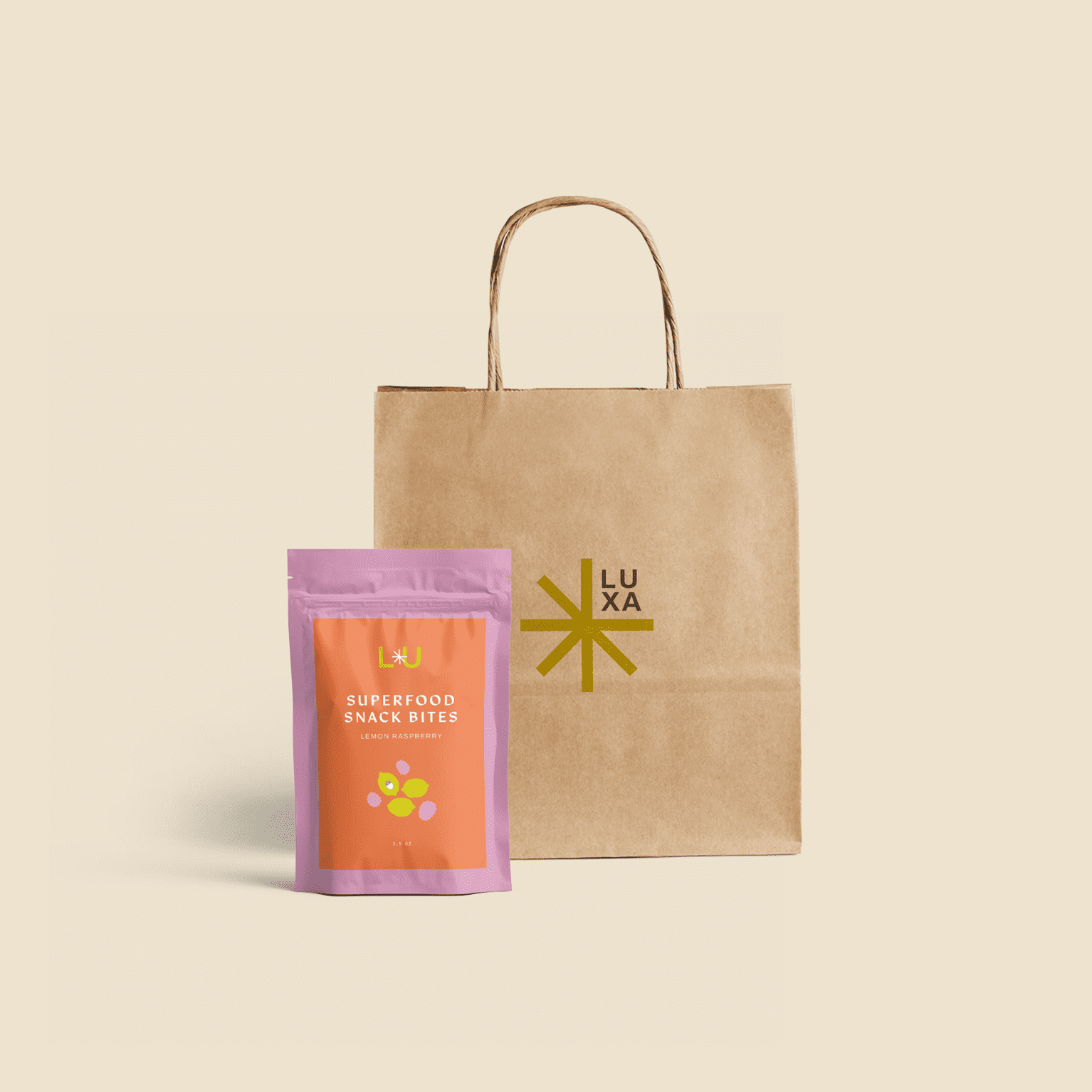
When comparing options, evaluate:
- Durability
- Cost
- Print quality
- Recyclability
- Waste reduction opportunities
- Shipping weight and efficiency
Sustainability expectations are also shifting fast. Customers increasingly want clear information about materials, disposal and sourcing, while regulations continue tightening around packaging transparency and waste reduction. Requirements tied to EPR programs and Digital Product Passports (DPPs) are already influencing how brands approach packaging across retail and ecommerce markets.
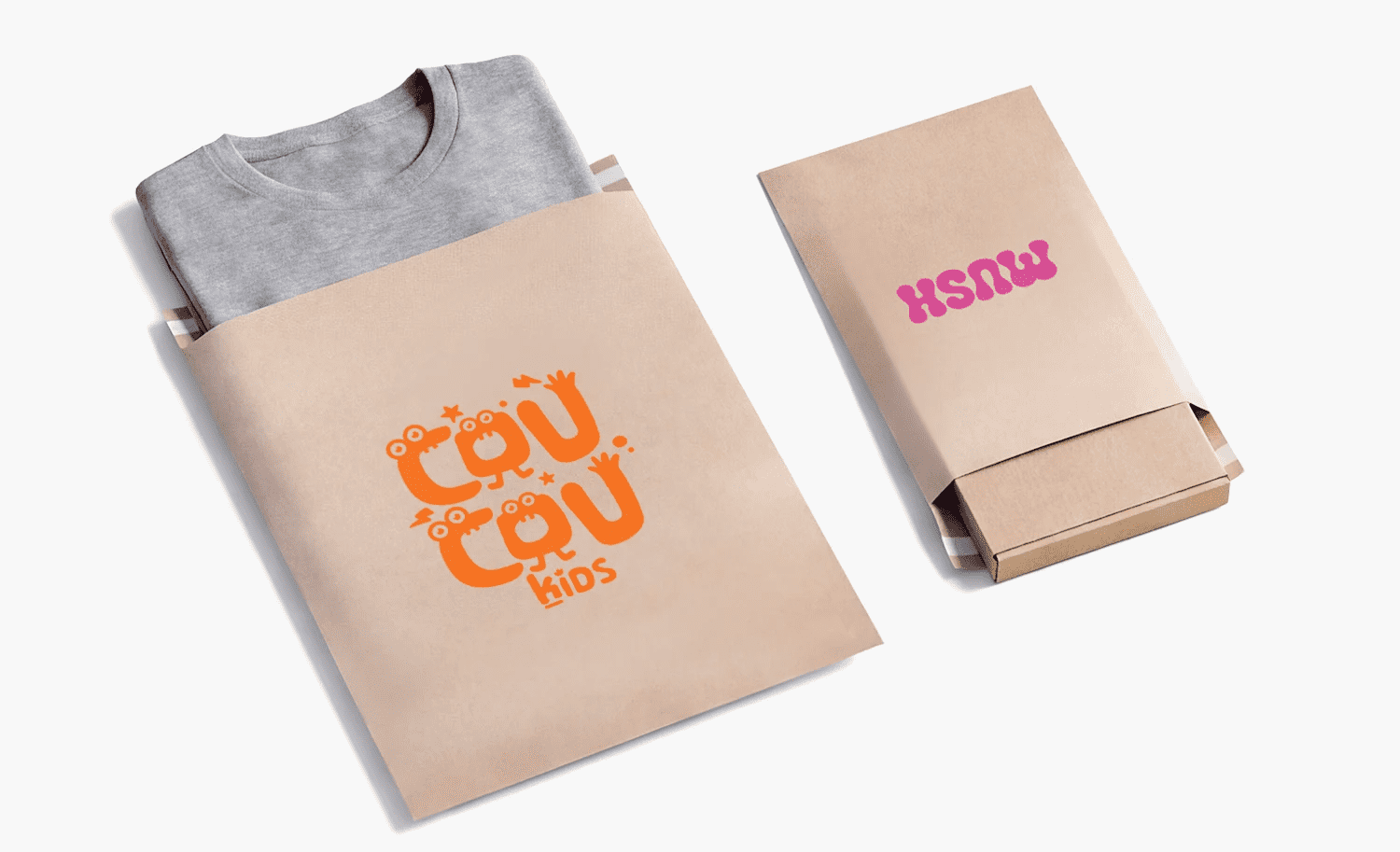
The brands handling this well usually avoid extremes. They focus on practical improvements that hold up operationally instead of chasing sustainability trends that look impressive in marketing copy but create new problems elsewhere in the supply chain.
7. Plan for promotions, seasonal launches and gift sets
Packaging systems work best when they are designed to flex without falling apart.
Seasonal campaigns, limited editions, retail bundles and influencer mailers all place new demands on packaging. Businesses that create entirely new systems for every promotion usually end up increasing costs, production timelines and operational confusion.
Modular packaging tends to scale much more efficiently. Define:
- What stays fixed
- What can change
- Which elements support campaigns without requiring full redesigns
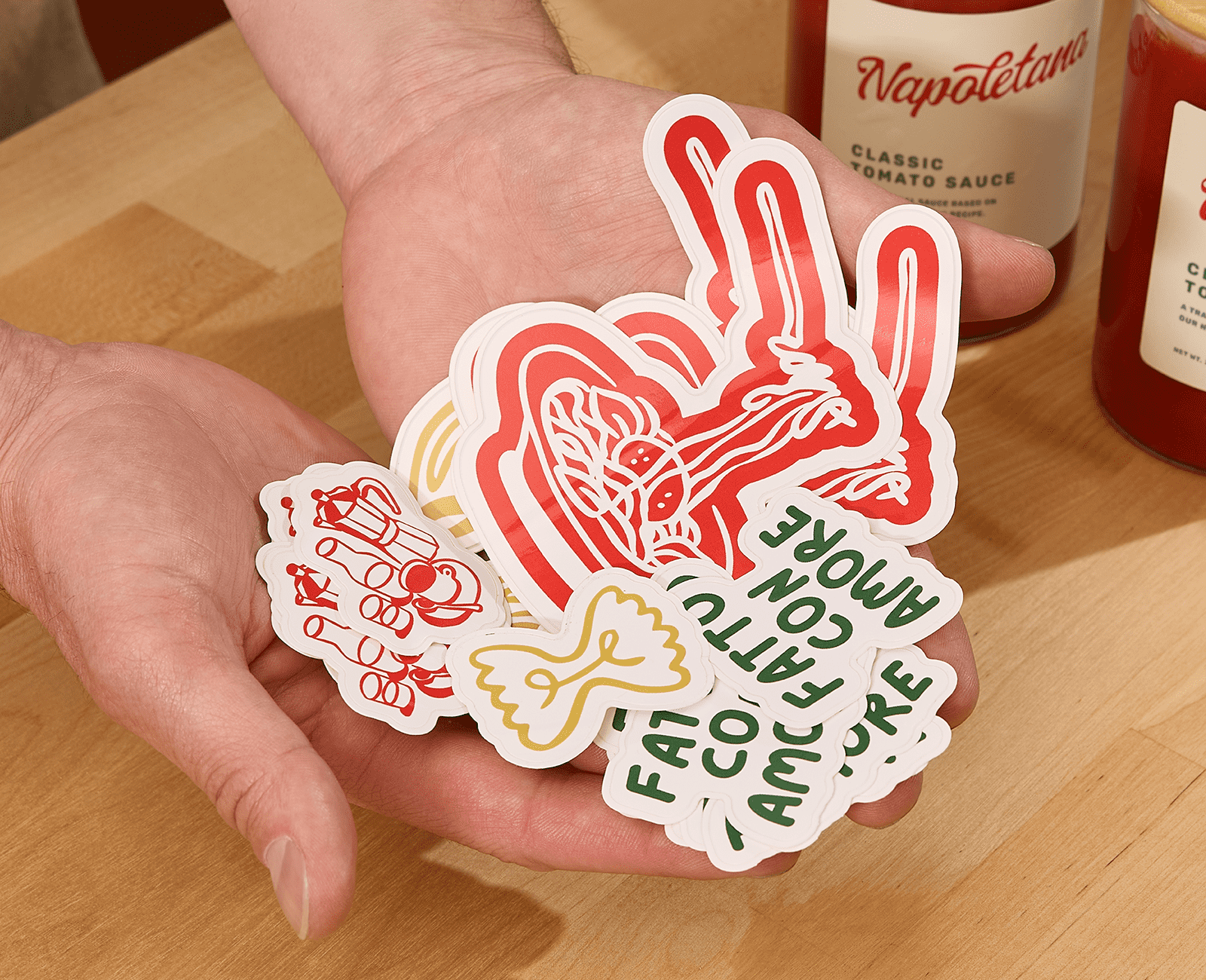
In most cases, inserts, sleeves, stickers and promotional wraps create enough flexibility without rebuilding the entire packaging structure from scratch.
If you are exploring ideas for campaign-driven packaging, these packaging ideas for promotional campaigns can help spark direction.
8. Test, measure and improve
Your packaging strategy is never fully finished. Products change, shipping conditions evolve, customer expectations shift and operational bottlenecks eventually show up somewhere you did not expect.
That is why testing matters.
Measure packaging performance through:
- Prototype testing
- Fulfillment testing
- Customer feedback
- Damage rates
- Packing speed
- Cost per order
Small adjustments often create outsized improvements over time. A slightly smaller box may reduce shipping costs across thousands of orders. A redesigned insert may speed up fulfillment during peak season. Better protective materials may lower return rates enough to offset higher unit costs.
The strongest packaging systems are usually the ones businesses continue refining instead of treating as permanent.
If you want additional optimization ideas, these small business packaging tips cover several practical improvements worth testing.
Common packaging strategy mistakes to avoid
Even well-designed packaging strategies can start drifting once the business grows, new products launch and promotional campaigns pile onto existing systems. Instead of coming from one catastrophic decision, most packaging problems build slowly through small shortcuts, inconsistent processes and reactive fixes that eventually turn packaging into an operational headache.
The good news is that most of these mistakes are predictable. Once you know where businesses tend to go wrong, they become much easier to prevent early.
| Mistake | What it leads to | What to do instead |
|---|---|---|
| Designing for looks before function | Damaged products, poor usability and higher return rates. | Define functional requirements (protection, shipping, handling) before design decisions. |
| Over-investing in custom packaging too early | High upfront costs and reduced flexibility as your business evolves. | Start with a “Crawl” approach and scale packaging investment as margins and volume grow. |
| Letting packaging formats multiply over time | Operational complexity, slower fulfillment and higher costs. | Standardize packaging components and limit the number of SKUs. |
| Making vague or unsupported sustainability claims | Customer distrust and potential compliance risks. | Focus on clear, practical improvements and transparent communication. |
| Treating promotional packaging as separate from your system | Inconsistent branding and unnecessary duplication of effort. | Use modular packaging that adapts for campaigns without starting from scratch. |
| Focusing only on unit cost | Hidden costs from inefficiency, labor and product damage. | Evaluate total cost of ownership across sourcing, packing and returns. |
Ready to support your brand growth with a robust packaging strategy?
A good packaging strategy keeps branding and customer experience moving in the same direction. The strongest systems balance protection, cost, sustainability and storytelling without creating unnecessary complexity behind the scenes. When packaging is treated as part of the business strategy rather than a last-minute design decision, it becomes much easier to scale products, campaigns and fulfillment without constantly fixing preventable problems.
Most brands do not need fully custom packaging on day one. Start with what makes sense now, then evolve the system as the business grows. The Crawl → Walk → Run approach exists for a reason. Build consistency first, improve strategically and invest where packaging creates measurable value for the brand and the customer experience.
Packaging strategy FAQs
How does packaging affect brand strategy?
Packaging influences how customers judge product quality, pricing and brand credibility before they ever use the product itself. Consistent packaging also strengthens recognition across retail, ecommerce and social media, which becomes increasingly important as brands expand into new channels and product lines.
What are the 2026 trends for sustainable packaging strategy?
Brands are moving away from vague “eco-friendly” claims and focusing more on measurable improvements tied to material transparency, waste reduction and packaging efficiency.
Refill systems, lightweight packaging, mono-material formats and clearer disposal instructions are becoming more common, especially as regulations around packaging accountability continue tightening in global markets.
How often should you update or revisit your packaging strategy?
Most businesses should review their packaging strategy at least once a year or whenever major operational changes happen.
New product launches, rising shipping costs, supplier changes, retail expansion and fulfillment issues are all signs that the packaging system may need adjustments before small inefficiencies turn into larger problems.
How do you balance branding and sustainability in packaging decisions?
The strongest packaging systems avoid treating sustainability and branding like competing priorities. Customers still expect packaging to feel intentional, durable and aligned with the brand. The balance usually comes from simplifying formats, reducing unnecessary materials and making smarter structural decisions rather than stripping away all visual identity in the name of sustainability.
How can you make packaging more memorable without increasing costs?
Small details tend to create a bigger impact than expensive custom structures. Consistent color usage, thoughtful inserts, branded stickers, strong typography and a recognizable tone of voice can make packaging feel significantly more polished without increasing production costs in a meaningful way.