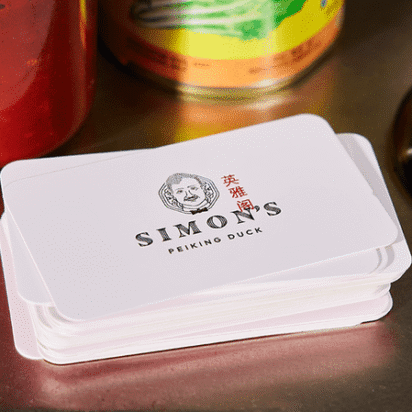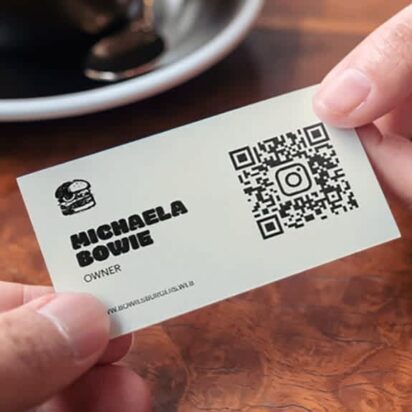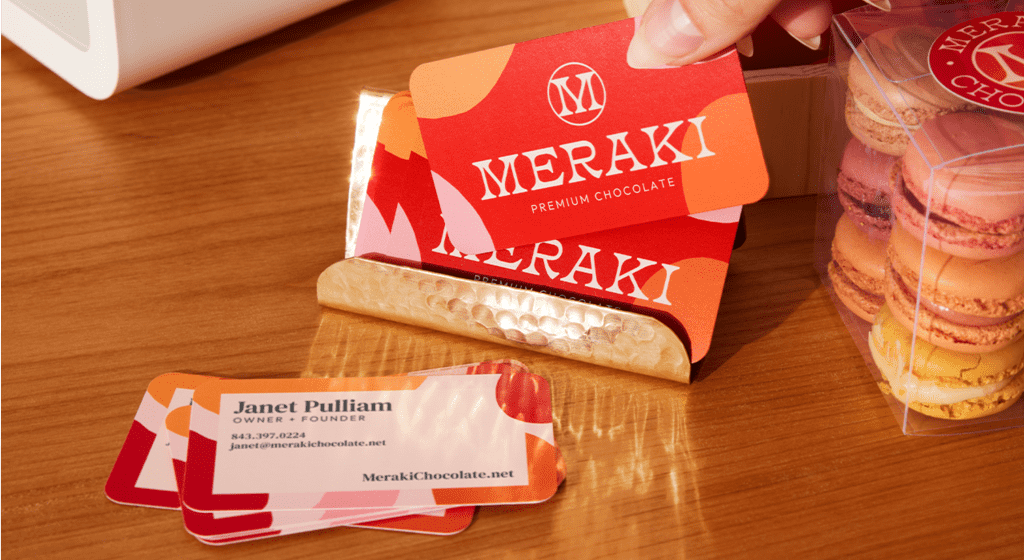
The best places to leave business cards are spots where your future customers already stop, browse or wait, from neighborhood coffee shops to hardware counters. Getting noticed locally can feel like another full-time job, especially when you’re running the business, too. A well-placed card gives someone a simple way to find you when they need you.
Start with a few locations that fit your audience, ask permission and make your cards easy to take. This guide covers 10 placement ideas, respectful ways to approach local partners and simple methods for finding out which spots bring business your way.
Choose locations for their customer fit, not foot traffic alone.
Ask the manager first and follow local advertising rules, even in publicly accessible spaces.
Start with a small, agreed quantity and keep each display tidy.
Match your design and finish to the setting so people can spot and read your cards.
Track inquiries and sales by location to decide where to restock.
Top 8 places to leave business cards for maximum exposure
- Waiting rooms: Reach people between appointments at salons, laundromats and auto shops.
- Community boards: Try approved displays in libraries, grocery stores and coffee shops.
- Partner counters: Swap space with businesses serving similar customers.
- Co-working hubs: Connect with freelancers and nearby business owners.
- Customer packages: Put your details into existing buyers’ hands.
- Welcome kits: Introduce your services to new residents.
- Tourism centers: Help visitors find local shops, services and experiences.
- Hardware counters: Reach homeowners planning repairs or improvements.
Etiquette and legalities: Leaving business cards in public places
Rules vary by city and venue. Local anti-littering or handbill ordinances may restrict windshield drops and unauthorized advertising, so skip car windshields and check local requirements. A counter open to the public can still be private property, while a public building’s bulletin board may have its own posting policy.
Visit during a quiet moment and ask the manager, for example: “I run a local pet-sitting business. Would you be open to displaying 15 cards for customers who need holiday care? I’d happily display yours, too.” Agree on the spot, quantity and restocking schedule, then accept their answer graciously. VistaPrint’s international business card etiquette guide covers customs beyond your neighborhood.
Golden rule: Get permission before placing cards. As a starting point, suggest 10–20 cards in a compact acrylic or metal holder, then adjust to the host’s preferences and pickup rate. One approved card may be enough on a crowded board.
Industry placement guide: Where to leave business cards
Wondering where to put business cards for a local business? Start with the places your customers already use. These matches give you sensible locations to test; no venue guarantees the highest return.
| Industry vertical | Target local venues | Strategic rationale |
| Trades and contractors | Home improvement counters, hardware stores, laundromats | Reach people shopping for repairs or handling household errands. |
| Real estate and home services | Local bakeries, fitness centers, HOA welcome packages | Connect with neighborhood regulars and residents settling in. |
| Pet care services | Veterinary clinics, pet boutiques, approved dog park boards | Meet pet owners where care is already on their minds. |
| Professional services | Co-working spaces, legal offices, financial hubs | Reach owners who may need bookkeeping, design or administrative support. |
The best places to leave business cards around town
From coffee shop counters to community events, these 10 spots can help you get your business cards noticed by the right local customers.
1. High-dwell waiting areas: Capturing attentive eyes
When deciding where to leave business cards, look for places where people linger. Laundromats, auto repair shops, doctor waiting rooms and salons give visitors time to notice nearby displays.
Ask about a reachable side table, magazine rack or reception counter. Make your main service easy to spot, such as “Local house cleaning,” so readers immediately understand what you offer.
Check back regularly to replace bent cards and restock. Waiting time creates an opportunity for attention, but the display still needs to suit the venue’s visitors.
2. Public community bulletin boards
Check coffee shops, community centers, libraries, banks and grocery stores for boards that accept business advertising. A coffee shop board can still prompt pickups when the offer is relevant, and the card is easy to remove.
Pin your card at eye level without covering other notices. With permission, use a contrasting backing card or small flyer to explain your service.
Keep your contact details visible and follow any removal dates. VistaPrint’s custom sticker marketing ideas offer inspiration for branding an approved display.

3. Reciprocal business card swaps at partner counters
Look for non-competing businesses with overlapping audiences: a pet sitter and groomer, for example. A coffee shop and nearby dinner restaurant could also introduce customers to each other.
Offer equal display space at your business and explain why your service could help their customers. Agree on who supplies the holders and checks stock.
Give your partner a short description of what you do so referrals feel natural. For more ways to introduce yourself, explore VistaPrint’s guide to networking cards.
4. Hardware and trade counters
Hardware stores and home improvement counters put contractors near people planning projects. Ask about a local services rack or approved bulletin board, and feature your specialty prominently: “Interior painting” tells a shopper more than a business name alone.
5. Co-working spaces and shared offices
Co-working kitchens, flex-desk bulletin boards and member resource counters can introduce designers, bookkeepers and consultants to nearby businesses. Ask the community manager which spaces welcome member promotions.
Give busy readers one clear reason to contact you, such as help preparing their monthly accounts. Keep a small holder on your desk for conversations, too.
6. Packaging, invoices and direct mail
Slip a card into shipping boxes or checkout bags, attach one to a printed invoice or add it alongside a receipt. You can also include one in a mailed customer letter.
Give buyers a reason to keep it, such as a reorder link or a next-purchase offer. Put the card where it will be found before the packaging gets recycled.
Explore using leave-behinds in your marketing and brand storytelling with business cards to make the insert feel connected to the order.
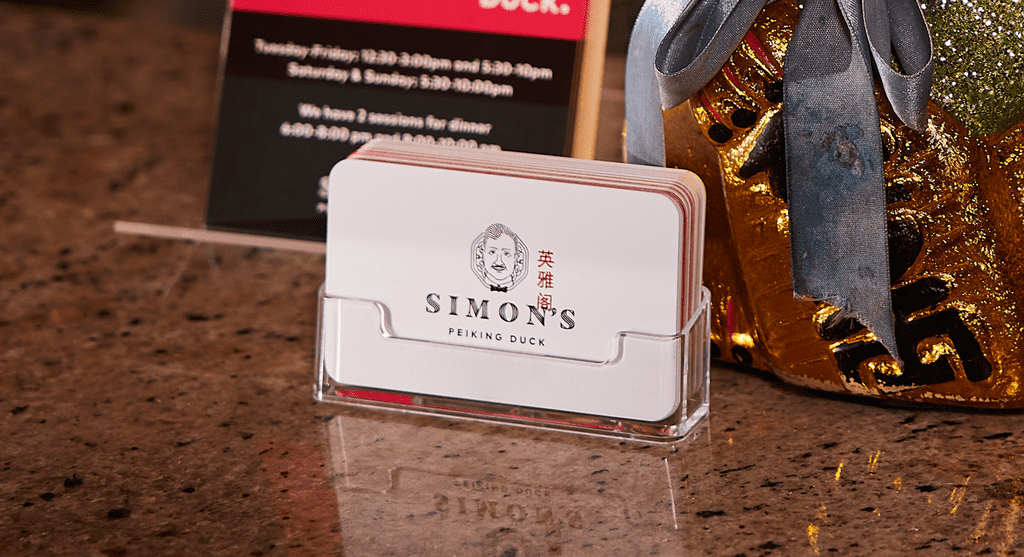
7. HOA and apartment welcome kits
Ask homeowners associations (HOAs) and property managers about welcome packages or community welcome boards. New residents may need cleaners, electricians or pet sitters before they’ve built a local contact list.
A clearly explained resident offer can encourage that first booking. Keep the service area visible so newcomers know you cover their address.
8. Food trucks and mobile vendor counters
Food truck pickup counters give customers something to browse while they wait. Choose a vendor whose regular stops overlap with your service area, and agree on a display that leaves ordering space clear.
With permission, magnetic cards can attach to a suitable magnetic metal panel. Test the surface first and keep cards within reach.
9. Tourism hubs, libraries and specialty bookstores
Visitor centers and local tour counters suit businesses offering experiences, food or shopping. Ask which display areas accept local promotions and make your location easy for unfamiliar visitors to find.
Library or bookstore staff may also approve a display beside a relevant subject section, such as gardening. Arrange it with staff instead of slipping cards into books.
10. Community events and sponsored local hunts
For creative business card distribution, work with organizers on a neighborhood scavenger hunt. Your card could carry an approved clue or an offer collected at a participating shop.
A community event’s information table offers another option. Agree on placement and cleanup with the organizer so your cards become a useful part of the activity.
Measuring offline ROI: Turning cards into trackable leads
Create a separate dynamic QR code for each venue and point it to a dedicated landing page with a booking or inquiry button. Dynamic codes let you update destinations without reprinting and add campaign tracking parameters to the links so your analytics can distinguish locations. Printing the same code everywhere won’t identify individual venues.
Offer a location-specific code, such as COFFEE10, that customers can enter at checkout or mention when booking. For phone-led businesses, separate call-tracking numbers can identify each campaign. VistaPrint’s business cards innovation guide explores more digital connections.
Log cards supplied, scans, inquiries and sales in a spreadsheet, then review monthly; a scan isn’t a sale. For estimated ROI, subtract campaign costs from the gross profit those sales generate, divide by campaign costs and multiply by 100. Include printing, tracking fees and restocking time in costs, and calculate gross profit using sales revenue after discounts.
Business card design and display tactics for high retention
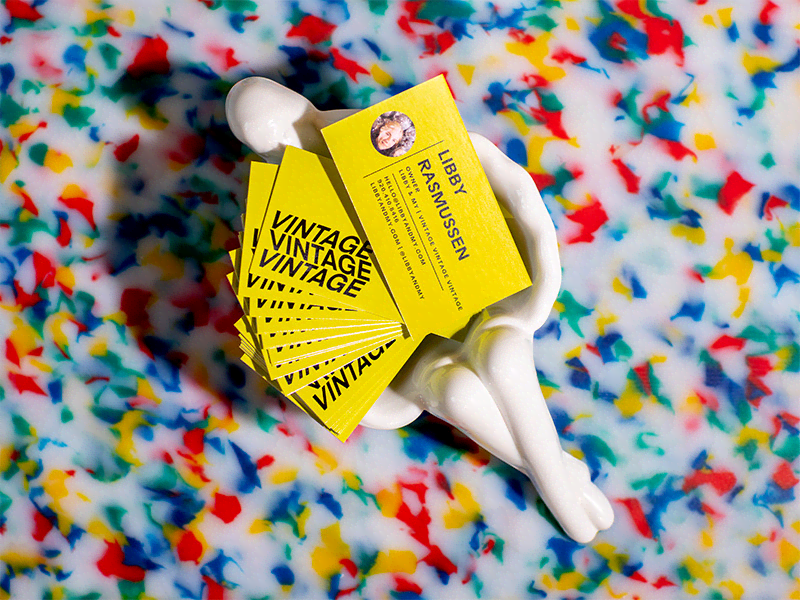
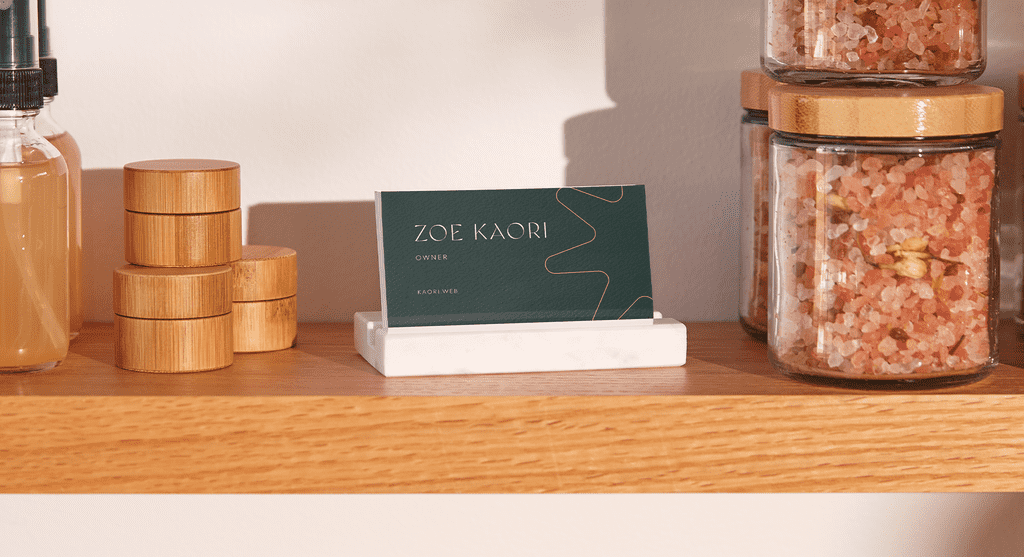
Match the design to the setting: a bold service headline helps on a crowded board, while a clear reorder prompt suits packaging. Thicker stock resists bending, soft-touch finishes add texture, while foil accents or rounded corners can attract attention. Keep decorative finishes away from small text and QR codes, and test a printed sample for readability and scanning.
Choose an acrylic holder for visibility or a stable metal holder for a busy counter. Ensure its lip doesn’t hide your message. Browse our business card design ideas and guide to the importance of business cards for more inspiration.
Give your cards a local home
You don’t need to cover the whole town to find useful places to leave business cards. Start with a few welcoming venues, keep showing up to care for your displays and let customer responses guide your next move.
Places to leave business cards FAQs
Can I distribute business cards without a storefront?
Yes. Mobile and home-based businesses can use cards to direct people to appointments or online booking. Print your service area and business contact details; you can leave your home address off unless your industry requires it.
Should I pay a business to display my cards?
Consider a short trial if the audience is a close match. Agree on the fee, display position and duration in writing, then set a budget you can comfortably test before committing to a longer arrangement.
Should my business cards include two languages?
If you regularly serve customers in both languages, a bilingual version can make contacting you easier. Use one language per side when practical and have a fluent speaker check the wording before printing.
How far from my business should I distribute cards?
Use the distance customers realistically travel, or that you can profitably travel to serve them. A neighborhood cleaner and a specialist wedding photographer may need very different distribution areas.
Can I leave business cards before my business opens?
Yes, once your opening details are reliable. Clearly state when bookings or purchases become available, and provide a working way to contact you so interested people can take the next step before launch.