When you’re competing in a crowded marketplace, standing out and getting brand recognition is key. Your product packaging design is the best way to achieve this, ensuring your brand resonates with your audience.
Brand recognition from packaging hinges on these two main things: the type of packaging you choose and the design you put on it. As you map out your brand identity, take some time to determine which types of packaging work for your brand and which is best for your product. You’ve always got the option to stick your product in a generic box or bag, but when you can avoid being generic, do.
The right types of packaging can also reduce damage, improve customer satisfaction and turn your packaging design into a branding touchpoint, not just a protective layer. Read on to explore all the different packaging types to help your product stand out.
- Packaging by level: Primary (a.k.a. product), secondary (inner) and tertiary (outer) means each layer does a different job, from protection to shelf appeal.
- The nine main types of packaging are boxes, adornment packaging, custom pouches, bottles, cans, novelty packaging, sustainable packaging, frustration‑free packaging and shelf‑ready packaging.
- Packaging by material: Whether cardboard, corrugated fiberboard, plastic, glass, metal, paperboard and eco‑friendly/compostable, each has its own perks and pitfalls.
- Make packaging an extension of your brand identity by syncing colors, typography, tone and unboxing experience with your core brand vibe.
- The best type of packaging depends on what you sell, how fragile it is and whether you sell in-store, online or both.
What is product packaging?
Product packaging is the physical vessel, or combo of layers, that safely escorts your product from the factory line to your customer’s hands. Along the way, it pulls triple duty, shielding against bumps, leaks and every curveball the logistics chain can throw. It also spells out the essentials: ingredients, sizes, usage tips and barcode.
Not only does it protect and label your product, it also shapes how customers perceive your brand, flaunting your brand personality with enough swagger to make the product impossible to ignore.
Why it matters
- Shelf standout: Well‑designed custom packaging punches through visual clutter.
- Brand storytelling: Colors, copy and textures whisper (or shout) your brand’s values.
- Practical protection: Fewer returns, fewer headaches.
- Customer experience: A memorable unboxing turns shoppers into superfans.
- Regulatory peace of mind: The right labels keep the compliance police happy.
- Repeat purchase potential: Thoughtful packaging can make your products feel more trustworthy, giftable and worth reordering.
Choosing the right type of packaging
You can’t store a liquid in a cardboard box (obviously.) When you’re working out the right type of packaging for your product, there’s a lot to consider:
- What size is the product? Is it small enough to be properly packaged in a pouch or bag, or does it need a larger box?
- How is the product stored? Think about it in your warehouse, on store shelves, while in transit or in the buyer’s home.
- How fragile is the product? Does it need to be cushioned from any potential bumps or falls?
- What is your product’s shelf life? Is it a perishable food or drink that needs to be kept fresh?
- How many products are packaged together? A canister of dry-roasted peanuts needs different packaging than an individual cake.
- How heavy is your product? When you’re shipping it, you pay by weight. Choosing heavy packaging for an already heavy item can mean shelling out for shipping.
- Where will the customers first interact with it? On a shelf, in the mail, in person? A retail-first product needs stronger shelf presence, while an e-commerce product should prioritize protection.
Understanding packaging hierarchy
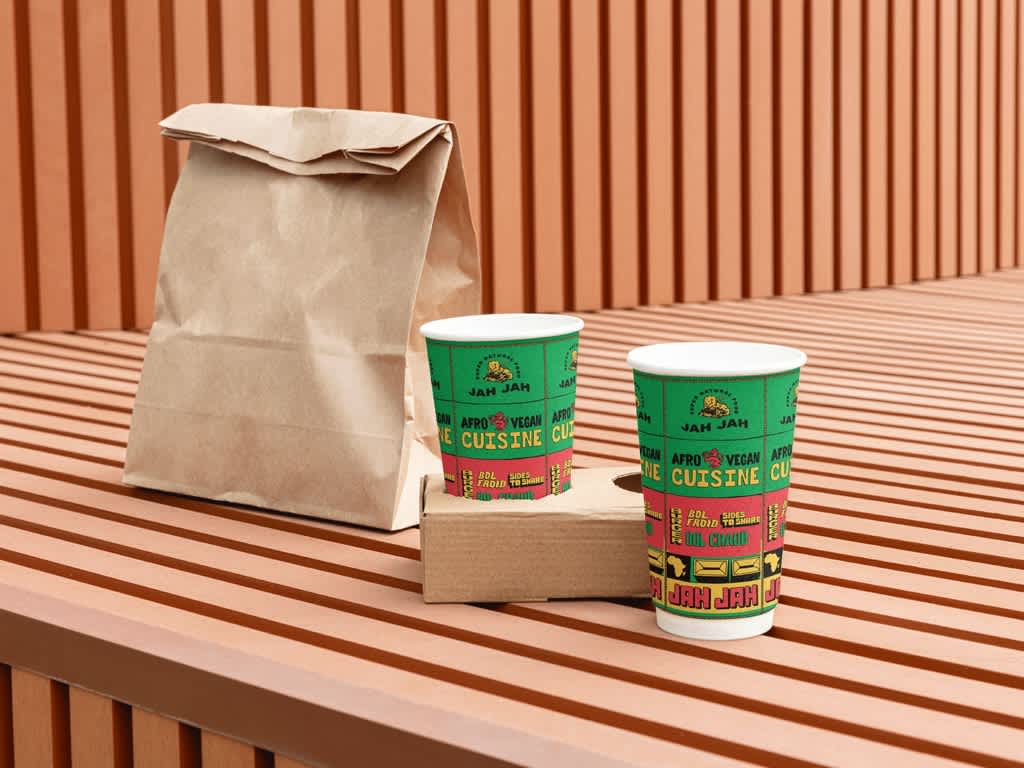
There is a hierarchy when it comes to different types of product packaging. In practice, these three layers work together depending on your business model. A retail item might rely on strong outer packaging and shelf-ready inner packaging, while an e-commerce order may need simpler product packaging plus a tougher outer mailer to survive shipping.
Outer packaging
The most durable segment of packaging, this is usually comprised of heavy-duty boxes that can protect (sometimes multiple) products against bumps and bashes.
Inner packaging
Inner packaging provides another layer to cushion any blows: imagine the tissue paper inside a gift box or the bubble wrap that protects delicate items during transport.
Product packaging
Product packaging is what’s nearest to the individual product. It’s the box of your favorite chocolates or the protective layer you peel off your new phone screen.
Look at how other brands that offer the same type of product package their products. You don’t have to package your product the same way everybody else does, but it’s good to see what’s working for other brands like yours. With some products, only one type of packaging makes sense. For others, you’ve got room to play around and potentially subvert expectations, like packing a pair of gardening gloves in a reusable screwtop jar or selling dried beans in a box.
Many products use two or more types of packaging, like paper and a box, or a bottle and a printed label. Consider how different kinds of packaging can work together to showcase your unique product. That combination matters just as much as the individual format. A bottle with a durable label, tissue paper inside a mailer box or a paper bag paired with stickers can all shape the final customer experience.
For more inspiration on mixing packaging formats and printed finishing touches, see our guide to boosting business with custom packaging.
The 9 types of packaging
1. Boxes
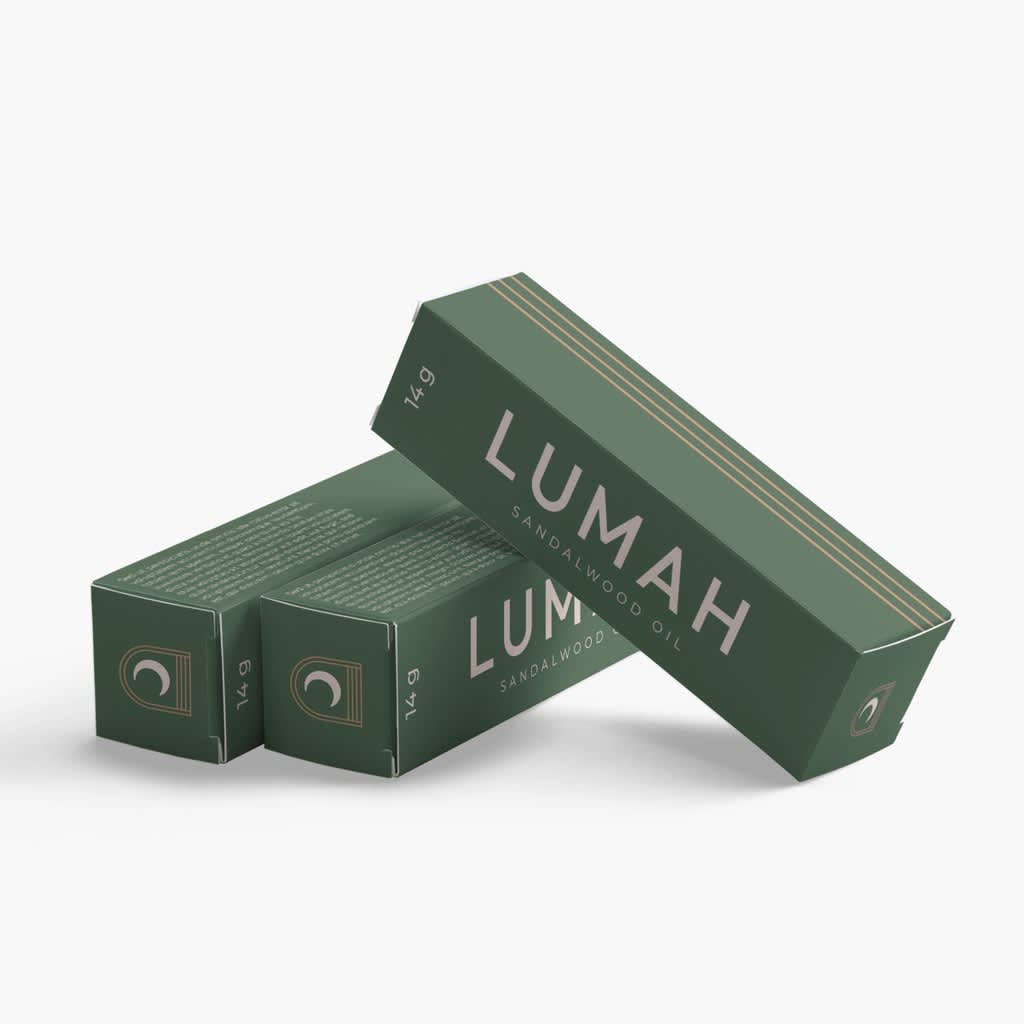
When we say “boxes,” we don’t just mean your traditional square cardboard box. We mean every kind of box, even boxes that aren’t square or cardboard. Cartons are boxes, metal tins are basically boxes… if it’s an enclosed container with rigid walls that protect the contents from impact, you’ve got yourself a box.
Boxes are one of the most common types of product packaging because they’re easy and convenient. Need your packaging to sit steadily on the shelf or on the ground? Put it in a box with a flat bottom and stabilizing corners. Need packaging that’s easy to stack in a larger box or a shipping container? Boxes are simple. You can put pretty much anything in a box.
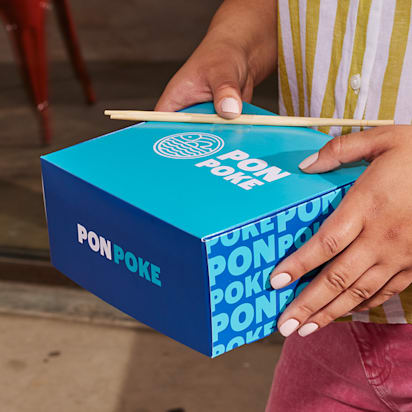
When it comes to box design, they are a great blank canvas. You’ve got flat, stiff surfaces perfect for printing logos and other designs onto.
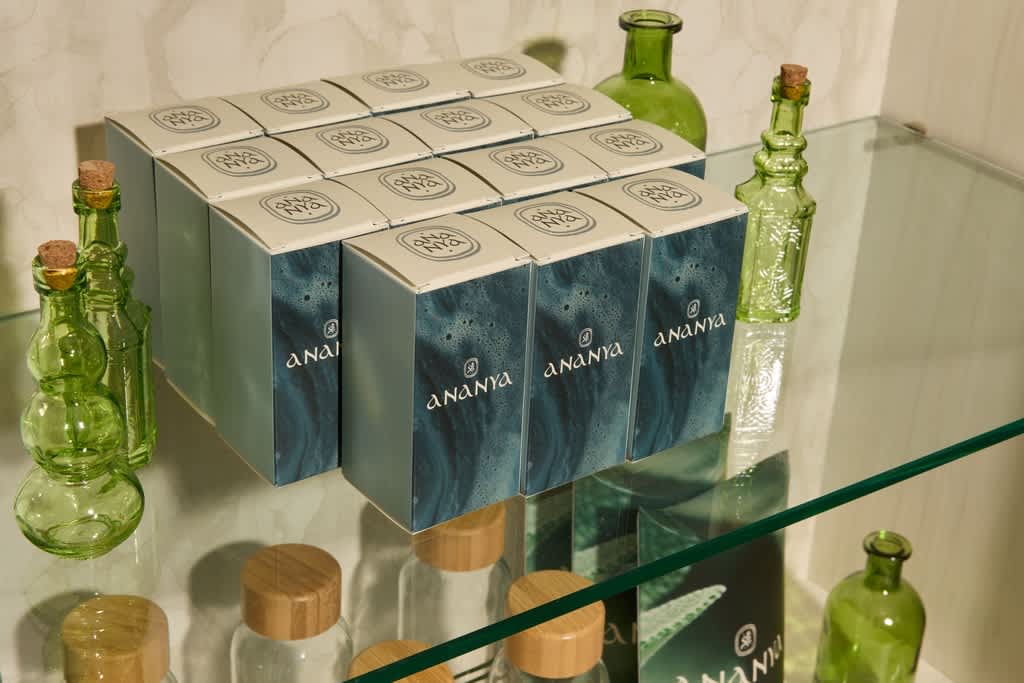
Remember how we said boxes don’t have to be square? A uniquely shaped box can be an effective way to make your packaging a focal point of your brand identity. If your product is sold on store shelves, this is huge – the packaging is the first thing potential buyers see.
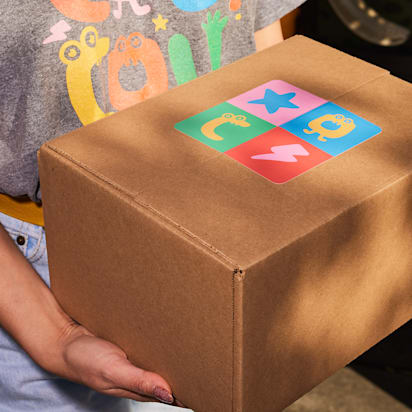
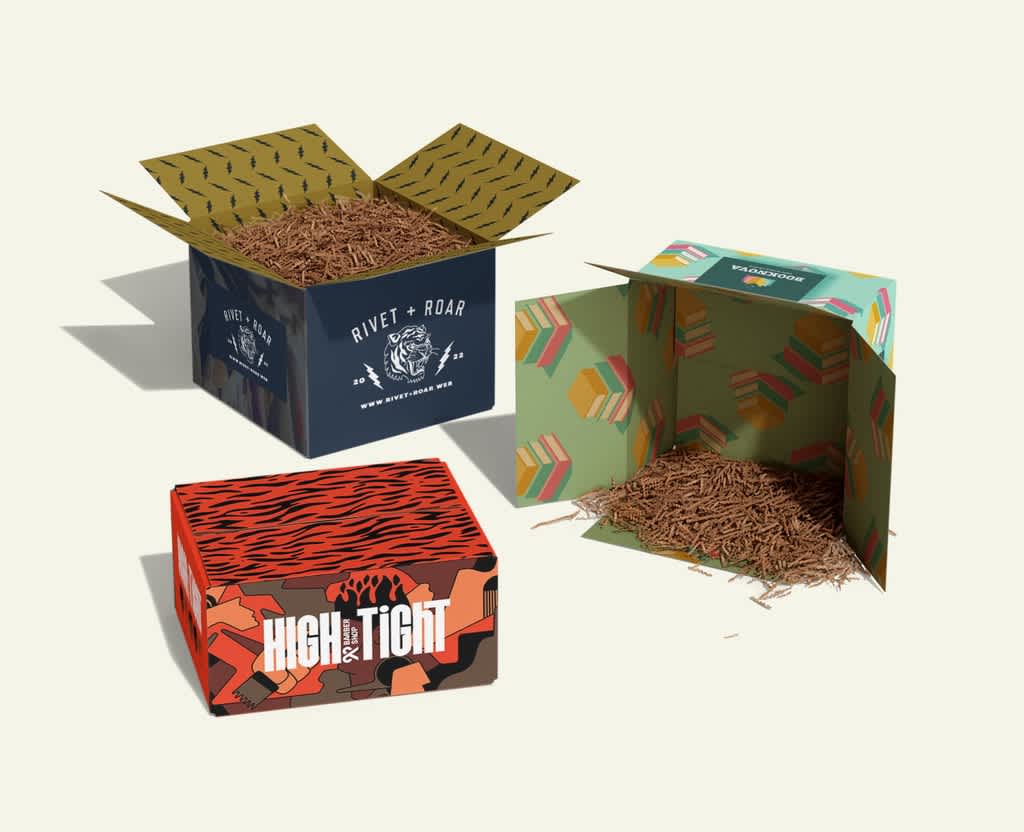
When you’re designing boxes, think of how the box will actually be viewed by the buyer. Will their first glimpse be one of the box’s sides displayed on a store shelf, or will it be the top of the box as they pull it from a larger shipping box? If you sell online, this is also where branded outer packaging can do a lot of work. A custom full-print mailer box can protect the product while making the delivery feel more intentional from the second it lands on the doorstep.
Best used for: Dry or solid goods that need stacking or easy shipping. Giftable products where printable surfaces boost brand storytelling. Especially useful when you need packaging design that balances protection, stacking and strong visual branding.
2. Custom pouches
When most people hear the word “vacuum packaging,” they think of airplane food. Airplane food is commonly packed in vacuum-packed wrappers, but lots of other things, like cosmetics and skincare products, snacks and pallets of boxed or bottled goods are packed up like this as well.
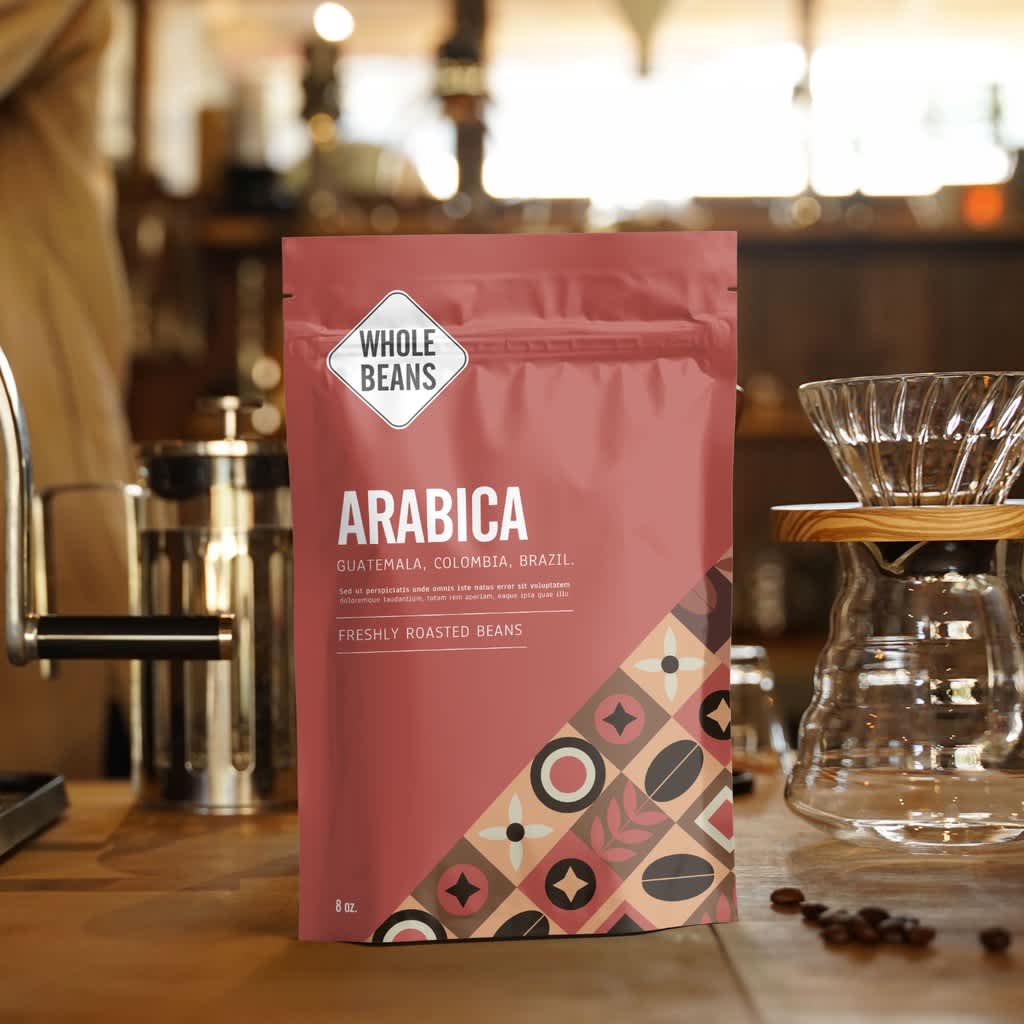
Custom pouches, like stand‑up zipper bags, spouted flex‑packs or gusseted coffee pouches, take vacuum technology and add shelf appeal. They allow full‑bleed branding, easy tear‑notches and re‑closable features that keep products fresher for longer while looking slick in the aisle
Best used for: Perishable foods or products needing extended shelf life. Bundling multiple units tightly for wholesale or travel.
3. Bottles
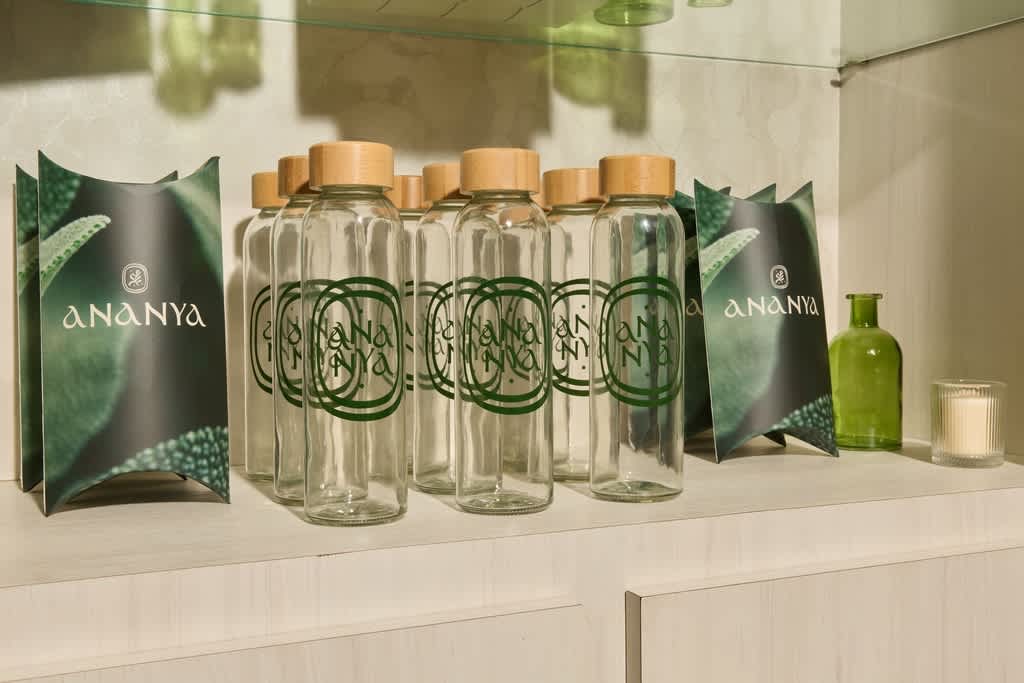
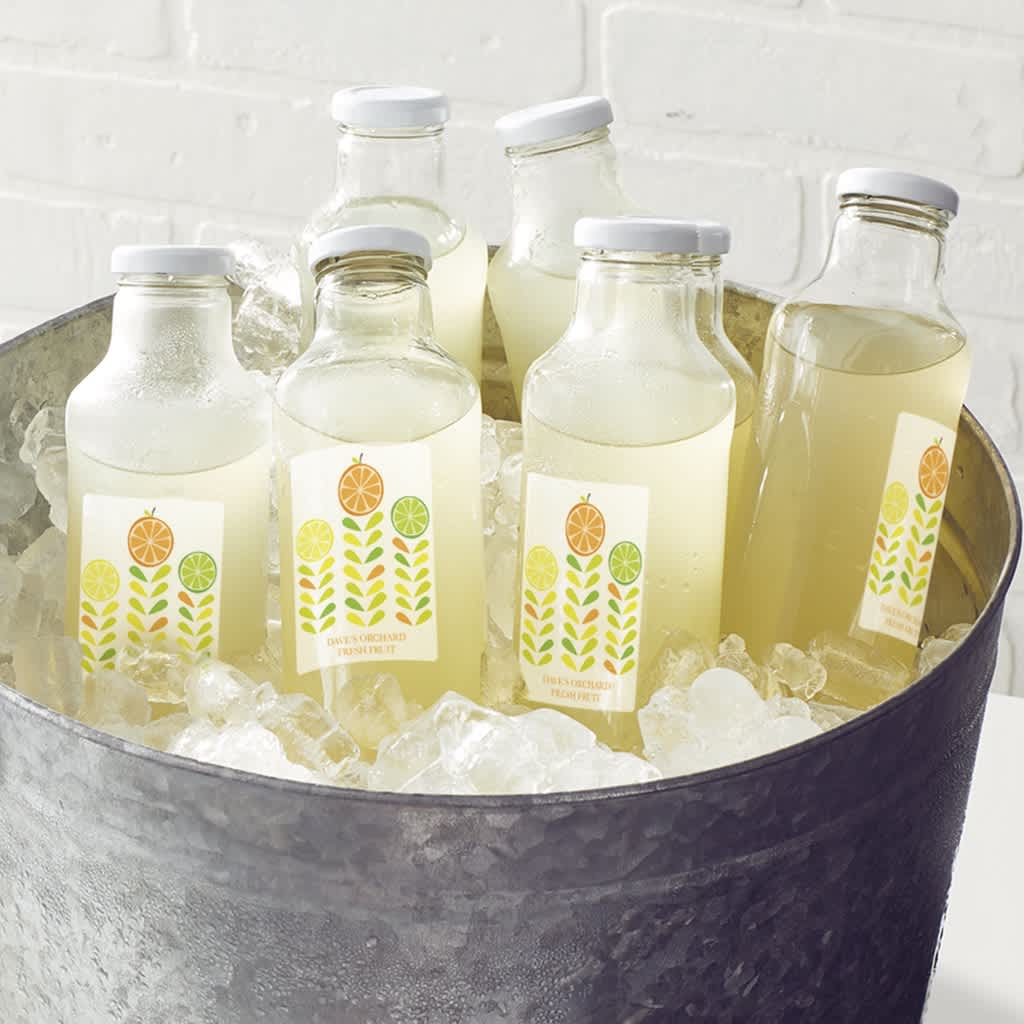
Bottles are a great go-to when your product is a liquid, a lotion or supplements. They can come in all shapes and sizes, and they’re as varied as the kinds of liquids stored in them. You’ve got disposable plastic bottles for things like soda and spring water, and at the opposite end of the spectrum, engraved and embossed bottles that are works of art in their own right. Any kind of bottle, disposable or collectible, benefits from thoughtful design.
Depending on your budget and brand goals, you might opt for custom-shaped bottles, or it might be a better choice to go with a generic-shaped bottle. Going with a “bottle-shaped” bottle most likely won’t hurt your brand, but going for a custom shape can really up the wow factor.
Bottle design tends to involve more than just a nice-looking label. If you’re going the custom route, you’ll also want to determine the type of closure that works best for your brand: screwtop, a cork or a swing-top.
Bottles are also one of the easiest packaging types to upgrade with a better label. Water-resistant labels can help beverages, bath products and beauty items look more polished, and they also give you space for ingredients, usage instructions or a QR code that links physical packaging to digital content.
If you need ideas, browse the different types of labels or explore VistaPrint’s water-resistant label options for bottles and other packaging.
Best used for: Beverages and cosmetics that need controlled pours. Products where shape and closure influence user experience. They also work well for refillable beauty or wellness products, where a durable bottle plus a high-quality label can support repeat purchases and reuse.
4. Cans
Another option for storing a liquid product is in a can. When your product is a can, your designer faces a unique conundrum: the shape. Whether it’s a tall can or a short one, a skinny cylinder or a fat wide-mouthed soup can, they’ve got to design with that can’s curves in mind.
Although your typical can is cylindrical, not all cans are. Sometimes, cans are flat with pull-tops, like sardine cans. Designing for these kinds of cans is more similar to designing a box than designing a cylindrical can because the label will be flat.
A close relative of the can is the canister. You’ll usually find canisters containing dry goods like vitamins, supplements, nuts and coffee beans – anything that needs to have the freshness locked in. Like a can, a canister is cylindrical, so you should create your design with this shape in mind. But unlike a can, a canister can be reusable, especially if it’s meant for goods like coffee beans or loose-leaf tea.
Best used for: Carbonated drinks and shelf‑stable foods needing light barriers. Dry goods that benefit from airtight, resealable canisters.
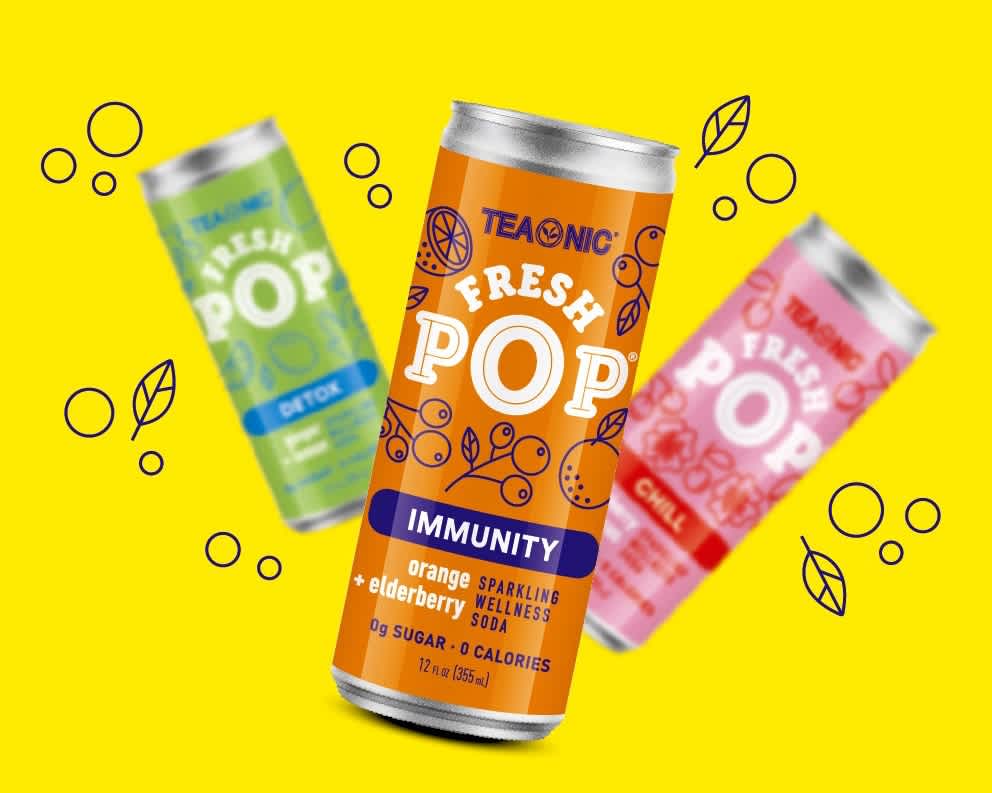
Source: Packaging design by Pepper Pack Designs via 99designs by Vista.
5. Novelty packaging
This type of packaging speaks for itself. Communicating a “good sense of humor” to your target audience often is the dealbreaker between you and your competitors. Depending on your product (and brand), it shows that you relate to each other and creates trust, which leads to customer loyalty.
Best used for: Limited editions or gift sets seeking viral attention. Kids’ products or playful brands that surprise boost engagement.
6. Adornment packaging
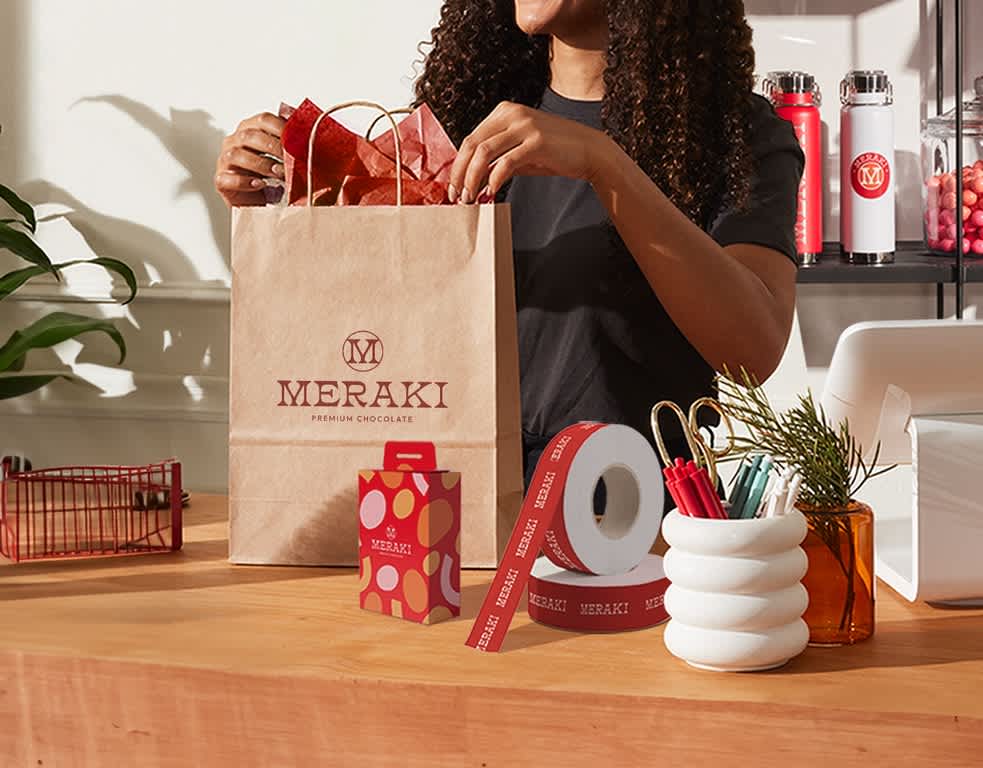
This is the part where things get fancy. We’re thinking sleeves, stickers, ribbons, labels, tissue paper and drawstring bags. You can get as frilly as you like with outer packaging accessories. It’s decorative, eye-catching and shows consumers what your brand is about.
Be practical with the material you use, whether it’s a velvet purse for fine jewelry or grease-proof paper for burgers, you’ll find that some materials suit certain products better than others. Consider how it will pair with the other layers of packaging because this style is certainly too flimsy to go it alone.
This is also a good place to add lower-cost branding touches, like labels, belly bands or printed paper bags, especially if you want your packaging design to feel more custom without redesigning every structural component.
Best used for: Gifting and premium products that need visual flair. Adding brand personality or seasonal vibes without replacing core packaging.
7. Sustainable packaging
Sustainable packaging is on the rise, as societal values shift toward sustainability. In terms of packaging, it’s using fewer materials without losing quality or protection. It’s choosing only recycled materials and considering how to create an ethical production process with zero waste.
It’s no secret that this aspect is becoming increasingly important, and if your brand isn’t actively pushing boundaries towards a greener world, you’re more likely to lose than gain customers.
In 2026, this conversation is becoming more practical and more regulated. In the EU, for example, the Packaging and Packaging Waste Regulation (PPWR) entered into force in 2025, pushing brands toward packaging that is easier to recycle and, in some plastic formats, includes minimum recycled content.
That means sustainable packaging design is not just about looking greener. It can also mean choosing simpler material combinations, avoiding hard-to-separate components and thinking ahead about how local recycling systems will handle your pack.
For small businesses, this can have cost implications too. Under eco-modulated EPR systems, packaging that performs better environmentally can be charged differently than packaging that is harder to recycle, so monomaterial formats may be easier on both operations and future compliance costs.
Best used for: Eco‑conscious brands wanting to reduce environmental impact. Direct-to-consumer subscriptions where low‑waste packaging is a selling point. It’s also a strong fit for refillable beauty products, food brands reducing excess packaging and any business preparing for stricter packaging rules.
8. Frustration‑free packaging
Ever wrestled a plastic clamshell and lost? Frustration‑free packaging exists to end that pain. The goal is simple: make packages that open quickly, without scissors, knives or profanity. Think tear‑strips, pull‑tabs and peel‑back seals, plus materials that slide straight into the recycling bin, no mixed plastics nightmare required.
Amazon popularized the term, but the concept works wherever ease of unboxing matters. By ditching twist‑ties, wire fasteners and excess filler, brands cut down on waste and returns caused by damaged products or irate customers. Good, frustration‑free design also means fewer small parts for toddlers (and adults) to accidentally swallow.
Best used for: E‑commerce products that ship directly to consumers. Electronics, baby gear or kitchen gadgets where quick, tool‑free access matters.
9. Shelf‑ready packaging
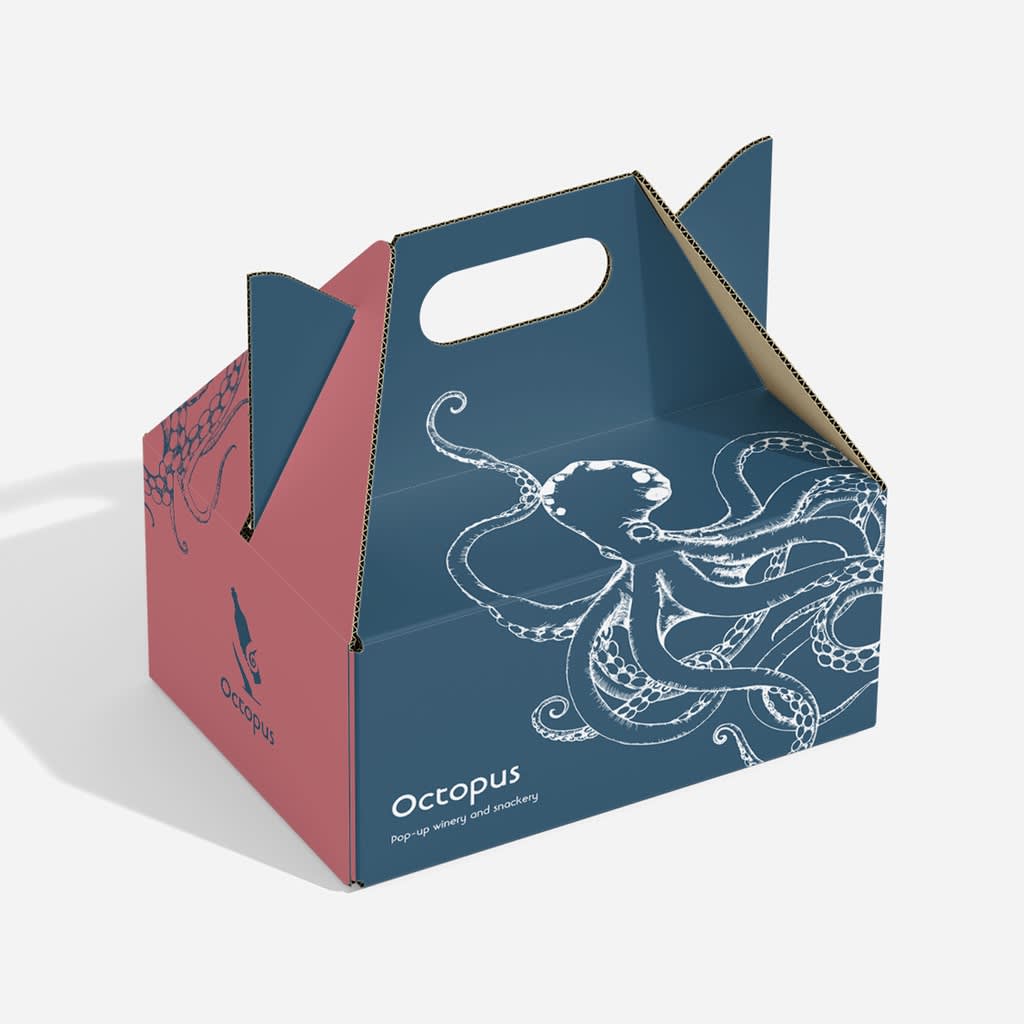
Shelf‑ready packaging is the retail worker’s best friend. For example, cartons that double as display units or perforated tear‑away panels or hinged lids transform a shipping case into a tidy, branded tray ready to slide onto the shelf. No box cutters, no product rearranging – just pop, fold and sell.
Because the outer faces stay visible, shelf-ready packaging offers prime real estate for logos, colors and barcodes. It also keeps stock organized, reduces labor costs and speeds up replenishment in high‑traffic aisles. Whether you’re selling snack bars, soaps or seasonal promos, this packaging keeps things looking sharp while protecting goods during transit.
Best used for: High‑turnover grocery items that need fast shelf replenishment. Club‑store or big‑box retail packs where branding must face shoppers from the get‑go.
Packaging by materials
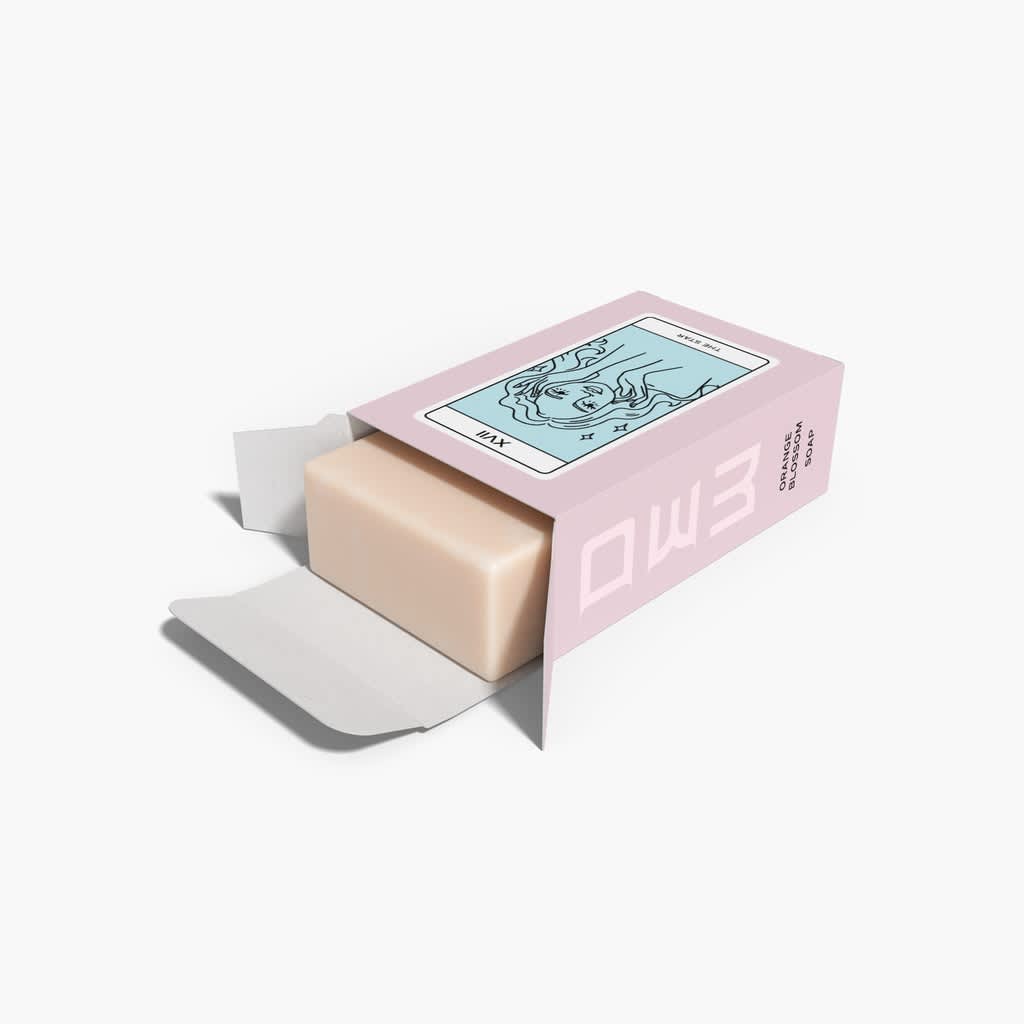
Before you pick a box or bottle, remember that the stuff it’s made of matters just as much as the shape, each material brings its own superpowers and kryptonite.
Cardboard packaging
Pros: Cardboard is lightweight and inexpensive, prints beautifully on its smooth surface and is widely accepted by curbside recycling programs.
Cons: On the downside, cardboard soaks up moisture like a sponge and cannot safely support very heavy loads without additional reinforcement.
Corrugated fiberboard packaging
Pros: Corrugated fiberboard sandwiches fluted paper between liners, giving it triple‑layer toughness that cushions shocks and remains widely recyclable almost everywhere.
Cons: Its bulkier profile takes up more storage space and, without specialty finishes, can look more utilitarian than premium on retail shelves.
Plastic packaging
Pros: Plastic can be molded into almost any shape, offers crystal‑clear visibility when needed and provides excellent moisture and oxygen barriers for food safety.
Cons: The material’s environmental footprint is significant when it isn’t recycled properly, and clear plastic can scratch or grow cloudy over time with repeated handling.
![Branded plastic pouch packaging for beauty products] with translucent “window” to see products](https://blogadmin.vpsvc.com/hub/wp-content/uploads/sites/14/2026/04/branded-plastic-pouch-packaging-for-beauty-products.jpeg)
Metal packaging
Pros: Aluminum and tinplate cans are strong, block 100% of light and are readily recyclable in most municipal streams.
Cons: They can dent or crease under impact, may corrode if internal coatings fail and generally cost more than comparable plastic options.
Paperboard packaging
Pros: Paperboard folds flat for efficient transport, offers a smooth, printable canvas and is available in compostable or FSC‑certified varieties.
Cons: Because it is relatively thin, paperboard lacks structural strength and usually needs liners or coatings to survive humid or greasy environments.
Eco‑friendly/compostable packaging
Pros: Plant‑based bioplastics, mushroom foam and molded pulp score points with eco‑minded consumers because they break down in home compost or industrial facilities.
Cons: These newer materials often come at a higher per‑unit cost and can have shorter shelf lives or weaker barrier properties than conventional options.
“Eco-friendly” doesn’t automatically mean “best.” In some cases, a simpler recyclable material or a monomaterial pack may be easier for customers to dispose of correctly than a compostable composite.
Glass packaging
Pros: Glass delivers a premium, glossy look, forms an impermeable barrier that never leaches into contents and can be recycled endlessly without quality loss.
Cons: It is heavy and breakable, which drives up shipping costs and raises the risk of damage in transit
Designing a packaging identity
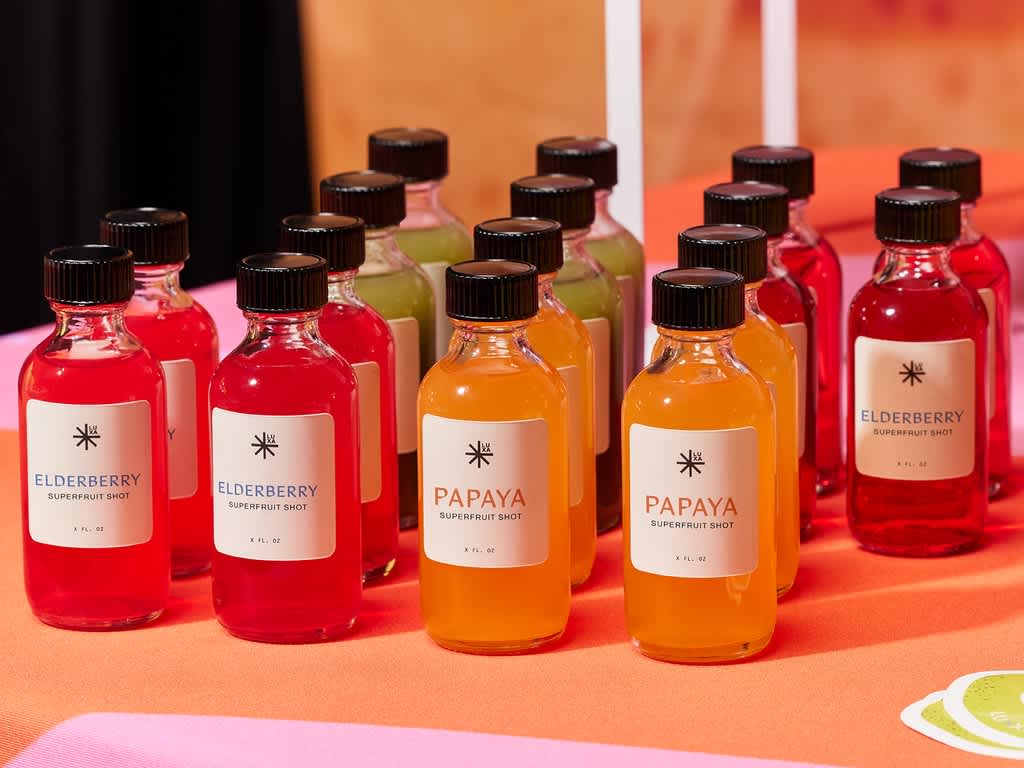
To understand the concept of a packaging identity, start by thinking about your brand identity, a collection of brand design elements like your color palette, fonts, print ads and digital footprint. Your packaging design will incorporate your brand and make the end results look cohesive.
Then, think about what packaging types you want to include. This could be a pouch for your product and an outer box. Consider things like: What is the best for shipping your product? Do you need eco-friendly options for your customers and brand?
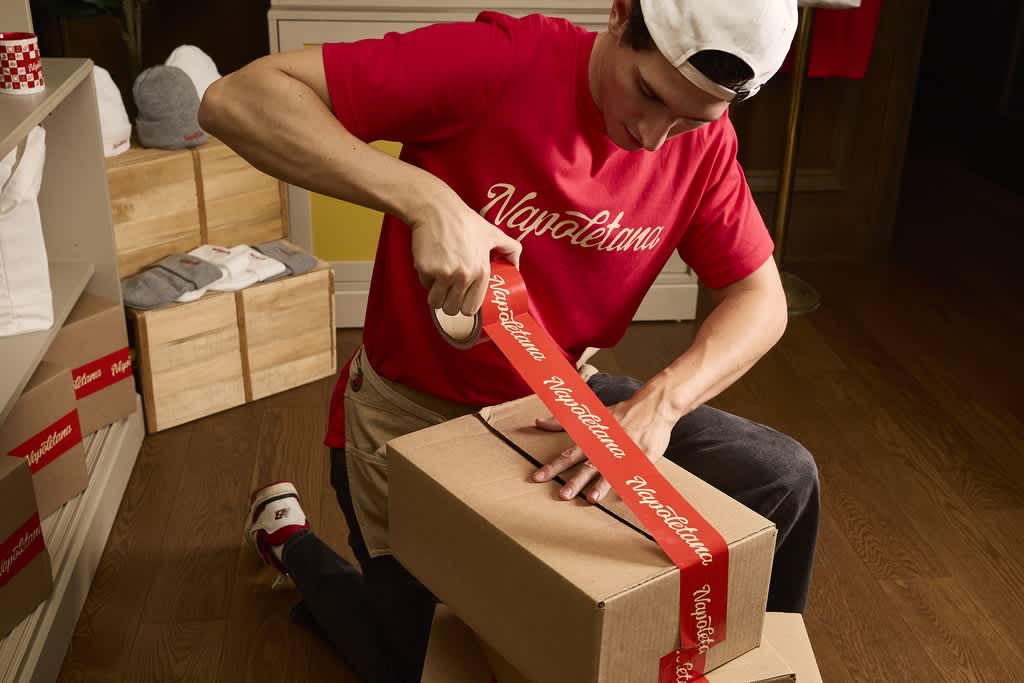
These work together to create your packaging identity and communicate your brand to your customers. That identity can also be built in layers: a branded mailer, a bottle label, an insert card or even a simple paper bag can all reinforce the same look and tone.
Packaging trends to watch
- Minimalism: Quiet colors, clean lines, no visual shouting. Let the product quality shine.
- Sustainability: Refillable formats, recycled content, monomaterials and easier-to-remove components are becoming more important as brands respond to stricter recycling and packaging rules.
- Digital traceability: QR codes on labels, boxes or inserts can connect physical packaging to how-to content, refill instructions, loyalty offers or supply chain information. They add a digital layer to packaging design without taking up much space.
- Label innovation: In some packaging streams, wash-off labels and compatible adhesives can support recyclability by helping labels separate more cleanly during the recycling process.
- Niche-specific pairing: Refillable beauty products often pair well with bottles plus durable labels, while meal kits and food delivery brands may need a sturdier outer box or mailer plus clearly printed inner labels to keep items organized.
Packaging trends are cool, but your packaging still has to feel like you. Think of them as seasoning, not the whole dish.
Pack it up perfectly
When you’re bringing a great product to market, putting it in great packaging can be the difference between moderate success and becoming the next big thing. Find inspiration for your packaging design in the different types of packaging other brands in your field are using – you might see what’s working great and build that into your branding, or you could see a huge opportunity to reinvent the wheel and wow your buyers with innovative packaging that makes your product unforgettable.
Remember, your packaging should enhance buyers’ experience with your product, not steal the spotlight from it. Create an enjoyable unwrapping experience by designing the perfect packaging. The best packaging design usually comes down to choosing only the layers you actually need, then making each one work harder for protection, presentation and brand consistency.
Types of packaging FAQs
What are the most popular types of packaging?
Boxes and bottles still top the charts thanks to their versatility and ease of branding. Pouches are also popular for lightweight products, while paper-based packaging works well for brands looking for more eco-conscious options and labels or sleeves are a good choice if you need easy customization.
What packaging is best for shipping fragile items?
Double‑wall corrugated boxes with foam or molded pulp inserts win for shock absorption, often wrapped in tertiary cardboard outers.
How does sustainable packaging differ from traditional packaging?
Sustainable options focus on renewable or recycled materials, reduced carbon footprints and easy recyclability or compostability, while traditional packaging prioritizes cost and durability above all else.
What are the 4 main types of packaging?
A simple way to think about the main types of packaging is product packaging, inner packaging, outer packaging and packaging accessories like labels or sleeves. Together, these layers protect the product, support branding and improve the customer experience.