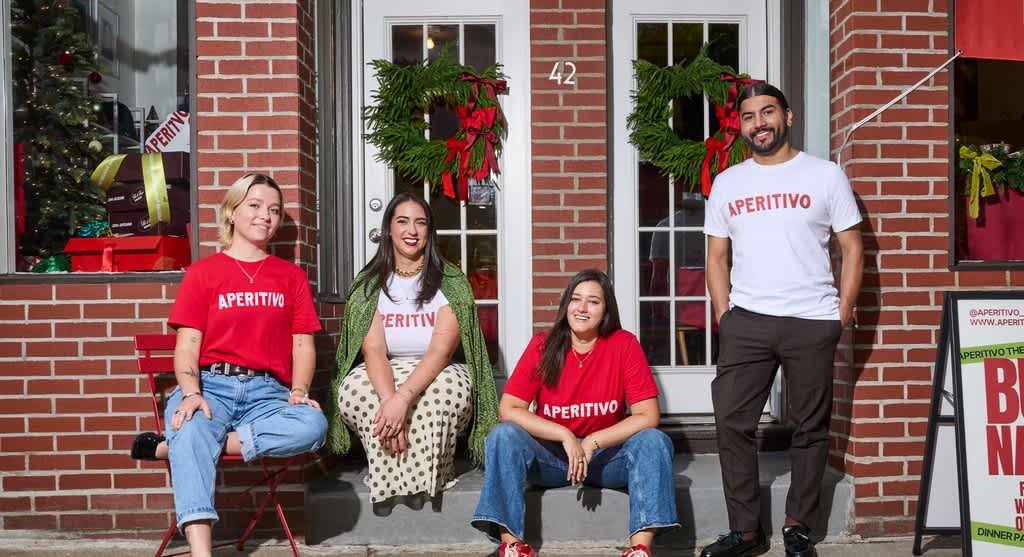
A T-shirt might seem like the simplest item in your brand toolkit. But once you’re choosing one for staff uniforms, event giveaways or merch people will actually want to buy, the options stack up quickly.
Choosing between the different types of T-shirts means looking beyond the neckline. Fit, fabric and print method all affect how a shirt feels, how your design looks and how well it suits its purpose.
This guide compares popular T-shirt styles, fabric constructions and printing options to help you choose the right custom apparel for staff uniforms, giveaways or merch.
- Versatile styles: Different T-shirt styles suit different jobs, from everyday crew neck merch to structured polos for customer-facing teams.
- Fabric affects feel: Fabric construction changes how soft the shirt feels, how it drapes, how it prints and how it holds up after washing.
- Printing depends on the shirt: Cotton crew necks are a strong choice for many custom printing projects, while polos, tri-blends and performance tees often need more specific decoration choices.
- Durability starts before washing: Print longevity depends on the fabric, print method, artwork setup, wash routine and how often the shirt is worn.
- Wearability wins: The best T-shirt type for your business is the one people will actually want to wear.
How to compare T-shirt types, fabrics and printing options
| Classification basis | What it includes | Why it matters for your business |
| Neckline and collar | Crew neck, V-neck, scoop neck, boat neck, henley, polo | Helps you choose how casual or polished the shirt feels |
| Sleeve construction | Short sleeve, long sleeve, raglan sleeve, sleeveless tank | Affects movement, coverage and design placement |
| Fit and cut | Regular fit, fitted, oversized, boxy fit, side-seamed styles | Helps balance comfort, brand style, body shape and audience expectations |
| Fabric construction | Carded open-end cotton, combed ring-spun cotton, cotton-poly blends, tri-blends, performance polyester | Affects softness, drape, durability, breathability and print compatibility |
| Customization method | Screen printing, DTG, embroidery, heat transfer, sublimation | Helps match your artwork and fabric to the right print method |
How fabric changes the feel, fit and print
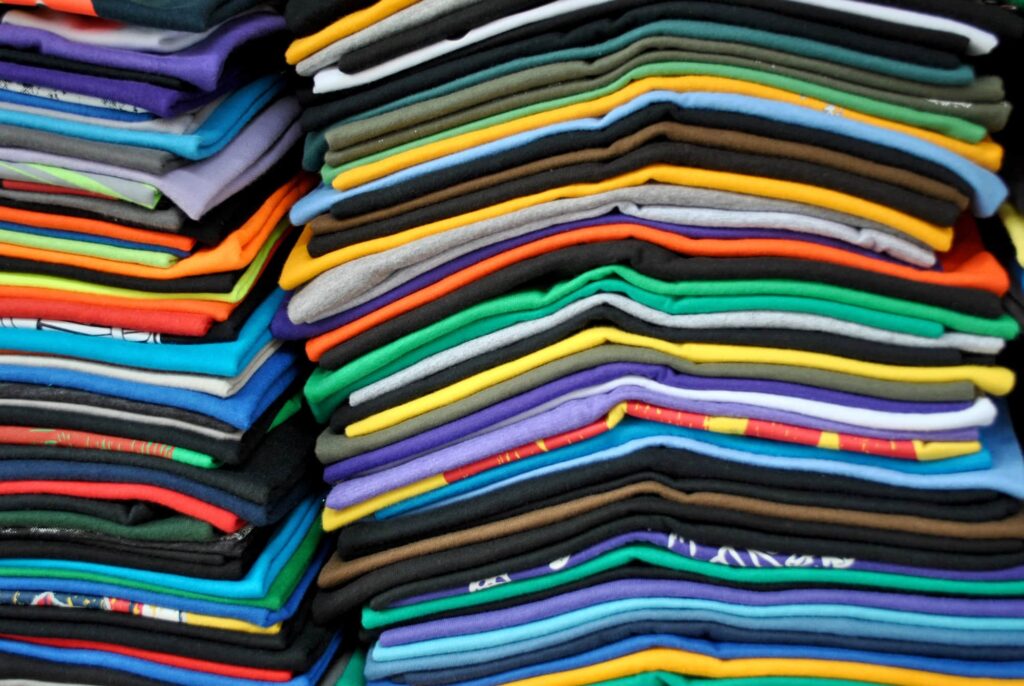
Fabric construction affects how a T-shirt feels, drapes and prints. Two cotton tees can look similar but feel very different once they’re printed, washed and worn.
Carded open-end cotton
Carded open-end cotton uses shorter, less refined fibers, so it tends to feel rougher than premium cotton. It’s a practical choice for giveaways, one-off events or large orders where cost matters more than softness.
Combed ring-spun cotton
Combed ring-spun cotton uses refined fibers spun into a finer yarn, creating a softer, smoother surface. It’s a strong choice for premium merch, staff apparel and retail-style T-shirts, especially when you want detailed artwork or small text to print cleanly.
Heavyweight cotton fabrics
Heavyweight cotton has a thicker, more structured feel, making it a strong choice for premium merch and boxy-fit streetwear blanks. The heavier fabric also suits simple logos and minimal designs.
Cotton-poly blends
Cotton-poly blends combine the softness of cotton with polyester durability and shape retention. They’re a practical choice for staff uniforms, active teams and shirts that need to handle regular wear.
Tri-blend T-shirts
Tri-blend T-shirts usually combine cotton, polyester and rayon for a soft, flexible fabric with a lighter drape than standard cotton. They suit fashion-forward merch and retail-quality apparel, but their mixed fibers mean print compatibility should be checked before production.
Performance polyester
Performance polyester is designed for movement, moisture management and active use, making it common in fitness apparel and sports uniforms. Because it behaves differently from cotton, it usually suits sublimation, heat transfer or other methods designed for synthetic fabrics.
Source: via DepositPhotos
What are the different types of T-shirts?
The main types of T-shirts are usually defined by neckline, sleeve shape, fit and fabric. For a small business, those details affect how the shirt looks, how your logo sits and how comfortable it is to wear.
Start with the setting. A casual giveaway may suit a classic crew neck, while a customer-facing role may call for the more polished shape of a polo or V-neck.
Crew neck T-shirts
A crew neck has a round neckline with a rib-knit collar that sits at the base of the neck. Its simple shape makes it a strong choice for giveaways, event gear, retail merch and everyday staff uniforms.
V-neck T-shirts
A V-neck T-shirt dips into a V shape at the front, creating a longer visual line through the neck and chest. It feels slightly more styled than a crew neck and works well for salons, studios and hospitality teams.
Polo shirts
A polo shirt has a collar and button placket, while many use textured piqué knit fabric. That extra structure makes polos a strong choice for trade shows, service businesses and customer-facing teams.

Source: via DepositPhotos
Henley T-shirts
A henley is a collarless pullover shirt with a round neckline and a short vertical button placket. It sits between a crew neck and polo in formality, making it a good fit for a relaxed lifestyle or creative brands.
Tank tops
A tank top is a sleeveless shirt that leaves the shoulders and arms uncovered. It suits fitness brands, outdoor events, wellness businesses and warm-weather promotions, with cuts ranging from loose and relaxed to fitted and athletic.
Raglan sleeve T-shirts
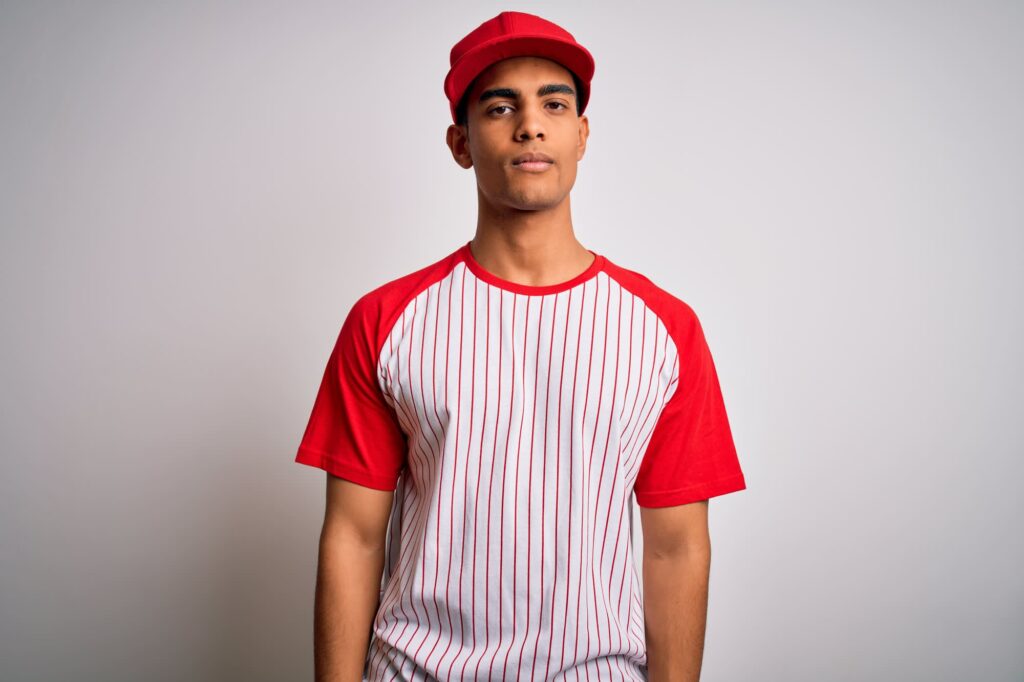
Often called baseball tees, a raglan sleeve T-shirt has sleeves that run diagonally from the collar to the underarm instead of using a standard shoulder seam. Their sporty shape works well for teams, casual events and vintage-inspired merch.
Source: via DepositPhotos
For more examples of how branded apparel can support staff, events and promotions, see our guide to T-shirts for business.
Choosing between long-sleeve and short-sleeve T-shirts
Sleeve length affects comfort, coverage and design space. Short-sleeve T-shirts are the most versatile choice for everyday uniforms, giveaways and warm-weather events, while long sleeves add warmth and extra space for sleeve graphics or brand details.
For most businesses, choose short sleeves for everyday wear and long sleeves when you need more coverage or more room for design.
Understanding the difference between fitted, regular and oversized T-shirts
Fit changes how a T-shirt looks, feels and moves. The right fit depends on whether you’re choosing apparel for long shifts, one-day events or retail merch.
| Fit option | Shape | Works well for | Watch out for |
| Fitted | Closer to the body | Fitness teams, fashion-led merch, fitted uniforms | May feel restrictive for long shifts, active work or different body types |
| Regular fit | Balanced and easy to wear | Staff uniforms, giveaways, events, broad team orders | Can feel less distinctive for premium merch |
| Oversized | Relaxed and roomy | Streetwear-style merch, casual apparel, younger retail audiences | May not suit formal or customer-facing uniforms |
If you’re comparing blank shirts for merch or uniforms, our guide to the best T-shirt brands can help you understand what to look for in quality, fit and feel.
Which printing method works best for each T-shirt type?
The right printing method depends on the shirt’s fabric, structure and intended use. Use this table to match common T-shirt types with suitable customization methods.
| T-shirt type | Best customization method | Why it works |
| Cotton crew neck | Screen printing or DTG | Reliable for bold logos, detailed artwork and everyday merch |
| V-neck | DTG or screen printing | Works well with lighter designs that suit the neckline |
| Polo | Embroidery | Stitched logos complement collars and plackets |
| Henley | Embroidery or subtle screen printing | Smaller designs balance the button placket |
| Raglan or baseball tee | Screen printing | Suits bold front graphics and sporty designs |
| Tank top | Screen printing, DTG or heat transfer | Works well for fitness, events and simple designs |
| Long sleeve T-shirt | Screen printing or heat transfer | Offers front, back and sleeve placement options |
| Performance polyester tee | Sublimation or heat transfer | Better suited to synthetic fabrics and active use |
| Tri-blend T-shirt | DTG or soft-feel screen printing | Keeps softer mixed fabrics from feeling too heavy |
| Heavyweight cotton tee | Screen printing or embroidery | Structured fabric can support bolder designs |
This isn’t a fixed rulebook. The right choice still depends on your artwork, fabric color, order size and how the shirt will be worn.
For ideas on color, VistaPrint’s guide to the best T-shirt colors can help you compare options before you order.
Source: via DepositPhotos
If you’re building an apparel line rather than ordering shirts for your own team, our guide on how to start a T-shirt printing business can help you think through product choices, pricing and setup.
How print method affects durability
Print method affects how a design looks, feels and holds up after washing. Match the method to the fabric and artwork for the best result.
Here’s how the main methods usually compare:
- Direct to garment (DTG) printing: DTG prints ink directly onto the shirt and suits detailed artwork, gradients and smaller cotton-rich orders.
- Screen printing: Pushes ink through a screen onto the garment, creating a durable finish suited to larger orders, simple logos and limited color palettes.
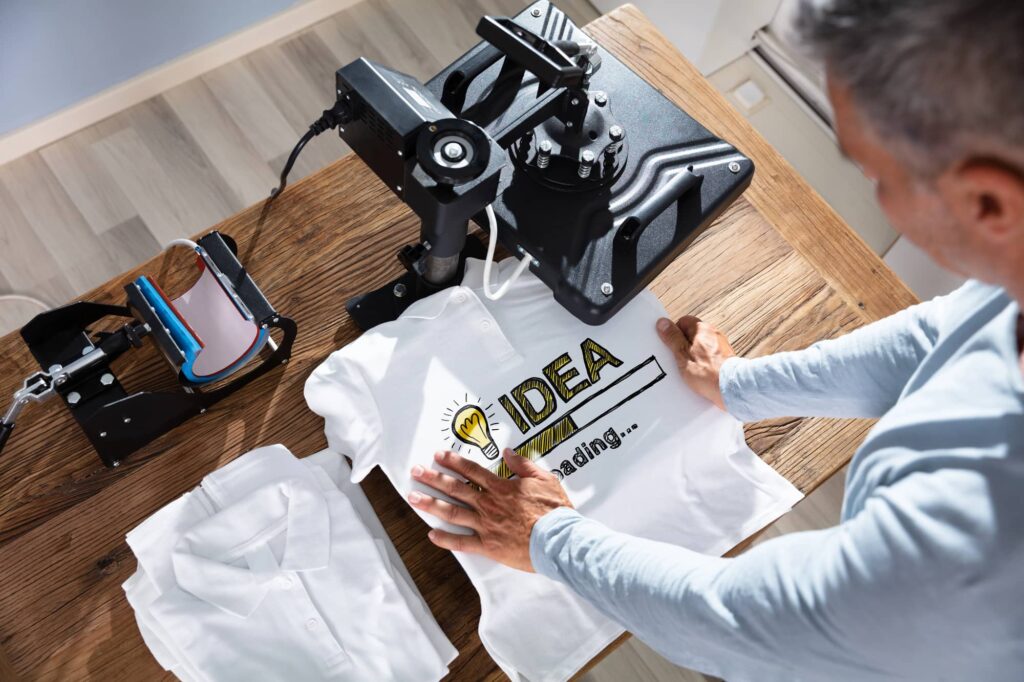
- Heat transfer printing: Uses heat and pressure to apply designs, names or numbers, making it useful for personalization and smaller batches.
- Sublimation: Bonds dye with polyester fibers, making it a strong choice for performance shirts, sportswear and all-over designs.
![Heat press applying a design to a white T-shirt.]](https://blogadmin.vpsvc.com/hub/wp-content/uploads/sites/14/2026/09/clamshell-heat-press-close-hibiscus-1024x682.jpg)
Source: via DepositPhotos
For most printed T-shirts, care matters as much as method. Wash inside out, use cold water where possible, avoid harsh detergents and skip high heat in the dryer to help protect the print and fabric.
Where to place your T-shirt design
Design placement should suit both the shirt style and how it will be worn. Left chest logos work well on polos, henleys and uniforms, while larger front or back prints suit merch, event shirts and service businesses that need more visibility.
Before ordering, check how the artwork sits around the neckline, seams and available print area. For more detailed sizing and layout guidance, use VistaPrint’s guide to T-shirt design proportions.
If you’re still refining the artwork itself, our guide to what makes a good T-shirt design can help you check the basics before you print.

How T-shirt shapes affect fit and appearance
T-shirt shape changes how the garment sits on the body and how the eye moves across it. Straight cuts create a boxier silhouette, while more contoured cuts sit closer to the body.
Necklines also affect visual balance. A V-neck creates a longer vertical line, a henley placket draws the eye upward and a boat neck adds horizontal emphasis across the shoulders.
For broad team orders, regular-fit crew necks are often the easiest starting point because they suit a wide range of body types and roles. Where possible, offer more than one fit so people can choose what feels most comfortable.
For team apparel, our guide to personalized work uniforms has more advice on choosing pieces that feel consistent, comfortable and practical for daily wear.
For team apparel, our guide to personalized work uniforms has more advice on choosing pieces that feel consistent, comfortable and practical for daily wear.
How to choose the right T-shirt for your business
Choosing the right T-shirt for your business starts with how the shirt will be used. Before you order, use these questions to narrow down the right style, fabric and print method.
- Primary purpose: Are the shirts for everyday staff uniforms, customer-facing roles, event giveaways, retail merch or active work?
- Target fit: Would your audience prefer regular, slim, fitted or oversized T-shirts?
- Fabric selection: Do you need soft cotton, a structured heavyweight tee, an easy-care blend, a retail-style tri-blend or a performance polyester shirt?
- Local climate: Will the shirts be worn indoors, outdoors, in warm weather or layered under jackets and aprons?
- Design complexity: Is your artwork a simple logo, a bold graphic, a photo-style design or a personalized name and number?
- Total budget: How many shirts do you need, how many print placements are included and does the garment need to feel budget-friendly or premium?
When in doubt, choose the simplest option that fits the job well. A comfortable shirt with a clear, well-placed design will usually do more for your brand than a complicated shirt that people do not wear.
If you’re creating the artwork yourself, the right T-shirt design software and T-shirt fonts can make your design easier to build, read and print.
Create T-shirts people want to wear
The right T-shirt type should fit your business, your design and the people wearing it. A crew neck might be right for event merch, a polo may work better for customer-facing staff and a tri-blend tee can give your apparel a softer, more retail-ready feel.
Once you’ve matched the style, fit, fabric and print method, you’re in a much better position to create T-shirts people will actually want to wear.
FAQs
What are the different styles of T-shirts called?
Common T-shirt styles include crew neck, V-neck, polo, henley, tank top, long sleeve, raglan sleeve, slim fit, regular fit and oversized.
What is the most popular type of T-shirt?
The crew neck T-shirt is one of the most popular styles because it’s simple, comfortable and easy to customize for uniforms, merch and giveaways.
What is the difference between carded open-end cotton and combed ring-spun cotton?
Carded open-end cotton usually feels rougher and more budget-friendly. Combed ring-spun cotton feels softer, smoother and more retail-quality.
Which T-shirt styles are best for custom printing and design?
Crew neck cotton T-shirts are a strong all-around choice for printing. Polos suit embroidery, performance tees suit sublimation or heat transfer and tri-blends work well for softer retail-style merch.
How long do custom T-shirt prints typically last?
Custom T-shirt print life depends on the fabric, print method and care routine. To help prints last longer, wash inside out, use cold water where possible and avoid high heat.