Shelf-ready packaging is quickly becoming the go-to choice for businesses aiming to stand out on crowded retail shelves. This growing demand is reflected in the market’s rapid rise, with SRP retail expected to grow from $34.1 billion in 2026 to nearly $49.9 billion by 2035.
So, what is shelf-ready packaging exactly, and why should you care? If you sell products through supermarkets, boutiques or wholesale partners, shelf-ready packaging can help improve retail placement, speed up restocking and make products easier to spot on busy shelves. It’s also becoming an important part of effective wholesale packaging design, turning shipping boxes into ready-to-display packaging for stores.
This article breaks down the essentials of shelf-ready packaging – from the basics and key benefits to the different types and future trends – so you can decide if it’s the right move for your business. Whether you’re new to the concept or looking to make your packaging work harder, you’ll find clear, practical insights here to help your products shine.
- Shelf-ready packaging is packaging designed to convert into a display unit for retail shelves after shipping.
- Common types include tray-style packaging, display-ready boxes, foldable designs, tuck-top boxes and shrink-wrap.
- Retail-ready packaging benefits businesses, retailers and consumers by increasing brand visibility, speeding up stocking and facilitating easier product access.
- Key factors to consider when designing shelf-ready packaging are target audience, product type, retailer needs, sustainability and brand identity.
- Great shelf-ready packaging should be easy to identify, open, shelf, shop and dispose of.
- The future of shelf-ready packaging focuses on smart technology, eco-friendly materials and practical innovation.
What is shelf-ready packaging?
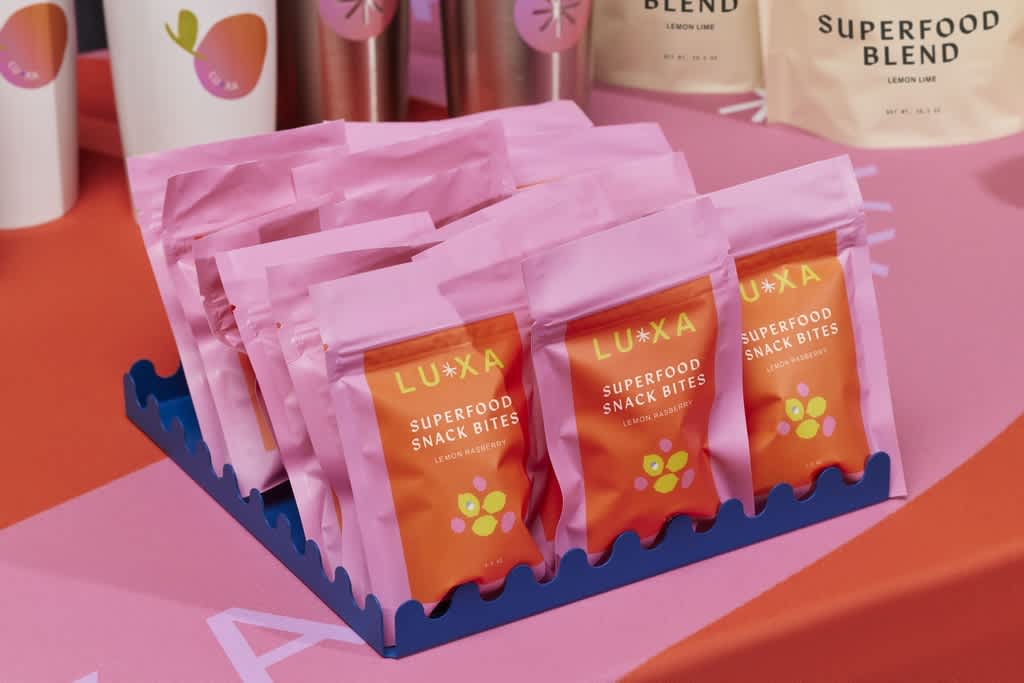
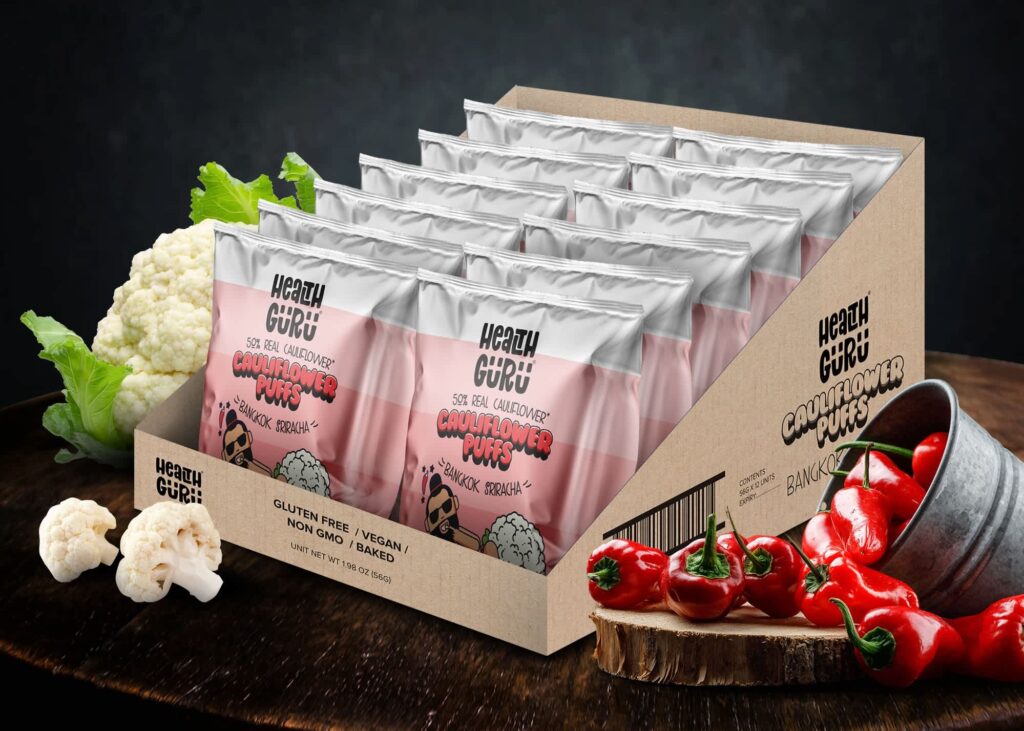
Shelf-ready packaging (SRP) is a type of packaging designed to securely hold products during transport and then quickly convert into a display unit that goes straight onto retail shelves.
Unlike regular packaging that’s thrown away after shipping, SRP remains on the shelf, making restocking faster and easier by cutting down the time and effort employees spend arranging products. It typically features built-in elements like perforations or tear-away sections that allow the outer packaging to open quickly, revealing the products inside in an organized, visually appealing way. This packaging combines protection with presentation, eliminating the need for additional unpacking or shelving.

Source: Shelf-ready packaging design for protein bars by maxgraphic via 99designs by Vista
The 5 key functions for effective SRP solutions
If you’re selling through retail stores, packaging needs to do more than protect your products. It also needs to save time for store staff, look good on the shelf and make shopping feel easy. It’s useful to keep these simple guidelines in mind to judge whether your packaging works well in both the stockroom and store front shelves. Good SRP solutions should be:
1. Easy to identify. Staff members should be able to quickly see what the product is and where it belongs. Clear branding, readable labels and visible barcodes can help speed up restocking.
2. Easy to open. Packaging should open quickly without scissors or excessive force. Clean tear lines created by perforations or simple opening points can save time and reduce damage to the packaging.
3. Easy to shelf. Once opened, the pack should be ready to place straight onto the shelf, helping stores replenish products faster and keep displays tidy.
4. Easy to shop. Customers should be able to spot the product, grab one easily and understand quickly what they’re looking at.
5. Easy to dispose of. When empty, the packaging should be simple to flatten, ready for recycling, saving time for staff members.

Source: Shelf-ready packaging design for jerky by Wilson8a via 99designs by Vista
Key features of shelf-ready packaging
Shelf-ready packaging is made to move smoothly from delivery box to retail display. Store staff can place it on the shelf with minimal fuss, while the built-in display format keeps products tidy, visible and easy for customers to browse.

Source: Shelf-ready packaging design for bottles by StanBranding via 99designs by Vista
With that in mind, here are some of the key characteristics that define shelf-ready packaging:
- Easy to open: Designed with simple tear strips or perforations so products can be accessed quickly without tools.
- Clear product visibility: Often includes windows or cut-outs that showcase the product clearly to shoppers.
- Durable and protective: Usually made from sturdy materials that keep products safe during transport and handling.
- Lightweight and compact: Built to reduce shipping costs and minimize shelf space without sacrificing presence.
- Space-efficient for shelving: Shaped to fit standard retail shelves, helping maximize shelf capacity and organize products neatly – many retail-ready packaging formats are shaped to fit standard shelves and keep displays organized.
- Eco-friendly material options: Increasingly offered in recyclable or biodegradable materials to support more sustainable retail packaging design choices.
- Customizable to fit different product types: Adaptable in size, shape and structure to suit various products and display needs.
- Branding-friendly design: Provides plenty of space for logos, product info and promotional messaging, while also allowing unique and eye-catching designs that help products stand out and grab customer attention on the shelf.
Shelf-ready packaging benefits
SRP delivers real benefits across the entire retail chain. When businesses invest in SRP retail solutions, the advantages extend to retailers and consumers alike.
Business advantages of shelf-ready packaging
If you’re the one choosing the packaging, you’re also the one who benefits most. If it’s done well, shelf-ready packaging can help your products stand out in store while making day-to-day operations smoother. Key benefits include:
- Improves product visibility and brand recognition: Shelf-ready displays help products stand out on crowded shelves while giving logos, colors and messaging more space to catch shoppers’ attention.
- Boosts sales through better presentation: Organized, grab-and-go packaging creates a cleaner shopping experience and can encourage faster purchasing decisions.
- Saves time with frustration-free packaging: Easy-open, standardized packaging helps employees stock shelves faster, reduce handling hassles and manage inventory more efficiently.
- Keeps shelves organized and retail-ready: SRP helps products stay tidy, easy to shop and visually consistent throughout store aisles.
- Reduces waste and packaging costs: Efficient SRP designs use fewer materials while still protecting products during shipping and display.
- Strengthens retailer relationships: Retailers value packaging that is easy to handle, stock and display, which can support better shelf placement and ongoing partnerships.

Source: Retail-ready packaging design by Julia S. via 99designs by Vista
Advantages of shelf-ready packaging for consumers
SRP helps businesses and retailers, but its true value shows in how it improves the shopping experience for customers. When products are easy to find, open and understand, shoppers feel more confident and satisfied. Here’s how SRP benefits customers:
- Convenient and engaging presentation: Products are displayed clearly and attractively, making browsing simple and enjoyable. Customers don’t have to waste time trying to find what they need.
- Easy-to-open design: Tear-away sections or simple designs let customers access products quickly without frustration.
- Reusable packaging options: Some shelf-ready packaging can be reused for transportation and at home, giving customers extra value while helping reduce waste.

Source: Shelf-ready lip balm packaging design by Meileelogo via 99designs by Vista
Types of shelf-ready packaging
Shelf-ready packaging offers plenty of ways to tailor your product’s look and feel. Across the many different types of packaging, there are also a range of retail-ready options designed specifically for shelves and in-store displays. Understanding these common types of packaging boxes helps you pick the right packaging for your product and the store environment.
Here’s a closer look at the main kinds of shelf-ready packaging (and where each one shines).
Tray-style shelf-ready packaging
These are a popular SRP type featuring a sturdy, open-top tray that holds multiple products securely during transport and display. You’ll commonly see this style used for snacks, confectionery and convenience products, including displays from global brands like Kinder.

Source: Tray-style retail-ready packaging design by DLab™ via 99designs by Vista
The tray looks like a shallow box with low sides – tall enough to keep products secure but low enough to show them clearly. This design helps retailers restock quickly while keeping items organized and easy for customers to find. For brands selling through boutiques or local co-ops, shelf-ready packaging may take a different form, such as a reusable wooden display or countertop stand that suits the space. This design highlights the main shelf-ready packaging benefits: faster restocking, organized displays and an easier shopping experience.
- Uses: Often used for snack packs, multipack drinks, confectionery and health supplements that need to be stocked quickly and displayed neatly.
- Cost: Tray-style shelf-ready packaging is often one of the more affordable SRP options because of its simple structure and efficient use of materials.
- Ease of use: Easy-open perforations and open-top trays help retailers restock shelves quickly while keeping products organized and easy for shoppers to browse.
Display-ready boxes
Display-ready boxes arrive fully closed to protect products during shipping. When ready to stock, the store’s staff open tear-away panels or perforations that fold down and transform the box into an upright display. Unlike tray-style packaging, which is open at the top, these boxes reveal products only after opening.

Source: Display-ready box design by JianBranding™ via 99designs by Vista
The design creates a tidy shelf display with defined sides and back, keeping items secure and clearly visible. This type of packaging works well for smaller or delicate products that need protection and a polished presentation.
- Uses: Mostly used for cosmetics, small gadgets, toys and other products that benefit from extra protection and a clean shelf display.
- Cost: Display-ready boxes can cost more than simpler tray-style formats because of their enclosed structure and additional printing areas.
- Ease of use: Tear-away panels make them quick for store staff to open and place directly onto shelves without extra setup.
Foldable shelf-ready packaging
Folding and collapsible SRP offers a clever balance between shipping efficiency and retail readiness. These packages ship flat, saving space in transit and can be quickly assembled into full displays once in-store.

Source: Foldable shelf-ready packaging design by StanBranding via 99designs by Vista
This adaptability means businesses can reduce shipping costs without sacrificing shelf impact. The foldable design often includes locking tabs or slots that keep the display sturdy without additional materials.
- Uses: Best for smaller products like cleaning supplies, personal care items and snack-sized treats where flexibility and quick setup are important.
- Cost: Shipping flat can help reduce transport and storage costs, making foldable formats a cheaper option for growing brands.
- Ease of use: Staff may have to assemble foldable packages themselves, so can potentially add time to their workday.
Blister packs with display cards
Blister packs are a staple for small products needing secure packaging and clear visibility. A plastic shell encases the item, attached to a sturdy display card that often includes branding and product details.

Source: Children’s toothbrush blister pack packaging via Pinterest
Customers can easily see the product and remove it without damaging the packaging, making this type both practical and customer-friendly.
- Uses: Often used for small tools, gadgets, batteries, stationery and accessories.
- Cost: Blister packs can be cost-effective for lightweight products, especially when produced in larger quantities.
- Ease of use: Clear packaging helps shoppers inspect products easily, while display cards make packs simple to hang, stack or arrange on shelves.
Shelf-ready packaging with built-in handles
Built-in handles add a practical, premium touch to shelf-ready packaging. These handles make it easy for both retailers and customers to carry and handle products, improving the overall experience.

Source: Shelf-ready packaging design with built-in handles by GayanMH via 99designs by Vista
- Uses: Often used for household goods, electronics, beverages and larger beauty or wellness products.
- Cost: Adding handles can increase production costs slightly because of extra materials and structural reinforcement.
- Ease of use: Built-in handles make products easier for both store staff and customers to lift, carry and transport.
Tuck-top boxes
Tuck-top boxes are straightforward boxes with a top flap that folds down and tucks securely into the front. When unopened, they fully protect the product inside. Once the flap is tucked in place, the box stays closed during shipping but can be opened quickly without tools. After opening, the box sits upright on the shelf, displaying the product clearly without needing extra assembly.

Source: Tuck-top boxes design by Mj.vass via 99designs by Vista
This simple, no-fuss design makes tuck-top boxes ideal for products that need protection and fast stocking with minimal effort.
- Uses: Commonly used for food products, household essentials and personal care items.
- Cost: Their simple structure can help keep production costs lower than more complex shelf-ready formats.
- Ease of use: Tuck-top boxes are quick for staff to open, stock and organize on shelves with minimal effort.
Shrink-wrapped shelf-ready packaging
Shrink-wrapping bundles multiple products together with a tight plastic film, often printed with branding or product information. Once the shrink wrap is removed, the products can be displayed openly.
This style keeps items secure during transport but allows for quick shelf stocking and strong brand visibility thanks to the printed wrap.
- Uses: Often used for bulk products such as canned drinks, bottled beverages and cleaning supplies.
- Cost: Shrink wrap can be a cost-effective option for bundling large quantities of products together.
- Ease of use: Products can be unpacked and stocked quickly, helping retailers save time during restocking.
Custom shelf-ready packaging
When off-the-shelf options don’t quite fit, custom SRP steps in. Tailored to your product’s size, shape and brand needs, custom packaging creates a unique shelf presence that stands out.

Source: Creative retail-ready packaging design by CUPEDIUM via 99designs by Vista
With complete control over materials, structure and design, you can craft packaging that supports both your retail strategy and brand story.
- Uses: Suitable for a wide range of products, especially brands looking for packaging tailored to specific retail, display or branding needs.
- Cost: Custom packaging can cost more upfront because of design, prototyping and production setup, particularly for smaller runs.
How much does shelf-ready packaging cost?
As with most business decisions, the cost of shelf-ready packaging depends on what you need. What are you selling? How much protection does your product need ? And how many units are you planning to order? While there’s no single price point, a few factors usually have the biggest impact.
- Material choice plays a major role. Shelf-ready packaging often uses stronger corrugated cardboard, such as E-flute or B-flute, so it keeps its shape once opened and still looks polished on the shelf. That can cost more than a standard shipping box. In some cases, the added strength can create savings elsewhere. When Bendicks, an established premium chocolatier, redesigned its shelf-ready packaging, it reduced material use by 32% while improving pallet efficiency by 18%.
- Printing and branding can also raise the price. Unlike plain transit packaging that may only need labels or barcodes, shelf-ready packaging is designed to be seen. Full-color printing, larger print areas and premium finishes can all increase the unit cost, but they can also help products stand out in busy retail spaces.
- Order volume matters too. Smaller runs tend to be more expensive because setup costs are spread across fewer units. For many businesses, pricing becomes more attractive at higher volumes, especially once you’re ordering regularly or supplying multiple retail locations.
- Design complexity is another factor. A simple perforated tray is often more affordable than multi-part formats, such as tray-and-hood designs, which can take more time to produce and assemble. Some brands also invest in custom features that save time later on. Scotts Crispy Onions, a UK food brand, for example, introduced a no-tape, shelf-ready pack designed to speed up packing and create stronger shelf presence.
Give yourself a long lead time to order your retail packaging design. Last minute orders often cause additional rush fees!
What to keep in mind for retail packaging design
Creating shelf-ready packaging that truly works means juggling several important factors – each one crucial to making your product shine in stores. Here’s what businesses need to focus on to get it right:
- Target audience: Know your customers inside out. Your packaging should speak their language – match their tastes and expectations. Whether they prefer clean and simple or bold and vibrant, your design needs to connect instantly.
- Product type: Your packaging can’t be one-size-fits-all. Consider the size, shape and fragility of your product. Fragile items need extra protection, while larger or eye-catching products can handle more daring designs.
- Retail requirements: Retailers have specific needs – your packaging should be easy to stack, fit neatly on shelves and require minimal handling during restocking. Make life easier for them, and your product gets better placement.
- Easy opening design: Perforations need to be strong enough to stay secure during shipping but easy enough to open cleanly in store. If tear lines rip unevenly or damage the front of the pack, displays can look messy and slow staff down during restocking.
- Sustainability: Today’s shoppers care about the planet. Choosing recyclable or reusable materials is a strong start, but simple monomaterial designs such as all-cardboard packs can make recycling quicker and easier for both store staff and customers.
- Brand identity: When it comes to retail-ready packaging, design consistency matters. If customers already know your brand from online orders, shipping boxes or social media, your shelf-ready packaging should feel instantly familiar. Use the same colors, logos, fonts and tone to build recognition and help shoppers spot your products faster. Healthy snack brand Troofoods, for example, used shelf-ready packaging to take a premium granola launch from trade shows to retail shelves without completely reworking its packaging design.
- Shelf impact: Finally, think about how your packaging looks on the shelf. Striking the right balance between minimalism vs. maximalism in packaging design can make your product stand out without overwhelming shoppers.

Source: Bold retail-ready packaging design by Mj.vass via 99designs by Vista
To build customer trust, box packaging designs should take the tastes of the target audience into account, guarantee visual appeal and incorporate pertinent information.
What does the future of shelf-ready packaging look like?
Shelf-ready packaging is evolving quickly, driven by new technology and a growing focus on sustainability.
One major change is the integration of smart features like NFC chips and QR codes into the packaging. These tools let shoppers access product details, special offers or interactive content simply by scanning with their phones. QR codes can also support retail staff behind the scenes. Added to the shelf-ready tray itself, they can link directly to instant reordering pages, stock systems or product details, helping store teams replenish shelves faster without scanning individual items.
Beyond creating a better customer experience, integrate technology into your packaging to get valuable insights into shopper behavior.
At the same time, businesses are embracing eco-friendly materials, using recyclable, biodegradable and reusable options to reduce environmental impact. This shift aligns with broader packaging design trends focused on sustainability and responsible consumption.
Looking ahead, the future of SRP will blend these innovations with practical, effective design. As retail evolves and customers demand more, shelf-ready packaging will need to be smarter, greener and more user-friendly!
Need more packaging guidance and inspiration? Explore VistaPrint’s ultimate guide to product packaging design.
Ready to make your packaging more shelf-ready?
Shelf-ready packaging is a growing niche with plenty of potential. For small businesses, it offers clearer brand visibility, faster stocking and a better experience for shoppers. These benefits make SRP a smart investment that delivers real results.
Thinking ahead and adopting shelf-ready packaging now means you can stand out before the market gets crowded. Consider SRP to improve how your brand looks on the shelf and how easily your products get into customers’ hands.
Shelf-ready packaging FAQs
What’s the difference between shelf-ready packaging and retail-ready packaging?
Shelf-ready packaging (SRP) is made to go straight onto the store shelf. It’s designed with features like perforations or tear-away panels that make it easy for staff to open and display products quickly and neatly.
Retail-ready packaging is a broader concept. It includes any packaging prepared for retail, focusing on protecting products during shipping and storage while also being easy to handle. It may or may not be designed for direct shelf display.
In practice, the two terms are often used interchangeably. Usually, shelf-ready packaging describes packaging designed to go straight onto store shelves as a display.
What are the 5 requirements of shelf-ready packaging?
The five key requirements of shelf-ready packaging are that it should be easy to identify, open, shelf, shop and dispose of. Put simply, it should save time for store staff and make buying easier for your customers.
How can small businesses afford SRP in low volumes?
Small businesses can keep costs down by starting with simple designs, limited print finishes and smaller test runs. Focusing on one best-selling product first is often a smart way to learn what works before investing more.
What materials are best for retail-ready displays?
Corrugated cardboard is a popular choice because it’s strong, lightweight and easy to recycle. If you want a more premium look or extra durability, thicker board grades and higher-quality finishes can also work well.
Does shelf-ready packaging increase product sales?
Shelf-ready packaging can help by making products easier to notice, easier to pick up and more appealing on the shelf. It won’t replace a great product, but strong presentation can give shoppers one more reason to choose your offer over a competitor.