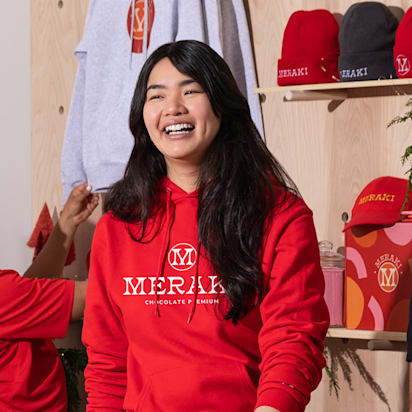
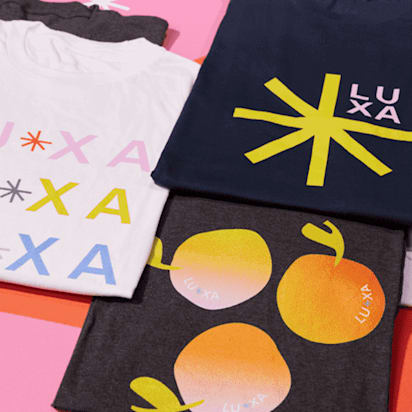
Building a branded uniform package is more than a logo on a basic tee. You’re putting together a small wardrobe that works across different roles, seasons and working styles.
The right mix of branded uniforms helps customers recognize your team, but it also makes day-to-day dressing easier for employees. When the clothing fits well, feels comfortable and suits the job, people are much more likely to wear it with confidence.
Are branded uniforms required for small businesses? The answer depends on where your business operates, the work your employees do and whether any protective clothing is required. For many small businesses, branded clothing is less about compliance and more about giving employees practical, comfortable options that still feel connected to the brand.
This guide will help you choose the right pieces, fabrics, sizes and quantities, then bring everything together into a uniform package your team will actually want to wear.
- Build a flexible uniform capsule: Offer three or four coordinated pieces so employees can choose what feels comfortable while still looking part of the same team.
- Match fabric to the role: Choose softer, smarter fabrics for customer-facing teams and tougher, easy-care blends for roles that involve frequent washing or physical work.
- Test before ordering: Check fit, decoration quality, shrinking and color fading before committing to a bulk order.
- Plan sizes carefully: Ask employees for their sizes where possible, then use a sizing estimate only to cover new starters or spare stock.
- Order for real working patterns: Give employees enough everyday pieces for a practical weekly rotation, then add outerwear based on their role, schedule and working conditions.

What belongs in a small business uniform checklist?
A complete company uniform package should include a strategic mix of base layers, warmer options and practical accessories that suit different roles and working conditions. The right combination helps your team stay comfortable and look consistent throughout the year.
A useful starting point is to group clothing into a few simple categories. One shirt won’t work for every role. A delivery driver working in summer heat needs something different from a receptionist in an air-conditioned office.
That’s why your branded uniform checklist should cover several types of clothing rather than one standard item. That way, each role gets something practical while the overall look still feels connected to your brand.
Here’s a simple way to organize the main pieces in your uniform package.
| Wardrobe category | Common items | Best suited to | What to consider |
|---|---|---|---|
| Base layers | T-shirts, polos, button-downs | Most employees, including front-of-house, warehouse and field teams | Comfort, breathability, washability and freedom of movement |
| Mid layers | Quarter-zips, cardigans, sweaters | Office teams, managers and customer-facing staff | Fit, indoor temperature changes and a slightly smarter finish |
| Outerwear | Hoodies, softshell jackets, fleeces | Delivery teams, outdoor workers and event staff | Warmth, weather resistance, durability and visible branding |
| Accessories | Hats, beanies, tote bags, aprons | Food service, retail, events and mobile teams | Practical use, hygiene needs and how well they fit the wider uniform |
You don’t need every item on the list. A café may get more use from T-shirts, aprons and hoodies, while a property company might prefer polos, quarter-zips and lightweight jackets.

The mix-and-match style capsule
Your branded uniform package should include a small style capsule for flexibility. That means choosing a few approved pieces that give employees some choice while still keeping the overall look consistent.
Start with a small color palette based on your existing brand colors. Then choose three or four approved garments, such as a crewneck, polo and quarter-zip, using the same color family and logo placement. Employees can then choose the item that best fits their daily tasks, body type and personal comfort level. That little bit of choice can make the uniform feel more comfortable and easier to wear day to day.
Coordinated work wear bundles also make it easier for employees to get dressed without losing that consistent team look. For example, a landscaping company might offer a moisture-wicking green polo, a gray long-sleeve performance T-shirt and a heavier green hoodie. Every piece works together. Every piece features the company logo. Yet the employee gets to choose the option that suits the day ahead.
When designing these bundles, consider the decoration method carefully. Match the technique to how each item will be used.
For example, screen printing offers a durable, budget-friendly option for hard-working pieces like construction shirts, aprons and everyday branded T-shirts, while subtle, tone-on-tone embroidery can elevate quarter-zips, polos and jackets with a more polished, professional look.Explore printing technologies and custom embroidery to see how different methods can enhance key pieces in your capsule.

Choosing the right garment: Fabric longevity and wash-testing
Selecting the right fabric for your apparel means looking beyond color and style to how the fabric will hold up over time. Some fabrics are built for frequent washing and tough working conditions, while others are better suited to lighter, customer-facing roles.
Different roles put clothing through very different levels of wear. A barista or line cook may deal with heat, spills and plenty of movement during a shift. Their uniforms may also need washing several times a week. For demanding roles like these, polyester-cotton blends are a strong choice. A 50-50 poly-cotton blend combines some of cotton’s softness and breathability with polyester’s durability and shape retention. These blends often shrink less, dry faster and need less ironing than pure cotton.
Softer fabrics are a better fit where comfort and appearance matter more than heavy-duty durability. For sales teams, managers or front-of-house staff working indoors, 100% combed ringspun cotton is a comfortable, polished option. Ringspun cotton is softer, smoother and drapes better on the body than standard open-end cotton – although it may also need gentler washing to help reduce shrinking and fading.
That’s why it’s worth testing a few samples before placing a larger order. Wash each sample several times using the same method your team is likely to use, then check for shrinking, fading and twisting at the seams and changes to the logo. It’s also a good idea to keep a simple record of the fabric, wash temperature, drying method and results so you can compare options before choosing the final garments.

Fabric weight and stretch can also affect how your logo looks on the finished garment. A heavier cotton may support a larger embroidered logo, while a lightweight or stretchy fabric may pucker under the same amount of stitching.
Looking for more fabric choice details? We put together a handy guide to custom T-shirt printing, embroidery and design to help you match the fabric to a suitable print or stitching method.
Planning sizes and employee uniform needs
Guessing uniform sizes can quickly become one of the trickiest parts of ordering for a diverse, growing team. Order too many of the wrong sizes and you may end up with a cupboard full of spares while the sizes people actually need disappear first.
A simple sizing estimate can help you plan an initial order, but it should never replace asking employees for their actual sizes.
Before working out sizes, decide how many items each employee will need. That decision will shape the size of your overall order. For many full-time roles, three to five everyday tops gives employees a practical weekly rotation, while one or two outer layers may be enough for seasonal use. The right amount depends on shift patterns, laundry arrangements and how often each item is worn.
Once you know the number of garments required, you can use a sizing estimate to plan spare stock or cover an order before every employee has confirmed their size. Every team is different, so treat the example below as a starting point only and adjust it as soon as you have real sizing information.
| Size | Example share of spare stock | Planning note |
|---|---|---|
| Small (S) | 10% | Keep a smaller buffer unless your existing team makeup suggests otherwise |
| Medium (M) | 25% | Usually worth holding as one of your core spare sizes |
| Large (L) | 30% | Often useful as a larger share of general backup stock |
| Extra large (XL) | 20% | Keep a steady buffer for onboarding and replacements |
| 2XL | 10% | Include from the start rather than treating it as an exception |
| 3XL+ | 5% | Confirm availability and order based on known employee needs |
The closer your order reflects your real team, the less likely you are to waste budget or leave a new starter waiting for the right size. Where possible, collect sizes confidentially before ordering and let employees check the supplier’s size chart rather than relying on their usual shop size. Different garments and brands can fit very differently. For a larger order, it may also be worth getting a small set of samples so employees can try on the main styles before you commit.
Bringing your brand to life: Procurement and roll-out
Designing the ultimate apparel package is only half the battle – the way you introduce it to your team dictates its success. Handing someone a wrinkled shirt in a plastic bag probably won’t make the best first impression. A little more care can make the rollout feel much more considered. Present the items neatly folded and include a short note explaining what’s in the package, how each piece should be worn and why those garments were chosen. Bundling the uniform with branded promotional items transforms the uniform from a formality to thoughtful onboarding experience – less like a policy update and more like something chosen with the team in mind.
When people understand the thinking behind the uniform, they’re more likely to see it as something useful rather than something imposed on them.

Before placing the full order, create a simple digital lookbook showing each approved garment, color and logo placement. You can also use VistaPrint’s custom T-shirt design tool built into every order, where you can upload your logo, compare colors and preview how the pieces will look together.
Before you hand anything out, run through this quick uniform rollout checklist to make sure every detail is covered.
Your uniform rollout checklist
- Confirm final quantities for each garment.
- Check employee names and sizes.
- Review logo placement and color choices.
- Confirm delivery dates.
- Plan how the uniforms will be handed out.
- Assign responsibility for replacements.
- Set a process for new starter orders.
- Keep a record of spare stock.
Build a uniform package your team will want to wear
A well-planned branded uniform package helps your team feel comfortable, look consistent and represent your business with confidence. By offering a flexible mix of garments and planning sizes around your real team, you can create a uniform package that works day to day. Get the comfort, fit and branding right, and your uniforms are much more likely to become something your team is happy to wear.
Branded uniform package FAQs
What should be included in a company uniform package?
A company uniform package should include everyday base layers, warmer outerwear and any practical accessories employees need for their role. The pieces should share a consistent color palette, logo treatment and overall style.
How many uniforms should an employee get?
For many full-time roles, three to five everyday tops give employees a practical weekly rotation. One or two outer layers may also be enough, depending on the season, shift pattern and washing routine.
Is a company required to provide branded uniforms?
That depends on where the business operates, the work employees do and whether protective clothing is required. Branded uniforms are often a company choice rather than a legal requirement, but local rules should always be checked.