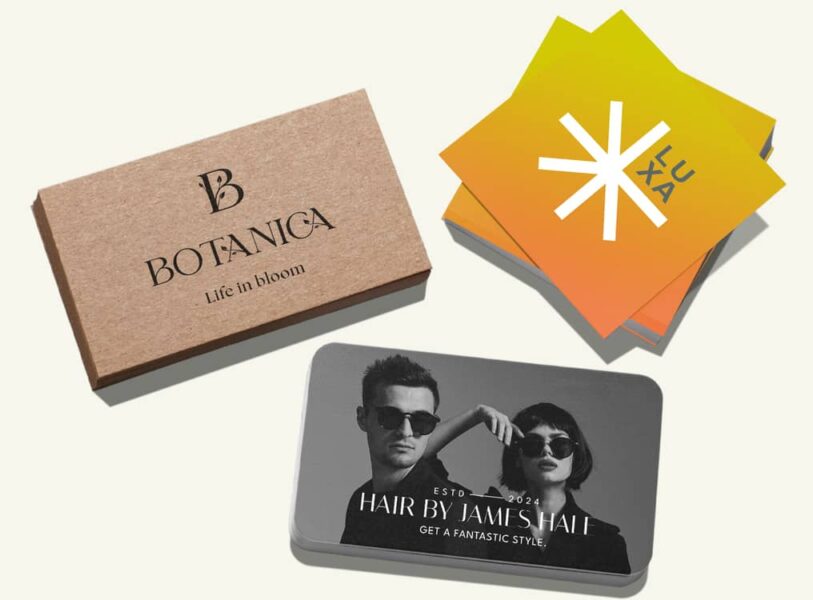
You want a great logo. But where do you start? If you’re new to logo design, the whole process can feel overwhelming. What should you ask your logo designer? What will they ask you? And how do you make sure you end up with a logo you love? Your logo isn’t just a symbol you slap on business cards – it’s the foundation of your brand identity. And getting it right starts with asking the right questions throughout the design process.
Whether this is your first meeting with a graphic designer or you’re experimenting with ideas on your own, these logo questions will help you land on a logo that actually works, across your website, packaging, business cards, storefront, social profiles and even staff uniforms. Think of the following questions as your cheat sheet to successful logo design. Here’s what to ask and what to expect so you walk away with a logo you’re proud of.
- Your logo is the foundation of your brand identity, so asking the right logo questions upfront saves time and headaches later.
- Prepare your brand story, target audience and examples of logos you love (or hate) to give your designer clear direction.
- Understand the logo design process: how many logo concepts you’ll see, how many revisions are included and what a realistic timeline looks like.
- Make sure you receive all the essential file types, including SVG, EPS or PDF vector files that scale cleanly to any size.
- Ask for multiple logo versions (full color, single color, black and white) and variations (horizontal, stacked, icon-only) so your logo works across every context.
Questions before you start designing
These early logo questions will set your project up for success before starting to brainstorm ideas.
1. How can a logo communicate our brand story and values?
Your logo should encapsulate your brand. So ask your logo designer how they plan to capture your brand values, personality and story through shapes, colors and fonts. How would you summarize your brand? Is it bold and modern? Refined and timeless? Come to the first meeting armed with brand adjectives. The more defined your story and values, the easier it is for a graphic designer to translate them into a visual symbol that represents who you are and what you stand for.
2. What type of logo will work best?
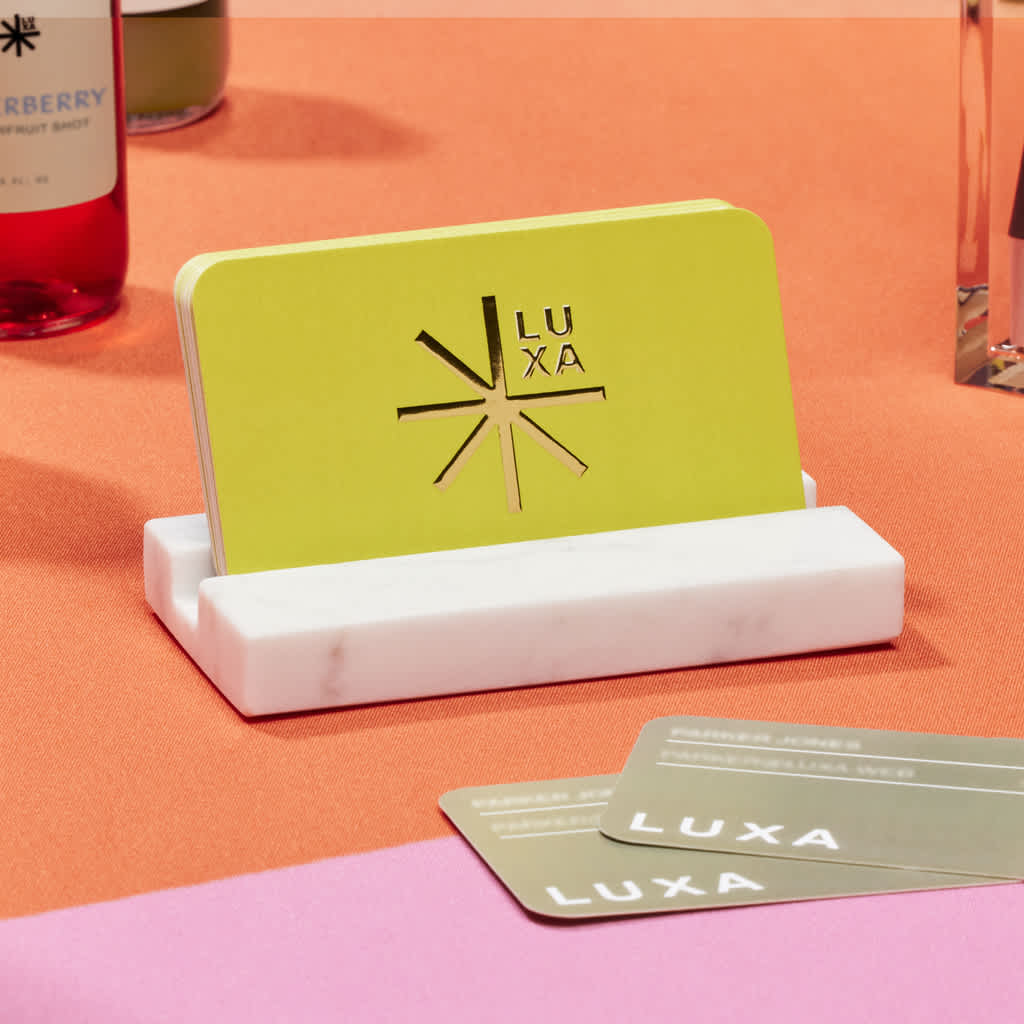
There are a few types of logos to choose from: wordmarks, lettermarks, icons or symbols, combination marks and emblems. Each type works best in different situations. Wordmarks work well for professional services and food businesses, while icons are perfect for social media and product packaging where space is tight.

Many businesses opt for responsive logos, so that the logo can be applied across different contexts easily. For example, a wordmark on your website header and a simple lettermark or icon for your social media profile picture give you flexibility without losing your identity.
3. What should I prepare for the first meeting?
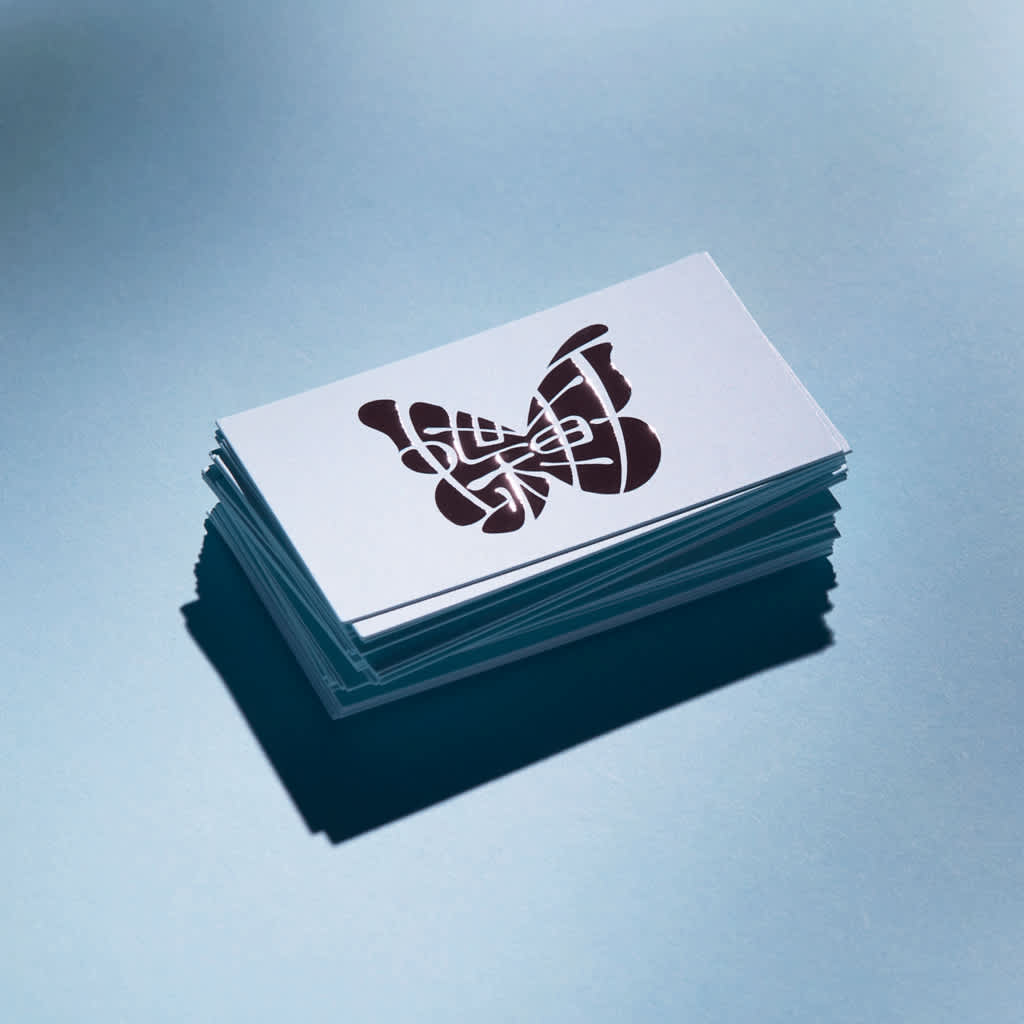
Coming prepared saves everyone time. Prepare your brand mission and story, information about your target audience, a list of your main competitors and any must-have design elements. If you’ve already got brand colors or fonts you’re using (or even just ones you like), share those, as well as examples of logos you love or design inspiration you’ve collected.
Our logo questionnaire walks you through exactly what your designer needs to know.
Print out or screenshot the places your logo will appear, such as your website header, Instagram profile, business cards and your storefront signage. Context helps your designer make smarter design decisions.
4. How will the logo fit into a bigger brand identity?
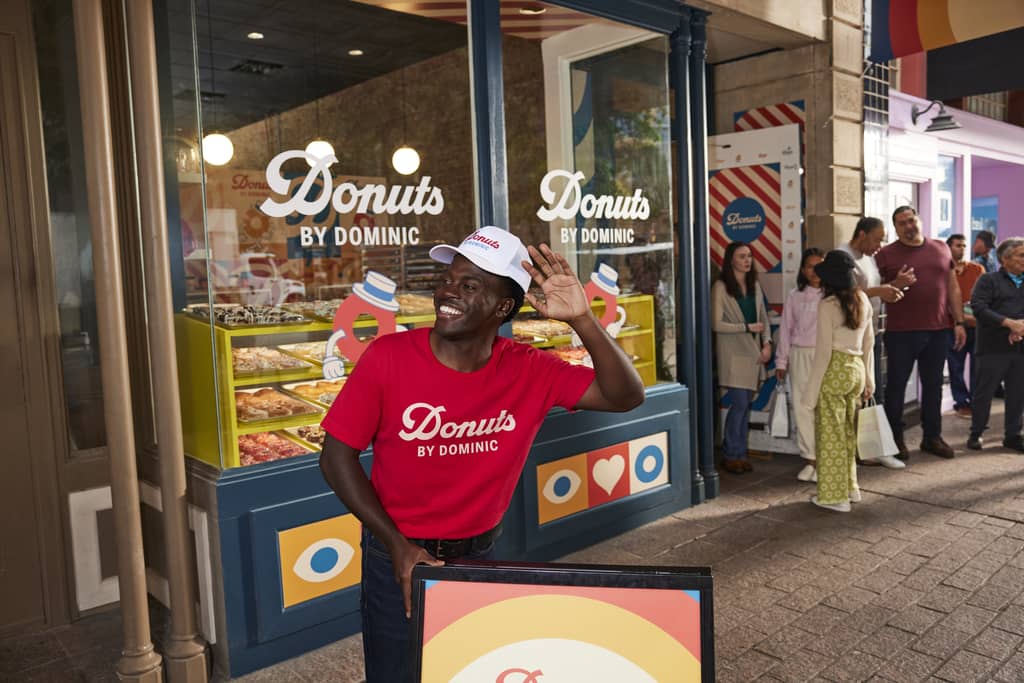
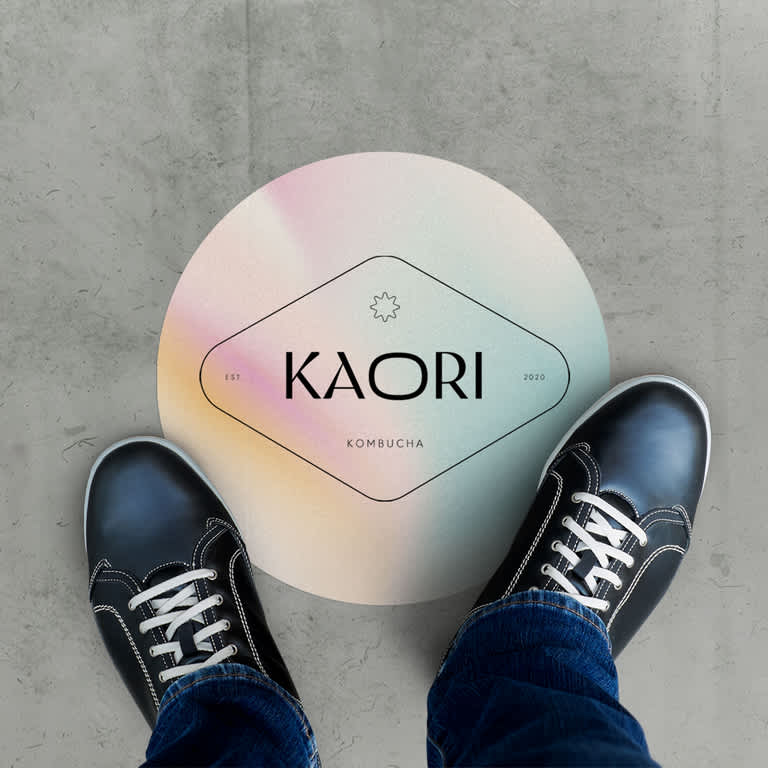
Your logo is just one piece of a much bigger branding puzzle. You need to think about how it’s going to work across your packaging, signage, website, staff uniforms and social media. Ask your designer how the logo fits into your wider brand identity and whether it’ll hold up in those different contexts.
This guide breaks down how logos and branding differ and how they work together.
Questions about the design process
The logo design process can feel confusing if you’ve never done it before. Understanding how it works means you’ll navigate the design project with more confidence (and less stress).
5. What does the logo design process look like?
Most designers follow a similar structure: discovery (where they get to know a brand), concept rounds (where they present initial ideas in response to the client’s vision), revisions (tweaking and refining) and final delivery (where you get your files). But you need to find out how many concepts you will receive, how they want you to give feedback and how often they’ll check in.
Getting clear on the design process from the start helps set expectations and keeps you and your designer on the same page.
6. How many logo concepts and revisions will I receive?
Some designers will give you one really strong direction. Others will present three or four options to choose from. Ask upfront how many logo concepts you will receive, then confirm how many revision rounds are included. And what counts as a design revision? Is it tweaking a color or a full redesign? These distinctions matter, especially when it comes to your budget.
7. What is a realistic timeline for the project?
Most graphic designers need anywhere from one to three weeks, depending on the complexity of the logo design. And because good design takes time – it requires exploration and refinement – faster isn’t always better. If someone promises you a logo in 48 hours, you’re probably getting something rushed.
Agree on deadlines upfront and get them in writing to keep everyone accountable and the project on track.
8. What happens if I need revisions later on?
What if six months later, you realize you need a version for a new product line or a tweak for a rebrand? Ask your designer whether post-project tweaks are included in your original agreement or if they’re billed separately. Some designers offer maintenance packages or charge hourly for future updates. Knowing this early on prevents awkward conversations later.
Questions about logo design and style
These are the logo questions that help you understand the designer’s creative decisions.
9. What logo colors do you recommend, and why?
Color affects mood, accessibility and how your logo translates from screen to print. So when your designer suggests a color palette, ask them about readability and contrast – whether your logo will still be readable and recognizable on different backgrounds.
And how do your logo colors look on screens versus printed items? Sometimes a color that pops on your laptop looks washed out on a business card, or vice versa. If you’ve already got brand colors you’re working with, ask how the designer will incorporate them into the logo color palette.
Want to understand why certain colors make people feel certain things? Read our guide on color psychology.
10. What fonts will you use?
Typography sets the entire tone of your logo. Logo fonts say just as much about your brand as the colors or shapes. Decide what personality you want your logo typeface to convey: approachable and friendly, or sleek and professional? Also, are the fonts licensed for commercial use? Some fonts are free for personal projects but require a paid license if you’re using them to make money.


If you’re planning to include a tagline with your logo, ask how the fonts will pair together. Do they complement each other, or are they fighting for attention? And how readable will they be across different sizes and contexts? A font that looks great at poster size might be completely illegible on a social media profile.
If you already have brand fonts, then they’re a great place to start.
11. Can we explore logo variations for different uses?
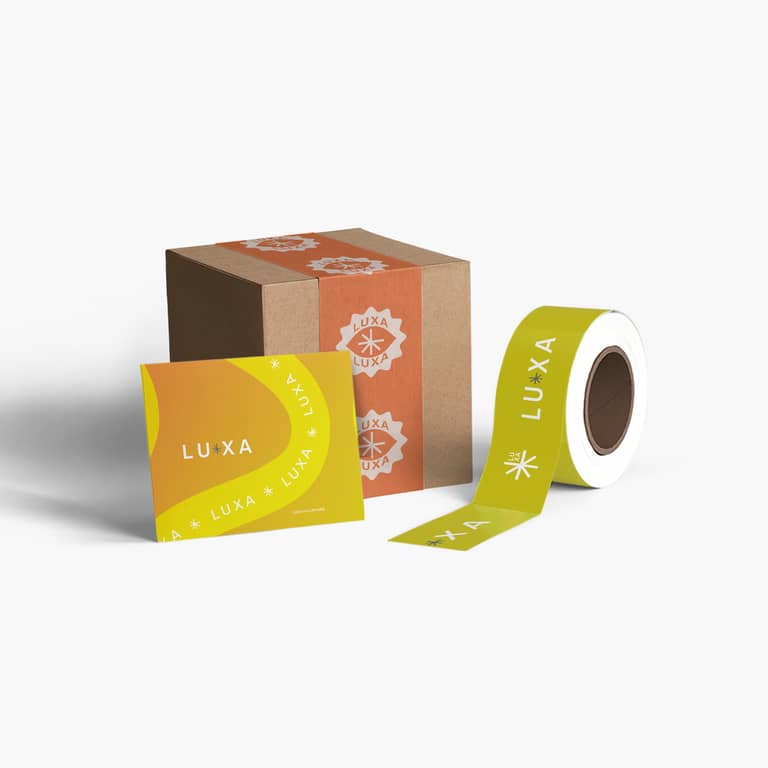
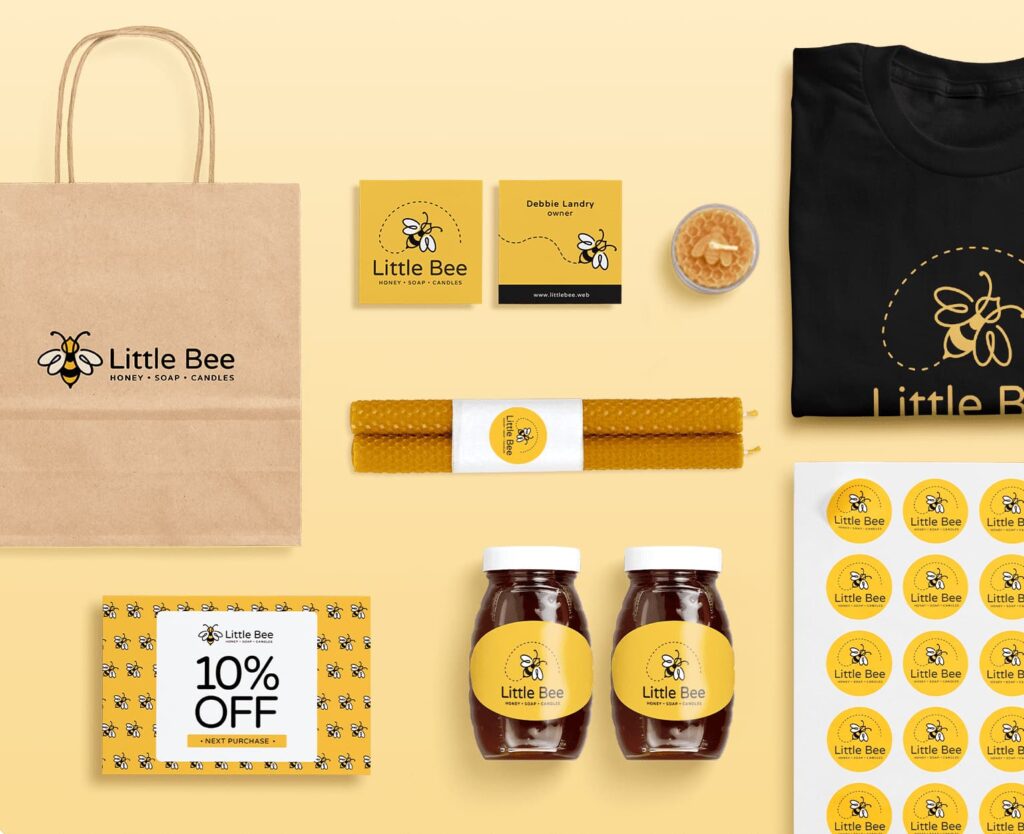
A flexible logo isn’t just one file you slap on everything and hope for the best. You need variations that work in different contexts, from social media icons to storefront signage. Ask your designer if they can create a horizontal version, a stacked version, a black and white version, a single color version and an icon-only version. Because while your full logo might look perfect on your website header, it probably won’t work for your Instagram profile picture. Or you might need a simplified version to embroider on staff uniforms where intricate details are difficult to print.
12. How will the logo look in small sizes or grayscale?
It’s time to find out how your logo will hold up when it’s tiny or printed in black and white. Small formats like business cards, stickers and embroidered apparel can reveal issues, and thin lines and delicate details can disappear. Ask your designer for mockups in small scale and grayscale so you can see how your logo will perform in the real world.
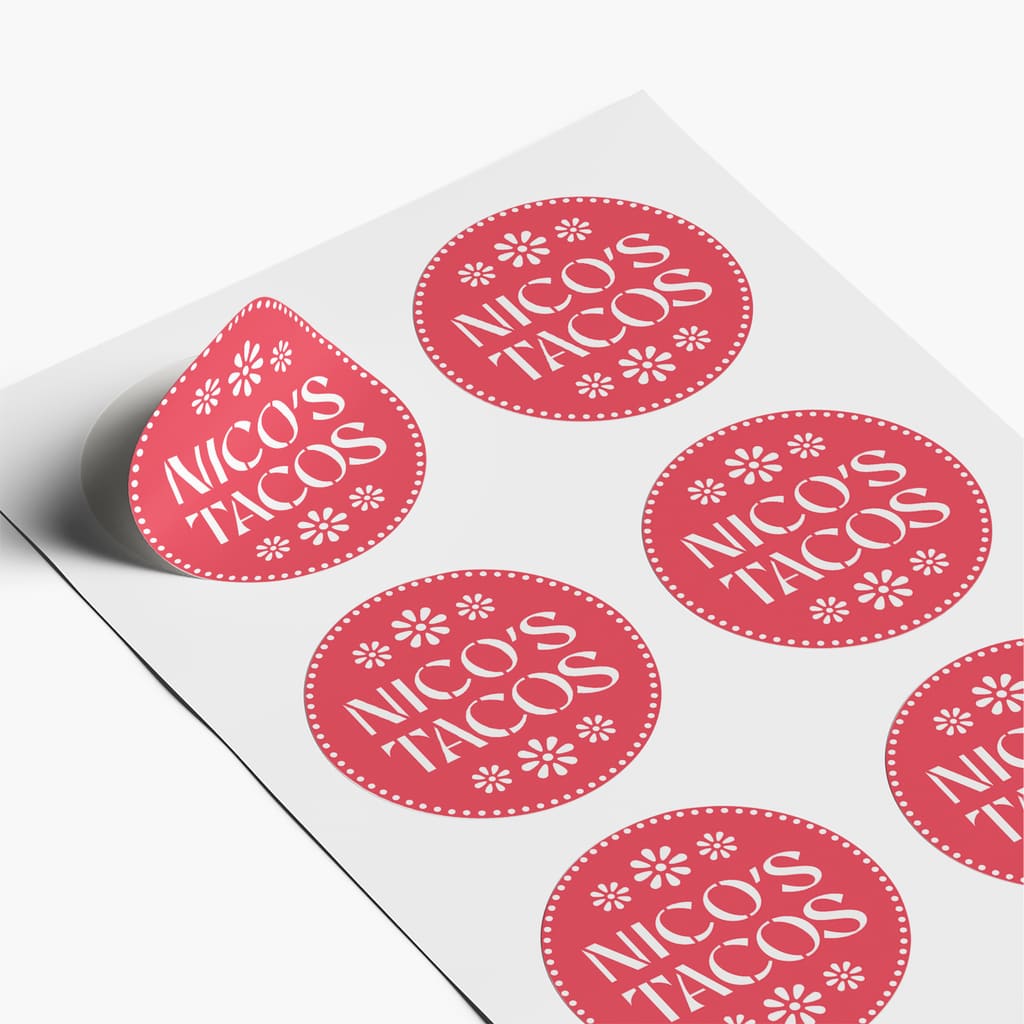
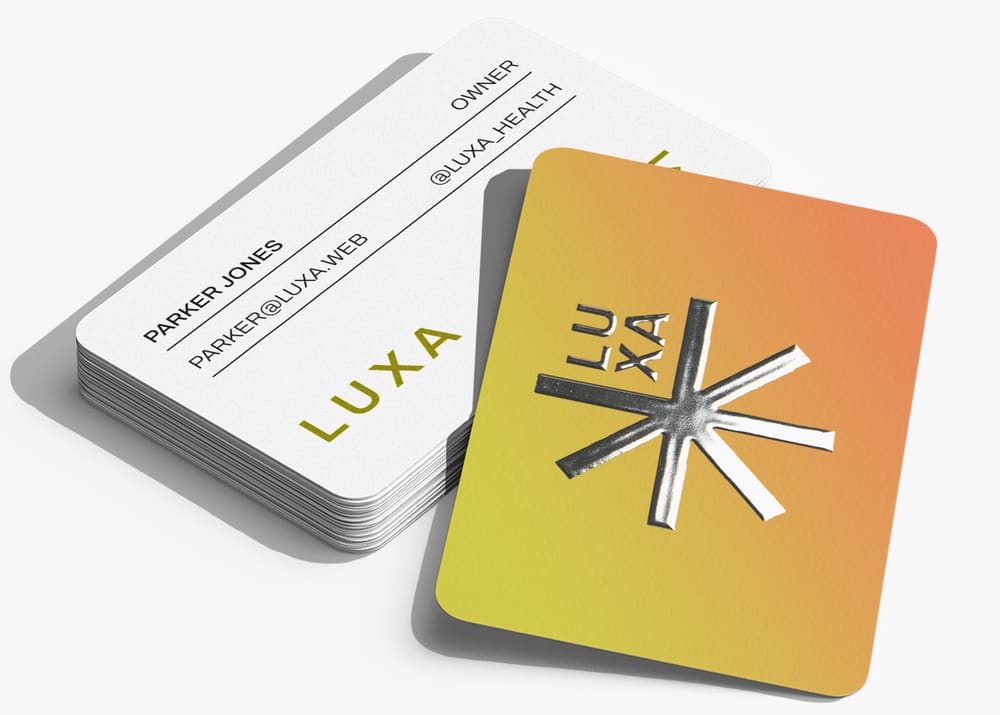
Print samples before you give final approval. Seeing your logo on an actual business card or T-shirt can catch issues that don’t show up on your computer screen.
13. Will the logo design be original?
This might sound obvious, but it’s worth asking your designer outright how they will ensure your logo is completely original and not similar to an existing design. A good designer should do their homework, check existing trademarks, research competitors in your industry and make sure they’re not borrowing from logos they’ve seen before.
Once your design is finalized, you might also want to think about trademarking your logo to protect it legally. It’s not always necessary for every small business, but it’s worth understanding your options.
And if your designer is using AI tools for brainstorming or concept exploration, confirm that the final design is fully unique and customized for your brand. AI can be a helpful starting point, but your logo needs to be yours.
Questions about files and delivery
These are the logo questions that make sure you can use your design everywhere you need to. Not just today, but five years from now too.
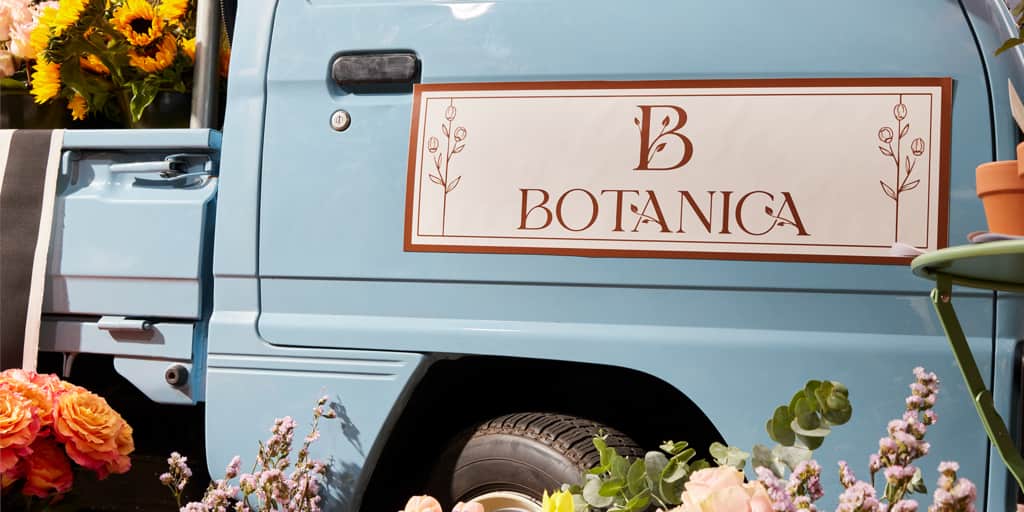
14. What types of logo files will I receive?
A complete logo package should include different file types: SVG, EPS or PDF, PNG and JPEG, with each one serving a different purpose. SVG, EPS and PDF are vector files, which scale cleanly to any size without losing quality. That means you can blow your logo up to billboard size or shrink it down to go on a business card and it will still look crisp. PNG files are great when you need a transparent background (like for your website or social media), and JPEGs are your general-use files for things like email signatures.
Always confirm you’ll receive vector files. If your designer only gives you a JPEG, you’re going to run into problems down the line when you need to resize it.
15. What logo versions will I receive?
Ask your logo designer specifically: Wwill I receive a full color version, a single color version and a black and white version? You’ll inevitably need to use your logo in situations where full color isn’t an option, like printing on colored paper, embossing and print ads. Having these versions ready to go ensures your logo works across print, packaging and social media.
16. Can you include a favicon or social profile image?
Favicons are the tiny icons that appear in your browser tab. Social media profile images are the square or circular versions of your logo for platforms like Instagram, LinkedIn and Facebook. These helpful extras keep your brand looking consistent online, so ask if your designer can include them in your logo package (most will if you ask upfront).
17. How will the logo work on merchandise or printed items?
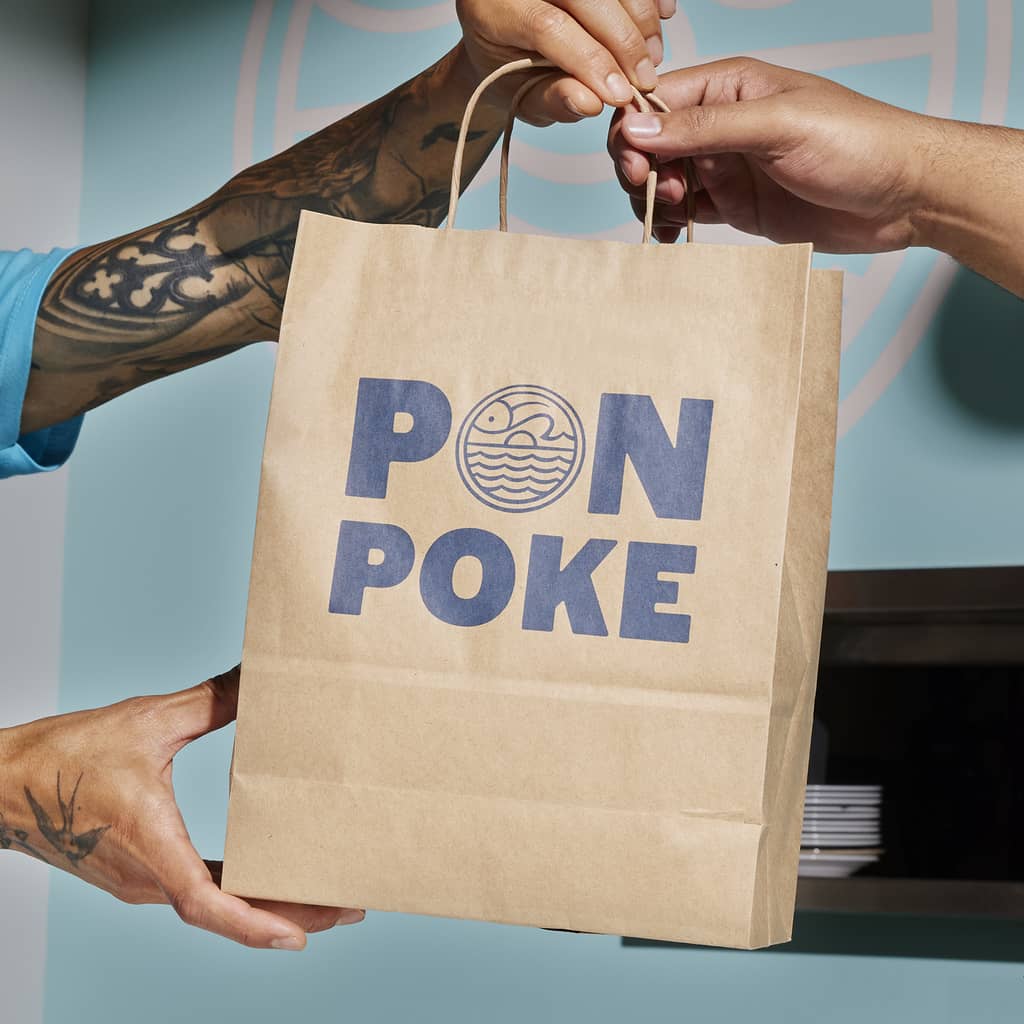
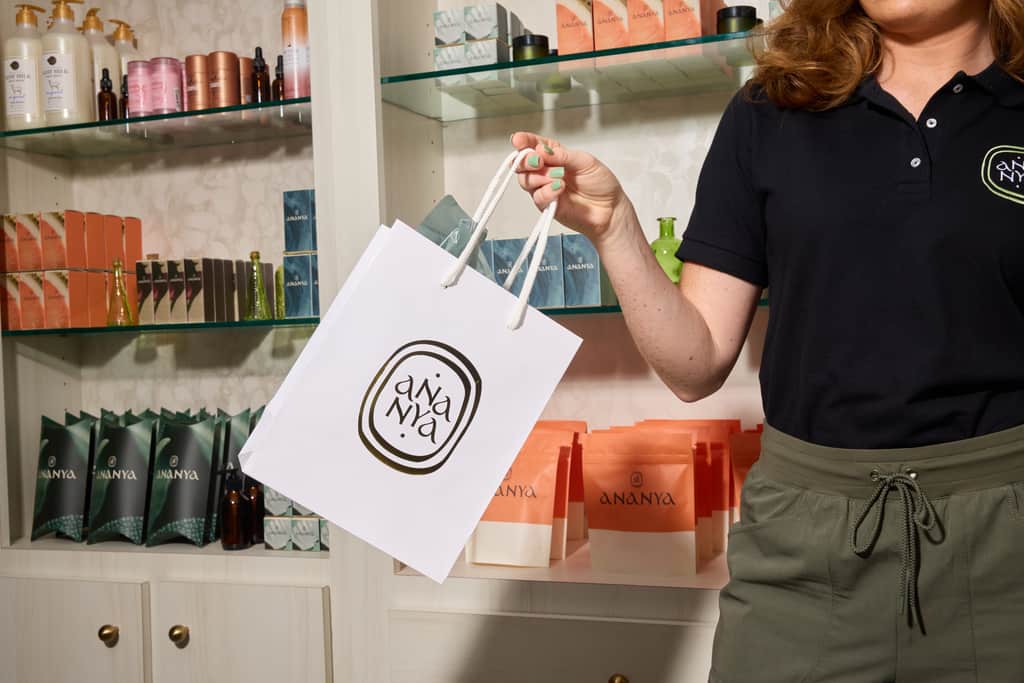
It’s one thing to see your logo on a computer screen. It’s another to see it printed on a T-shirt, tote bag, mug, business card or A-frame sign. Ask your designer how the logo design will translate onto these physical materials. Will fine details get lost when embroidered? Do the colors work on fabric? What about when it’s printed on kraft paper bags?
Questions you should be ready for your designer to ask you
Great designers ask great questions. Here’s what you should be prepared to answer when you sit down for that first meeting.
18. Who is your target audience, and what do they care about?
A designer can’t create a logo that appeals to your target audience and resonates with your customers if they don’t know who your audience is. Think about demographics: age, location, income level. Then go deeper: What motivates your existing and potential customers? What do they value? Are they bargain hunters or luxury seekers? Do they care about sustainability, or are they all about convenience? The more specific, the better.
19. Who are your competitors, and what do you like or dislike about their logos?
Your designer needs to understand the landscape your business is operating in. Who else is doing what you do? What do their logos look like? Figure out what the commonalities are. For example, is everyone in your industry using the same color scheme? Decide whether you want to go with or against the grain. Does it work for a reason or do you want to be different? Share what you admire about competitor logos: is it the clean simplicity, the bold use of color or the approachable feel?
Then figure out what sets your business apart from the competition. Understanding your unique offering helps your designer create a logo that differentiates you, so customers choose you over your competitors.
20. Where will you use your logo most often?
Are you primarily online, or do you have a physical store? Will your logo mostly be printed on packaging, uniforms and vehicle decals or used for social media? Whether the primary use case for your logo is print or digital influences the design direction. A logo that needs to work on embroidered polo shirts has different requirements than one that’s going to appear on an e-commerce website.
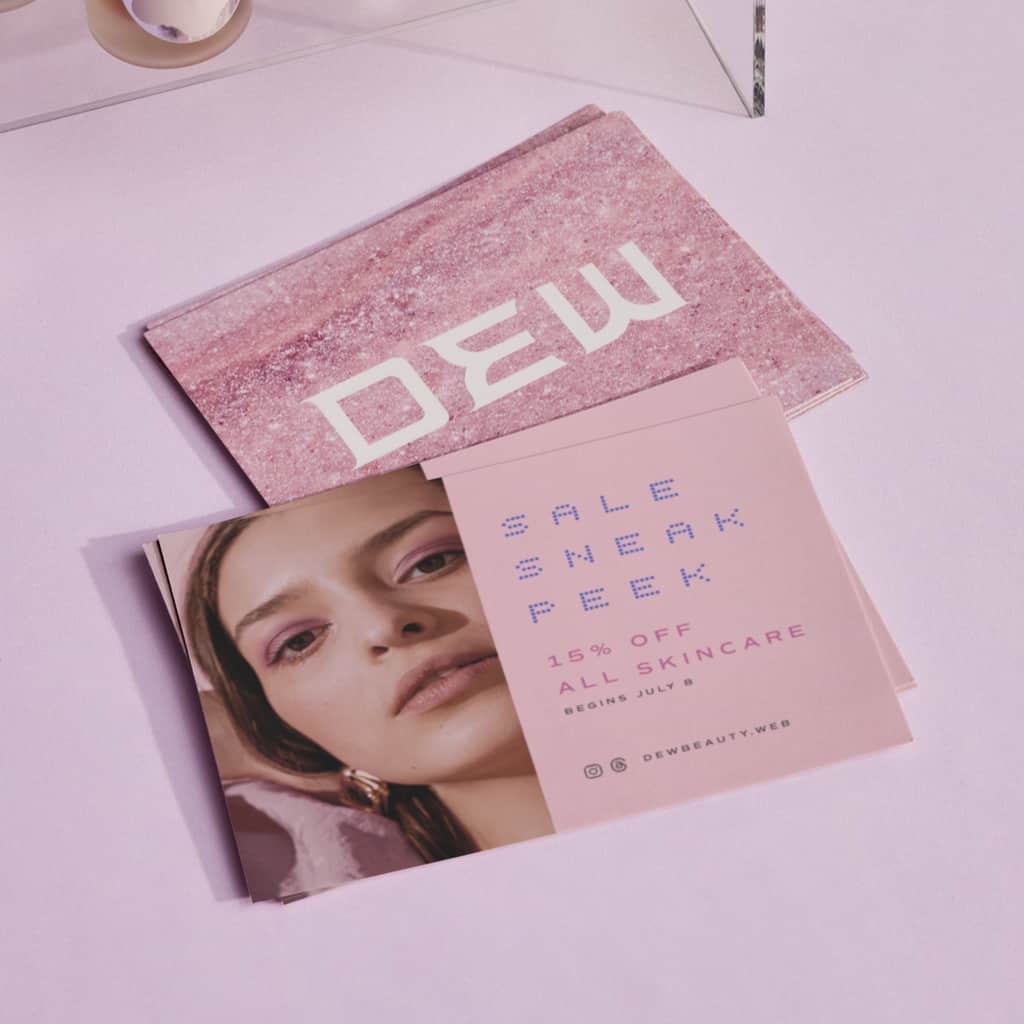
21. Do you have examples of logos you love or hate?
Before your meeting, collect examples of logos you love and those you hate. Scroll through Pinterest, Instagram and brands you admire. Even if you can’t articulate why you like something, having visual examples gives your designer a clearer sense of your taste and preferences.
If you’re curious about how some of the world’s most iconic logos came to be, read our article on the history of logos.
22. What is your budget and preferred timeline?
Be upfront about what you can afford and when you need the final logo design by. Good designers appreciate transparency. If you’ve got a tight budget, say so. If you need it quickly for a product launch, explain that too. Clear communication about cost and timing prevents awkward misunderstandings and keeps the project on track.
Start asking the right logo questions
Asking the right logo questions means making confident decisions and collaborating smoothly with your designer. You don’t need to have all the answers figured out before the first meeting. Curiosity and clarity go a long way. Your designer wants to work with a client who is engaged and asking thoughtful questions – it makes their job easier, too.
Experimenting with styles and good ideas using the VistaPrint Logomaker before you even sit down with a designer is a simple way to work out what resonates with your brand and show up to that first meeting with a clearer sense of direction.
FAQs
How much does a logo design typically cost?
Logo design costs vary. A freelance graphic designer might charge anywhere from $500 to $5,000, while a design agency could charge $10,000 or more. DIY options like the free VistaPrint Logomaker are much more budget-friendly if you’re just starting out. The key is finding the right fit for your budget.
Can I design my own logo without a designer?
Absolutely. If you’re on a tight budget or want complete creative control, AI logo makers help you create a professional-looking logo yourself. You won’t get the expertise of a designer or a custom logo design, but for many small businesses, a DIY logo is a practical starting point that you can always refine later as your business grows.
Do I own the rights to my logo?
Not always, and this is crucial to clarify upfront. Some designers retain copyright unless you specifically pay for full ownership (often called a “buyout”). Make sure your contract states that you own all rights to the final logo design, so you can use it however you want without restrictions.
Should I trademark my logo?
It depends on your business and industry. If you’re in a competitive space or planning significant growth, trademarking early protects you. But if you’re a local service business with limited competition, you might hold off. Trademarking isn’t cheap (around $250-$750), so weigh the investment against risk.
What’s the difference between a logo refresh and a rebrand?
A logo refresh means updating your existing logo to feel more modern while keeping the core brand identity recognizable, such as tweaking fonts, simplifying shapes or updating colors. A rebrand is starting from scratch with a completely new logo and brand identity. A refresh or rebrand is necessary when pivoting to a different market or audience.


