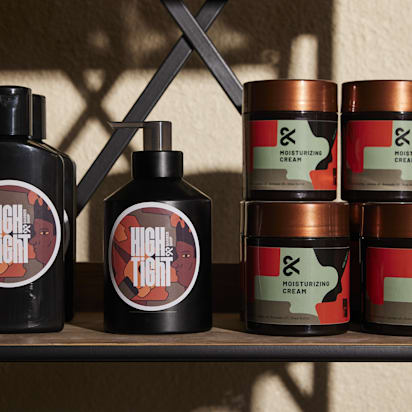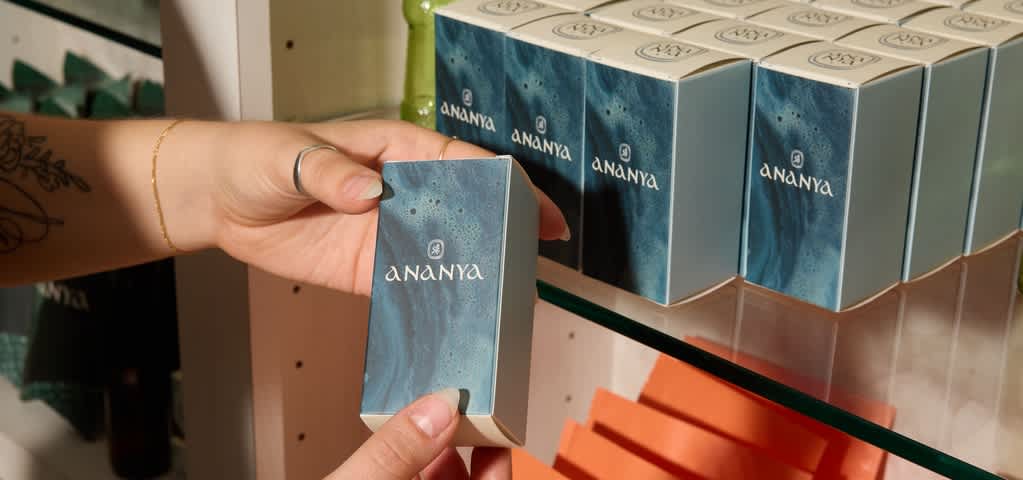
Your product has landed in a local shop. Now it needs to catch a shopper’s eye, explain its appeal and earn a spot in their basket. That’s a lot to ask of a lip balm or handmade chocolate bar. The right retail display packaging gives it a helping hand.
Choose your display by matching the store’s available space and rules to your product’s packaged dimensions, weight and buying appeal. Then build a design that makes shopping easy and keeps setup, restocking and seasonal updates affordable.
Think of custom retail display packaging as your brand’s silent salesperson. A compact counter display can introduce your products at checkout, while a shelf-ready tray keeps your range together in a busy aisle. In this guide, we’ll compare the main formats, map products to store locations and explore 2026 design trends. You’ll also learn how to approach your first stockist and refresh seasonal messaging without replacing the whole display.
- Match retail display packaging to the retailer’s space, your product dimensions and the loaded display’s weight.
- Use small initial orders to test physical retail without tying up too much cash.
- Match point-of-sale packaging to shopper intent, using price as a guide.
- Explore tactile finishes, useful QR experiences and right-sized structures for 2026.
- Keep a durable display base and swap seasonal headers to control costs.
Understanding retail display packaging formats
Retail display packaging holds and presents products for sale on counters, shelves or dedicated store displays. Some formats also protect products in transit, allowing the shipping container to become the display with minimal unpacking.
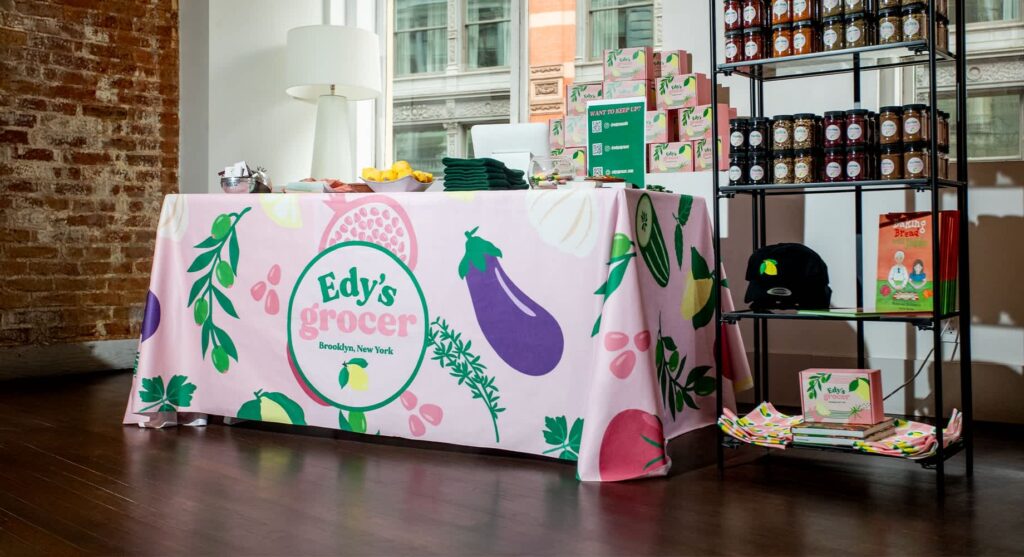
The main types are counter display boxes, shelf-ready packaging, floor stands and hanging displays.
Counter display units
Counter display units sit on checkout counters or service desks. They keep small products within reach while shoppers wait to pay, encouraging quick add-on purchases.
Lip balms, travel-sized cosmetics, gift cards and packaged snacks are good candidates. Give shoppers one clear reason to pick something up, such as “Pocket-sized comfort” or “A little thank-you gift.” Keep the product and price easy to see.
Shelf-ready packaging
Shelf-ready packaging, also called retail-ready packaging, is secondary packaging that goes directly onto the shelf without staff unpacking each individual item. A removable lid or tear-away panel turns the carton into a tidy product tray.
It helps stockists replenish shelves quickly and keeps small boxes or pouches together. Keep product names visible and make items easy to remove.
Floor stands
Floor stands are freestanding point-of-purchase displays used in approved aisle, entrance or endcap spaces. They give seasonal collections and multi-product ranges a dedicated brand presence.
They need more room and stronger structural support than countertop trays. Confirm the space with the stockist and weigh potential sales against production and delivery costs. Check each shelf’s load limit before ordering.
Pegboard and hanging displays
Hanging displays use hooks or wall grids to present carded accessories, small tools and lightweight pouches. They save counter space and work well where shoppers browse a category vertically.
Check the retailer’s hook dimensions and spacing before choosing a hanging hole. The card must support the product’s weight without tearing.
The DTC-to-retail bridge strategy: Securing your first store stockist
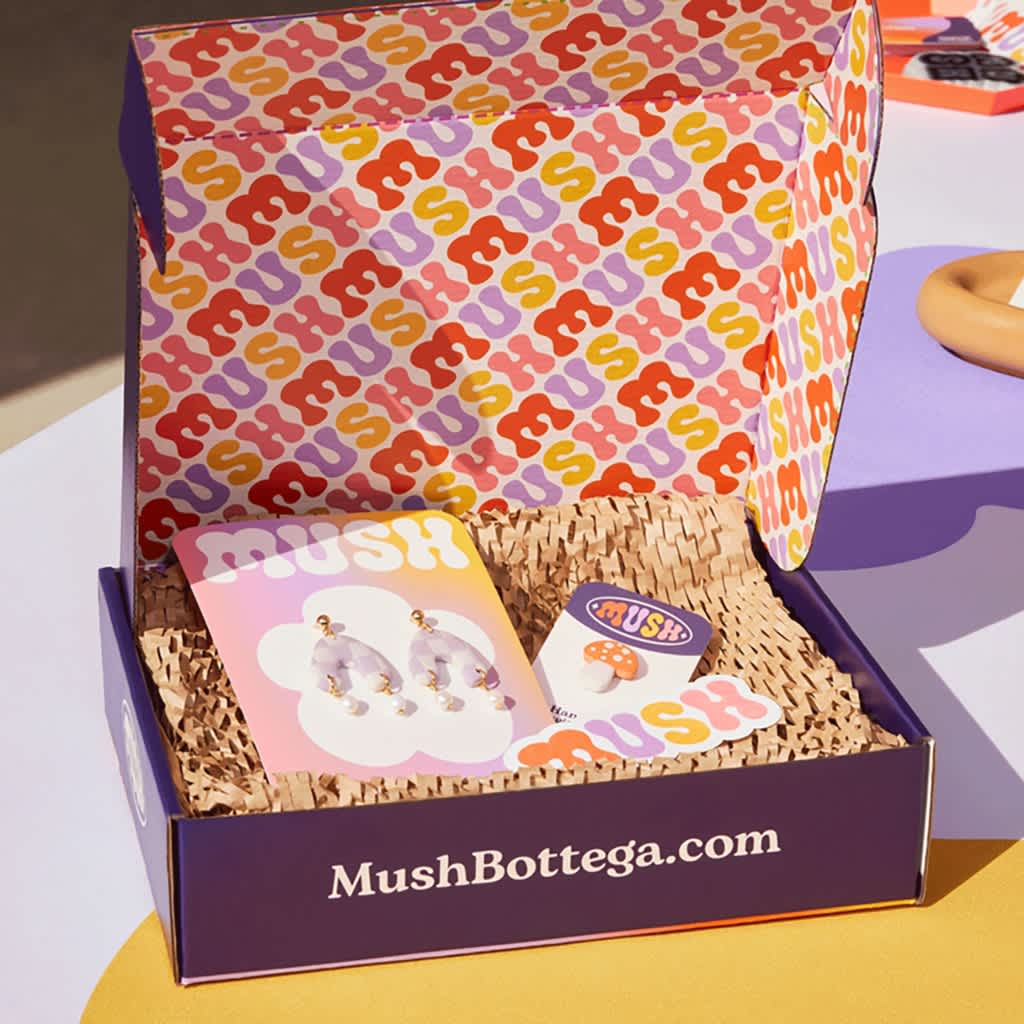
Moving from direct-to-consumer (DTC) sales into stores means designing for two audiences: shoppers and the staff stocking your products. A useful starter kit combines retail-ready products, a compact display and simple setup instructions.
Choose a stockist that fits your product
A busy store is helpful, but the right customers and workable trading arrangements matter just as much. Before pitching, check:
- Customer fit: Does the shop attract people who already buy products like yours?
- Price fit: Does your suggested retail price sit comfortably alongside its existing range?
- Space fit: Is there an approved counter, shelf or hook location for your display?
- Operational fit: Can your wholesale margin, reorder quantities and delivery timing support the relationship?
Visit the shop to see similar products and ask what slows down stocking. A tray that’s easy to open and refill can be a persuasive selling point.
Pitch a small, complete retail kit
Bring a sample display loaded with your products, plus a wholesale price sheet and reorder details. Seeing the whole setup helps buyers picture it in their store.
Look for low minimum order quantities (MOQs) that suit a pilot with a few boutiques. Compare total launch costs, including setup charges, printing and delivery. A cheaper unit price won’t help if most of the order stays in your garage.
VistaPrint’s custom product boxes include sample options and low minimums on selected formats. Check your chosen product’s quantities, then coordinate boxed goods and display trays with branded labels or stickers.

Keep recognizable elements from your online packaging, but move the main selling message onto the surface shoppers will see. Your package marketing should still feel like your brand, even when the unboxing moment becomes a shelf encounter.
Retail store placement matrix: Matching product to real estate
Choose placement around how much thought a purchase needs. Easily understood products suit checkout, while items needing comparison or explanation often belong with their category.
The prices below are illustrative starting points, not retailer-wide rules. A $15 specialty product may sell better beside related goods than beside the register.
| Store zone | Example price range | Recommended format | Merchandising goal |
| Checkout counter | Under $20 | Compact counter display box | Encourage a quick add-on purchase |
| Aisle endcap | $20-$60 | Approved floor stand or promotional display | Highlight seasonal products and bundles |
| Standard shelf | $15-$40, or the category’s usual range | Shelf-ready packaging tray | Keep products grouped for comparison and easy restocking |
| Wall pegboard | Under $25 | Hanging card or pouch | Use vertical space for lightweight products |
Match your message to the location. Checkout needs a quick hook and a visible price. A shelf display should make flavor, size or product differences easy to compare. Branded stickers let you adapt messaging across stockists without redesigning every base.
Confirm sizing and load limits
Get the retailer’s maximum external width, depth and height, including the header and loaded products. Also confirm shelf clearance, weight limits and any restrictions around registers, sightlines or walkways.
For a counter pitch, a footprint under 12 × 12 inches can be a useful starting proposal. It isn’t a universal store standard. If the buyer offers a 10 × 8-inch space, design to that smaller allowance and keep payment equipment accessible.
Measure products in their finished packaging. Allow enough internal space for shoppers to lift them out, and distinguish internal tray measurements from external display dimensions when ordering.
Ask the supplier about board grade and tested load capacity. For example, 32 ECT describes corrugated board’s edge-crush resistance of 32 pounds of force per linear inch. It does not mean the finished display safely holds 32 pounds. Structure, shelf spans and reinforcement affect performance.
Test a loaded prototype through delivery and repeated product removal before approving production. A display should stay stable as it empties, too.
2026 retail display packaging design trends
Three useful retail packaging design trends for 2026 are tactile simplicity, connected experiences and packaging that uses less material. Adapt them to your brand, keeping product visibility at the center.
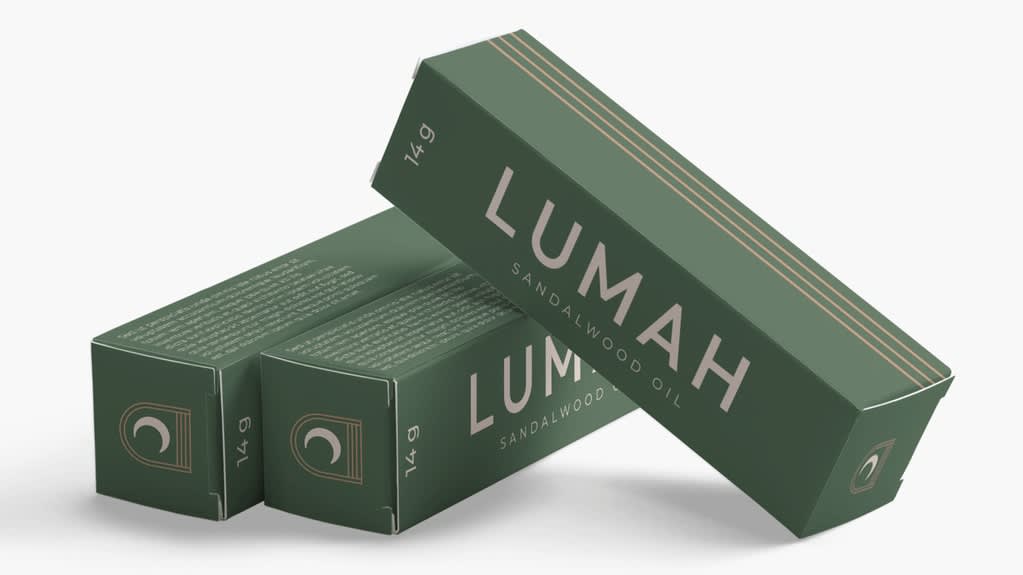
Tactile minimalism and deep earth tones
Tactile minimalism combines uncluttered graphics with surfaces that feel considered. VistaPrint’s 2026 packaging trend report highlights textured, handmade effects, earthy palettes and uncoated stock as part of its “Imprinted” direction.
Try forest green, chocolate brown or terracotta alongside clean typography and visible board texture. These combinations can suit boutique skincare, artisan food and home fragrance brands. Keep strong contrast so the product name remains readable under store lighting.
A restrained header, a clear benefit and well-chosen stock can create a cohesive look. Check ink colors on a printed sample before ordering.
Digital interactive engagement
QR codes connect shoppers with useful information. Place one on an accessible front or side panel and explain what scanning offers.
Link to a tutorial, an ingredient sourcing story or a gallery of customer creations. Invite buyers to share their own photos through a user-generated content campaign. A QR link can also open a web-based augmented reality experience, such as previewing a decorative item at home.
Keep the destination mobile-friendly and focused. Link your candle to its scent story or care advice. Coordinate promotions with the stockist to support the store purchase.
VistaPrint’s design editor includes a QR code generator for supported print products. You can also use QR stickers to trial content before committing it to display artwork.
Use dark code squares on a light background and leave a clear margin at least four modules wide on every side. A module is one small square in the code. For close-up browsing, try a code about 1 inch wide, plus its clear margin, as a starting point. Keep it away from folds and test the finished print on several phones at the intended scanning distance.
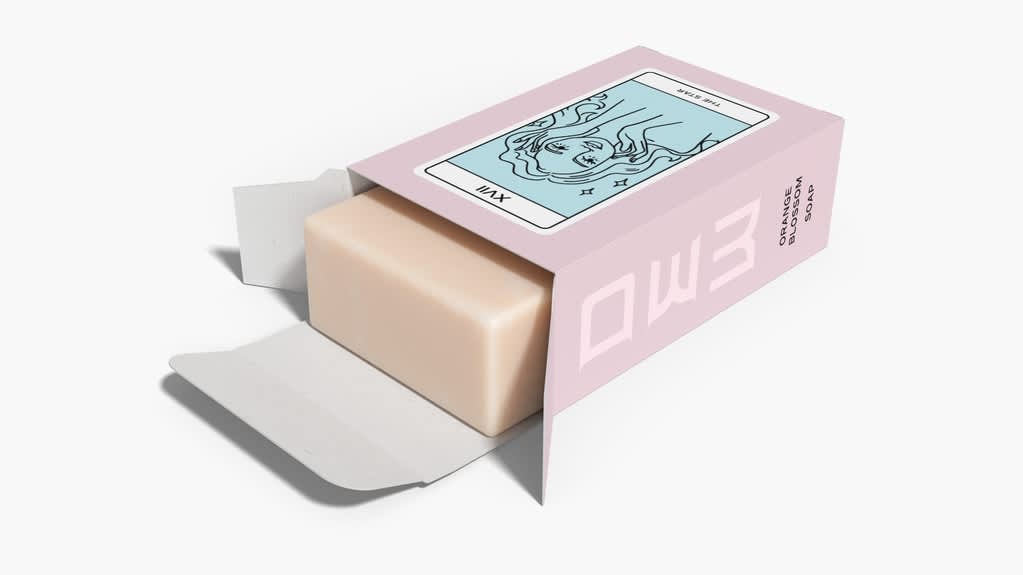
Right-sizing and thoughtful materials
Right-sizing means using the smallest structure that safely protects and presents your products. Trim unused space and replace unnecessary plastic trays or foam with suitable corrugated dividers.
Ask about recycled-content board and recycling compatibility, checking coatings and attached components before making environmental claims. The display must still survive shipping and everyday handling.
For seasonal inspiration that works alongside these choices, browse packaging ideas for promotional campaigns.
Modular and reusable header economics: Adapting trends on a budget
A modular display keeps the structural base and replaces the promotional parts. It lets you update seasonal messaging without paying to remake a serviceable display.
Choose a durable base with evergreen branding, then add a removable header using slots or another secure attachment. Keep the header dimensions consistent so each replacement fits. Holiday gift messaging, a new flavor or a limited-time offer can all use the same structure.
The savings depend on your supplier’s quote. As an illustration, suppose a complete display costs $10 and a replacement header costs $2. Across four campaigns, replacing the whole display each time costs $40 per store. Buying one base and three replacement headers costs $16, saving $24 before shipping, setup fees and taxes.
Compare the full costs, including staff time to change headers and any worn bases that need replacing. Corrugated displays have a useful lifespan, so plan for repairs or replacement when corners soften or shelves sag.
VistaPrint hang tags, packaging stickers and printed cards can support seasonal updates. Check stock thickness and attachment compatibility before using a card as a structural header. Label campaign materials and send staff a placement photo.
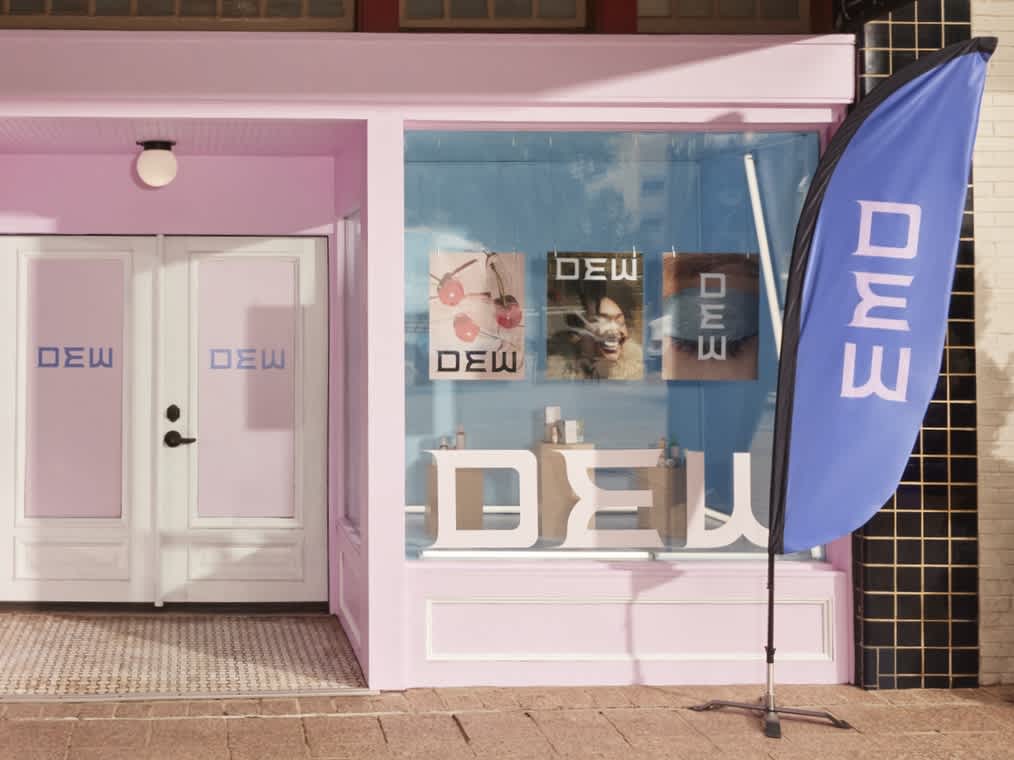
Building your store-ready packaging plan
Start with one product range, one suitable stockist and a display you can test in the actual space. Confirm the dimensions and load requirements, then make the product, price and main benefit easy to find.
Once the structure works, add the details that suit your brand: tactile materials, a useful QR experience or a seasonal header. Keep what shoppers recognize and change the promotional parts as your range grows. A thoughtful display can earn its place through everyday usefulness as well as good looks.
Retail display packaging FAQs
Do individually sold products need their own barcodes?
Confirm the stockist’s requirements before printing. Products scanned individually need identification on each sellable unit. Under GS1 standards, distinct variants such as different sizes or flavors generally need separate product identifiers. A marketing QR code doesn’t automatically replace the retailer’s checkout barcode.
How can I tell whether a display is improving sales?
Track units sold per store per week and compare similar periods before and after installation. Record price changes, promotions and stockouts so you can interpret the results. Ask for shopper feedback and note damage or restocking problems. Strong sales with little upkeep are a useful sign that the display earns its space.
Should I offer testers or samples beside the display?
They can help shoppers evaluate products such as fragrances or lotions. Agree on the setup with the retailer, including who supplies replacements and manages cleanup. Give testers a clearly marked position so customers can distinguish them from sale stock. For food sampling, confirm the store’s procedures before bringing samples.
How should I handle products with expiration dates?
Design access so staff can rotate stock easily. Refill using a first-expiring, first-out approach, with the earliest dates available for purchase first. Keep date codes accessible for checks and agree on how often staff will inspect the range. Avoid mixing batches in ways that hide older products at the back.
Who pays for and owns the display?
Agree on this with the buyer before delivery. You might supply it free, include its cost in a starter order or lend a reusable fixture. Put ownership, replacement costs and the end-of-trial arrangements in writing. Clear expectations help both sides avoid surprises if the range moves or the partnership ends.