Branding may feel complicated, but the big idea is simple. Brand equity is the reputation-powered value that adds to what you sell. It’s why customers remember you, trust you and choose you over look-alikes.
In this article, we’ll explore what brand equity means, the benefits it can bring to your business, how to measure it, practical steps to build it and exactly how theories, like Aaker and Keller, translate into everyday tools. If you want your brand to be seen as head and shoulders above the rest, keep reading!
- Brand equity is the value a brand holds in the minds of consumers, beyond the actual product or service it offers.
- Strong brand equity boosts the perceived value of a business’s products or services, positively impacts profits, builds customer loyalty and gives a competitive edge.
- The two most popular models for understanding the key components of brand equity are David Aaker’s and Kevin Keller’s models.
- Evaluate brand awareness, brand loyalty, market share, financial metrics, brand associations and perceived quality to measure brand equity.
- Businesses need to boost brand awareness, build positive associations, improve perceived quality, position their brand effectively, increase customer loyalty and create brand resonance to build brand equity.
What is brand equity?
Brand equity is a way of evaluating how much a brand is worth in the eyes of its customers. Put simply, brand equity represents the perceived value of a brand. It lives in customers’ minds, whereas actual value is the financial worth of that equity. It’s the added value that well-known branding gives to a product or service, beyond the actual product itself.
Picture two identical products on a shelf – one with a name you know and trust and one without. Which one do you pick? The one you know. That’s brand equity at work. Think of it like a reputation score. The more people recognize, trust and feel good about your brand, the more valuable it becomes. It’s what makes you pick Nike over generic sneakers or Coca-Cola over unbranded supermarket soda.

But it’s not just about awareness, it’s about what people feel when they hear your brand name. Positive brand equity means customers are willing to pay a little more, instinctively think of your brand when searching for a product, remain loyal when new options pop up and even recommend you to their friends.
Examples of brand equity
We’ve already mentioned a couple of big names with strong brand equity, but let’s explore some other familiar examples to understand how brand equity plays out in the real world.
- Apple: Apple’s brand equity is legendary. With Apple products, customers aren’t just buying gadgets; they’re buying into a lifestyle. The perceived quality and brand loyalty mean people line up for hours (or even days) just to get their hands on the latest release and don’t think twice about paying premium prices to stay aligned with the brand.
- LEGO: What began as a simple toy brand has become a cultural icon. LEGO’s brand equity is anchored in creativity, nostalgia and quality. They’ve expanded beyond plastic building blocks into movies, video games and theme parks, all while maintaining a reputation for reliability. That trust means parents and kids choose LEGO, even when similar products are available at lower prices.
- Amazon: Amazon’s brand equity is grounded in convenience, fast delivery and vast product selection. They’ve created a brand that’s all about customer satisfaction and ease of use. That trust in the Amazon name is why so many turn to them first and why Amazon has been able to expand into nearly every retail category while keeping customers loyal.
Why is brand equity important to your business?
As seen from the real-life examples of globally recognized brands, strong brand equity makes businesses stand out in a crowded market and drives long-term success. Let’s break down why solid brand equity matters and the key benefits it can bring to your business.
Higher perceived value
When a brand has strong equity, its products or services are perceived as more valuable, regardless of production costs. Customers are willing to pay premium prices because they associate the brand with higher quality or status. That’s why people choose an Apple iPhone or a LEGO set – they trust the brand to deliver something extra that makes the higher price worth it.
Financial impact
The higher perceived value of products from brands with positive equity lets them charge more, directly impacting the bottom line. Beyond a business’s pricing strategy, a well-known brand also “speaks for itself” and influences the brand’s advertising needs. Brands with high equity depend less on day-to-day ads for direct sales. Instead, marketing resources can focus more on brand values than the product and they can be used over and over – sometimes for decades (think of the classic Coca-Cola Santa or Cadbury’s Easter rabbit auditions).
Customer loyalty
A positive brand reputation leads to greater trust, satisfaction and loyalty. Even when prices rise, customers who feel connected to your brand tend to stay. This results in repeat business from customers who choose your product because they believe in what your brand represents.
Competitive advantage
In a competitive market, strong brand equity can be the tipping point for customers. Even if your product is similar to others, effective brand positioning gives you a distinct advantage, keeping your brand relevant despite shifting trends and market changes.
Brand equity models: Aaker’s and Keller’s
Different experts have different takes on what brand equity involves and how to build it. Let’s explore two of the most popular models for understanding the key components of brand equity: David Aaker and Kevin Keller’s models.
Aaker’s brand equity model (what to build)
David Aaker’s model identifies four core components that contribute to brand equity.
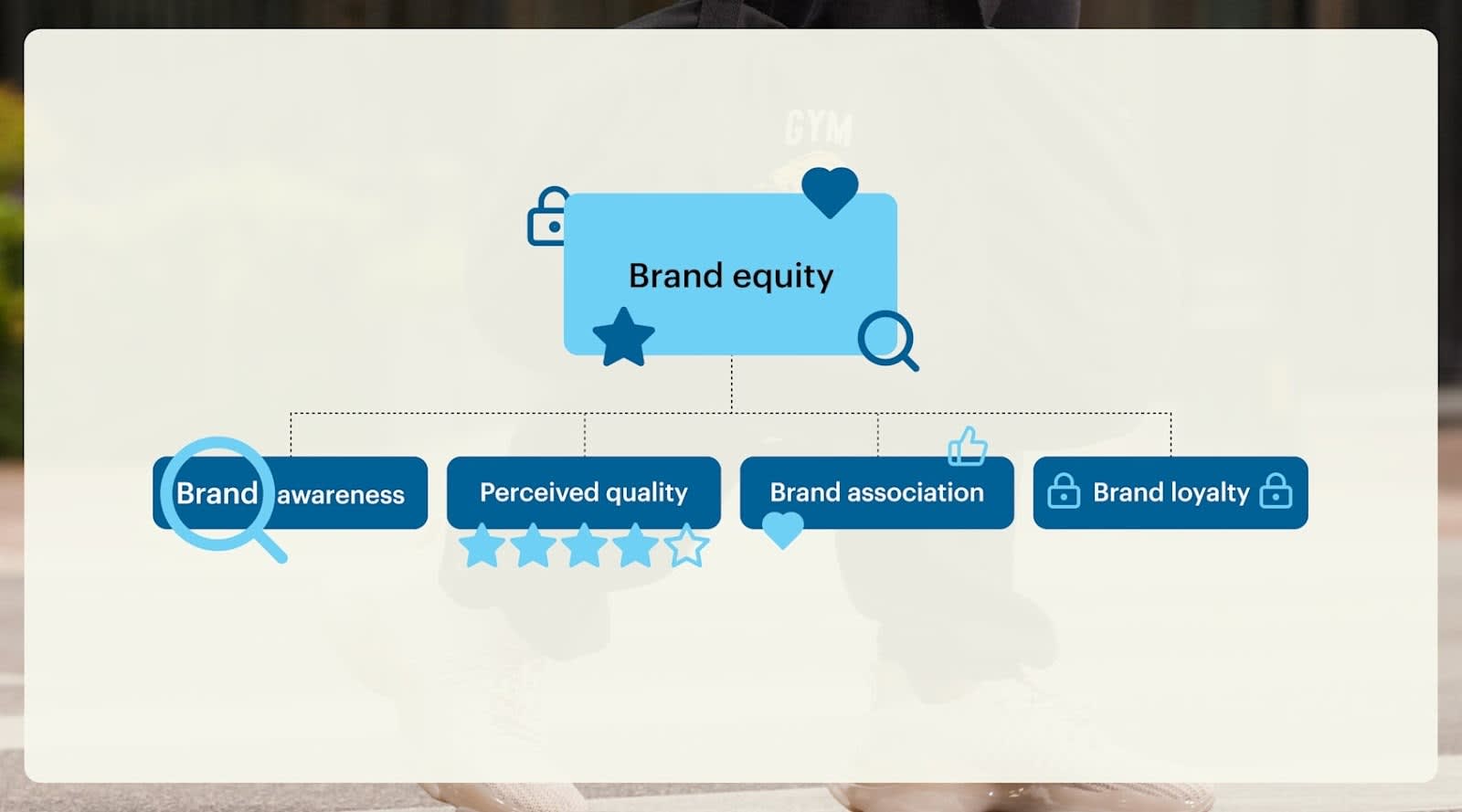
Brand awareness
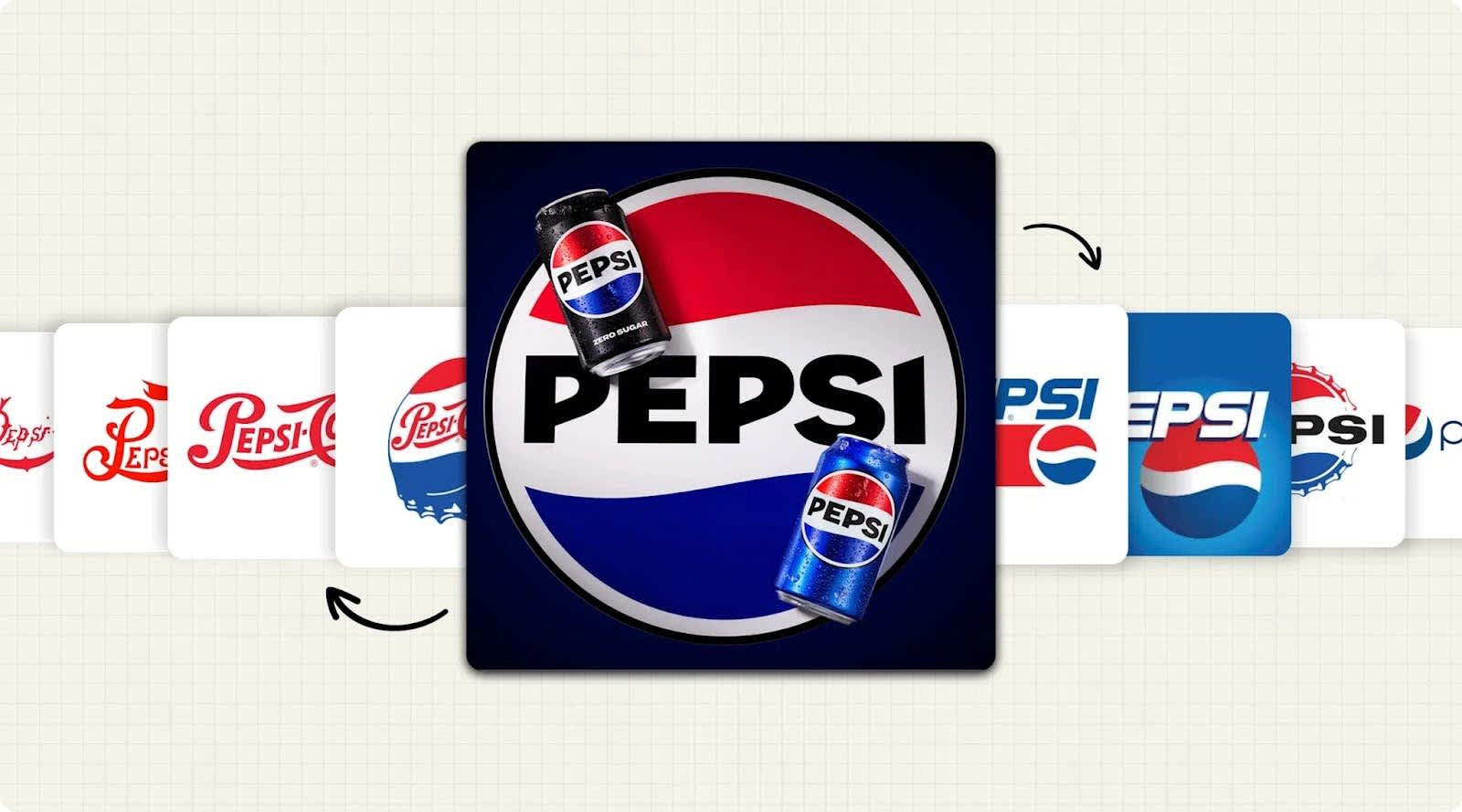
This is all about recognition. Do people know your brand exists? The more familiar your brand is, the easier it is to attract customers. Think of Pepsi – nearly everyone can recognize the Pepsi logo and its brand colors.
Brand loyalty
Loyal customers are the backbone of strong brand equity. It’s about repeat business and customers choosing your brand over competitors, time and again.
Perceived quality
Brand equity isn’t just about what your product is, but what people think it is. High perceived quality means customers view your product as top-tier, regardless of the competition. Apple is a master at this, with its reputation for design innovation.
Brand associations
These are the images, feelings and thoughts people associate with your brand. When someone thinks of your brand, what pops into their mind? For Nike, it’s motivation and performance. The more positive associations people make with your brand, the stronger your brand equity.
Keller’s customer-based brand equity model (how equity forms)
Kevin Keller’s model focuses on the customer’s perspective. He suggests that brand equity is all about building positive relationships and experiences.
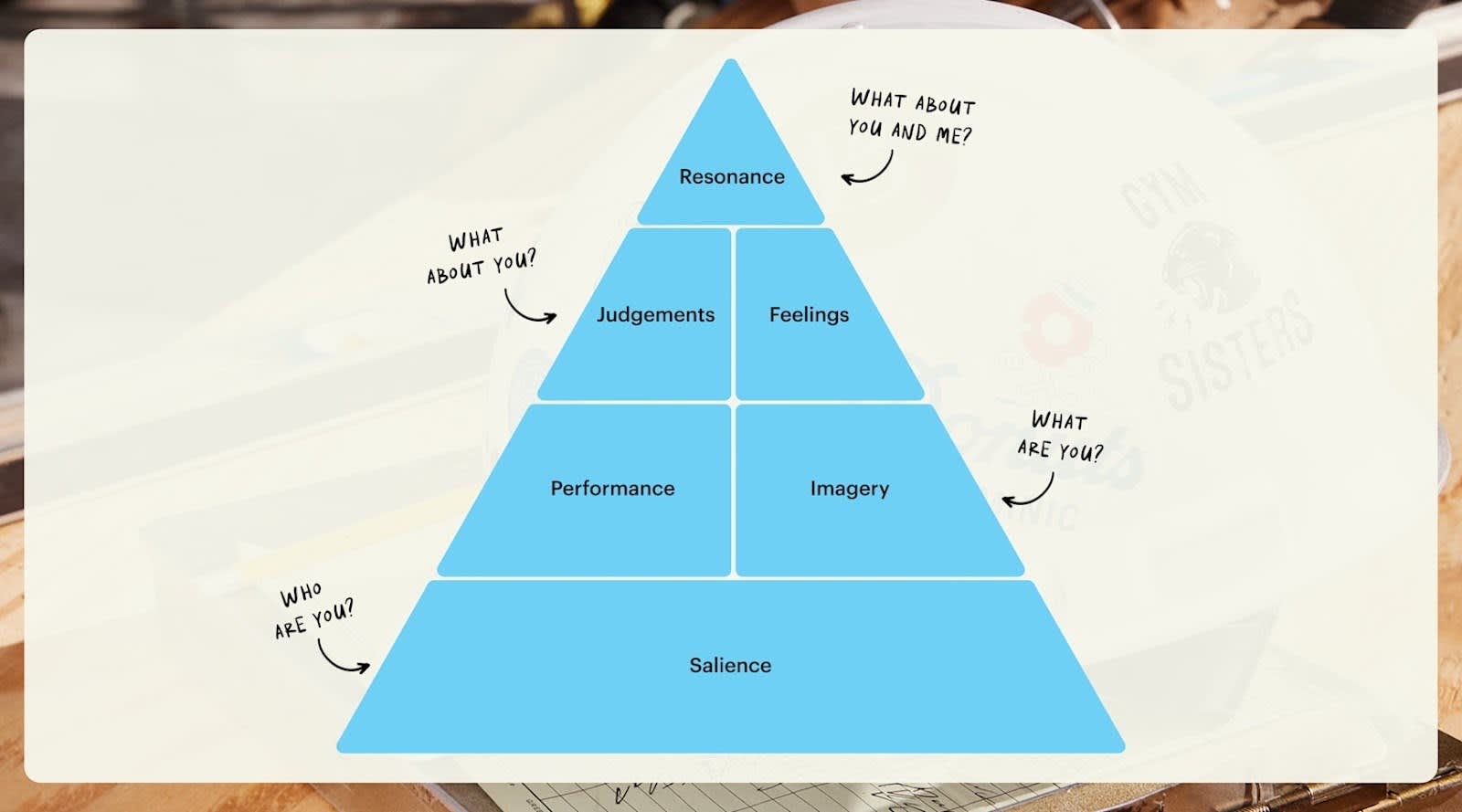
Keller breaks it down into four fundamental questions that lead to brand resonance – the ultimate goal of strong brand equity:
Who are you?
This is about brand identity – making sure your audience knows who you are.
Write a one-sentence brand positioning statement that clearly states who you are, who you serve and what makes you different. Use it consistently across your website, social profiles and sales decks.
“My best advice for anyone in the early stages of their journey is to sit down and pull together your mission statement. Because that one thing informs all of your decision making that comes after it. So, as long as you have that clearly defined for yourself, that really is why you should do it.”– Allan, Co-Founder of FRUITLOOTS
What are you?
This question tackles the meaning attached to your brand. What does your brand stand for? What does it offer?
List your top three to five brand attributes (e.g., reliable, innovative, friendly, premium) and top three customer benefits (what people actually gain from you). Use these to guide your messaging, visuals and product decisions.
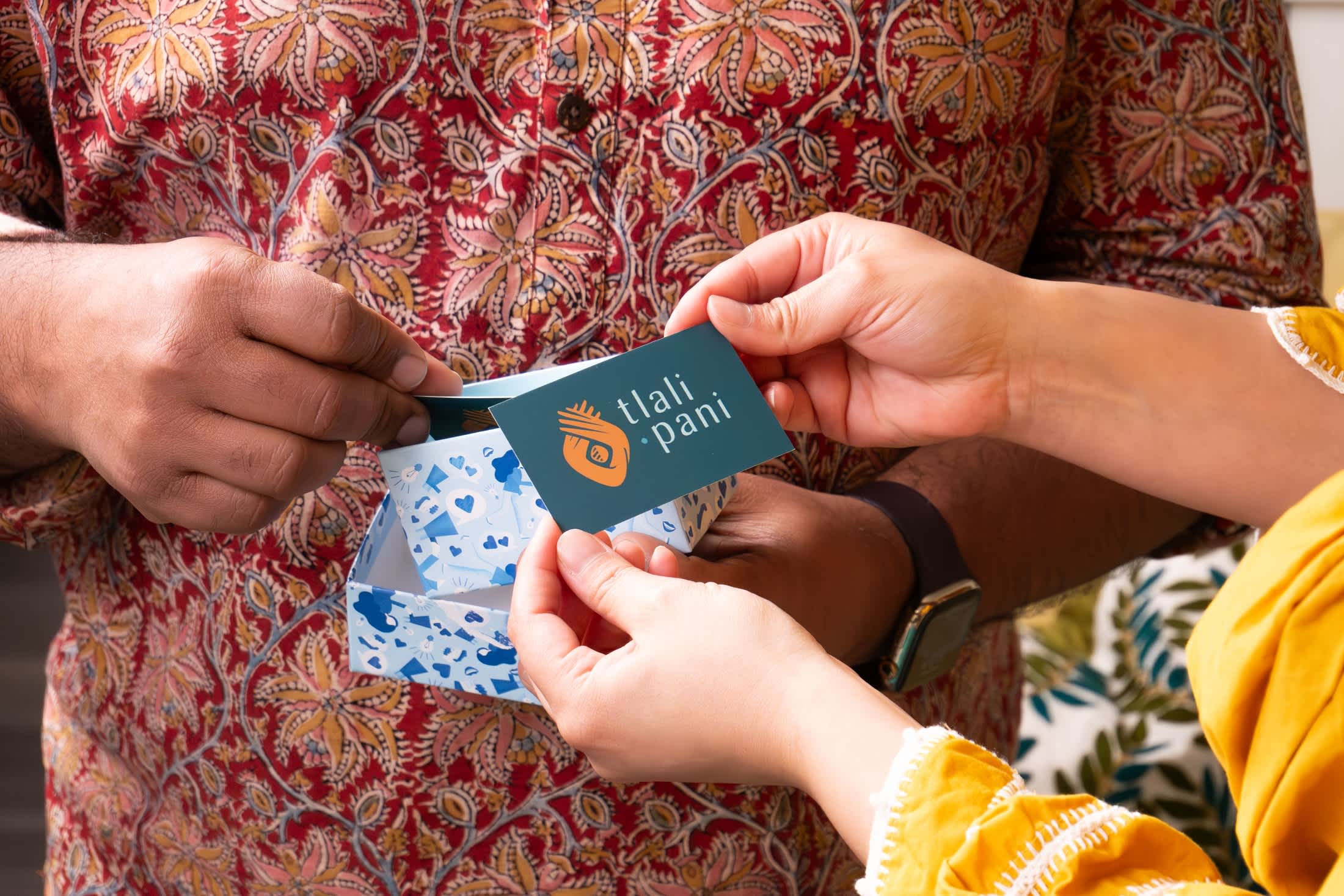
For example, Fabiola, CEO and co-founder of Tlali Pani, describes her company: “So our values are centred on women’s empowerment. We know that women have less access to resources in comparison to other groups. It’s also handcrafted products or handmade products. And really for the reason to reduce waste and consumption.”
What about you?
This is about how customers respond to your brand, their judgments and emotions. How do customers feel about your brand?
Set up one simple feedback loop (a short post-purchase survey or quarterly customer interviews) and one listening channel (social listening or review monitoring). Track recurring themes in how people describe you.
“When my customers receive my thank you note, they always comment on how beautiful and clear the image looks and how thick the paper is. And so I love that as an extension of my brand, I’m giving them a quality piece that they also are like, ‘Oh, this is an elevated brand, because this printed piece is elevated.’ So it really allows them to connect even further with my brand. It’s consistent,” says Karen, Founder and CEO of Kanda Chocolates.
What about you and me?
The final step is about building loyalty and connecting with your audience.
Design one simple initiative that encourages ongoing connection, such as a loyalty program, a members-only newsletter or a recurring community event/challenge. Make it easy to join and consistently promote it.
Mike, Co-Founder of WildFlora, does end-of-the-year gifting, for example: “I do client gifting at the end of the year, so we use postcards. I do a hand drawing, and we send it over and make it into postcards so we can send it out with our gift boxes to our clients.”
What’s the difference – and do they deliver the same result?
Aaker tells you what to strengthen (awareness, loyalty, perceived quality, associations). Keller shows how customers progress toward advocacy. Used together, they converge on the same outcome – durable equity – but from different angles: Aaker is a scorecard; Keller is a map.
The practical steps used below blend both models: Aaker provides the targets to improve each week, and Keller shapes the order of experience (from first impression to long-term relationship).
How to measure brand equity
Start lean. First, get your branding right. There are a number of budget-friendly brand strategies to help you get started. Then, try tracking what you can see without surveys or memberships:
- Ask “How did you hear about us?” at checkout, tally weekly.
- Count completed loyalty-card stamps.
- Watch review volume/ratings.
- Check branded searches for your name in Google Search Console.
A loyalty card, a review QR and a receipt footer are enough.
As you begin marketing, add a little structure: run a quarterly one-question net promoter score (NPS) or wider survey via QR/email. Pull repeat rate and average order value from your point of sale, compare branded search trends to campaigns and test a small price increase – steady volume signals equity.
When you’re established, connect perception to dollars: estimate local share, monitor sustained price premium vs. peers, track lifetime value and churn and skim reviews for recurring descriptors.

How to build brand equity
If you’ve measured your brand equity and the results aren’t what you hoped for, don’t worry – there are specific branding strategies you can use to strengthen brand awareness and perception. In a nutshell, improving brand equity involves evaluating where your brand stands, spotting areas that need work and taking action.
Step 1: Make your brand easy to notice and remember
Building brand awareness is the first step to strengthening your brand equity. It’s all about getting your name out there in a way that’s consistent and memorable.
Maintain brand consistency
Brand consistency builds familiarity. Use the same logos, color palette, fonts and packaging physically and online: on all platforms, your storefront sign, banners, business cards, labels and menus. This ensures your audience recognizes your brand quickly and easily. This uniformity creates a cohesive brand identity that sticks in people’s minds. As design trends evolve, make sure to adapt while staying true to your brand’s core aesthetic.
Leverage digital channels and content
Digital is king when it comes to spreading the word. Make the most of social media, Google My Business and local SEO to ensure your brand has a solid online presence. Create engaging, shareable content – whether it’s a behind-the-scenes video or a customer story, viral content can boost brand visibility in no time.

Engage with your audience
Engagement is about connecting directly with your customers. Positive interactions on social media, at events and during trade shows can make your brand more approachable. Respond to comments, share user-generated content and show your human side – these little actions can go a long way in building brand recognition and trust.

Use brand visibility tactics
Think outside the box to get your brand noticed. Consider running print ads, partnering with local events, sponsoring community causes or using promotional products to spread the word.
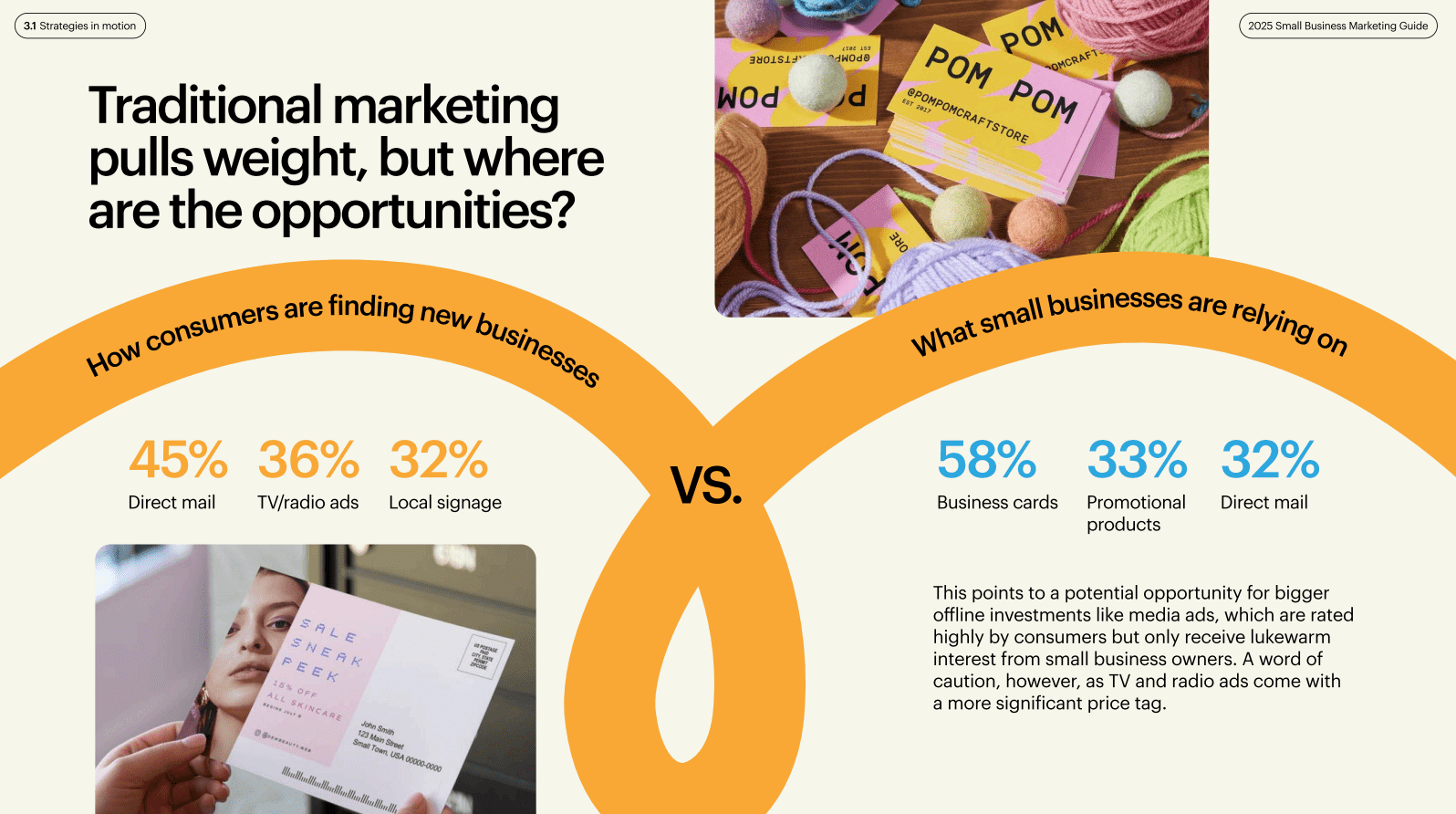
Read more in our Small Business Marketing Guide to find actionable strategies for promoting your busines.
Step 2: Build strong brand associations
Building strong brand associations means that when people think of your brand, they think of the good stuff. It’s about crafting a personality, telling your story and creating positive associations that stick in customers’ minds.
Create a strong brand personality
Start by defining your brand personality. Think about how you want your brand to be seen – maybe friendly, professional, bold or quirky? Identify traits that resonate with your target audience and weave them consistently into your brand messaging and visual identity.
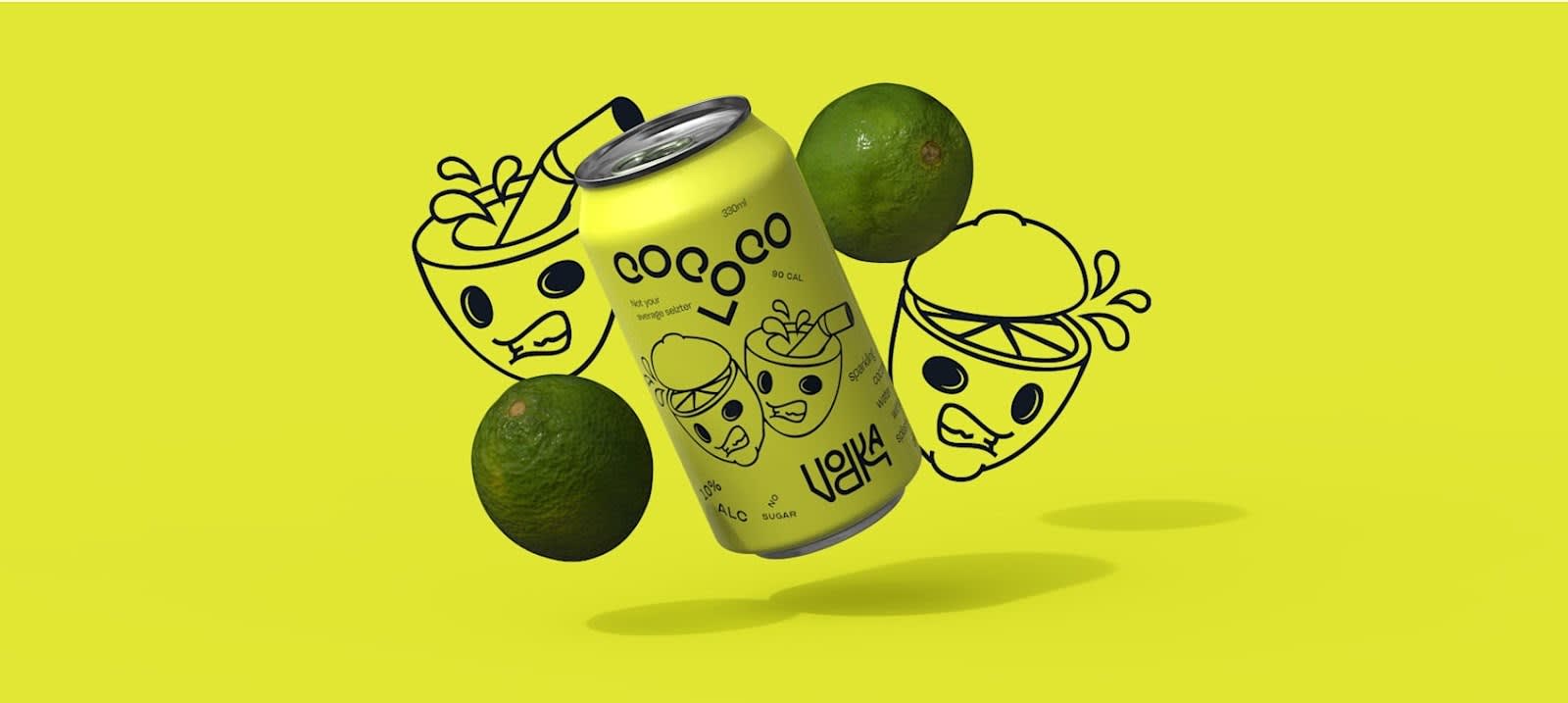
Source: Brand identity for a canned cocktail brand by goopanic via 99designs by Vista
Tell your story
Storytelling is a powerful way to create emotional connections and lasting associations. Share your story, your values, your mission and the journey that got you here. Stories humanize brands, making them relatable and easier for customers to connect with.
Show you care about more than just profits by demonstrating your commitment to social responsibility, sustainability or ethical practices. Highlight your efforts in these areas – whether through sustainable packaging, fair-trade sourcing or supporting local charities – to set your brand apart. Customers are more likely to develop positive associations if they see that your brand aligns with their values.
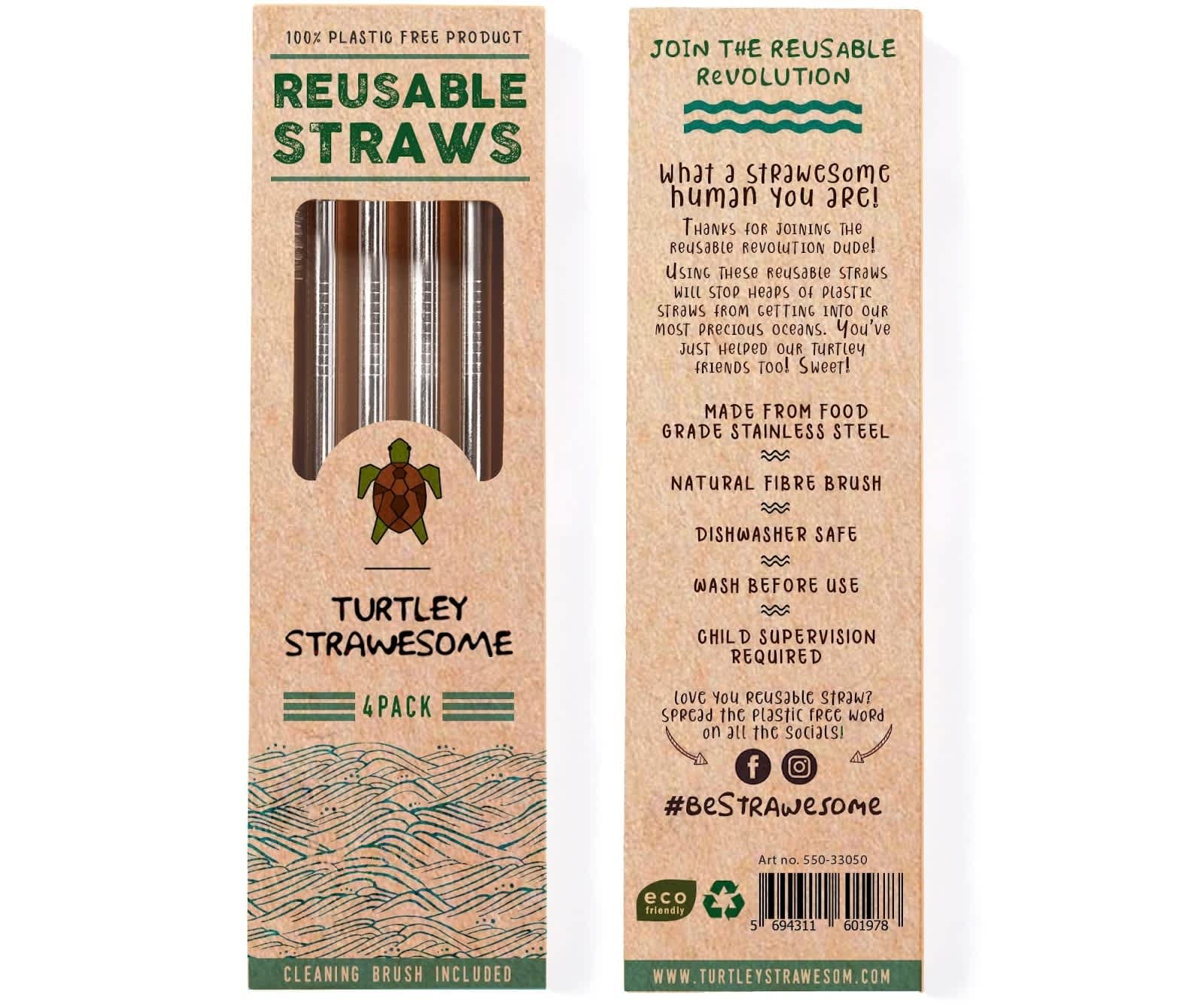
Source: Eco-friendly packaging design for reusable straws by bow wow wow via 99designs by Vista
Form positive collaborations
Partner with like-minded businesses, celebrities or influencers that your target audience respects and admires. This creates a halo effect, where customers associate your brand with the positive values and qualities of your collaborators.
Step 3: Enhance perceived quality
73% of consumers say product quality keeps them coming back, according to Vista’s 2025 Small Business Marketing Guide. And people judge quality before they ever try the product.
Small tactile upgrades like heavier card stock, crisp printing, clean label application, legible typography and tidy packaging raise perceived quality immediately. Use a short checklist for every order or service (what must be spotless, on time and double-checked), and let customers see that care with a “packed by” card. Invite feedback with a QR code to review, and respond quickly; public responses reinforce reliability.
Step 4: Position your brand consistently
Positioning your brand consistently means staying true to your core values, keeping your product benefits clear and clarifying your place in the market. Assert your unique selling propositions (USPs) across all platforms, so that your audience knows exactly what sets you apart. Define your market position clearly, so customers understand what your brand is – and isn’t – compared to the competition.
If this part still feels uneasy, it may be worth working through our guide to branding for small businesses.
Step 5: Foster brand loyalty and build relationships
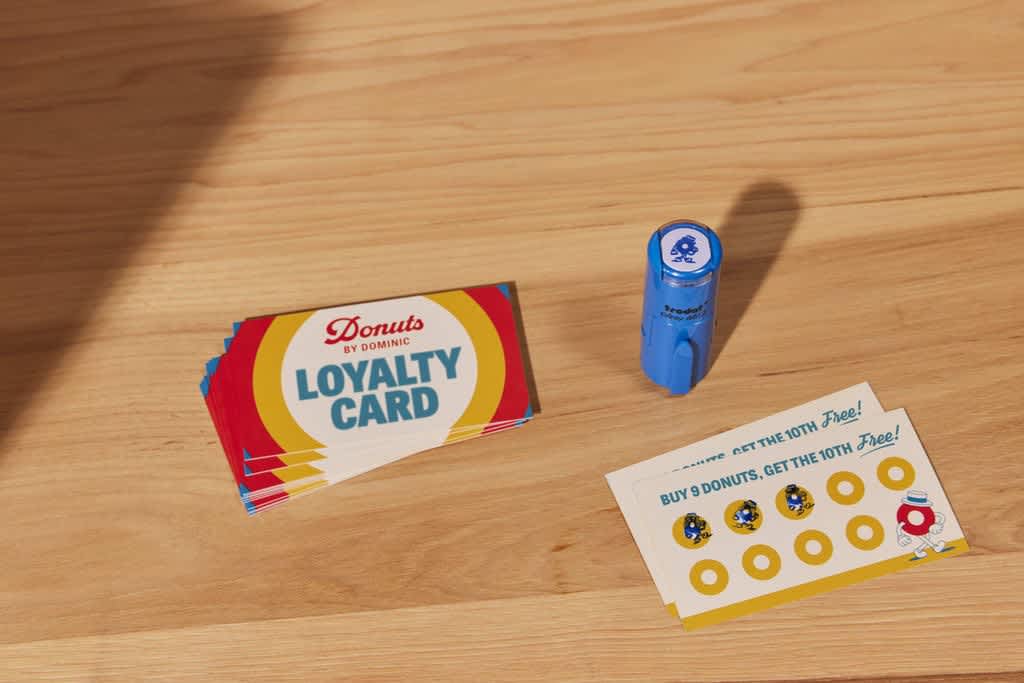
Recognition builds attachment. Greet regulars by name, remember preferences and make next time feel special. A simple stamped loyalty card, early-access postcards for new drops or a quarterly VIP email can be enough to create brand loyalty.
Keep it tangible and on-brand so it feels like a perk, not a coupon. Use your point of sale to notice repeat behavior and thank customers personally; a quick handwritten note tucked into an order can be the moment that turns satisfaction into advocacy.
Personalize your customer service to make interactions more memorable. Use customer data to tailor experiences – like personalized product recommendations (one of the latest marketing trends is to do so with AI), birthday discounts or follow-up emails to check satisfaction.
Step 6: Aim for brand resonance
Advocacy grows when you make sharing effortless and belonging obvious. Include referral cards in bags and mailers so happy customers can invite a friend. Host small, regular moments – a tasting hour, maker demo or member night – and capture photos (with permission) to share online, matching your printed look. Start a private social group or newsletter where you preview new items and ask for input; being asked is a powerful loyalty signal. This is Keller’s “resonance” stage in action: customers move from liking you to identifying with you.

Dos and don’ts of visual branding
Do:
- Keep your logo, two colors and one font consistent across every printed and digital item.
- Choose paper and finishes that match your price point – better materials subtly elevate perceived quality.
- Make your core promise visible on signs, menus and cards.
Don’t:
- Rotate looks every month.
- Cram too much text into small spaces.
- Let print and digital styles drift apart.
Start working on your brand equity today
Establishing strong brand equity is a high effort, high-reward process, demanding careful attention to every component. But when done right, brand equity can drive your business to new heights, turning a product or service into a brand that people love, trust, pay a premium for and recommend to others.
By focusing on the right strategies – boosting brand awareness, building positive associations and fostering loyalty – you can create a brand that stands out in a crowded market. The best time to start? Now! Don’t wait for brand equity to grow on its own – start building it today. Every step you take brings you closer to a brand that not only attracts customers but keeps them coming back.