Choosing a logo is one of the quickest ways to shape how people see your business. A strong mark boosts credibility, strengthens your brand identity and sets you up for growth long before you launch your first campaign. When you understand how to choose a logo with purpose – not just creativity – the whole process becomes far easier.
This guide walks you through a practical, strategic approach to logo design. You’ll learn how to connect your logo to your story, understand what your audience expects, review your industry and competitors and make choices that stay relevant as your business grows. By the end, you’ll have a clear step-by-step path to creating a logo that feels intentional, memorable and aligned with your goals.
- Choosing the right logo matters because it shapes first impressions, supports brand identity and helps your business stand out.
- The best logos are simple, memorable, versatile and aligned with your audience and industry.
- To choose a logo, define your story, research your field, study competitors, understand your audience and select colors and typography that reflect your brand.
- Once you’ve chosen a logo, test it across all applications and protect it with proper file management and trademark registration.
- To design a logo, use reliable logo design software or work with a professional who can create a polished, scalable result.
Why choosing the right logo matters
Choosing a logo is a key step in shaping your brand identity. It guides how people judge your business in seconds and becomes the visual cue they see across every touchpoint. A strong logo design helps build recognition, trust and long-term growth, which makes this choice more important than it might seem at first glance.
- It’s your first impression. Your logo is usually the first thing people notice on your website, storefront or business card. Since about 90% of people remember visuals better than text, that quick glance plays a big role in how they judge your brand.
- It defines your brand identity. A logo acts as shorthand for your story and values. Roughly 75% of consumers connect a logo directly to the business behind it, so the right design helps customers understand who you are without much explanation.
- It builds trust and credibility. A clean, professional logo signals that you take your business seriously. Studies show that strong presentation can raise consumer confidence by around 75%, which is especially helpful for small businesses trying to compete with bigger brands. A study by VistaPrint found that 3 out of 5 US customers choose not to buy from companies if their logo looks strange or unappealing, no matter how good the reviews might be.
- It creates recognition. People return to brands they recognize, and about half of consumers are more likely to buy from a business they already know. A consistent logo helps you build that familiarity faster.
- It differentiates you from competitors. In crowded markets, similar visuals can blend together. A distinct logo makes it easier for customers to pick you out instead of confusing you with a look-alike competitor.
- It supports brand consistency. Around 55% of businesses use their logo as the anchor for their entire visual system. A clear mark keeps your colors, fonts and layouts aligned across your website, social channels and packaging.
- It grows with your business. A flexible logo holds up as you expand into new products or audiences, saving you from costly rebrands that disrupt customer recognition.
What makes a good logo: The golden rules of logo design
Before you dig into how to choose a logo, it helps to know what separates a strong logo from one that fades into the background. Most successful logos follow a set of principles that have held up for decades, no matter the industry or style:
- Simplicity. Easy to read, recognize and reproduce.
- Memorability. Leaves a clear impression without trying too hard.
- Versatility. Works in every setting, from tiny icons to large signs.
- Relevance. Feels aligned with the business and the people it’s trying to reach.
You can see these fundamentals in action across some of the most recognizable logos in the world. Nike’s swoosh, FedEx’s hidden arrow and Apple’s silhouette look effortless, yet each one reflects careful decisions that keep the design clear, distinctive and adaptable.
While these examples come from global brands, the same principles are just as valuable for small businesses crafting their first logo. If you want to explore how these ideas play out at a larger scale – and gather inspiration you can apply to your own branding – the world’s most famous logos offer a helpful look at why these rules matter for businesses of any size.
How to choose a logo for your business step-by-step
Once you know the principles behind strong logo design, the next step is putting them into practice. A clear process helps you make intentional choices instead of rushing into visuals. Each stage builds on the last, guiding you toward a logo that represents your business, connects with your audience and works across every place it needs to appear.
Start with your business story
A logo should grow out of your brand’s foundation, so start by outlining what your business represents. Clarify your purpose, the tone you want to set and the qualities that make your approach different. These elements define the message your logo needs to convey.

Source: Logo design by Wooden Horse via 99designs by Vista

Source: Logo design by Arthean via 99designs by Vista
Consider:
- What your business stands for and why it exists
- The personality you bring to your work
- The emotional response you want to spark – trust, excitement, warmth or expertise
If you’re early in your journey and still shaping your brand identity, this is also a good time to look at your business name. Your logo and name should reinforce each other, so reviewing how to name your business can help you build a clearer direction before exploring visuals.

Source: Logo design by ludibes via 99designs by Vista
Research your industry
Once you have your story, zoom out and look at the design landscape around you. Every industry develops its own visual language, and understanding that language helps you make smarter choices.

Source: Logo design by artsigma via 99designs by Vista

Source: Logo design by ∴ S O P H I Ē ∴ via 99designs by Vista
Study your field to identify:
- Common logo design styles
- Color palettes that tend to show up
- Shapes, icons or visual cues customers associate with businesses like yours
- The overall tone competitors lean toward
For example, healthcare brands often use clean lines and calm colors, while construction companies gravitate toward sturdy shapes and strong type. Fashion and beauty brands lean lighter and more refined.

Source: Logo design by matanomira via 99designs by Vista

Source: Logo design by Thiago Lins via 99designs by Vista
From there, decide whether you want your logo to match those expectations or break from them to stand out. If you want additional inspiration, browse logo design ideas to see what’s trending in your space without copying it.
Study your competition
After mapping the broader industry, narrow your focus to the businesses customers might compare you with. Studying direct competitors helps you identify what they’re doing well and where you can set yourself apart.
Start by collecting their logos and noting color choices, typography styles and the types of logos they use – symbols, wordmarks or combinations.

Source: Logo design by kosta-xd via 99designs by Vista

Source: Logo design by FDS™ via 99designs by Vista
Pay attention to what each design communicates and how their choices make customers feel. Also look at the territory they already occupy. If everyone uses minimal typography, a handcrafted style could give you a distinctive edge. If most rely on bold blue icons, a warmer palette might create contrast without feeling out of place.
Remember, the point of this step isn’t to follow someone else’s playbook, but rather to see where you can claim your own space and communicate your strengths clearly.
Keep your audience in mind
When you choose a logo, your audience should guide the visual direction. After you understand your category and competitors, look closely at the people you want to attract. Consider what they value in a brand, the tone that feels familiar to them and how polished they expect a business like yours to appear.
Think about questions like:
- Do they respond to brands that feel formal, friendly, bold or understated?
- Are they looking for expertise, approachability or creativity?
- How important is modern design compared to tradition or warmth?

Source: B2B logo design by CostinLogopus via 99designs by Vista

Source: Logo design by Rocío Martín Osuna via 99designs by Vista
Different groups gravitate toward different styles. B2B clients often trust structured, professional marks, while family-focused audiences connect better with softer, more welcoming visuals. Younger consumers usually respond to energy and movement in a logo.
Your personal taste matters, but the most effective logos reflect what your customers are drawn to, not just what you like.
Choose colors and typography to match your brand identity
Once you have direction, start refining the details. Color and typography play major roles in how a brand feels, so this step is worth careful thought.
Colors
Select colors that reflect the tone and personality of your business, since color is often the first element people register in a logo. Choose one or two core colors that support your message and keep the design easy to recognize across different applications.

Source: Logo design by Shorttox™ via 99designs by Vista

Source: Logo design by -Alya- via 99designs by Vista
Don’t forget to test those colors on screens, printed materials and textured surfaces to make sure they stay clear and consistent. Some shades look great digitally but lose impact in print, and others shift noticeably when scaled down.
Check out our article about logo color meanings to gain a deeper understanding of what different hues communicate and how customers interpret them.
Typography
Source: Logo design by Yevhen Genome via 99designs by Vista
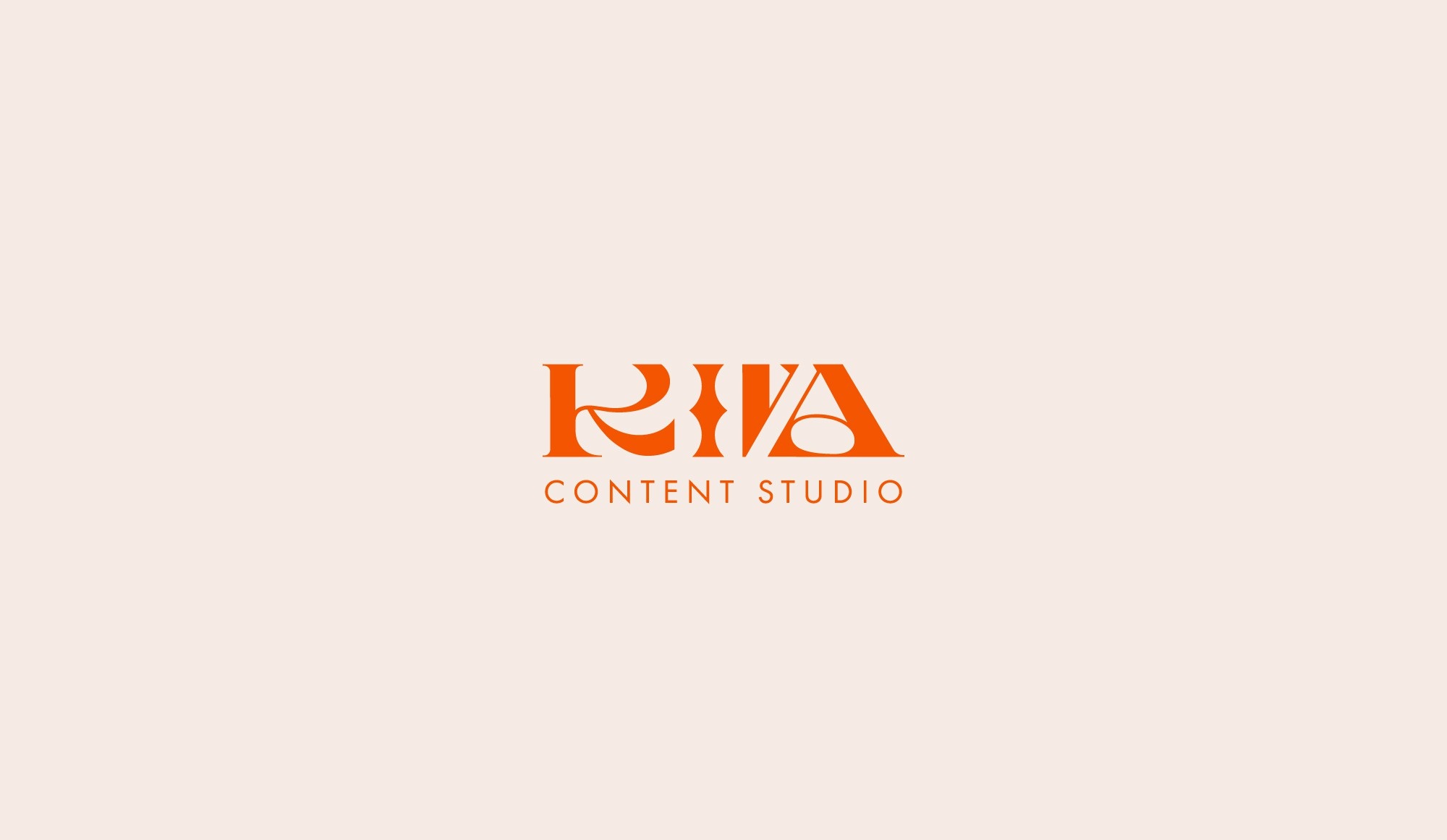
Your logo font should reflect your personality as clearly as your color palette. Consider how different styles shift your tone:
- Serif fonts feel traditional and trustworthy
- Sans-serif fonts read modern and clean
- Script fonts add a personal, creative touch

Source: Logo design by Superbram via 99designs by Vista
Avoid fonts that are hard to read or overly trendy, since both can limit how long your logo stays relevant.
Think about where your logo will appear
A logo should hold up everywhere your business shows up, so review how it behaves in real-world situations before you commit to it. Start by testing it on the channels you rely on most – your website, social profiles, business cards, packaging, store signage, uniforms and promotional materials.

Source: Brand identity by goopanic via 99designs by Vista
Pay attention to how the design scales:
- Small sizes: Check whether thin lines disappear, letterforms blur or details get lost on mobile screens or sticker-sized applications.
- Large formats: Make sure the logo doesn’t feel empty or awkward when stretched across banners, vehicles or storefronts.
- Black-and-white use: See if the design maintains its structure when color is removed for invoices, stamps or embroidery.

Source: Brand identity by goopanic via 99design by Vista

Source: Brand identity by goopanic via 99design by Vista

Source: Brand identity by goopanic via 99design by Vista

Source: Brand identity by goopanic via 99design by Vista
If your logo starts to lose clarity, balance or personality in any of these formats, adjust proportions, simplify shapes or refine line weights. A strong logo stays recognizable and readable no matter where it appears.
Plan for longevity
A logo should last through years of growth, not just the trends of the moment. When you compare options, look for designs that feel balanced, distinctive and steady enough to stay relevant as your business evolves. Avoid marks built around effects or styles that are likely to date quickly, like overly complex gradients or novelty fonts.
Learn about the current logo trends to see which styles are built to last and which are likely to fade.
Choose a logo that can adapt as you expand into new products, services or locations. A timeless design keeps your brand consistent and saves you from expensive redesigns as your business scales.
Collect feedback
Before you commit to a final logo, get input from people who genuinely reflect your target audience (not just friends or team members). Their first impressions reveal whether your design communicates what you intend.
Ask them questions such as:
- What does the logo make you think or feel at first glance?
- Does it come across as professional, trustworthy or memorable?
- Is anything confusing, hard to read or visually distracting?
Collect responses and look for patterns. Consistent feedback – positive or negative – tells you where the design is working and where it needs refinement.
To test your options effectively, try:
- Quick polls or A/B tests on social media to see which version resonates
- Printed mockups of business cards, packaging or signage to view the logo in real contexts
- Small adjustments to spacing, color or font weight if clarity or balance is off
Once your audience consistently responds the way you expect and the logo performs well across different uses, you can confidently move forward.
You’ve chosen your logo – now what?
Once you’ve nailed down the concept for your logo – the story, style and direction – it’s time to bring it to life and protect it as a core part of your brand identity.
Design your logo
With your direction set, it’s time to turn your concept into a finished design. There are two practical paths you can take, depending on your skills, budget and how polished you need the final result to be.
Create the logo design yourself
DIY tools are a great option if you want control and simplicity. A lot of logo design software let you:
- Experiment with shapes, symbols and layout
- Test different font pairings
- Adjust colors to match your brand identity
- Export files in the formats you need
If you’re new to the process, check out our guide on how to design a logo to learn the basics and avoid common pitfalls.
Work with a professional
If you want a custom logo or expect your brand to grow quickly, a designer can elevate your concept. They’ll refine proportions, sharpen the visual hierarchy and make sure your logo scales cleanly across every format. This route often leads to a more cohesive brand identity in the long run.
As you create or collaborate, keep returning to the foundation you’ve already established – your story, your audience and the message you want your brand identity to send. Once you have a version you feel confident in, test it on your website, social profiles, packaging and printed materials to confirm that it stays clear and consistent wherever it shows up.
Protect your business logo choice
After you finalize your logo, treat it like the business asset it is. A well-protected logo strengthens your brand’s identity and helps prevent issues down the road.
One of the most important steps is securing trademark protection. Registering your logo reduces the risk of others using something similar and gives your business stronger legal standing as you grow.
Next, organize your design files so you have everything you need for future branding work. Save:
- Vector files for print, signage and large-format projects
- High-resolution versions for web and digital use
- Your full style details – font names, color codes and alternate layouts your brand may need
Keeping these assets in order makes it easier to stay consistent and protects the integrity of your brand identity. It also saves you time and resources later, especially if you bring on partners, vendors or designers who need access to the correct files.
Ready to choose the best logo for your business?
Choosing a logo is ultimately about clarity, consistency and the connection you build with your audience. The design matters, of course, but it only works when the strategy beneath it is solid. Once you define what your business stands for and what your customers expect, the visual decisions fall into place.
For many small business owners, the challenge isn’t the lack of tools – it’s the lack of time. Turning ideas into a logo that feels intentional, distinctive and ready for every format takes focus, and most entrepreneurs already have plenty to juggle. If that sounds familiar, handing the work to a professional can be a smart move. A skilled designer can translate your story into a logo that looks good, scales well and supports your brand for years.
However you decide to create it, a thoughtful logo sets the tone for everything your business becomes. Take each step with intention and let your brand identity guide the way.