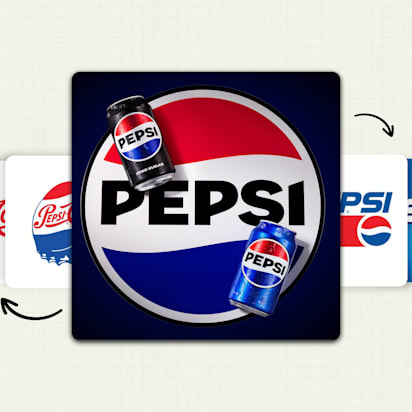
Your logo design brief tells designers what kind of logo to design, with all the necessary details and background information. Needless to say, your logo brief is a crucial first step towards the perfect logo for your brand. A strong brief is also essential when using AI logo tools because the quality of your prompt directly affects the quality of the output.
If you’ve never written a design brief, we’re here to help! A great brief reduces revisions, speeds up production and will ensure that your final logo works everywhere from digital platforms to printed products like business cards, signage and packaging. The better your design brief, the easier it will be for your designer to hit the mark. Read on, as we explain everything you need to prepare your logo design brief.
- A clear logo brief helps designers and AI tools understand your brand, audience and project goals so they can create a logo that matches your vision.
- The strongest briefs include brand personality, tone, audience demographics, competitive examples, color and typography preferences and what to avoid.
- Including deadlines, deliverables, file formats and usage details helps streamline the design process and avoids miscommunication between you and your designer.
- Good AI prompts should mirror a traditional brief – include tone words, style examples, color direction, symbols and where the logo will be used (especially for print).
- Providing inspiration like logos you like and dislike and outlining design dos and don’ts leads to better results and fewer revisions.
What is a logo design brief?
A logo design brief is a document containing all the significant details about your custom logo project. It’s written for a designer so they know precisely what kind of logo to make. This same information now helps AI-powered tools generate stronger concepts, as they rely heavily on the clarity of your prompt.
Logo briefs come in many different forms. Sometimes they’re just a compilation of notes and ideas; other times they contain minute details like specific color shades or rough sketches. The most important thing is that the point is conveyed clearly and all the information is there.
There are no requirements to how much or how little information a creative brief for logo design needs, but the more details you include, the closer the designer will come to your vision. Top-ranking templates recommend including brand personality, tone, competitive positioning, audience insights and usage details for the best results.
Learn why a strong logo is so valuable in our article on the importance of a logo.
How to write the perfect logo design brief
Below, we will go into all the information you need for a logo design brief. If you need a quick template or checklist, we’ve summarized this information into a copy-and-paste brief template toward the end of the article.
Share your business information
First and foremost, your logo design brief should include the fundamentals about your business. This includes the basics like the company name, industry, slogan and location, but there’s more to it than that.
A designer needs to understand how a company works, who they’re speaking to and what their values are. Insider details like manufacturing methods, where you source your products and materials, etc. help create a logo brief that best represents your brand.
For example, if you use sustainable materials or support a local cause, that could inspire your designer to incorporate a natural palette or purpose-driven visual styles into your logo. Include these details early to ensure your logo reflects what you stand for.
Key information including goals and ambitions helps your designer understand who you are and what you’re trying to accomplish as a business.
Find out more about how to design a logo in our guide to the 6 key principles of logo design.
Brand personality
Business information also encompasses branding and brand personality. Brand values have a direct impact on logo styles. A serious and professional brand will want a different type of logo than a more playful and casual brand. Graphic design elements like colors, shapes and typography all have distinct moods and connotations, so having a strong brand personality helps designers optimize the visuals.
When describing your brand personality, you should include:
- 3 to 5 personality words that describe your brand (e.g. modern, premium, friendly, bold)
- The tone you want to convey (e.g. playful vs serious, elegant vs minimal)
- Your target customer demographics and psychographics
- A list of your competitors and how you differ
You can also list brands whose visual style inspires you and brands you want to avoid being associated with. These references help designers and AI tools understand your style direction more accurately.

Define your logo style
While it may seem natural to let the designer decide the creative details, you need to at least provide a general direction to keep the designer on track.
For inspiration, check out our guide on how to choose a logo for your business.
Type of logo
For starters, mention the type of logo you’re looking for in your design brief. Here’s a quick rundown of the 7 types of logos:
- Abstract: a nondescript image, such as a generic shape
- Mascot: a character that acts as your brand’s representative
- Emblem: badges, seals or crests in a historical logo style
- Lettermark (monograms): the initials or acronym of your company name in stylized typography
- Pictorial (symbol): a distinct image, symbol or icon with a recognizable shape
- Wordmark (logotype): the name of your company written in stylized typography
- Combination: a mixture of different types of logo, such as a pictorial logo with a wordmark over it
Modern brands often opt for responsive logos as part of their design brief package. Find out more about responsive logos.

Design style
Along with the type of logo, you need to describe the design style. Artistic style can drastically change the interpretation of your logo – imagine Tony the Tiger drawn in a gritty, photorealistic style. It wouldn’t convey the fun, friendly persona of the Frosties brand.
There are a limitless amount of artistic styles to choose from, but if you’re having trouble deciding, we cover the most popular styles our guide on how to design a logo:
- Classic: simple and abstract – a classic logo is a safe bet for any industry
- Retro or vintage: older aesthetics to appeal to people’s nostalgia
- Modern and minimalist: minimal details create a modern design with an air of sophistication
- Fun and quirky: cartoons, bright colors and humor to appeal to young and whimsical groups
- Handmade: rough sketches add a connotation of personable quality
Logo colors
You also need to choose the colors of your logo (or your brand in general if you haven’t decided yet). A brand usually has 3-4 colors: a base, an accent or two, and a neutral.
According to color theory, logo colors carry significant meanings, e.g. red for passion and urgency, blue for trust and welcoming. Read our guide to the psychology of logo design to learn more.
Inspiration and examples
If you find it challenging to articulate the abstract emotions or atmosphere for your brand and logo, you’re not alone. Pinpointing the feelings behind a logo can be difficult and sometimes frustrating. To help, you can include a mood board or inspiration in your logo design brief. Check out our guide to learn ways to find logo inspiration and ideas.
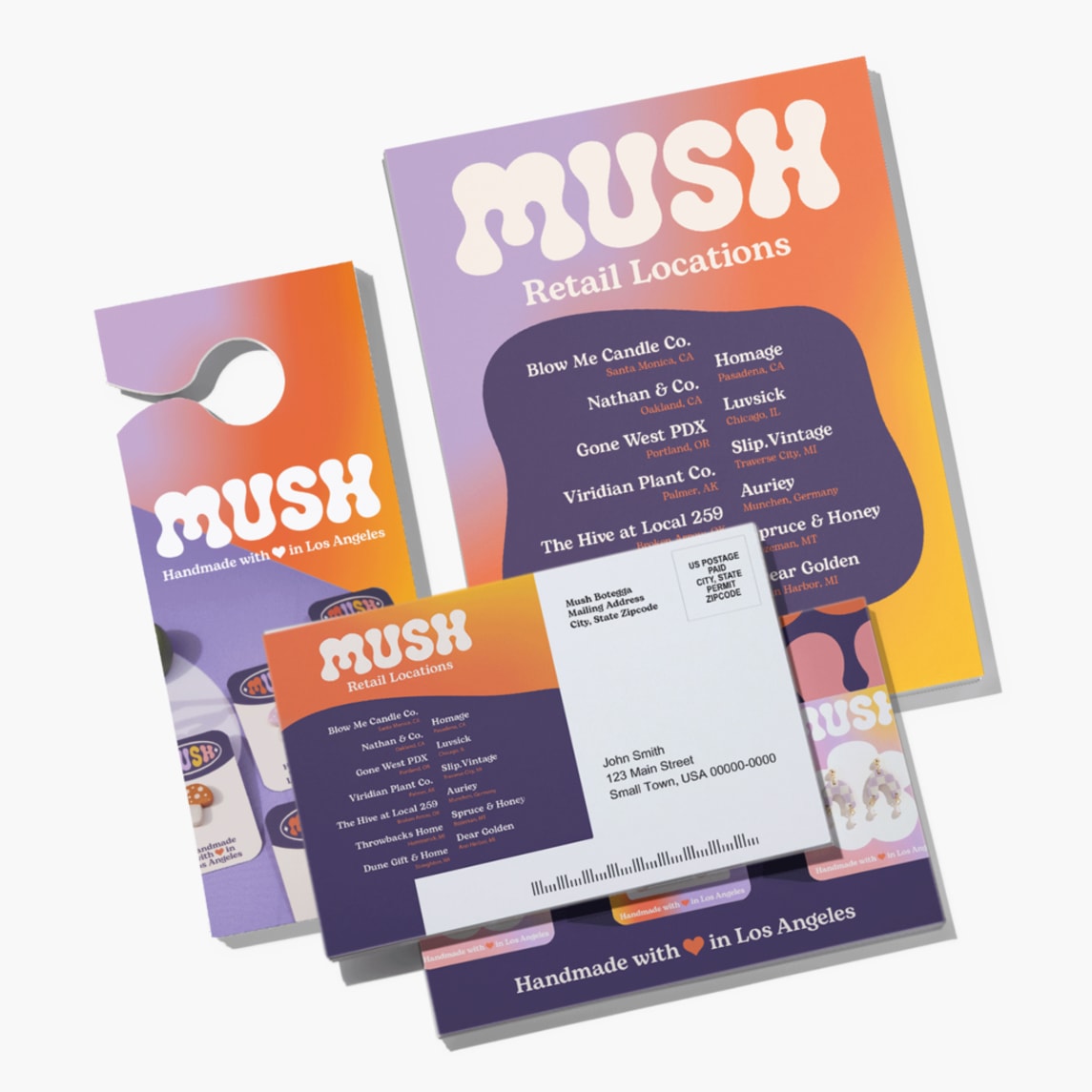
Here you can include logos you’ve seen that you like or logo styles that would suit your brand. It’s a great way to give your designer an idea of what to emulate. Likewise, mood boards can help you express your vision when words fail you, especially when you want to capture a particular atmosphere. These are great tools to help visually express what you are looking for in your logo design brief.
Industry best practices recommend including:
- Logos you like, and the specific elements you like
- Logos you don’t like and what to avoid (e.g. generic clipart, overused icons like light bulbs, globes or leaves)
- Competitor logos to help avoid similarities
- Visual mood boards with color palettes, type pairings, patterns, illustrations, etc.

Dos and don’ts
Although optional, including a list of dos and don’ts can point out things you already know you want or don’t want in the logo design. For example, if you know you don’t want certain hues, tones or colors, you can say “use red as the primary color, but avoid light tones,” or if you want an illustration of a dog, you can say “use only simple renditions of dog illustrations.”
This works best in conjunction with a completed brief, not replacing it. It helps build a stronger foundation in your logo design brief for your designers to base their designs on.
Read our guide on logos and branding so you know which branding details to include in your creative brief for logo design.
Clarify timing and budget
To avoid miscommunication with your designer, every logo design brief should cement the technical details of your arrangement, in particular the timeframe and budget.
Timeframe
Some logo design projects take months while others take only hours. Designers can work within a variety of time restraints, but don’t expect them to meet your deadlines if you don’t specify due dates beforehand.
A good logo design brief will clearly state:
- The ideal timeframe for the project
- The number of revision rounds
- The final file delivery date
Designers need to allocate their time accordingly, so giving them a definitive road map from the start helps them schedule their own time most efficiently. If you’re apprehensive about committing to a set timeframe from the onset, consider the alternative. Missed deadlines and confusion about due dates can both delay projects and increase your costs. It’s best to outline all the necessary dates from the start, and you can adjust them if or when it’s needed.
Budget
You also want to solidify all the payment decisions in your logo design brief. Specify whether you’re comfortable paying a base fee or an hourly rate (or if you’re open to either). Don’t be afraid to ask the designer for an estimate if they prefer an hourly rate. Your budget also determines how many concepts, revisions and deliverables are included in the price of your logo design.

Fillable text-based logo design brief template
Here’s a brief template that you can copy, paste and customize for your own logo design.
1. Business information
Name:
Industry:
Location:
Slogan (if any):
Mission/values:
2. Target audience
Demographics:
What they care about/like:
3. Brand personality
3-5 personality words:
Brands/styles I like:
Brands/styles I want to avoid:
4. Design preferences
Logo type:
Color preferences:
Design style:
Typography preferences:
Imagery or symbols to include:
What to avoid:
5. Competitive landscape
Main competitors:
Key differentiators:
6. Usage & deliverables
Where the logo will appear (web, social, signage, packaging):
Required file formats:
7. Timeline & budget
Concept deadline:
Revision rounds:
Final delivery deadline:
Budget:
8. AI prompt version (optional)
Rewrite the above details as a single prompt for AI. (See our guidance on how to write a strong prompt below.)
How to write strong AI prompts (AI logo briefs)
AI logo tools like the AI Logomaker by VistaPrint generate better results when your prompt is as clear as a traditional creative brief. So be sure to include:
- Your brand personality words (e.g. bold, modern, youthful)
- Any defined style cues (e.g. minimalist line art or retro serif typography)
- Color direction (e.g. warm neutrals or navy and gold)
- Symbol ideas (e.g. geometric mountain icon or abstract leaf)
- What to avoid (e.g. no gradients, no clipart or avoid cursive fonts)
- The intended usage of your logo ( e.g. if it needs to scale well for print on business cards and banners)
Here is an example of an effective logo design AI prompt:
“Create a modern, minimal logo for a premium candle brand. Use clean serif typography and a simple geometric flame icon. Colors: charcoal and gold. Avoid script fonts and circle badges. The logo must look sharp when printed on labels and packaging.”
Find out more about printing your logo on various products and materials in our ultimate guide to logo printing.
Write your logo design brief
Now you’re ready to write your design brief! Remember, it can be as detailed or simple as you like, but be sure to include the basics we’ve covered: business info, brand personality, logo style, timing and budget. The more details you include, the more likely the designer is to create a logo you like. But if you’re unsure what exactly you want, leaving some space for designer interpretation could work in your favor. Or, consider using an AI prompt to help you create a logo for inspiration or the beginnings of your brand.
Logo design brief FAQs
What questions do designers ask before creating a logo?
They typically ask about your target audience, tone, competitors, preferred styles, colors, symbols and where the logo will be used. Having this information ready will save both you and your designer a lot of time and confusion.
How do designers decide whether your logo needs multiple versions?
Many designers will evaluate how your logo will appear at different sizes and in different environments. For example on packaging, signage, social media avatars or shipping labels. Based on this, they may then recommend responsive logo variations (like an icon-only version or a stacked version) to ensure that it stays clear and legible everywhere you use it.
How do designers keep logos consistent across different materials?
Professional designers often create a mini brand guide that outlines your color codes, spacing rules and usage examples. This will mean that the logo prints accurately across business cards, labels, signage and merchandise and prevents distortion or color shifts when you’re working with multiple vendors or printers.
How detailed should revision feedback be during the design process?
Designers usually appreciate specific, actionable feedback rather than general statements like “make it pop.” Strong feedback focuses on what’s not working (e.g. spacing, color contrast, symbol detail) and why. This helps your designers iterate more efficiently and avoid issues or clashes. It’s important to share as much information so that your designer can stay aligned with your vision.
How do designers handle trademark or originality issues?
Designers often perform informal checks to make sure that your logo doesn’t resemble your competitors or any overused symbols in your industry. Many designers will also advise you on trademark considerations or recommend consulting legal trademark resources before you finalize and register your new logo.