
Running a small business is exciting, but it can quickly turn into a 24/7 grind. No matter how passionate you are, nonstop work can lead to small business owner burnout – a real and common struggle for many entrepreneurs. Burnout doesn’t always announce itself with a dramatic collapse. It starts with things like constant fatigue, difficulty focusing and feeling disconnected from the work you once loved.
At VistaPrint, we’ve spoken to hundreds of small business owners about what burnout really looks like and how they’ve learned to spot the warning signs early. By the end of this article, you’ll have practical, realistic strategies to protect your well-being – without putting your business growth on the back burner.
- Small business owner burnout is chronic exhaustion that affects your energy, focus and passion for your business.
- Common causes of burnout include overwork, financial stress, wearing too many hats, isolation and perfectionism.
- Early signs of burnout are fatigue, irritability, trouble focusing and feeling disconnected from your business.
- To avoid burnout, you should set boundaries, create a flexible schedule, delegate tasks, manage finances and prioritize wellness.
Understanding small business owner burnout
As a small business owner, burnout is more than just stress or fatigue – it’s chronic emotional, mental and physical depletion. It leaves you drained, even after rest, and robs you of the energy and inspiration needed to move forward.
Recognizing burnout early is crucial to reclaiming your vitality and protecting your business.
What burnout really means for entrepreneurs
More than regular fatigue, small business owner burnout is persistent exhaustion that doesn’t go away with sleep. It’s a constant fog, emotional drain and physical depletion.
Unlike stress, burnout lingers, clouding decision-making and diminishing leadership ability, making recovery harder without action.
Common causes of burnout in small business owners
Burnout doesn’t strike overnight. Usually, it builds up from several key stressors and looks different for each small business owner.
Every entrepreneur faces unique challenges, both in their business and personal life. But there are a few common causes that impact the mental wellbeing of many business owners.
- Overwork and blurred boundaries (home/work): When your business spills into personal time, it’s impossible to fully disconnect. Late nights and weekends blur the lines, leaving no time to recharge.
- Financial and operational pressure: Worrying about cash flow, unexpected expenses and financial stability creates constant mental strain, making it hard to relax or focus on anything else.
- Responsibility overload (“wearing all the hats”): Managing every role in the business, from marketing to HR, can lead to business owner burnout as you’re pulled in too many directions with little time for self-care.
- Lack of social support or community: Operating without a support network leaves you isolated, making the challenges of entrepreneurship feel even more overwhelming.
- Perfectionism and unrealistic expectations: Trying to meet impossible standards sets you up for constant frustration, draining your energy when things don’t go as planned.
These causes may look different for each person, but they all stem from how small business owners manage time, expectations and support. Spotting these early is key to preventing burnout from taking over.
Recognizing the early signs of entrepreneur burnout before it hits
After covering the causes of burnout, let’s focus on the early signs. While causes are the stressors leading to burnout, signs are the symptoms showing it’s already happening.
These signs can appear personally and professionally, and spotting them early helps you take action before burnout takes over.
Emotional and physical red flags

Source: Visual by kataklinger via Depositphotos
Burnout often begins with emotional and physical shifts. These signs are your body’s way of telling you that something is off. If you notice these changes in yourself, it’s time to take a step back and evaluate your situation.
- Persistent fatigue, cynicism, irritability or feelings of dread: If you feel drained and detached, with no energy left for the things you used to love, it’s a red flag.
- Difficulty sleeping, loss of appetite, headaches or body tension: Your body can’t fully recover if you’re constantly tense or losing sleep over your business.
- Emotional disconnection from the business: When the passion that once fueled your business starts to fade, it’s a clear signal that burnout is creeping in.
These signs reflect a growing disconnect, both emotionally and physically. They’re often the first indicators that the pressure is becoming too much.
Impact on your business and decision-making
But burnout doesn’t just affect you. It can show up in your business too. As your energy and mental clarity fade, the quality of your work and decision-making takes a hit.
- Declining productivity or creativity: If you’re struggling to get things done or your usual creative ideas feel drained, it’s likely small business owner burnout is affecting your work.
- Poor communication with customers or employees: Your ability to connect and engage may suffer, leading to misunderstandings or neglected relationships.
- Increased mistakes or overlooked details: When your mind is scattered and overwhelmed, small details slip through the cracks.
- Loss of motivation, procrastination: The drive to take action or move forward with tasks diminishes, leaving you stuck and unproductive.
Small business owner burnout is no joke. Beyond negatively affecting you, it also impacts your loved ones, your business processes and your relationships. When burnout takes hold, it limits your growth and stalls your success, making it harder to move forward.
That’s why prioritizing personal wellness is actually a strategic investment, not self-indulgence.
Practical strategies to prevent burnout and protect your mental health
Small business burnout is tough. But it’s also common, which is actually a good thing. Why? Because you’re not alone. Many entrepreneurs face burnout, and many – thankfully – find their way out, reclaiming their productivity, creativity and inspiration.
We spoke to 500 small business owners to understand what burnout really looks like and how to overcome it. Below are helpful methods to implement along with empowering advice from entrepreneurs who’ve been there and come out stronger.
Set and enforce clear work-life boundaries
One of the most effective ways to avoid burnout is to establish clear boundaries between work and personal life. Without them, the lines blur, and work can start to invade your downtime, making it hard to recharge.
Mikayla Chin swears by having a designated workspace:
“Having a separate home office from home life space is key. You don’t need a whole separate room, but you do need your own desk and packaging space. The key is to not let yourself work in that space after your work hours.”
Casey Roher agrees with that, too:
“Have a designated area to work from – be it a different room, a separate desk or a side of the room that is just for your business. Keeping everything together will make things a whole lot easier!”
This separation helps create physical and mental space for relaxation when the workday ends.
- Designate a physical workspace: Even if it’s just a desk, make it separate from where you relax.
- Define daily start and end times: Establish clear work hours to avoid the temptation of “just one more email.”

Source: Book cover design by ~99~ via 99designs by Vista
Create a realistic schedule
When you’re running your own business, it’s easy to fall into the trap of over-scheduling. And that rigid schedule feels nothing short of suffocating.
There’s a pretty straightforward way out: flexibility. Creating a schedule that works for you – not one that piles on tasks and pressure – helps avoid mental exhaustion.
Mikayla Chin shares:
“The best part of running my small business from home is the ability to switch tasks when I get tired of one. It helps me stay focused on what I’m working on, knowing I can move on to something else if I start feeling stuck. This flexibility prevents burnout and keeps me from getting frustrated with tasks I don’t want to do at the moment.”
Another important piece of business advice comes from Kassandra Rodriguez:
“Creating to-do lists and setting timers for myself to work on one task at a time is helpful. I always thought that I needed to get everything done at a specific moment, but once I learned to take it one step at a time and take a break, it makes everything less stressful.”
With those bits of wisdom considered, here’s how to build a realistic, flexible schedule:
- Time-block or theme your days: Assign different tasks or themes to specific days to stay focused without overwhelming yourself.
- Schedule micro-breaks and buffer time: Build short breaks into your day to refresh and avoid burnout.
- Normalize rest and off-days: Don’t feel guilty about taking time off. Rest is a critical part of productivity and mental well-being.
Use dedicated tools like time-block calendars that help you structure your day and keep work within designated hours.
Delegate, automate and let go of control
One of the common mistakes made by entrepreneurs – and a major contributor to burnout – is the belief that you have to do everything yourself. As a small business owner, you might feel like no one else can do the work as well as you. But that mindset only leads to exhaustion.
Letting go of control helps you manage your workload and reduce burnout. Here’s how to do it:
- Delegate tasks: Identify what can be outsourced or handled by others.
- Automate where possible: Use tools for invoicing, social media and customer management.
- Trust your team: Empower others to take on responsibilities, allowing you to focus on growth.

Invest in financial planning to reduce stress
Financial stress is a significant contributor to burnout, but having a clear financial plan can reduce anxiety and provide peace of mind. It’s one of the top ten things needed to start a business!
Start by creating a predictable income plan to eliminate uncertainty about cash flow. Setting up a cash flow buffer ensures you know when income is coming in, which helps ease stress. Automating tasks like invoicing and budgeting can save time and simplify financial management.
Finally, streamline your financial systems to reduce mental load and free up space for more important tasks.

Source: via Depositphotos
Build wellness rituals into your day
Small wellness habits can make a big difference in your mental health and creativity. Taking breaks and engaging in hobbies helps reduce stress and recharges your mind.
Kassandra Rodriguez says, “Going on walks and having a hobby outside my business gives my brain time to chill…that’s when I come up with new ideas.”
To build wellness into your routine:
- Start small: Take regular walks or stretch to clear your mind.
- Encourage offline breaks: Step away from screens to reduce digital overload.
- Engage in hobbies: Find activities that help you unwind and spark creativity.

What to do if you’re already burned out
Preventing burnout is great, but if you’re already there, it’s possible to turn things around.
The first step is accepting that recovery takes time – it’s not something that happens overnight. The goal is to make intentional changes that restore your energy and mental clarity. While it might feel overwhelming, small adjustments to your daily routine can help reignite your motivation, creativity and balance.
Here’s how to start.
Recognize when to ask for help
If you’ve reached the point where burnout is affecting your mental and physical health, it’s time to step back.
Remember, asking for help isn’t a sign of weakness at all. It’s an important step toward healing.
Consider therapy, counseling or coaching tailored to entrepreneurs. Speaking to a professional can provide clarity and give you tools to navigate your emotions and stress.
Having someone to talk to, particularly someone who understands the unique challenges of running a business, can make all the difference.
Reconnect with your “why”
When burnout takes hold, it’s easy to lose sight of why you started your business in the first place. Reconnecting with your purpose can help reset your priorities and ignite your passion again.
Reflecting on your initial motivations helps realign your goals and intentions. As Tova Vaginshtein says,
“In order to expand, you must be able to recognize your weak points, take on criticism and accept when you are outgrowing something. Stay true to yourself, keep reminding everybody of why you do what you do and why you started.”
In order to reconnect with your “why” you can try journaling – writing down your thoughts can help you process feelings of burnout and clarify your goals. Alternatively, you can take a short sabbatical to reflect and return with renewed focus.
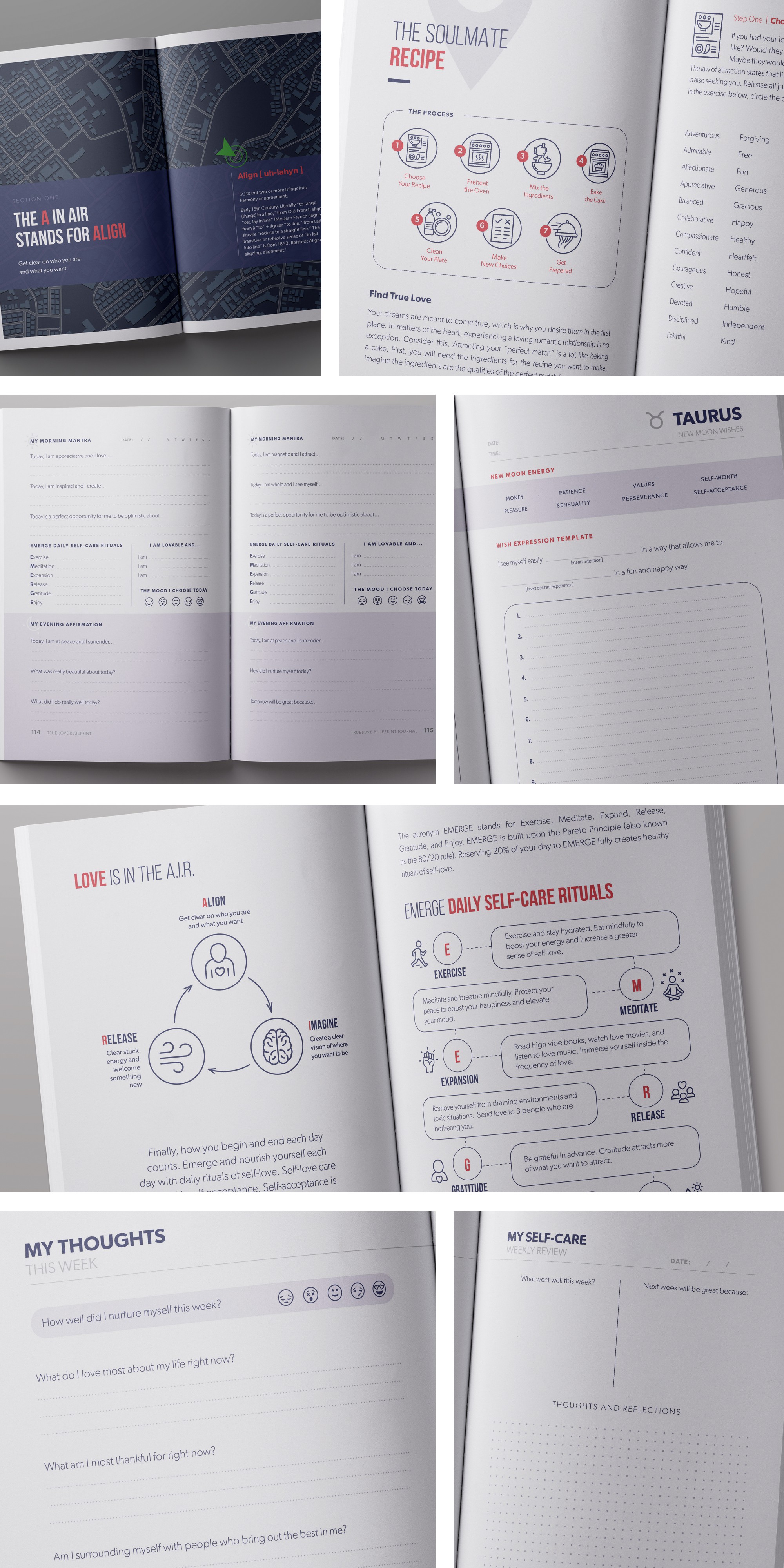
Source: Journal design by Olivier Darbonville via 99designs by Vista
Build a support network
Finally, it’s important to remember that isolation can fuel burnout. As an entrepreneur, it’s easy to feel like you’re on your own, but building a support network is crucial for mental health.
Tova Vaginshtein emphasizes:
“Community will always get you far, because they will always support you and stand with you through your growth.”
To build that network:
- Join peer groups: Connect with other entrepreneurs who share similar experiences.
- Find a mentor: Someone who’s been there can offer valuable guidance.
- Get involved in coworking spaces: These provide both a productive environment and a supportive community.
Having a support system helps you share the load, gain insights and stay grounded as you recover from burnout.
Ready to tackle small business owner burnout?
Burnout happens. It’s part of the entrepreneurial grind, but it’s not a personal failure. The good news is that you can turn it around. Small, consistent changes to your routine can help restore your energy and get you back on track.
At VistaPrint, we’re all about supporting your business and well-being. Whether it’s simplifying your processes or offering wellness tips, we’ve got your back.